How to Track Your Flower Delivery Across Russia in Real Time
You have chosen the bouquet, written the message, and paid — and now the most human part begins: the waiting. Whether you are sending peonies to someone in Moscow or a wrapped arrangement of garden roses to a friend in Novosibirsk, the gap between clicking confirm and hearing that the flowers arrived safely can feel surprisingly long. This guide walks you through exactly what happens after your order is placed, what messages you will receive, how to read them, and what to do if something feels off. No guesswork, no refreshing a blank page — just a clear picture of how the whole process moves.
What Happens the Moment You Place an Order
The first thing you will notice is a confirmation message sent almost immediately after payment clears. This arrives by email and, if you provided a Russian mobile number, by SMS as well. It contains your order number, the recipient's address, the delivery window you selected, and a summary of the bouquet. Keep that order number — it is your reference for everything that follows.
Behind the scenes, the florist team is already reading the order. In a shop that delivers within one to two hours, there is no idle time between confirmation and preparation. The flowers are pulled from cold storage, where roses and tulips are kept at around four to six degrees Celsius to hold their freshness, and assembly begins straight away.
If anything in your order needs a quick clarification — say, a substitution because a specific variety such as garden spray roses is temporarily out — you will receive a call or message within minutes, not hours. The goal is to keep you informed before the bouquet leaves the workroom, not after. This early communication is the foundation of the whole tracking experience: you are never left to wonder whether the order was received at all.
Bouquets we can deliver


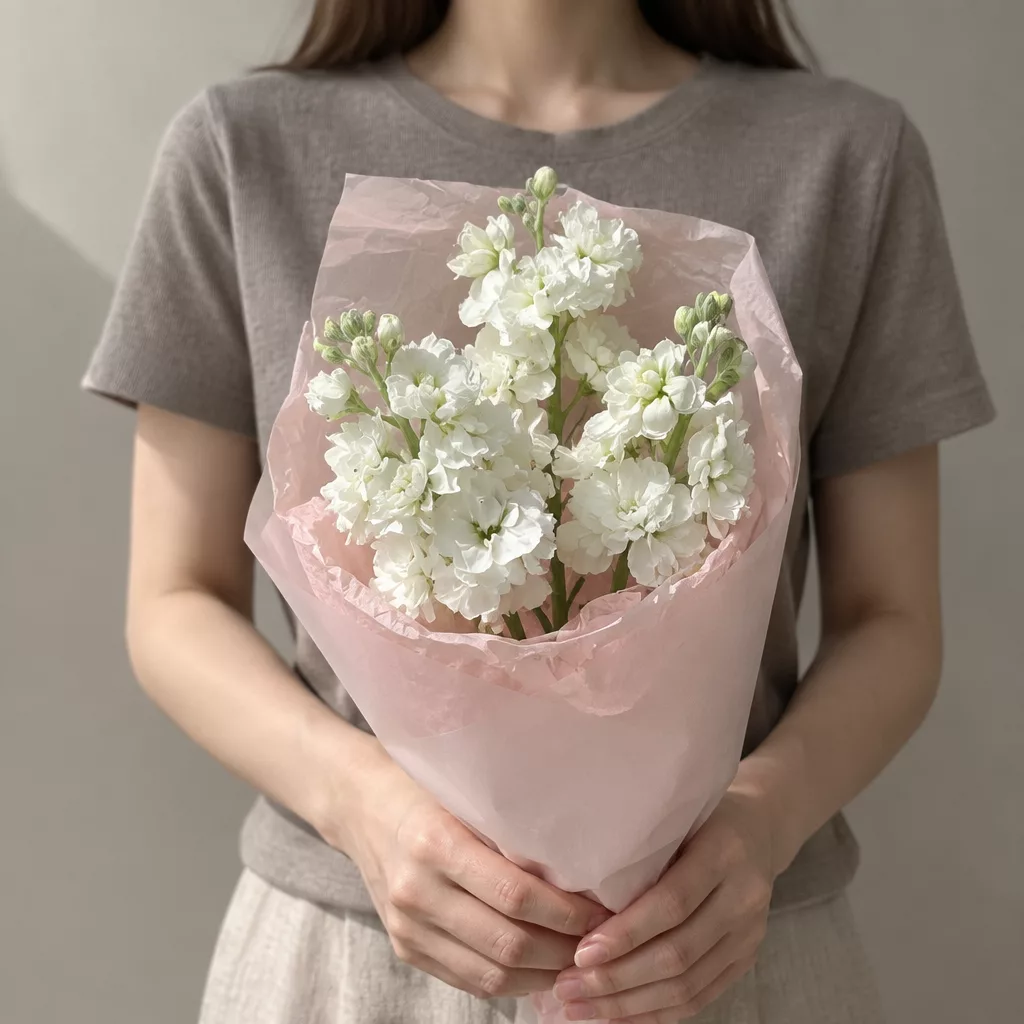
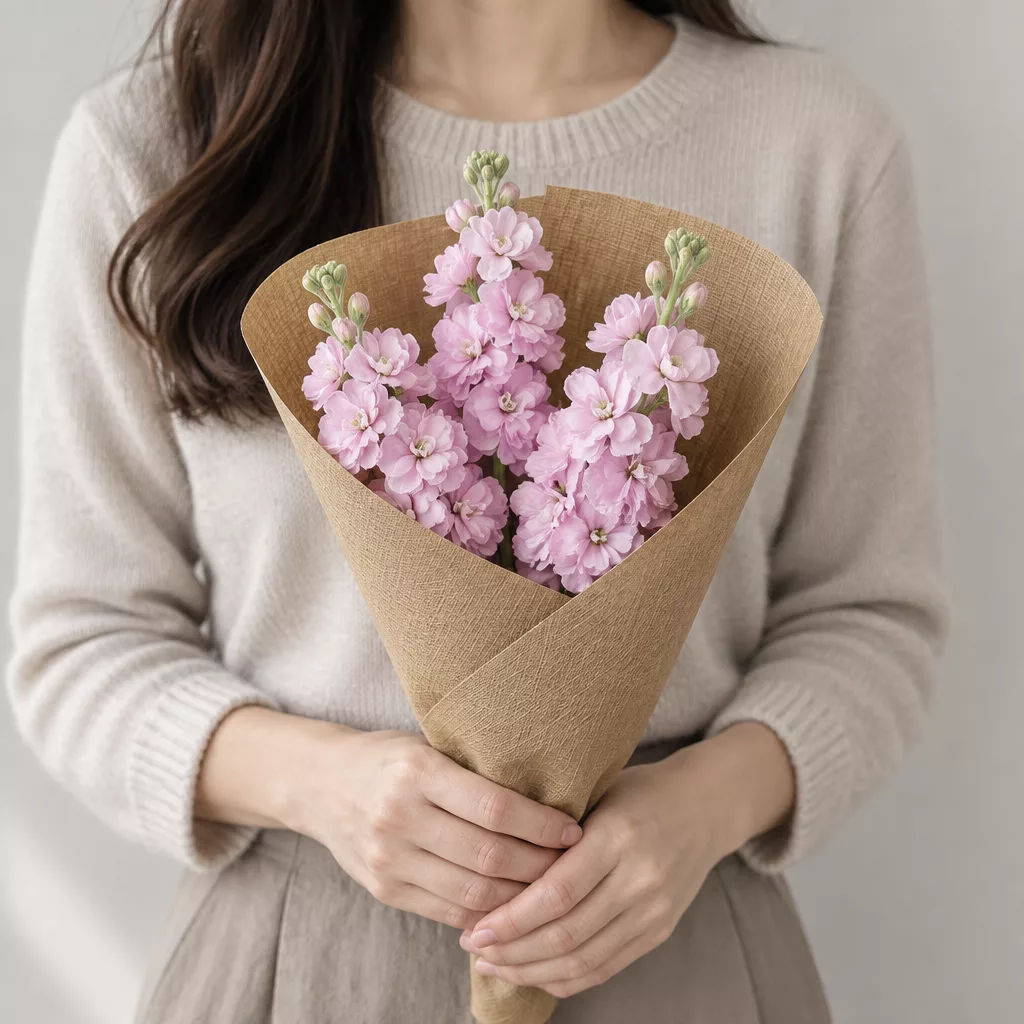
The Sequence of Delivery Notifications You Will Receive
Most customers receive three to four messages across the life of a single delivery. The first is the confirmation already described. The second arrives when the courier picks up the bouquet and leaves the shop — this is the message that tells you the order is physically on its way. It usually includes the courier's first name and, depending on your order settings, a contact number.
The third message comes when the courier is close to the recipient's address, typically ten to fifteen minutes out. This is the one worth forwarding to the recipient if the delivery is a surprise — it gives them just enough time to be near the door without spoiling the moment too early. Timing matters here: a bunch of anemones or ranunculus left outside a door in summer heat for even twenty minutes will start to wilt at the tips.
The fourth and final message confirms delivery. It lands on your phone shortly after the courier hands over the bouquet and marks the order complete in the system. Some customers also receive a prompt to leave feedback at this point. If you do not receive this final confirmation within your expected window, that is the right moment to reach out to the shop directly — not before, because city traffic in Saint Petersburg or Moscow can add unpredictable minutes to any route.
How to Check Courier Status in Real Time
Real-time tracking in Russia works slightly differently from what customers in Western Europe might expect. Rather than a live map that updates every few seconds, the standard approach combines automatic status messages with direct access to the courier by phone or messenger. Both methods are reliable; they simply require a slightly different mindset.
When the courier departs with your order, the message you receive may include a tracking link or a direct number. If a link is provided, it will open a simple status page showing the current stage — collected, en route, or delivered. The page refreshes automatically and does not require an app download. If no link appears, calling or messaging the courier directly is completely normal and expected in Russian delivery culture. Couriers are accustomed to brief check-in calls and will answer straightforwardly.
For deliveries going to cities outside Saint Petersburg, the status updates follow the same pattern but the timeline stretches. An intercity delivery dispatched in the morning will generate the same sequence of notifications; the gap between them is simply longer. If you are sending white lilies or chrysanthemums to a recipient in a city several time zones away, factor in the local time when reading expected delivery windows — the shop always quotes local recipient time, not Saint Petersburg time. Keeping that detail in mind prevents most of the confusion customers experience with long-distance orders.
What to Do If the Delivery Window Passes
City traffic is the most common reason a delivery runs past its stated window. Road conditions in Saint Petersburg, particularly around the centre and the ring road, can shift a thirty-minute journey into a fifty-minute one without warning. The same is true in Moscow during morning and evening peaks. A delay of fifteen to twenty minutes beyond your window is worth noting but rarely cause for alarm.
If thirty minutes pass after the outer edge of your delivery window and you have not received the final confirmation message, contact the shop. Have your order number ready — it speeds everything up. The team can locate the courier, get a current position, and give you an honest updated estimate within a couple of minutes. You do not need to be apologetic about asking; this is a normal part of the process and the team expects these calls.
In the rare case that a courier cannot complete a delivery — a recipient who is genuinely unreachable, an address that turns out to be incomplete, a building with a locked entry system and no intercom response — you will be contacted before the courier leaves the site. The bouquet will not simply be left outside. Flowers like open garden roses or hydrangea heads lose condition quickly once exposed to direct sun or frost, so the courier is instructed to return the arrangement to controlled conditions and await your instructions. A redelivery is then arranged at no inconvenience to you.
Surprises, Recipient Contact, and Privacy in Russian Deliveries
One of the most common questions from customers ordering across Russia is whether the courier will call the recipient ahead of arrival and risk spoiling a surprise. The answer depends on what you specify at checkout. There is usually a field where you can indicate that the delivery is a surprise and ask the courier to avoid calling in advance. When this is marked, the courier will knock or ring without prior notice.
However, there are practical limits. If the recipient lives in a building with a locked entrance and no working intercom, the courier has no choice but to call. In many Russian apartment blocks, especially older buildings in central Saint Petersburg, the entry system is either broken or requires a code. Providing the entry code at checkout — there is almost always a notes field for exactly this — removes the problem entirely and is strongly recommended for surprise deliveries.
Russian couriers are generally discreet and professional about surprise situations. They will not announce the sender, read the card, or linger. The handover is brief and warm. If the recipient asks who sent the flowers, the courier will simply say there is a card inside. This is standard practice and aligns with what most people sending a surprise bouquet of tulips or mixed seasonal stems would hope for. Setting expectations clearly in the order notes is the single most effective thing you can do to protect the surprise and ensure a smooth handover.
After Delivery: Keeping the Bouquet Fresh While You Stay Informed
Once the final confirmation arrives, your role as the sender shifts from tracking to advising — if the recipient wants guidance on keeping the flowers looking their best. A few words in the card or a quick message can make a real difference to how long the arrangement lasts.
Cut flowers in Russia are often delivered wrapped in kraft paper or a water-holding sleeve. The recipient should unwrap them within the first hour, trim the stems at a diagonal under cool running water, and place them in a clean vase filled with fresh, cool water. Lukewarm or warm water encourages bacterial growth and shortens vase life noticeably. Roses typically last seven to ten days with proper care; tulips four to six days; ranunculus five to seven. Keeping the vase away from direct sunlight, radiators, and fruit bowls — ethylene gas from ripening fruit accelerates wilting — makes a meaningful difference.
If the bouquet arrived with a flower food sachet, encourage the recipient to use it. Many people set it aside thinking it is optional, but it genuinely extends freshness by balancing the water's pH and providing a small amount of sugar for the stems. Changing the water every two days and re-trimming the stems each time will keep even delicate varieties like anemones looking open and vivid for longer than most recipients expect. Knowing the flowers are well cared for is the quiet, satisfying end to a delivery experience that started the moment you placed the order.
Tracking a flower delivery in Russia is less about watching a dot move across a map and more about staying in easy, honest communication with the team handling your order. The notifications are clear, the couriers are reachable, and the process is designed so that you spend as little time worrying as possible and as much time looking forward to the moment the flowers arrive. When you know what to expect at each stage — from the first confirmation to the final delivery message — the whole experience feels as warm and considered as the bouquet itself.
Frequently asked questions
Will I receive tracking updates if I order flowers for delivery outside Saint Petersburg?
Yes. The same confirmation, dispatch, and delivery notifications apply to all orders across Russia. The timing between messages will be longer for intercity deliveries, and all windows are quoted in the recipient's local time rather than Saint Petersburg time, so factor that in when reading your confirmation.
Can I ask the courier not to call the recipient in advance for a surprise delivery?
You can indicate this in the order notes or the designated surprise field at checkout. The courier will arrive without calling ahead. The one exception is buildings with locked entries and no working intercom — in that case, providing the door code in your order notes is the most reliable way to protect the surprise.
What should I do if I have not received a confirmation message after placing my order?
Check your spam folder first, as automated messages occasionally land there. If nothing appears within ten minutes of payment, contact the shop directly with your order details. Confirmation is sent immediately after payment clears, so a missing message almost always points to an email filter or a typo in the address provided at checkout.
How do I know the bouquet was actually delivered and not left outside the door?
The courier marks the order complete only after a direct handover to the recipient or an authorised person at the address. If nobody answers and the building cannot be accessed, you are contacted before the courier leaves. Flowers are never left unattended outside in conditions that could damage them.
Is it normal to call the courier directly, or is that considered rude in Russian delivery culture?
It is entirely normal and expected. Russian couriers are accustomed to brief check-in calls during delivery and will answer straightforwardly. A short call asking for an estimated arrival time is considered practical, not intrusive. If you prefer not to call, messaging via the number provided in your dispatch notification works equally well.
Ready to send flowers?
Pick the city, choose the bouquet, and a local florist takes it from there.
Choose a city →