Valentine's Day in Russia: Is It Celebrated and With Flowers?
If you are sending flowers to someone in Russia on February 14 and quietly wondering whether the gesture will land well or feel out of place, the short answer is: it will land beautifully. Valentine's Day has been part of Russian city life for over thirty years, and flowers — especially roses — are exactly what people expect and hope for on that day. The longer answer is a little more interesting, because Russia also has its own romantic holiday in July, and the two coexist in a way that shapes what people actually want to receive.
Valentine's Day Arrived Late but Took Root Quickly
Valentine's Day reached Russia in the early 1990s, carried in by Western media, imported greeting cards and the general enthusiasm for everything new that followed the end of the Soviet era. It had no deep cultural roots here, which is exactly why it spread so fast — it was fresh, it was romantic, and it gave young people a reason to celebrate love at a time of year when little else was happening. By the mid-1990s, flower shops in Moscow and Saint Petersburg were already reporting a surge in orders on February 14.
Today the holiday is observed widely in Russian cities, particularly among people under forty-five. In Saint Petersburg, where European cultural influences have always been strong, it feels entirely natural. Couples mark the day with flowers, small gifts and dinners. Younger people exchange cards and chocolates at school or university. Workplaces sometimes see bouquets arrive at the reception desk.
It is worth knowing that the Russian Orthodox Church and some conservative voices have periodically pushed back against Valentine's Day, calling it a foreign import with no place in Russian tradition. In 2011 and again in later years, certain regional authorities tried to discourage public celebrations. None of this has meaningfully reduced the popularity of the day among city residents. People simply enjoy having a moment to express affection, and flowers are the most direct way to do that.
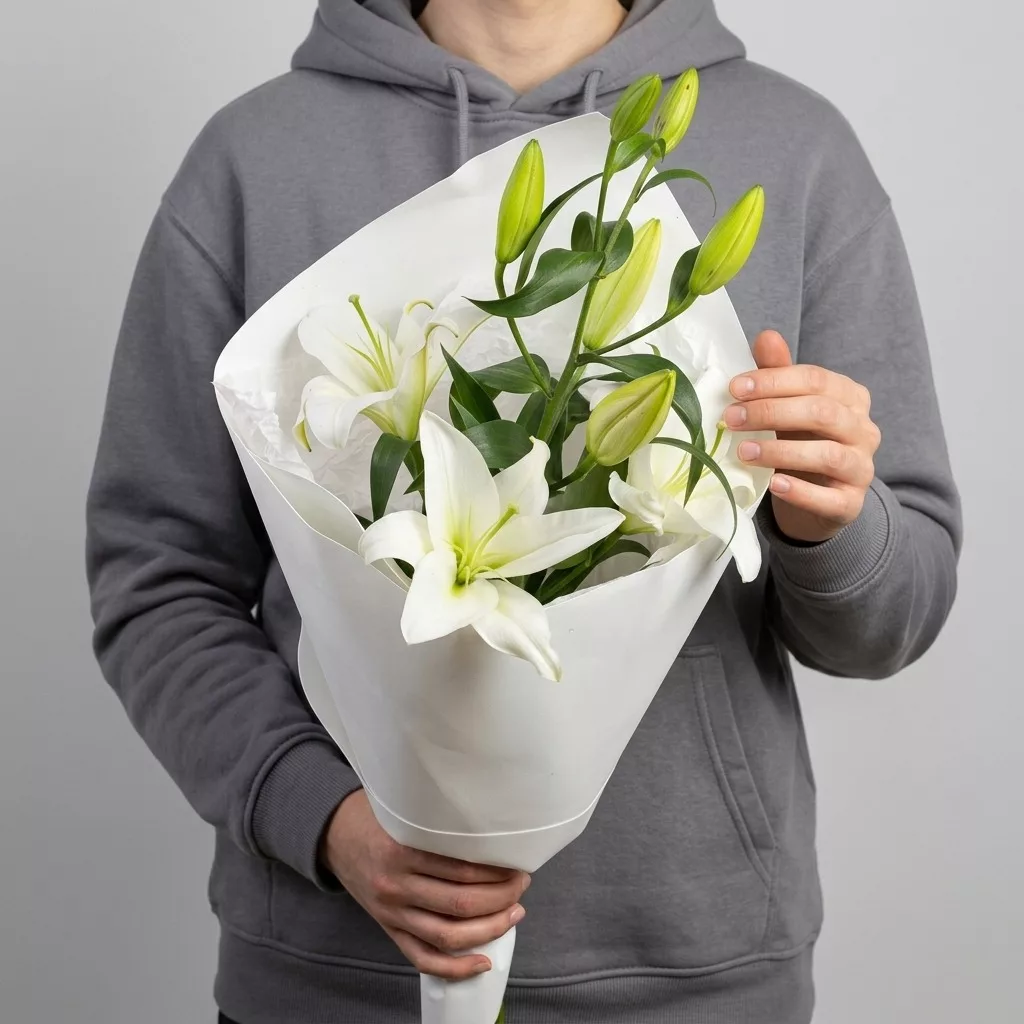
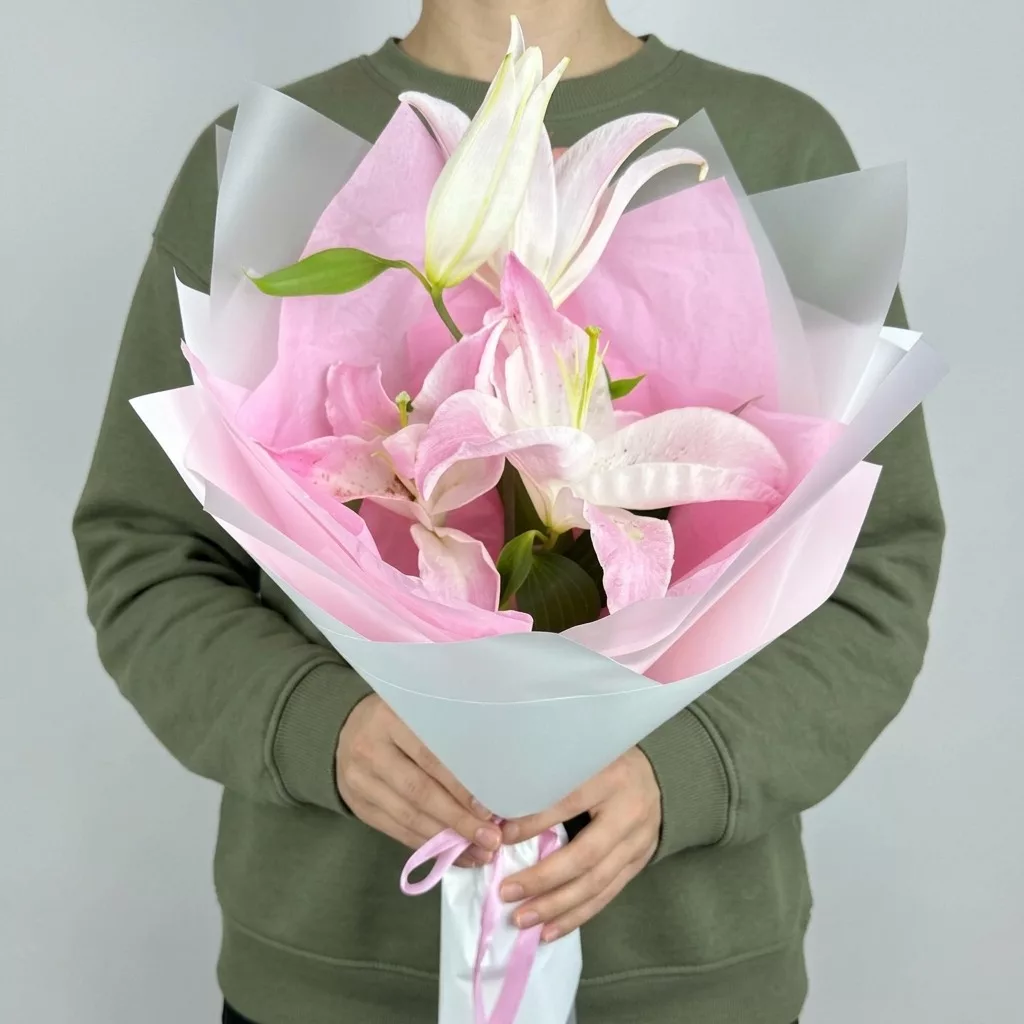
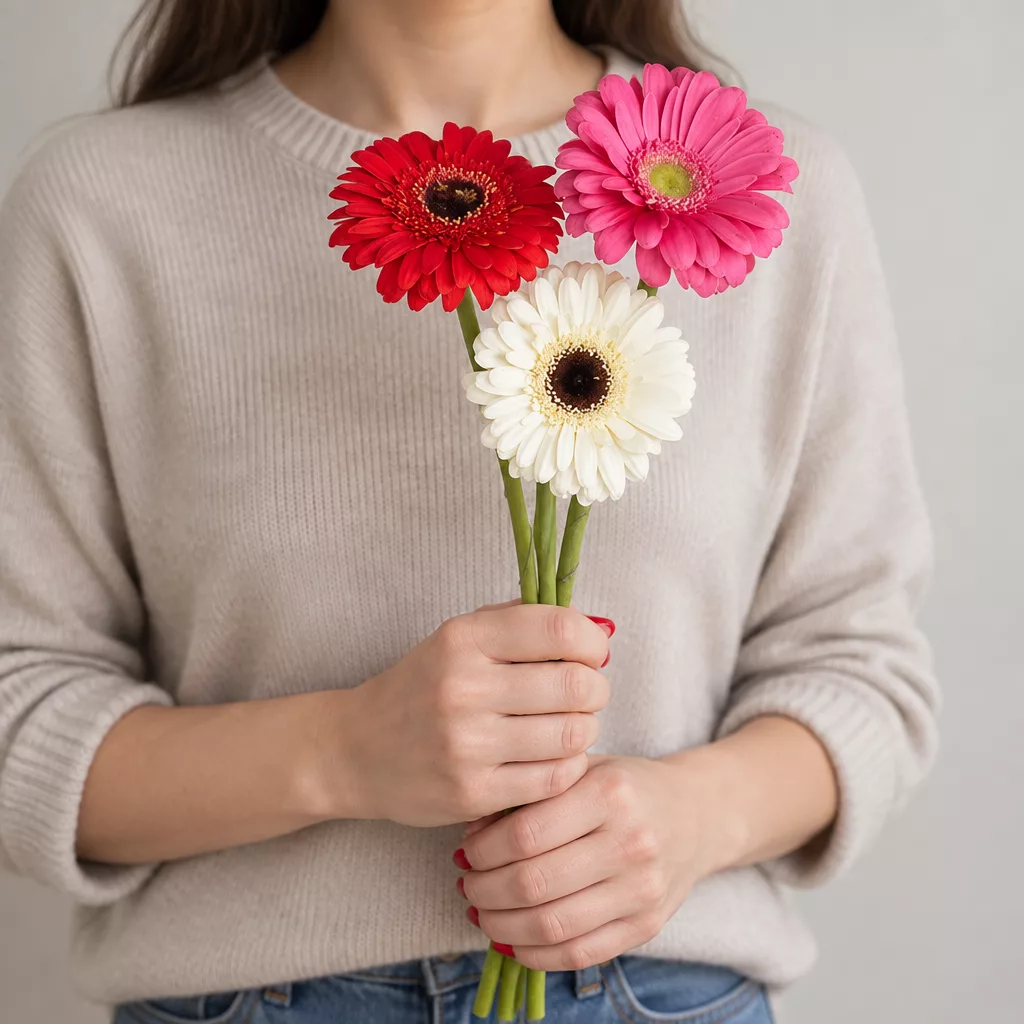
Bouquets we can deliver

Russia Has Its Own Romantic Holiday — and That Changes Nothing for February 14
Russia officially celebrates the Day of Family, Love and Fidelity on July 8, a holiday tied to the Orthodox saints Peter and Fevronia of Murom. It was established in 2008 as a domestic alternative to Valentine's Day, with the chamomile flower as its symbol — you will sometimes see white chamomile motifs on cards and gifts around that date. The holiday is genuine and growing, particularly among families and older couples.
But the existence of July 8 has not displaced February 14 in the way its supporters hoped. The two holidays serve different emotional registers. July 8 feels familial and settled; February 14 feels youthful and passionate. People who observe one often observe both. For someone sending flowers from abroad or from another Russian city, there is no awkwardness in choosing February 14 — the recipient will understand immediately what the gesture means.
The practical implication for flower choices is also worth noting. In July, chamomile and field-style arrangements feel appropriate. In February, the language is roses, deep reds, soft pinks, and occasionally white. If you send a bouquet of garden roses or spray roses in a warm pink on February 14, it reads as a Valentine's gift without any explanation needed. The visual vocabulary is shared across cultures here, which makes ordering across a distance much simpler than you might expect.
Choosing the Right Flowers for a Russian Valentine's Recipient
The starting point is always the person receiving the flowers, not the calendar. A young woman in her twenties who follows fashion and interior trends will likely adore a garden rose arrangement — varieties like David Austin's Juliet or Keira, with their cupped, layered blooms and warm peachy tones, feel luxurious and personal rather than generic. If she has a more classic taste, a tight round bouquet of deep red hybrid tea roses, perhaps Red Naomi or Explorer, sends a message of intention and seriousness.
For a recipient you know less well — a colleague, a friend you are quietly fond of, someone you want to impress without overwhelming — softer palettes work better. Blush pink spray roses combined with white ranunculus and a few stems of eucalyptus make an arrangement that is clearly romantic but not pressuring. It says warmth rather than declaration.
Men receive flowers on Valentine's Day in Russia too, though less commonly than women. If you are sending to a man, keep the arrangement structured and unfussy — a clean bundle of deep burgundy tulips or a simple composition of calla lilies reads as considered rather than sentimental.
One mistake to avoid: white roses alone can feel ambiguous in Russia, where white flowers are sometimes associated with formal or cool occasions. If you want white in the arrangement, pair it with something warm — blush, peach or deep red — so the overall impression is unmistakably celebratory. A florist putting together your order should understand this balance instinctively.
Timing Your Order When February Temperatures Are at Their Lowest
February 14 in Saint Petersburg typically sits between minus five and minus ten degrees Celsius, and in many other Russian cities it is colder still. This is not a problem for flower delivery if the logistics are handled correctly, but it is the single most important practical factor to understand when ordering.
Cut flowers are vulnerable to temperature shock. Roses and ranunculus, which are among the most popular Valentine's Day choices, can suffer petal damage if exposed to freezing air even for a few minutes. A well-run delivery operation wraps bouquets in insulated kraft or uses thermal sleeves and moves from vehicle to door quickly. The recipient should ideally be at home or at an address where someone can accept the flowers promptly — leaving a bouquet in a cold entrance hall for an hour is harder on the stems than the outdoor journey itself.
For the person ordering: place your order the evening before or early in the morning of February 14. Demand is at its peak that day, and earlier slots allow more flexibility with timing. If you are ordering for a workplace delivery, confirm that the building has a reception or someone who can take the bouquet inside immediately.
Once indoors, the flowers should go straight into water. In centrally heated Russian apartments, which tend to run warm and dry in winter, flowers lose moisture faster than in a temperate climate. Cutting stems at a slight angle under running water before placing them in a clean vase makes a real difference to how long they last.
What to Expect From the Delivery Experience in Russia
If you are ordering from outside Russia — from Europe, from the United States, or from another part of the world — the process is more straightforward than it might seem. You place your order online, specify the delivery address and a preferred time window, and the bouquet is assembled and dispatched from our Saint Petersburg studio. Delivery within the city takes one to two hours from the moment the order is confirmed. For other Russian cities we cover, the same same-day model applies.
Communication with the recipient is something to think about in advance. In Russian culture, surprise deliveries are generally well received and considered romantic. However, if the recipient lives in a building with a locked entrance and an intercom, they need to be available to buzz the courier in. It is worth either giving the recipient a gentle hint that something is coming — without spoiling the surprise entirely — or including a precise flat number and any entry codes in your order notes.
The card or message that accompanies the bouquet matters more than many people realise. In Russia, written words in a card carry real weight. Even a short message — three or four sincere sentences — adds meaning that a beautiful bouquet alone cannot fully carry. If you are writing in English for a recipient who reads English, that is perfectly fine. If you want the message in Russian and are not a native speaker, it is worth asking someone to translate it properly rather than relying on an automatic tool, because the phrasing of affection in Russian has its own rhythms.
Keeping Valentine's Flowers Fresh in a Russian Winter Apartment
Russian apartments in February are warm — sometimes very warm. Central heating in Saint Petersburg buildings often runs at a fixed high level regardless of outdoor temperature, and rooms can sit at twenty-two to twenty-five degrees Celsius with low humidity. This is comfortable for people and challenging for cut flowers.
Roses, which dominate Valentine's Day orders, are moderately hardy once they are properly hydrated. Change the water every two days, not just when it looks cloudy. Add a small amount of flower food if it was included with the bouquet, or a tiny pinch of sugar and a drop of bleach as a basic substitute. Keep the vase away from radiators, which are often positioned under windows in Russian homes — the warm air rising from them dries petals quickly.
Ranunculus, which pairs beautifully with roses in February arrangements, is more delicate. It wilts faster in heat and recovers well if you re-cut the stems and give it fresh cold water. Tulips, another February favourite, will continue to grow in the vase — their stems lengthen after cutting — so leave room at the top of the arrangement for them to open and reach.
A bouquet of well-chosen, well-conditioned roses in a warm Russian apartment should last seven to ten days with basic care. Garden-style roses with many petals tend to open slowly and stay beautiful longer than single-layer blooms. If the recipient tells you the flowers lasted less than five days, the likely culprits are heat, stale water or stems that were not re-cut on arrival — not the quality of the flowers themselves.
Valentine's Day is alive and warmly observed in Russian cities, and a bouquet of flowers sent on February 14 will be received exactly as you intend it — as a gesture of affection that needs no cultural translation. The key choices are simple: match the arrangement to the person rather than the occasion alone, think about timing and temperature, and include a few genuine words in the card. Whether you are sending from across the city or across the world, the flowers will arrive fresh and the moment will feel exactly right.
Frequently asked questions
Is Valentine's Day widely celebrated in Russia?
Yes, particularly in cities and among people under forty-five. Saint Petersburg and Moscow both see strong Valentine's Day activity — flower orders, restaurant bookings and small gifts. Some conservative voices have questioned the holiday's place in Russian culture, but this has not reduced its popularity in practice. It is a fully understood and well-received occasion.
Are red roses the right choice for a Russian Valentine's recipient?
Red roses are classic and entirely appropriate, but you have more options than that. Deep burgundy, blush pink and warm peach tones all read as romantic on February 14. Avoid sending an all-white bouquet on its own, as white flowers can feel ambiguous in Russian cultural context. Mixing white with warmer shades solves this immediately and often looks more elegant.
What is the Day of Family, Love and Fidelity — and does it replace Valentine's Day?
It is a Russian holiday celebrated on July 8, dedicated to the Orthodox saints Peter and Fevronia and symbolised by the chamomile flower. It was introduced partly as a domestic alternative to Valentine's Day but has not replaced it. The two holidays serve different moods — July 8 feels familial, February 14 feels romantic and youthful — and many people observe both.
Can flowers survive delivery in Russian February temperatures?
Yes, with proper handling. Reputable florists wrap bouquets in insulated packaging and move quickly between vehicle and door. The main risk is leaving flowers in a cold entrance hall after delivery. Ask the recipient to be available to bring them inside promptly. Once indoors, re-cut the stems and place them in water immediately for the best vase life.
How far in advance should I order Valentine's Day flowers for delivery in Russia?
Ordering the evening before or early on the morning of February 14 gives you the most flexibility with time slots. Same-day delivery within one to two hours is available, but demand peaks sharply on Valentine's Day and earlier orders are easier to schedule precisely. If you have a specific delivery window in mind, booking ahead is always the safer choice.
Ready to send flowers?
Pick the city, choose the bouquet, and a local florist takes it from there.
Choose a city →