Vase Amount: Choosing the Right Water Level and Vase Size
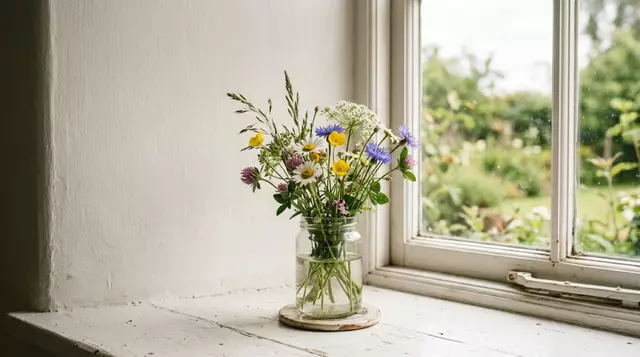
If you are searching for “vase amount”, the useful starting point is how much water and space your flowers need. For most mixed bouquets, begin with a clean vase roughly half full of fresh water, keep every cut stem end submerged, and remove any leaves below the waterline. Adjust the level to the flowers’ care instructions and the vase’s shape rather than treating half full as a fixed rule.
Vase capacity, water depth and the number of stems are different measurements: a wide bowl can hold plenty of water while leaving short stems above it. What matters is a stable arrangement with accessible water and enough room to maintain it. If you are sending flowers to someone in Russia, considering their available vase is also a practical way to choose a bouquet they can enjoy immediately.
How much water should you put in a vase?
Place the prepared stems in the vase and check where their cut ends sit. Each end must reach the water, including shorter stems near the outside of the bouquet. If raising the level would submerge leaves, remove those leaves first or rearrange the stems. A waterline that looks generous from the front can still miss a short stem hidden at the back.
For a typical upright mixed bouquet, halfway up the vase is a workable initial level, provided the stems reach it comfortably. Specific flower food or care instructions take priority. Soft, fleshy stems may need shallower water and closer attention to cleanliness; a tall bouquet in a narrow vessel may need more frequent top-ups because its reservoir is small.
Check the water soon after arranging the flowers, then at least daily. Several stems sharing a narrow vase can lower the level noticeably without making the change obvious through coloured glass. Lift the arrangement carefully if necessary to inspect it. Add fresh water before the cut ends become exposed, and replace the water if it turns cloudy or develops an unpleasant smell.
Choose vase size by the stems, opening and balance
Start with height and stability rather than a stated capacity in litres. The vase should support the lower stems while allowing the flower heads to spread naturally above the rim. If the stems bend sharply over the edge or the whole arrangement leans, try a taller or heavier vessel. A broad base is particularly useful when large flower heads make a bouquet top-heavy.
Next, check the opening. The stems should enter without being squeezed into a tight plug, and you should be able to add water without forcing a spout between the flowers. Too wide an opening lets a small bunch fall apart; too narrow an opening can crush foliage and make water changes awkward. Choose the vessel that supports the bouquet’s natural shape.
There is no reliable universal rule that a particular number of stems needs a particular litre capacity. Five branching stems can occupy more room than ten slender ones, and foliage changes the fit again. If you have several options, test the bouquet in each before filling. Our guide to where to put a bouquet of flowers helps you assess the setting as well as the vessel.
Bouquets we can deliver




Prepare the bouquet before measuring the final water level
Wash the vase thoroughly, including the base and any narrow neck where residue collects, then rinse it well. Fresh water in a dirty container quickly loses its advantage. Use a vessel you can clean properly; an elaborate shape that traps old plant material is less practical than a simple vase you can reach inside with a brush.
Remove transport wrapping as needed to place the stems safely in water. Keep a tied bouquet together initially if the tie supports its shape, then inspect the lower stems and strip off submerged foliage. Recut the ends with a clean, sharp tool without crushing them. Put the flowers into water promptly after cutting, and check that decorative material is not obstructing access to the water.
If flower food is supplied, follow its dilution instructions using the actual amount of water you add. A packet intended for a stated volume should not automatically go into a much smaller vase at full strength. Measure water with a jug if the vase capacity is unknown. If you have no suitable flower food, use clean water and maintain it carefully instead of improvising a mixture of household products.
Adjust your routine to the flowers in the arrangement
A mixed bouquet brings together stems with different shapes and habits, so inspect individual flowers as well as the overall water level. A drooping flower may have a cut end above the water, a damaged stem or ageing petals; adding more water will not resolve every cause. Remove decaying material promptly and keep healthy flowers clear of leaves or petals collecting inside the vase.
Roses benefit from clean equipment, accessible water and a fresh cut when their stems need attention. Do not assume that filling the vase to the rim will revive a struggling rose: first check the stem end, water condition and placement. For a more detailed routine, see our guide to rose vase life, especially if roses make up most of your bouquet.
Flowers can also change the arrangement as they open or grow. Tulips may extend and bend towards light, while opening lilies need room around their blooms. Reposition stems if the bouquet becomes unbalanced, and remove spent flowers without discarding healthy neighbours. Keep the vase away from direct sun, heaters and ripening fruit; a suitable water level cannot compensate for an unsuitable position.
How many vases does one bouquet need?
One vase is enough when it holds the bouquet securely and all stems have access to water. Split the flowers when crowding prevents you from checking the water, stems are being damaged, or the arrangement repeatedly tips. Two manageable arrangements are often easier to care for than one oversized display, especially on a small table or in a home with limited clear surfaces.
When dividing a bouquet, group stems by length and support rather than giving each vase an equal stem count. A few shorter flowers can work in a small clean vessel while taller stems remain in the main vase. Check that both arrangements stand securely and that every cut end reaches water. Avoid balancing a heavy flower head on the rim of a lightweight drinking glass.
For a gift, think about the recipient’s routine and space before choosing size. A very large bouquet can create immediate work if they have no suitable container. If you know their available vase is small, choose with that in mind; if you do not know, ask discreetly or discuss the bouquet dimensions with a manager. You can start by comparing shapes in the bouquets catalogue.
Plan a flower delivery to Russia around the recipient
We deliver flowers across Russia. City delivery costs 500 RUB; for remote districts and suburbs, the operator confirms the price when confirming the order. To discuss a bouquet, address, timing, free card text or a photo before delivery, contact a manager on WhatsApp. Mention any known vase or space constraints while choosing the flowers.
In large cities, express delivery is available in 1–2 hours after order confirmation. You can also arrange an exact time with a tolerance of plus or minus 30 minutes, choose a 09–12, 12–15, 15–18 or 18–21 window, or pre-order 1–30 days ahead. If you are ordering from abroad, agree the timing for the destination so the recipient can receive the bouquet and put it into water.
Delivery is anonymous by default: the courier does not name the sender, so sign the free card if you want the recipient to know who sent it. The courier calls about 15 minutes before arrival. If the recipient is absent, we agree a second delivery that day or a handover to a neighbour or concierge with your consent. Checkout uses CloudPayments; check the displayed payment options, as acceptance of every foreign card is not guaranteed. Check our delivery information; confirm the timing for your order.
Frequently asked questions
What does “vase amount” mean for a bouquet?
It can mean the amount of water, the vase’s capacity or the number of stems it can hold. For flower care, focus on submerged cut ends, a stable vase and enough space to maintain the arrangement.
Should a flower vase be completely full of water?
Usually, filling it to the rim is unnecessary and makes handling difficult. Start roughly halfway for a typical mixed bouquet, then adjust so every cut end is submerged and no leaves sit in the water.
How many flowers fit in a one-litre vase?
Capacity alone cannot tell you: stem thickness, branching, foliage and the width of the opening all affect the fit. The stems should sit without compression, and the vase should remain stable when the flowers spread above it.
Can I just top up the vase every day?
Top up when the level falls, but also inspect the water and the vase. Replace cloudy or unpleasant-smelling water, clean away residue and remove submerged plant material rather than repeatedly adding fresh water to it.
How can I choose flowers for someone whose vase size I do not know?
Consider the space where they are likely to display the bouquet and discuss its dimensions with a manager before ordering. A manageable arrangement is a practical choice when the recipient’s available containers are unknown.
Ready to send flowers?
Pick the city, choose the bouquet, and a local florist takes it from there.
Choose a city →