What Causes Flowers to Wilt, and Can You Help Them Recover?
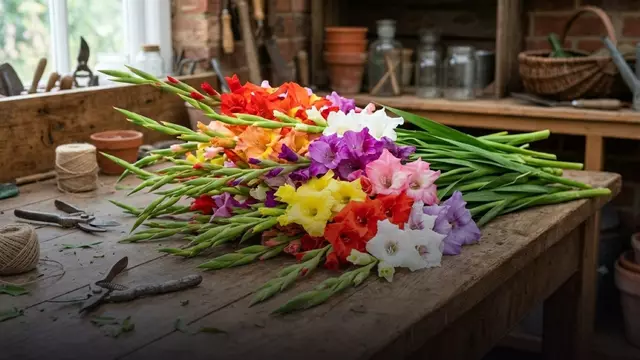
Flowers wilt when they lose water faster than their stems can replace it, causing cells to lose the pressure that keeps petals and leaves firm. In a cut bouquet, common causes include an empty vase, blocked stems, heat and ageing; in a growing plant, dry soil, damaged roots or waterlogged compost can interrupt water uptake.
The useful question is whether your flowers are temporarily dehydrated or already deteriorating. A soft leaf or drooping head may improve after careful rehydration, while a slimy stem or browning, translucent petals usually indicate damage that fresh water cannot reverse. Start by checking the vase, the stem ends and the place where the bouquet is standing.
Why flowers can wilt even when the vase contains water
Once a flower is cut, it depends on water travelling through narrow conducting tissues in its stem. Water continues to escape from leaves and petals, so the supply must keep up with that loss. A vase can look adequately filled while some shorter stems sit above the waterline, particularly in a mixed bouquet with stems cut to different lengths.
Bacteria and debris can also restrict water uptake. Leaves submerged in vase water break down, and dirty containers introduce contamination from the start. Cloudiness, an unpleasant smell or slippery stem ends are reasons to clean the vase and replace the water immediately. Clear water is useful to see, but it does not prove that the stems are taking it up effectively.
Recutting removes an old or damaged stem end and exposes a fresh surface. Use a clean, sharp tool rather than crushing the stem with blunt scissors, then return the flower promptly to water. An angled cut can help keep the end from sitting flat against the vase base, but the angle itself will not correct dirty water or advanced decay.
Heat, moving air and the room around your bouquet
A sunny windowsill may look like the right place to display flowers, yet direct sunlight can warm the bouquet and its water. Radiators, heaters and hot appliances create similar problems. Higher temperatures increase water loss and tend to speed up ageing, so choose a cooler position with indirect light and enough space around the arrangement.
Air movement matters too. A fan, an air-conditioning outlet or a persistent draught can increase evaporation from exposed petals and leaves. If the water level falls quickly or the side facing an air outlet looks tired first, move the vase and monitor it. Adding more water helps only if the stems can absorb it fast enough to replace what is being lost.
Keep the arrangement away from ripening fruit. Some fruit releases ethylene, a gas that can accelerate ageing in sensitive flowers, although varieties differ in their response. You do not need to turn a living room into specialist storage: a clean vase in a stable, cool position is a practical starting point. Our guide to indoor heat and bouquet care explores these room conditions.
Bouquets we can deliver




How to help a wilted bouquet, step by step
First, take the flowers out and inspect them individually. Remove leaves that would sit below the waterline, along with dead foliage and visibly decaying material. Discard stems that are extensively soft or slimy rather than leaving them among healthier flowers. Check whether tight wrapping is pressing against delicate heads, and loosen it enough to let you arrange the stems without bending them.
Wash the vase thoroughly and rinse away any cleaning residue. Add fresh water, then trim a small section from each stem using a clean, sharp blade or suitable secateurs. Put the stems back promptly, making sure every cut end reaches the water. If you have commercial cut-flower food, follow its dilution instructions; a stronger solution is not a shortcut to better hydration.
Leave the bouquet somewhere cool and out of direct sunlight while you assess its response over the next few hours. Some dehydrated flowers regain firmness, while others remain bent because their stems are damaged or their tissues have aged. Avoid repeatedly handling the heads to test them. If the bouquet has just arrived, see why flowers can look tired after delivery for a more focused assessment.
Recognising ageing, stem damage and problems water cannot fix
Temporary dehydration often produces soft foliage and a loss of firmness without obvious decay. Ageing is more likely when petals become papery, develop spreading brown edges or fall as the flower fades. These signs can overlap, so use several clues together. The flower's appearance, the condition of its stem and its response to fresh water tell you more than drooping alone.
A flower head can also droop because its stem has been bent, bruised or partly broken. Look for a crease or softened patch below the head. More water cannot reconnect damaged tissue. If enough healthy stem remains, you may be able to cut below the damaged point and display the flower in a smaller vase, provided the bloom itself is still in reasonable condition.
Different flowers in one arrangement will not necessarily decline together. Remove spent stems as they fade, clean up fallen petals and adjust the remaining arrangement so that every stem still reaches water. Do not judge the whole bouquet by one ageing bloom. Equally, avoid expecting every open flower to recover simply because another variety has responded well to the same care.
A simple care routine—and remedies to avoid
Check the water level every day, especially during the first day after arranging the bouquet. Top it up before any stem ends become exposed. Change the water regularly and sooner if it becomes cloudy or smells unpleasant; clean the vase at the same time. When you change the water, inspect the stem ends and recut them if needed, keeping your tools clean between uses.
Avoid adding sugar alone, household bleach mixtures, coins or several remedies at once. Sugar without appropriate microbial control can encourage bacterial growth, and improvised chemical doses can damage flowers or create a handling hazard. A correctly mixed commercial flower-food solution is easier to use consistently. If none is available, prioritise fresh water, a clean container and a suitable display position.
Do not use boiling water, ice baths or full immersion as a universal rescue method. Treatments that may suit a particular flower can harm another, and wet petals may mark or deteriorate. For potted flowers, check the compost before watering: drooping in wet soil can reflect poor root function, so adding more water may make the problem worse. Cut bouquets and rooted plants need different decisions.
Sending flowers to Russia: plan for a useful handover
When sending flowers from abroad, choose a delivery time when the recipient is likely to be available and able to put them in water. We deliver across Russia, with city delivery costing 500 RUB; an operator confirms the price for remote districts and suburbs when confirming the order. You can explore the bouquets catalogue, then contact a manager on WhatsApp for help choosing flowers and agreeing the address, timing and card text.
Express delivery in large cities is available in 1–2 hours after the order is confirmed. You can also arrange an exact time with a tolerance of plus or minus 30 minutes, choose a 09–12, 12–15, 15–18 or 18–21 window, or pre-order 1–30 days ahead. A manager can help arrange a photo of the bouquet before delivery. Online checkout uses CloudPayments; check the payment options displayed there, as acceptance of every foreign card cannot be assumed.
The courier calls the recipient about 15 minutes before arrival. If they are absent, we agree a second delivery that day or, with the sender's consent, hand the flowers to a neighbour or concierge. Delivery is anonymous by default: the courier does not name the sender. A card with your text is free, so sign it if you want the recipient to know who sent the flowers, and include a brief reminder to place them in water. Availability and timing of delivery across Russia are confirmed for the chosen city, address, date and bouquet.
Frequently asked questions
Why are my flowers wilting despite having plenty of water?
The stems may be blocked, damaged or unable to replace water lost in a hot or draughty position. Check that every stem reaches the water, clean the vase, recut healthy stems and move the arrangement somewhere cooler.
Can wilted flowers become firm again?
Flowers affected mainly by dehydration may improve after recutting and rehydration. Fresh water cannot reverse advanced ageing, rotten tissue or a badly damaged stem, so recovery depends on the cause.
Should I put sugar in flower water?
Sugar alone can encourage bacterial growth and is not a complete flower-care treatment. Use commercial cut-flower food according to its instructions, or focus on clean water, a clean vase and regular checks.
Does a drooping flower always need more water?
No: ageing, physical damage and restricted water uptake can also cause drooping. In a potted plant, wet compost combined with wilting can indicate a root problem, so check the soil before adding water.
How can I arrange flower delivery in Russia from abroad?
Choose a bouquet and contact a manager on WhatsApp to agree the delivery address, timing and card text. Online checkout uses CloudPayments; review the options shown at checkout rather than assuming that a particular foreign card will be accepted.
Ready to send flowers?
Pick the city, choose the bouquet, and a local florist takes it from there.
Choose a city →