What Does 12 Flowers Mean in Love?
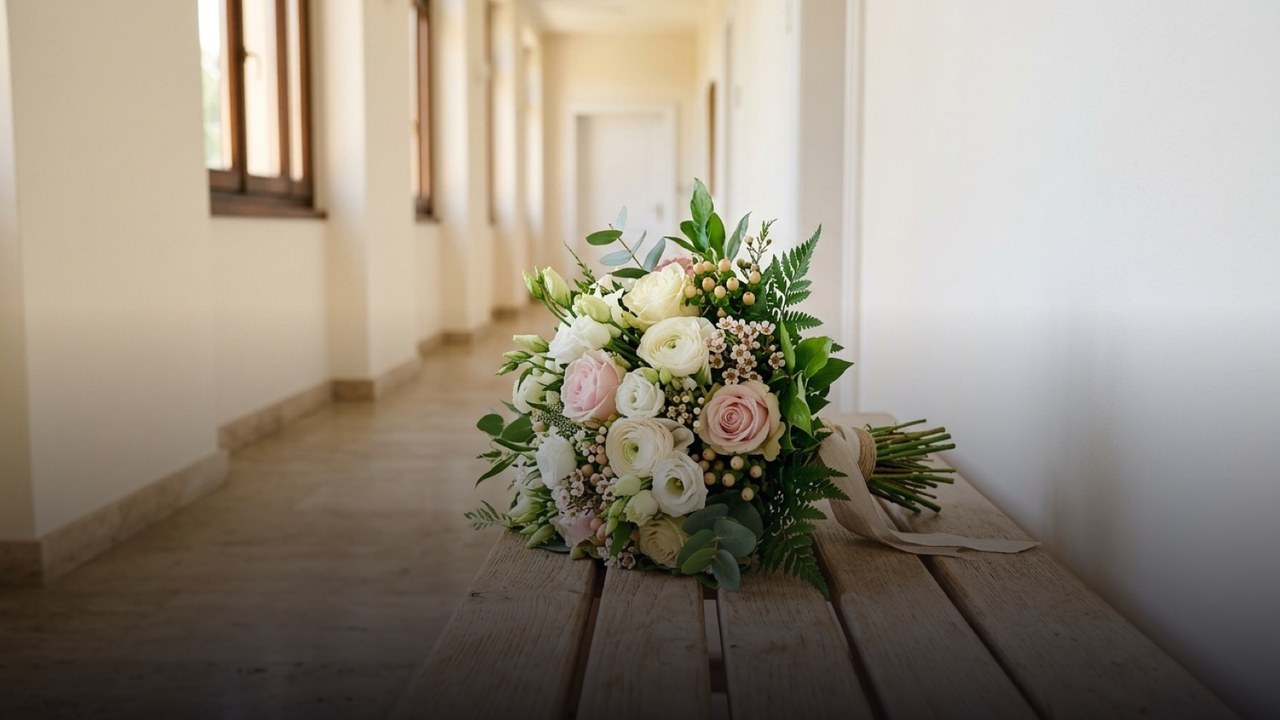
Twelve flowers, especially twelve roses, commonly express romantic love, affection and devotion in places where giving a dozen is customary. They do not carry a fixed promise of marriage or commitment: your relationship and card message give them their meaning. If you are sending flowers to Russia, choose the count carefully, because even numbers of flowers are traditionally associated with mourning.
A dozen may feel like the obvious romantic choice to you and an uncomfortable one to the person receiving it. Before choosing twelve stems, think about the recipient’s customs, their favourite flowers and what you want to say. A thoughtful bouquet should make your feelings easier to understand; the recipient should not need to decode a number or overlook an awkward cultural detail.
What a dozen flowers says about your feelings
In many English-speaking settings, a dozen roses is a familiar romantic gift. It can mark an anniversary, accompany an expression of love or simply show that you are thinking of someone. The number is sometimes explained through ideas of completeness, such as twelve months in a year, but that is a symbolic interpretation rather than a universal rule of flower giving.
Twelve flowers do not automatically mean “be mine”, “I will love you forever” or “I want to marry you”. Online lists often attach very precise messages to bouquet counts, yet your recipient may never have encountered those lists. If the distinction matters, write the words yourself. “I love the life we are building together” communicates commitment more clearly than a stem count.
The stage of your relationship also changes how a bouquet feels. For an established couple, a dozen red roses may be an easy, familiar gesture. Early in dating, that same bouquet can feel more intense than you intended. Choose flowers that suit the closeness you already share, and keep the message honest rather than asking the gift to announce feelings you have not discussed.
Why twelve flowers can be the wrong choice in Russia
In Russian flower-giving tradition, even numbers of flowers are associated with funerals and remembrance, while odd numbers are customary for happy occasions. This makes twelve a sensitive choice for a romantic delivery. Not every recipient follows the tradition equally closely, but you should not assume that someone will disregard it because a dozen represents romance where you live.
For a bouquet of individual roses or tulips, eleven or thirteen stems is a more culturally suitable choice. Neither number weakens your message of affection. If the recipient has specifically requested twelve, their expressed preference can guide you; otherwise, an odd count avoids introducing a mourning association into a birthday, anniversary or spontaneous declaration of love.
Mixed bouquets can be less straightforward to count because a branching stem may carry several flowers. There is little value in trying to calculate every small blossom from a photograph. Tell the manager that the bouquet is a romantic gift for someone in Russia and that you want the arrangement to respect odd-number etiquette, especially where the main flowers are clearly countable.
Bouquets we can deliver




Choose the flower and colour before relying on the number
Red roses are widely associated with romantic love, while pink roses often suggest affection, tenderness or admiration. These associations can help you choose a mood, but they are not strict definitions. If your partner loves pale flowers and dislikes red roses, their preference is a stronger guide than any symbolism chart. A familiar favourite shows that you have paid attention.
Twelve tulips, carnations or mixed flowers do not necessarily carry the same conventional romantic signal as a dozen red roses. Their meaning depends more on the occasion, colour and accompanying words. You can make a gentle bouquet clearly romantic with a personal card, or keep an affectionate gift relaxed by choosing the recipient’s favourite flowers and a simple greeting.
Colour also needs cultural context. Yellow flowers can suggest warmth and cheerfulness, but some Russian recipients associate them with separation. That does not make yellow unsuitable for everyone: someone who loves yellow tulips may be delighted by them. When you do not know the recipient’s view, choose a colour they already enjoy or ask for help selecting a less ambiguous combination.
Make the card and timing match the occasion
Use the card to explain the particular reason for your gift. For an anniversary, try “Another year with you, and so much more to look forward to.” For a gift without an occasion, “I was thinking of you and wanted to brighten your afternoon” is enough. One recognisable detail from your relationship is usually more meaningful than a long declaration copied from a greeting.
Flowers can accompany an apology, but they cannot do the work of one. If you have hurt someone, name what you are sorry for and avoid demanding a response. “I am sorry I let you down. I understand why you are upset” gives the gesture context. An extravagant bouquet or a supposedly meaningful number should not put pressure on the recipient to forgive you.
Think about where the person will be when the flowers arrive. A large bouquet at work may be welcome to one person and embarrassing or inconvenient to another. For a delivery to Russia from abroad, plan around the recipient’s day and local time. Agree the delivery details before arranging a surprise, and choose an occasion when they can receive and enjoy the flowers.
How to arrange a romantic flower delivery to Russia
Start with the bouquets catalogue, then decide which flowers, colours and message suit your recipient. Turboflora delivers flowers across Russia. City delivery costs 500 RUB; for remote districts and suburbs, the operator confirms the delivery price when confirming the order. If you are unsure about the stem count, raise that before confirming your choice.
Contact a manager on WhatsApp for help choosing a bouquet and agreeing the address, delivery time and card text. You can also arrange a photo of the bouquet before delivery. A card with your text is free. Delivery is anonymous by default, so the courier does not name the sender; include your name in the card if you want the recipient to know who sent it.
In large cities, express delivery is available within 1–2 hours after the order is confirmed. You can also arrange an exact time with a tolerance of ±30 minutes, select a 09–12, 12–15, 15–18 or 18–21 window, or pre-order 1–30 days ahead. Online checkout uses CloudPayments; check the payment options displayed there, as acceptance of every foreign card is not guaranteed.
The courier calls the recipient about 15 minutes before arrival, so allow for that contact when planning a surprise. If the recipient is absent, we agree a second delivery the same day or handing the flowers to a neighbour or concierge with the sender’s consent. You can review the delivery and payment information when planning the practical details.
Help the bouquet stay fresh after it arrives
Once the flowers arrive, put them in a clean vase with fresh water rather than leaving them wrapped without water while you find a place for them. Remove any leaves that would sit below the waterline, and trim the stem ends with a clean, sharp tool before arranging them. If flower food is supplied, follow its instructions instead of guessing the concentration.
Choose a position away from direct sunlight, radiators and other sources of heat. Keep the bouquet away from ripening fruit, which releases ethylene that can speed ageing in sensitive flowers. Check the water each day, top it up as needed and replace it if it becomes cloudy. Wash the vase when changing dirty water, and remove spent flowers as the bouquet ages.
Different flowers develop differently in a vase: some buds open gradually, and individual stems may fade at different times. Avoid promising your recipient a fixed vase life based on the number of flowers or their romantic meaning. The useful advice is practical care suited to the blooms they receive. Your message gives the bouquet its emotional meaning; clean water and a suitable position help them enjoy it.
Frequently asked questions
Does giving twelve flowers mean “I love you”?
It can, particularly when the gift is a dozen red roses in a culture where that is a familiar romantic gesture. The meaning is not automatic, so a personal card is the clearest way to express your feelings.
Is it appropriate to send twelve roses to someone in Russia?
For a romantic occasion, an odd count such as eleven or thirteen is generally more appropriate. Even numbers of flowers are traditionally associated with mourning in Russia, although individual preferences vary.
Do twelve flowers mean a proposal or lifelong commitment?
There is no universal rule that gives twelve flowers either meaning. If you intend to make a promise or propose, express that directly rather than relying on bouquet symbolism.
Can a bouquet be romantic without red roses?
Yes: the recipient’s favourite flowers and a thoughtful message can make a bouquet deeply personal. Choose a colour and style they enjoy, with a stem count appropriate to their customs.
Will the recipient know who sent the flowers?
Turboflora delivery is anonymous by default, and the courier does not name the sender. If you want to be identified, add your name to the free card with your message.
Ready to send flowers?
Pick the city, choose the bouquet, and a local florist takes it from there.
Choose a city →