Birthday Flowers for Russia: Varieties, Budgets and Cultural Rules
Sending flowers to someone in Russia for their birthday feels like a generous, universally understood gesture — and it is. But spend even a few years behind a flower counter in Saint Petersburg and you quickly learn that not every bouquet lands the way you intend. The wrong color, the wrong count, or a bloom that wilts before the doorbell rings can quietly undermine what should be a moment of joy. This guide walks you through the choices that genuinely work, the varieties that travel well across Russian distances, and the customs that are easy to get wrong if no one has told you about them.
The Golden Rule: Always Send an Odd Number of Flowers
This is the single most important piece of cultural knowledge for anyone ordering flowers in Russia. Even numbers of flowers — two roses, four stems, six tulips — are associated with funerals and mourning. An even-numbered bouquet at a birthday celebration is not just unusual; it is genuinely unsettling for most Russian recipients. The rule applies regardless of the type of flower, the occasion, or the recipient's age. Always choose an odd count: three, five, seven, nine, eleven, and so on. Experienced florists in Russia follow this instinctively, but when you are ordering remotely or customizing a bouquet online, it is easy to accidentally select an even quantity without realizing the cultural weight it carries. The good news is that this rule is simple to follow once you know it, and it costs nothing to get right. If you are ordering a large, lush arrangement where individual stems are not easily counted, the rule becomes less critical — a dense mixed bouquet of forty stems in a box, for example, reads as abundance rather than a countable number. But for classic hand-tied bouquets, especially roses, always double-check the stem count before confirming your order. One extra stem is all it takes to turn a potential awkward moment into a confident, culturally respectful gift.
Bouquets we can deliver

Roses: Still the Safest and Most Beloved Choice
Roses remain the dominant birthday flower in Russia, and for good reason. They are universally understood as a celebration flower, they are available year-round from reliable growing regions, and they come in enough variety to suit almost any recipient. For birthdays, red roses carry a strong romantic connotation, so unless you are sending them to a romantic partner, consider branching out. Cream and ivory roses such as Avalanche and White O'Hara read as elegant and celebratory without romantic overtones. Peach and apricot tones — varieties like Toffee or Caramel Antike — feel warm and personal, making them excellent for friends, colleagues, and family members. Pink roses in shades from soft blush to deep magenta are broadly safe and widely appreciated. Garden roses, which have a fuller, more layered bloom than standard hybrid tea roses, have become increasingly popular in Russian cities over the past decade. O'Hara, Yves Piaget, and David Austin varieties photograph beautifully and feel more considered than a standard stem rose. One practical note: roses are sensitive to temperature swings. In Russian winters, when outdoor temperatures in cities like Saint Petersburg can drop to minus fifteen or colder, a properly insulated delivery box is essential. A bouquet exposed to freezing air for even five minutes can develop dark, water-soaked petals that are impossible to reverse. Always confirm your delivery service handles cold-weather transport correctly.
Seasonal Flowers That Russians Actually Love
Beyond roses, several flowers have genuine cultural resonance in Russia and make excellent birthday choices when they are in season. Peonies are perhaps the most beloved summer flower in the country. From late May through July, fresh peonies from domestic and European growers flood the market, and a bouquet of Sarah Bernhardt or Coral Charm peonies is met with real delight. They are lush, fragrant, and feel festive without being formal. Tulips are the flower of early spring celebrations in Russia, strongly associated with March and the weeks around International Women's Day, but they remain a perfectly appropriate birthday flower through April. Choose double tulips like Angelique or Danceline for a more substantial, peony-like look. Chrysanthemums are worth a careful word here. Single-stem spray chrysanthemums are widely used in Russia and are not considered a mourning flower in the way they are in some Southern European cultures. Large-headed disbud chrysanthemums in white, however, do appear in funeral contexts more often, so for birthdays it is better to choose vibrant colors: deep burgundy, bright yellow, or vivid purple. Eustoma, known in the West as lisianthus, is a reliable year-round choice. Its ruffled, poppy-like blooms come in white, purple, and pink, and it holds exceptionally well in transit — an important quality when flowers need to travel across a city or between Russian regions within a two-hour window.
Flowers and Colors to Approach With Care
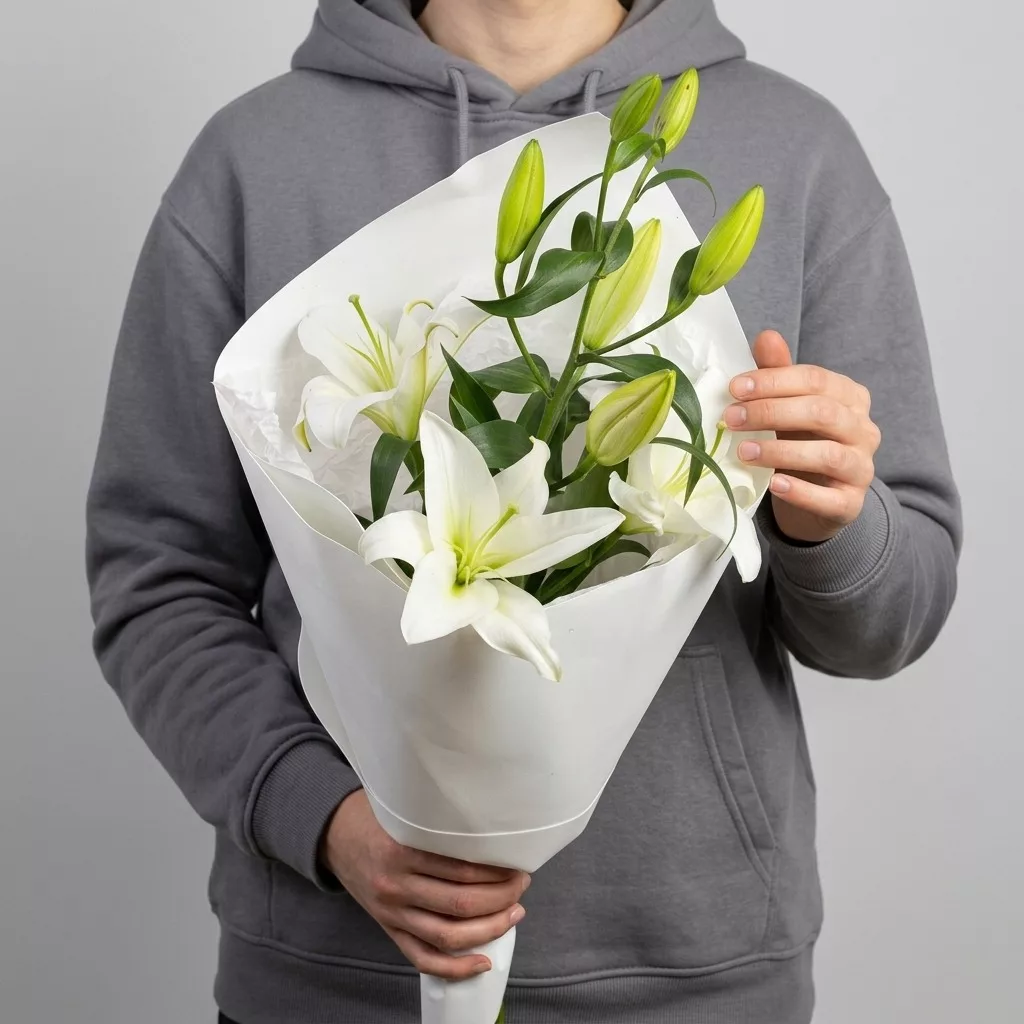
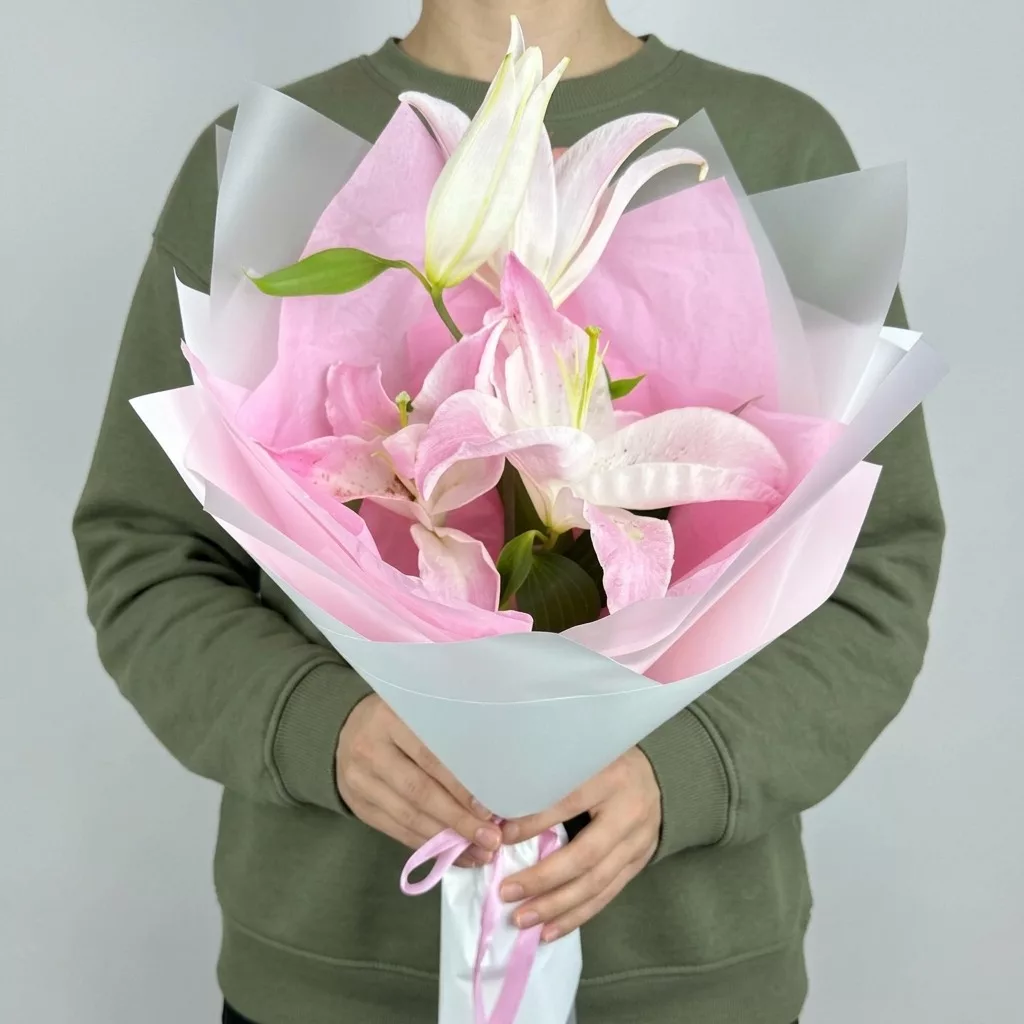
Some flowers and color choices require a moment of thought before you commit. Pure white bouquets are not universally problematic in Russia — white roses and white eustoma appear at celebrations regularly — but an entirely white arrangement with no color accent can feel cold or ceremonial to some recipients, particularly older generations. Adding a ribbon in a warm color or mixing in one contrasting bloom is an easy solution. Yellow flowers occupy complicated cultural territory. There is a persistent belief among older Russians that yellow flowers, particularly yellow roses, signal a breakup or the end of a relationship. This is not a universal view, and younger urban Russians often dismiss it entirely, but if you do not know your recipient well or are sending to someone over fifty, it is safer to avoid pure yellow bouquets. A mixed arrangement that includes yellow as one element among several colors is generally fine. Lilies are a beautiful and popular choice, but they come with one practical concern: the pollen from open lily stamens stains fabric permanently and can be dangerous to cats. Many florists remove the stamens before delivery, but it is worth confirming this when you order. Oriental lilies like Stargazer are also intensely fragrant, which some people find overwhelming in a small apartment. Asiatic lilies, which are unscented, are a gentler alternative. Avoid flowers with very short vase lives if you know the recipient will be away from home for part of the day — anemones, for example, are stunning but need water quickly.
Putting Together a Bouquet That Feels Considered
A single-variety bouquet done well — eleven identical garden roses, or nine peonies at the same stage of opening — always looks intentional and polished. But a well-composed mixed bouquet can feel even more personal if the flowers are chosen with purpose rather than assembled at random. A useful structure is to anchor the arrangement with one or two primary flowers, add a secondary bloom for texture and volume, and finish with greenery or a filler flower. For example: seven cream Avalanche roses as the anchor, five stems of white eustoma for texture, and eucalyptus or ruscus as greenery. Or five coral peonies with seven stems of dusty miller and a few sprigs of waxflower. When choosing colors, think about whether you are aiming for harmony or contrast. Monochromatic arrangements in shades of blush, dusty rose, and mauve feel soft and romantic. High-contrast combinations — deep burgundy with bright white and forest green — feel bold and celebratory. Avoid mixing too many unrelated colors without a clear logic; bouquets that use every color available tend to look busy rather than generous. Packaging matters more than many people realize. In Russia, flowers are commonly wrapped in kraft paper, fabric, or a structured box. A beautifully wrapped bouquet signals care and attention before the recipient even sees the blooms. If you are sending flowers to an office or a public place, a boxed arrangement travels more discreetly and is easier for the recipient to carry.
Timing, Delivery, and Keeping Flowers Fresh
Timing a birthday flower delivery well is as important as choosing the right blooms. In Russia, it is considered thoughtful to have flowers arrive at the start of the celebration — before guests arrive, or first thing in the morning if the birthday is a workday. A delivery that arrives after the party has already ended still carries meaning, but loses some of its impact. When ordering for same-day delivery in a city like Saint Petersburg, confirm the latest possible order cutoff time, especially if the birthday falls on a public holiday. Russian public holidays sometimes affect logistics even when shops remain technically open. Once the flowers are received, a few simple steps extend their life significantly. Recut the stems at a forty-five-degree angle under running water before placing them in a clean vase. Remove any leaves that would sit below the waterline, as submerged foliage decays quickly and clouds the water. Change the water every two days and keep the bouquet away from direct sunlight, heating vents, and fruit bowls — ethylene gas released by ripening fruit accelerates petal drop noticeably. In the dry, centrally heated apartments common across Russian cities in winter, flowers benefit from a light misting of the petals in the morning. Roses and eustoma typically last seven to ten days under good conditions. Peonies in full bloom last four to six days but are so spectacular at their peak that most recipients consider this a fair trade.
Sending birthday flowers to someone in Russia does not require deep expertise, but it does reward a little knowledge. Get the stem count right, choose a variety that travels well, pay attention to color associations, and make sure the delivery timing feels intentional rather than incidental. Whether you choose a classic arrangement of garden roses or a seasonal bouquet of peonies at the height of summer, the gesture itself is always understood. The details simply make it land better.
Frequently asked questions
Is it really true that even numbers of flowers are bad luck in Russia?
Yes, this is a genuine and widely held cultural belief. Even numbers of flowers are associated with mourning and are typically brought to funerals. For any celebratory occasion, including birthdays, always choose an odd number of stems. Most Russian florists follow this rule automatically, but it is worth verifying when you customize an order.
Can I send yellow roses for a birthday in Russia?
You can, but it carries some risk depending on your recipient. Among older generations, yellow roses are often associated with separation or the end of a relationship. Younger Russians in major cities tend to dismiss this, but if you are unsure of your recipient's age or outlook, choosing a different color or using yellow as one element in a mixed bouquet is the safer approach.
What is the best flower to send in winter when temperatures are very low?
Roses, eustoma, and spray chrysanthemums are all reliable winter choices because they tolerate handling and brief cold exposure better than more delicate blooms. The key factor is not just the flower variety but how the bouquet is packaged and transported. Proper insulation during the last-mile delivery is essential in Russian winters.
Are peonies available year-round for birthday deliveries in Russia?
Peonies have a natural season running roughly from late May through July in Russia. Outside this window, imported peonies are sometimes available but at reduced quality and higher cost. If a birthday falls outside the summer months and peonies are important to you, ask your florist about current availability rather than assuming they are in stock.
How many days in advance should I order birthday flowers for delivery in Russia?
For same-day delivery within Saint Petersburg and other major Russian cities, ordering a few hours ahead is usually sufficient. For specific rare varieties, a custom color palette, or delivery to a smaller city, placing your order one to two days in advance gives the florist time to source exactly what you need and ensures nothing is substituted at the last moment.
Ready to send flowers?
Pick the city, choose the bouquet, and a local florist takes it from there.
Choose a city →