How to Help Cut Flowers When Their Vase Water Freezes
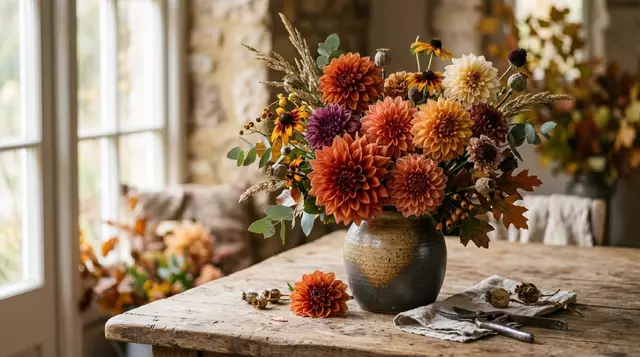
If vase water freezes around cut flower stems, move the vase away from the cold and let the ice melt gradually in a cool indoor room. Keep the stems still, avoid hot water or direct heat, and wait until they are completely free before lifting them out. Then inspect the vase and flowers, trim sound stems and transfer the usable flowers to a clean vase with fresh water.
Whether you can save the arrangement depends on what froze and how much damage appears after thawing. Ice in the vase does not tell you exactly what happened inside each stem, and a flower that looks firm while frozen may soften later. Treat the bouquet gently and assess individual stems before deciding whether to keep, shorten or discard them.
Let the ice melt without pulling the stems
Set the vase on a waterproof tray in a cool room, away from radiators, fireplaces, heated floors and strong sunlight. If it is stuck to a frozen surface, do not wrench it loose. Keep the arrangement supported and let the ice release naturally; pulling can damage both the stems and the vessel. Keep children and pets away while you check for broken glass.
Do not pour boiling or hot water into the vase, immerse a frozen glass vessel in hot water, or use a hairdryer to speed things up. Sudden temperature changes can crack glass, and concentrated heat can harm the flowers. Avoid chipping the ice with a knife or spoon: you cannot reliably see where every stem lies beneath it.
Wait until the ice surrounding the stems has melted completely before separating the flowers. There is no useful universal thawing time: a thin surface crust and a solid block of ice behave differently. If you see a crack or a leak, leave the vase supported on its tray, handle it cautiously and move the flowers into another vessel once they are free.
Check what has actually been damaged
Once the flowers have thawed, look along each stem rather than judging only the flower head. Check for split skin, sharply bent sections, translucent patches and tissue that feels soft or collapses under gentle handling. Also inspect leaves and petals. Areas that become watery, brown or limp after thawing may have suffered damage that fresh water cannot repair.
Separate visibly damaged stems from those that remain firm. A drooping head alone is not a precise diagnosis: flowers can droop when their water supply is interrupted, but freezing can also injure the tissues themselves. Keep your assessment practical. A firm stem with an intact bloom is a better candidate to retain than one with a mushy section supporting the flower.
Do not assume that every flower in a mixed bouquet will respond alike. Exposure can differ within the same arrangement, and outward damage may become clearer over the next several hours. Take a photograph if you want to compare changes later, then give the flowers space so you can inspect them without repeatedly squeezing stems or brushing fragile petals.
Bouquets we can deliver




Reset the flowers in a clean vase
Prepare a clean, undamaged vase before you lift out the thawed arrangement. Wash it thoroughly, rinse away detergent and add fresh water at a moderate temperature. You do not need hot water as a rescue treatment. Our guide to the best water temperature for cut flowers explains the everyday choice once the immediate freezing problem has passed.
Using a clean, sharp cutting tool, remove the old end of each usable stem and make the new cut through firm tissue. If damage is confined to the bottom, shortening the stem above that area may let you keep the flower in a smaller vase. If soft or split tissue continues far up the stem, or the bloom itself has collapsed, trimming the base is unlikely to solve the problem.
Remove leaves that would sit below the waterline, then place the trimmed stems in water promptly. If you have a sachet of cut flower food, follow its dilution instructions; do not make a stronger solution in the hope of reversing freezing damage. For help with the cut itself, see why you should cut flower stems before putting them in water.
Decide what to keep over the following day
Keep the reset bouquet somewhere with a stable indoor temperature and indirect light. Check it after several hours and again the following day. Some flowers may look better once their water supply resumes, while injured areas may continue to deteriorate. Use those visible changes to guide your decision; there is no reliable home treatment that guarantees recovery after freezing.
Remove flowers that develop collapsing stems, spreading soft patches or badly deteriorating heads. Keep checking the water as well: cloudiness, an unpleasant smell or loose plant debris calls for cleaning the vase and replacing the water. Our advice on how often to change vase water can help you establish a routine for the flowers you retain.
A smaller arrangement is often the most practical result. Short, sound stems can sit in a lower vase, and removing ruined leaves can make the remaining flowers easier to arrange. Keep water below any damaged tissue you have retained above the waterline, but discard a stem if it cannot support its bloom. You do not need to preserve the original height or shape at the expense of the usable flowers.
Prevent another freeze at the window or during a move
Look at where the vase was standing when the water froze. Move it away from an unheated porch, enclosed balcony, draughty entrance or cold window ledge. A room can feel comfortable where you sit while the space beside the glass becomes much colder overnight. Keep flowers and leaves from resting against a cold pane, and choose an interior surface away from both cold draughts and heaters.
If you are moving the bouquet between buildings, prepare its destination first so you can take it straight indoors. Avoid leaving a water-filled vase in a parked car or an unheated waiting area. Secure the vessel against tipping, keep the journey as brief as practical and support the flowers so their heads are not pressed against cold surfaces. Wrapping alone is no guarantee against freezing.
For flowers sent as a gift, timing matters as much as the message on the card. Agree a handover when someone can bring the bouquet indoors promptly, especially if the recipient is travelling or the building entrance is unheated. If the arrangement has already frozen, tell the recipient what happened and pass on the thawing steps. That gives them useful care information without promising that every stem will recover.
Arrange a flower delivery in Russia with a clear handover
If you are abroad and want to send another bouquet, Turboflora delivers flowers across Russia. City delivery costs 500 RUB; for remote districts and suburbs, the operator confirms the price when confirming the order. You can review delivery and payment information and contact a manager on WhatsApp for help choosing a bouquet and agreeing the address, timing and card text.
In large cities, express delivery is available within 1–2 hours after order confirmation. You can also arrange an exact time within a ±30-minute margin, choose a 09–12, 12–15, 15–18 or 18–21 window, or pre-order 1–30 days ahead. The courier calls the recipient about 15 minutes before arrival. Choose a time that lets the recipient take the flowers indoors promptly.
If the recipient is absent, we agree a second delivery the same day or, with the sender's consent, hand the flowers to a neighbour or concierge. Delivery is anonymous by default: the courier does not name the sender, so include your name in the free card if you want it known. A manager can also help with a photo of the bouquet before delivery. Online checkout uses CloudPayments; check the payment options shown there for your card.
Frequently asked questions
Should I pull flower stems out of partly frozen vase water?
Wait until the ice around them has melted completely. Pulling or twisting stems while they are trapped can tear or break them.
Can hot water save flowers that have frozen?
Hot water does not repair freezing damage and can add heat injury or crack a cold glass vase. Let the ice melt gradually, then move usable stems into fresh water at a moderate temperature.
Does frozen vase water mean the whole bouquet is ruined?
You cannot judge the whole bouquet from the ice alone. Inspect each flower after thawing, keeping firm stems and removing those with collapsing or mushy tissue.
How long should I wait before deciding whether the flowers survived?
Assess them once thawed, then check again after several hours and the following day. Remove clearly deteriorating flowers as you find them; there is no fixed recovery deadline that applies to every bouquet.
Can I save a flower by cutting off the frozen part of its stem?
If damage is limited to the lower stem and firm tissue remains above it, shortening the stem may let you keep the flower. Cutting cannot restore a bloom or upper stem that has itself been badly damaged.
Ready to send flowers?
Pick the city, choose the bouquet, and a local florist takes it from there.
Choose a city →