What to Do When Only Some Stems in Your Bouquet Are Wilting
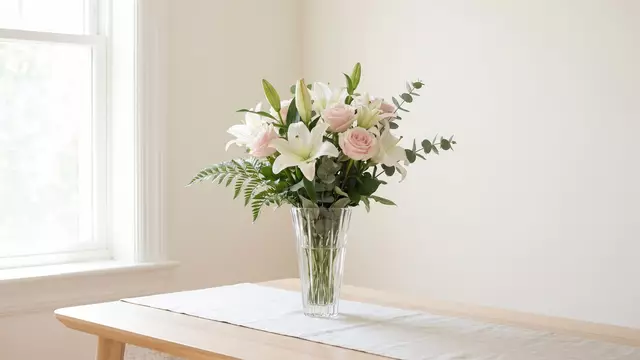
If only some stems in your cut flower bouquet are wilting, lift those stems out and check them individually, then refresh the water and clean the shared vase. Recut and hydrate stems that are still firm and sound in a separate clean container; remove flowers with mushy stems or obvious decay. Keep the healthy flowers while you assess whether the drooping ones recover.
A mixed bouquet does not necessarily fade evenly: different flowers, and even individual stems, can decline at different times. A drooping head alone does not tell you whether a flower needs water, has a damaged stem or has reached the end of its vase life. The useful distinction is between a sound stem worth trying to revive and a deteriorating one that should leave the arrangement.
Check the affected stems before treating the bouquet
Put the vase on a stable surface and identify exactly what has changed. Is the whole flower leaning, is its neck bent just beneath the bloom, or are only the petals becoming limp? Compare the affected stem with a healthy one of the same type if there is one. Look at the stem base as well as the flower head: the visible droop may begin with a problem below the waterline.
Gently feel the stem without squeezing it. A firm stem with limp petals may be worth rehydrating; a crushed section or sharp crease suggests physical damage. A soft, slimy or collapsing base is a reason to remove the stem from the shared water immediately. Mould or wet, spreading decay on the flower head also calls for removal rather than an attempt to disguise the damage.
Check whether the affected stems actually reach the water. In an uneven arrangement, shorter stems can sit above the surface while longer ones remain submerged. A tight tie can also make inspection difficult, so loosen it carefully if needed, supporting the flowers as you work. Take a quick photo first if you want to rebuild the original shape after checking each stem.
Refresh the shared vase, even if most flowers look healthy
Move the healthy stems into a clean temporary container while you empty the vase. Wash the vase with washing-up liquid, paying attention to residue at the bottom and around the waterline, then rinse it thoroughly. Simply topping up old water leaves that residue in place. Cloudiness, floating plant matter or an unpleasant smell are clear reasons to clean everything before putting flowers back.
Refill with fresh water and add cut-flower food if you have it, following the packet's dilution instructions. Measure the water rather than guessing how much a sachet needs; a stronger mixture is not a better treatment. If no flower food is available, use clean water and keep it fresh. Avoid experimenting with sugar, bleach or a mixture of household remedies in the bouquet's vase.
Remove leaves that would sit below the waterline, including loose leaves trapped between stems. Keep enough water in the vase to cover every stem base, then check the level daily and replace the water whenever it becomes dirty. For healthy stems, make a fresh cut if the base has dried out or looks damaged. The priority is clean water and unobstructed contact with it, rather than repeatedly shortening every flower.
Bouquets we can deliver




Give sound but wilted stems a separate recovery attempt
Use a clean, sharp tool to take a small section off the base of each sound but drooping stem, cutting above a dried or damaged end. Avoid crushing the stem with blunt scissors, and place it promptly into a separate clean vase with fresh water. Keep the bloom above the water. Separating these stems lets you observe them without repeatedly disturbing the flowers that are still holding their shape.
Leave the recovery vase in a cool part of the room, away from direct sun, radiators and strong airflow. Allow several hours before judging the result, checking whether the head lifts or the petals feel firmer. Improvement is possible when water uptake was the problem, but it is not assured. Repeated cutting every few minutes will shorten a stem without giving you a useful answer.
Skip boiling water, singeing stem ends and soaking the entire flower head as general rescue methods: treatment needs can differ between flowers. A sharply folded or split stem may remain unable to support its bloom even after a fresh cut. If the damage is low enough, you may be able to cut above it and display the flower in a shorter vase. Our guide to bent stems explains how to assess that damage.
Decide what to return, shorten or remove
Return a treated stem to the main bouquet only if it has regained some firmness and shows no softening or decay. If it still droops but remains clean and firm, you can leave it separately a little longer. A flower that continues to collapse, develops a slimy base or begins to decay should be removed. Keeping it hidden behind healthy blooms makes the arrangement harder to inspect and care for.
Petals and leaves provide useful clues, but they need context. One bruised outer petal does not mean that the entire stem is dying; remove a loose, damaged petal gently if it comes away without tearing sound tissue. Widespread browning, shedding and loss of structure are a different situation. Rehydration cannot reverse visibly dead tissue, even if the stem takes up water again.
Once you remove a few flowers, choose a vase that suits the remaining stems. A narrower opening can help a smaller arrangement hold its shape without forcing stems into a tight bundle. Alternatively, divide the sound flowers between two small containers and shorten them to balanced heights. For more on keeping a reduced arrangement presentable, see how to save the rest when some stems are dying.
Adjust the display and watch for a pattern
If several stems wilt again after the refresh, look at the bouquet's position and water level before repeating the same treatment. A sunny windowsill or a spot beside a heater can make care more difficult, especially when the vase empties unnoticed. Move the flowers away from direct heat and sunlight, and check that the arrangement is not leaning against a hot surface or sitting in a strong draught.
Notice which flowers are affected. If just one type is fading while the others remain firm, the arrangement may simply be reaching different stages of vase life. If several unrelated stems decline together, recheck the shared water, submerged foliage and whether all cut ends are immersed. These observations help you choose the next step, although appearance alone cannot establish the exact cause of wilting.
Keep the maintenance simple: check water daily, clear fallen material and inspect any newly drooping stem. Avoid rearranging the bouquet each time you pass it, as repeated handling can bruise petals and bend stems. You can also take a photo at the same time each day to judge whether a questionable flower is improving. Judge progress by its condition rather than expecting every bloom to last equally long.
If you sent the bouquet to someone in Russia
When you are abroad and the recipient mentions a few drooping flowers, ask for a photo of the whole bouquet and a closer view of the affected stems and vase water. Suggest a clean vase and separate assessment first; there is no need to ask them to discard every healthy flower. If you need to discuss the bouquet with us, contact a manager on WhatsApp and describe what the recipient can see.
If you decide to send another bouquet, you can choose from our bouquets catalogue. We deliver across Russia; city delivery costs 500 RUB, while the operator confirms the price for remote districts and suburbs when confirming the order. A manager can help you choose a bouquet, agree the time, address and card text, and arrange a photo of the bouquet before delivery. A card with your text is free.
For a recipient's schedule, express delivery in large cities is available within 1–2 hours after order confirmation. You can also choose an exact time with a tolerance of 30 minutes either way, a delivery window of 09–12, 12–15, 15–18 or 18–21, or pre-order 1–30 days ahead. The courier calls about 15 minutes before arrival. Online checkout uses CloudPayments; check the payment options displayed there when placing your order. Check our delivery information; confirm the timing for your order.
Frequently asked questions
Should I throw away the whole bouquet if only two flowers are wilting?
Keep the healthy flowers and assess the wilted stems separately. Clean the vase and refresh the shared water, removing any stem with a mushy base or obvious decay.
Can I leave wilted flowers in the vase while I wait for them to recover?
A separate clean container makes recovery easier to monitor and keeps deteriorating tissue out of the main vase. Only attempt rehydration with stems that remain sound and free from decay.
How long should I wait after recutting a drooping stem?
Give it several hours in fresh water, away from direct sun and heat, then check for improved firmness. There is no universal recovery time, and an ageing or damaged flower may not recover.
Why are the shortest stems wilting first?
Check whether their cut ends reach the water, especially if the water level has fallen. Short stems can remain supported by the arrangement while sitting above the water surface.
Does uneven wilting mean the recipient cared for the bouquet incorrectly?
Uneven wilting alone does not establish a cause. Different flowers can fade at different times, so inspect the affected stems and shared vase conditions before drawing a conclusion.
Ready to send flowers?
Pick the city, choose the bouquet, and a local florist takes it from there.
Choose a city →