How to Write a Flower Card in Russian: Real Phrases with Transliteration
You have chosen a stunning bouquet — perhaps deep-red velvet roses, a cloud of white eustoma, or a cheerful spray of yellow solidago — and now you are staring at a blank card wondering what on earth to write. If the recipient lives in Russia and Russian is their first language, a message in Russian, even a short one, lands completely differently than one in English. It feels personal, considered, and warm. This guide gives you ready-to-use phrases with transliteration so you can sound like you meant every word, because you did.
Why the Card Matters as Much as the Flowers
In Russian culture, flowers are rarely given without a word attached. Walk into any celebration in Saint Petersburg — a birthday, a graduation, a first date — and you will notice that even the most stoic guest hands over a bouquet with at least a murmured phrase. The written card carries that same weight when the delivery arrives at the door instead of you.
As working florists, we see the full picture: we pack the bouquet, tuck in the card, and hand it to the courier. Bouquets of garden roses or peonies in season look extraordinary for about four to six hours at room temperature before they start to soften. Our drivers move fast precisely because timing matters. But when the recipient opens the door and reads a card that speaks to them in their own language, the emotional impact outlasts the freshness of any flower.
A blank card or a generic printed slip feels like an afterthought. A handwritten or carefully typed phrase in Russian signals effort. It tells the recipient that someone thought about them specifically, not just clicked a button. Russian readers notice the difference immediately.
You do not need to be fluent. You do not need perfect grammar. A single sincere line in Russian, written phonetically if necessary, is worth more than a paragraph of polished English that the recipient has to translate in their head. Think of the card as the final centimetre of a journey your flowers are already making across the city.
Bouquets we can deliver


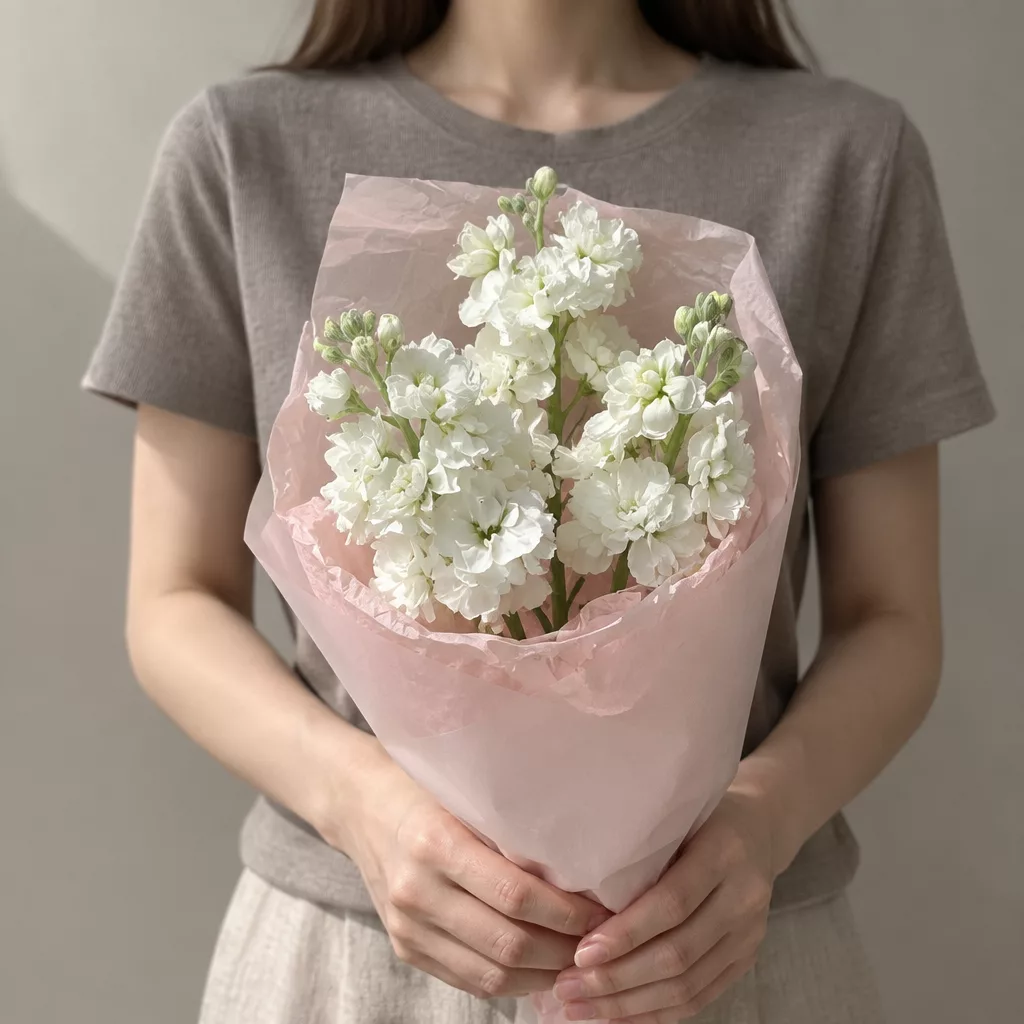
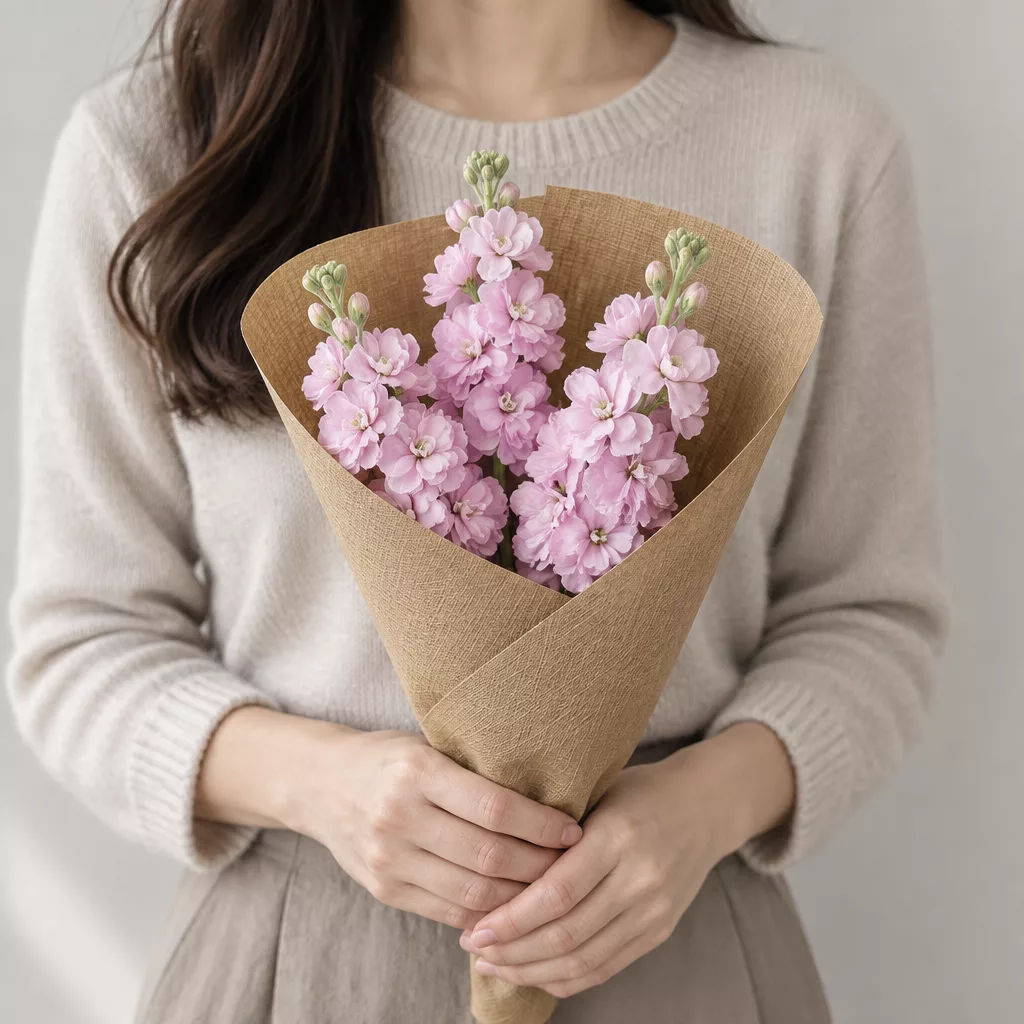
Birthday and Celebration Phrases
The most common occasion we deliver for is a birthday, den rozhdeniya in Russian. The standard greeting is С днём рождения, transliterated as S dnyom rozhdeniya, which means simply Happy Birthday. It is warm, universally understood, and always appropriate whether the recipient is turning seven or seventy.
If you want to add a wish, try these phrases:
Желаю тебе счастья и здоровья — Zhelayu tebe schastya i zdorovya — I wish you happiness and health. This is a classic combination in Russian well-wishing. Health is mentioned almost reflexively in Russian greetings; leaving it out can feel slightly incomplete to a native ear.
Пусть сбываются все мечты — Pust sbyvayutsya vse mechty — May all your dreams come true. This works beautifully for milestone birthdays or for someone going through a big life change.
Ты особенный человек — Ty osobennyy chelovek — You are a special person. Simple, direct, hard to misread.
For formal recipients, such as a colleague, a boss, or someone you do not know well, switch тебе to вам, which is the polite plural you: Желаю вам счастья и здоровья — Zhelayu vam schastya i zdorovya.
A practical florist note: for birthdays we often suggest sunflowers, bright gerberas, or mixed seasonal bouquets. These varieties tolerate transport well and arrive looking full and upright. Pair a vivid bouquet with a warm, personal card and the combination does real emotional work.
Romantic and Valentine's Day Messages
Russian romantic language is direct in a way that can surprise people from cultures where feelings are often softened or implied. Russians tend to say exactly what they mean, and a love card is no exception.
Я тебя люблю — Ya tebya lyublyu — I love you. Three words, enormous weight. This is not casual; use it when you mean it fully.
Ты моё счастье — Ty moyo schastye — You are my happiness. This is tender and slightly poetic without being melodramatic.
С тобой мне хорошо — S toboy mne khorosho — I feel good when I am with you. This one is understated and genuine, which Russians often appreciate more than grand declarations.
Будь моей — Bud moyey — Be mine. This works on Valentine's Day cards and has a playful, classic feel.
Для тебя, с любовью — Dlya tebya, s lyubovyu — For you, with love. A closing line that works on its own or paired with any of the above.
For romantic deliveries, red roses remain the undisputed classic in Russia, just as they are everywhere. Long-stemmed varieties with tight buds travel best because they open gradually after arrival, giving the recipient the experience of watching them bloom. Spray roses in blush or deep burgundy also work well and stay fresh longer in warm apartments. Whatever the variety, a romantic card in Russian makes the gesture feel complete and intentional, not assembled from a template.
Congratulations for Graduations, Promotions and New Arrivals
Russia has strong traditions around life milestones, and flowers are expected at almost all of them. Knowing the right phrase for each situation saves you from sending a birthday message to someone who just defended their university thesis.
For graduation: Поздравляю с окончанием учёбы — Pozdravlyayu s okonchaniem uchyoby — Congratulations on finishing your studies. You can also say Ты справился — Ty spravilsya (masculine) or Ты справилась — Ty spravilas (feminine) — You did it.
For a promotion or professional achievement: Поздравляю с успехом — Pozdravlyayu s uspekhom — Congratulations on your success. Or the warmer Ты это заслужил — Ty eto zasluzhil (masculine) / Ты это заслужила — Ty eto zasluzhila (feminine) — You deserved this.
For a new baby: С рождением малыша — S rozhdeniem malysha — Congratulations on the birth of your little one. This is the standard phrasing. If you know the gender, you can say малышки for a girl.
For housewarming: С новосельем — S novoseliem — Congratulations on your new home. This is a fixed phrase Russians use immediately and it always lands warmly.
Note on gender endings: Russian adjectives and past-tense verbs change depending on whether the subject is male or female. When in doubt, you can use the gender-neutral noun forms above and avoid the issue entirely. Our team is always happy to help you get the phrasing right before your order is packed.
Thank You and Apology Messages
Gratitude and apology are two of the most emotionally loaded situations for a flower delivery, and getting the words right matters enormously.
For thank you: Спасибо тебе от всего сердца — Spasibo tebe ot vsego serdtsa — Thank you from the bottom of my heart. The phrase ot vsego serdtsa, literally from the whole heart, is a common and genuine-sounding expression in Russian. It is not considered over the top.
A simpler version: Я очень благодарен — Ya ochen blagodaren (masculine) or Я очень благодарна — Ya ochen blagodarna (feminine) — I am very grateful.
For apologising: Прости меня — Prosti menya — Forgive me. Direct and sincere. Russians do not typically soften apologies with elaborate preambles; a direct Prosti menya followed by a beautiful bouquet is considered a complete and honest gesture.
Извини, я был неправ — Izvini, ya byl neprav (masculine) / Извини, я была неправа — Izvini, ya byla neprava (feminine) — Sorry, I was wrong. This takes courage to write and recipients recognise that.
Flower choice matters here too. White flowers carry connotations of sincerity and peace in Russian culture. White chrysanthemums, white alstroemeria, or white tulips in season are all appropriate for apology bouquets and stay fresh well even during longer delivery windows. Avoid all-red for an apology as it reads as romantic rather than remorseful. A warm card paired with the right palette does the emotional heavy lifting before a single word is spoken.
Common Mistakes to Avoid When Writing in Russian
Even well-intentioned messages can misfire if a few key customs are ignored. Here is what our florists see go wrong most often.
Mixing formal and informal address. Russian has two forms of you: ты (ty) for people you know well, and вы (vy) for formal relationships. Sending вы to your best friend sounds cold; sending ты to your boss sounds presumptuous. When in doubt, use вы. It is always safer.
Forgetting gender agreement. As mentioned, Russian verbs and adjectives change form. Saying Ты справился to a woman is a small but noticeable error. If you are unsure of the gender, stick to fixed phrases and nouns rather than adjectives.
Using translation apps without checking. Machine translations of emotional phrases are often technically correct but tonally flat or awkward. The phrases in this article have been chosen because they sound natural to a native ear, not just grammatically passable.
Writing too much. Russian card culture favours brevity. A single well-chosen line outperforms three translated paragraphs. Flowers speak; the card punctuates.
Ignoring the occasion. С днём рождения on a graduation card, or С новосельем on a romantic delivery, creates a confusing first impression. Match the phrase to the moment.
Finally, do not worry about handwriting in Cyrillic if you cannot manage it. Typing in Latin transliteration is perfectly acceptable, and recipients will read it without difficulty. What matters is that the message is real, specific to them, and sent with the flowers while they are still at their best — which, with our one-to-two hour delivery window, they absolutely will be.
A beautiful bouquet of fresh flowers is already a generous act. Adding a card in Russian transforms it into something the recipient will remember long after the last petal has fallen. You do not need to be a linguist or a poet. You need one honest phrase, written in their language, arriving with flowers that are still cool and fragrant from our care. That combination — the right words and the right blooms at the right moment — is what Turboflora is built to deliver, anywhere across Russia, within one to two hours of your order.
Frequently asked questions
Is it acceptable to write a Russian card message using Latin letters instead of Cyrillic?
Absolutely. Native Russian speakers read transliterated text without difficulty, especially in informal contexts like flower cards. What matters most is the sincerity of the message. If you feel more comfortable writing Spasibo or S dnyom rozhdeniya in Latin script, do so confidently. The recipient will understand and appreciate the effort you made.
How do I know whether to use the formal 'vy' or informal 'ty' form of address?
Use vy for colleagues, bosses, elderly relatives, or anyone you address formally in everyday life. Use ty for close friends, partners, siblings, and children. When in doubt, vy is always the safer choice. It reads as respectful rather than distant, and no Russian speaker will be offended by being addressed formally on a flower card.
Can I write a card message in both English and Russian?
Yes, and it often works beautifully. A short Russian phrase followed by the same sentiment in English shows effort without requiring the recipient to guess at meaning. Keep each version brief — one line per language is ideal. Longer bilingual cards can feel cluttered and dilute the emotional impact of both messages.
What flowers pair best with a heartfelt personal card message in Russian?
For love and romance, long-stemmed roses or garden roses with tight buds are ideal as they open gradually after delivery. For gratitude or apology, white flowers such as alstroemeria or chrysanthemums convey sincerity. For celebrations, bright gerberas, sunflowers, or mixed seasonal bouquets suit the energy. Our team can advise on what is freshest at the time of your order.
How far in advance should I place my order to ensure the card message is included correctly?
You can place your order right up to the moment you need it, since we deliver across Russia within one to two hours. However, if your card message requires special attention — for example, a longer personalised note or help with phrasing — placing your order a few hours early gives our team comfortable time to prepare everything perfectly before the bouquet leaves our doors.
Ready to send flowers?
Pick the city, choose the bouquet, and a local florist takes it from there.
Choose a city →