Leaves in the Vase: What to Pull Off and What to Leave On
You have just unwrapped a beautiful bouquet, trimmed the stems at an angle, and filled the vase with cool water — and then you pause, holding a rose with half its leaves still attached, wondering whether any of that foliage actually belongs underwater. It is a small question with a surprisingly large effect on how long your flowers last. Submerged leaves rot within a day or two, turning the water cloudy, feeding bacteria, and cutting the life of even the freshest stems short. Knowing exactly which leaves to remove, and which to keep, takes about two minutes and adds days to your display.
Why Submerged Foliage Is the Fastest Way to Ruin Fresh Water
When a leaf sits below the waterline it begins to break down almost immediately. Plant tissue that is designed to exchange gas with air behaves very differently when submerged: it softens, releases sugars and organic compounds, and creates the perfect environment for bacteria to multiply. Those bacteria then coat the cut end of the stem, blocking the tiny vessels that draw water up to the flower head. The result is a bloom that wilts far sooner than it should, even though the petals themselves look untouched.
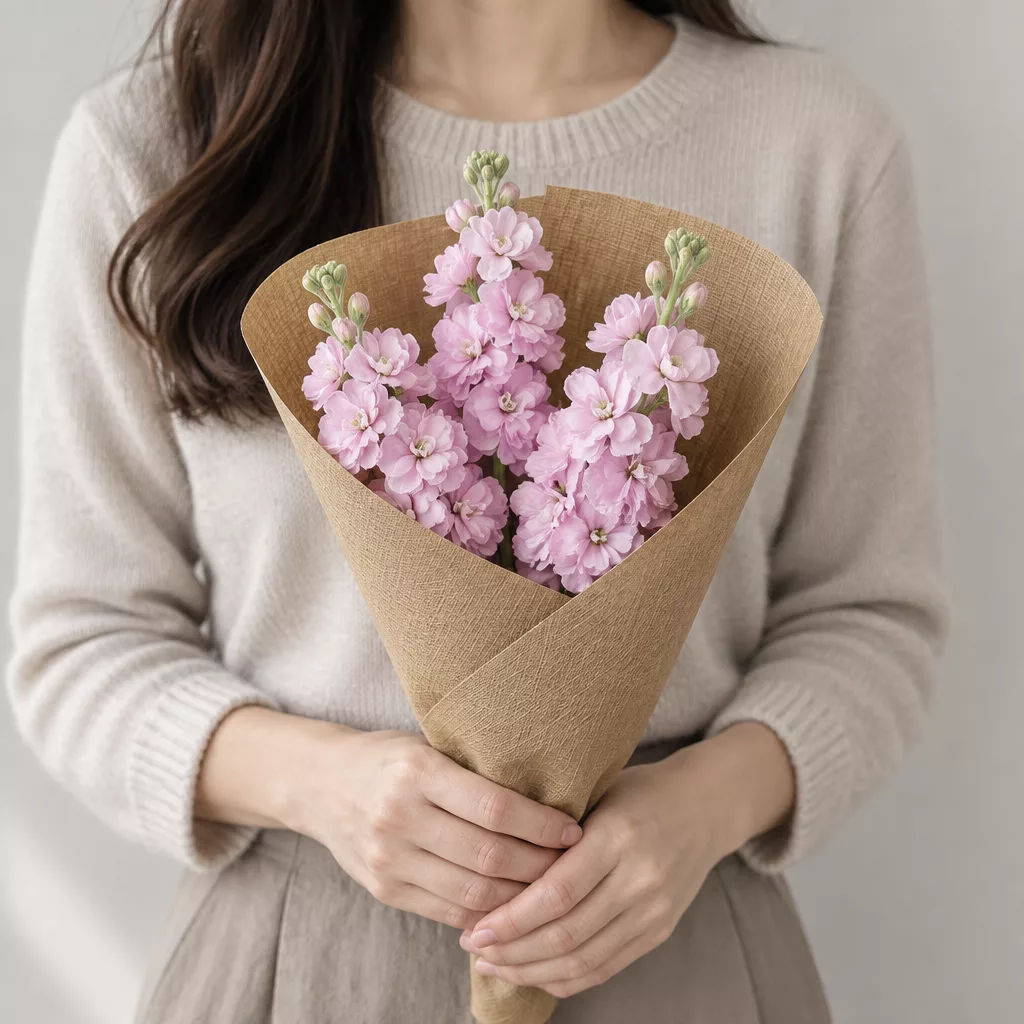
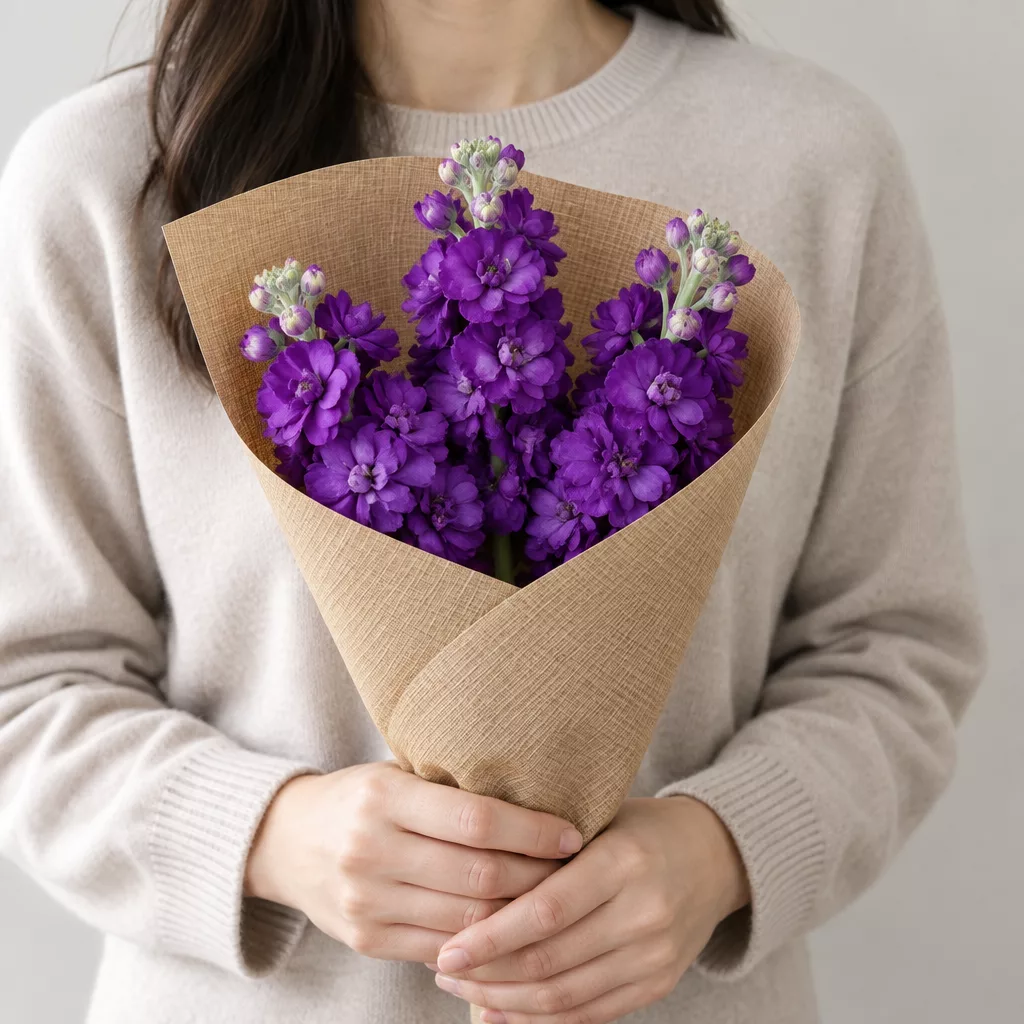
The speed of this process depends on water temperature and the variety of foliage. Soft, thin leaves — the kind you find on stocks, lisianthus, or spray carnations — break down within twenty-four hours. Thicker, waxy leaves on stems like tropical anthuriums or ornamental eucalyptus are slower to rot but still contribute to bacterial growth once submerged for more than two days.
Changing the water every day slows the damage, but it does not stop it. The only reliable solution is to remove any leaf that would sit at or below the waterline before the stems go into the vase. This is the single most effective thing you can do at home, more impactful than flower food, cooler rooms, or any other tip you may have read. It costs nothing and takes less time than filling the kettle.
Bouquets we can deliver


The Waterline Rule: How to Measure Before You Cut
Before you pull off a single leaf, hold your bouquet next to the empty vase and check where the waterline will sit. A standard vase filled to a sensible level — roughly two-thirds full — will submerge the bottom third of your stems. Any leaf whose base sits within that zone needs to come off. This sounds obvious, but most people skip the measuring step and either strip too much or too little.
For roses, which typically carry leaves in pairs along the stem, you will usually remove the bottom two or three sets of leaves, leaving the upper foliage completely intact. For tall gladioli, the lower leaves are narrow and papery and should be removed entirely since they deteriorate quickly. For chrysanthemums and spray roses, the side shoots near the base often carry small clusters of leaves that sit right at the waterline — these are easy to overlook and are a very common source of cloudy water.
Once you have identified what comes off, strip the leaves with a clean downward pull or use a soft cloth to slide them away without tearing the stem bark. Tearing creates small wounds that also invite bacteria. If a leaf is stubborn, use clean scissors or a floral knife rather than forcing it. Work quickly and get the stems into water within thirty seconds of trimming, because cut stems begin sealing themselves almost immediately when exposed to air at room temperature.
Roses: The Most Common Bouquet and the Most Common Mistake
Roses are the flower most people handle most often, and they are also the flower most often ruined by submerged foliage. A standard long-stemmed rose arrives with four to six sets of paired leaves along the stem, plus a cluster of smaller guard leaves near the bud. The thorns add an extra complication because they puncture the stem when you press leaves against them during removal.
The correct approach is to remove the bottom two to three sets of leaves — whatever falls below your expected waterline — and leave everything above that point untouched. The upper leaves are doing real work: they help the stem draw water upward through transpiration and keep the overall presentation looking lush rather than bare and clinical. Stripping a rose completely of its leaves is a common mistake that actually shortens vase life and makes the arrangement look thin.
For thornless rose varieties like many spray roses, removal is easier and you can afford to be a little more generous with what you take off. For heavily thorned garden roses such as David Austin varieties, wear thin gloves or use a folded cloth to protect your hands. The thorns themselves do not need to be removed unless they sit below the waterline, in which case they can trap debris and add to bacterial load. A quick pass with a thorn stripper or the back of a knife handles them in seconds, but it is genuinely optional for the stems that remain above water.
Which Foliage Can Safely Stay On the Stem
Not all foliage is a problem, and removing leaves that do not need to go is unnecessary work that can actually harm the arrangement. Leaves that sit well above the waterline contribute to the visual balance of a bouquet and, in some cases, actively support the flower's hydration. Keeping them is the right choice.
Eucalyptus branches, which are popular filler stems in Russian bouquets throughout the year, have robust, oil-rich leaves that resist rot well above the waterline. The stems below water should be stripped bare, but the upper two-thirds of a eucalyptus branch can stay fully leafed and will remain fragrant and presentable for a week or more. The same logic applies to ruscus, a dark green filler with stiff, oval leaves that hold up exceptionally well and rarely cause water problems when kept above the surface.
Leatherleaf fern, often used to frame roses and peonies, is another foliage that performs well as long as the lower fronds are removed. Its upper sections stay fresh and structured for seven to ten days in clean water. Ornamental asparagus fern is softer and needs a little more attention — remove anything that droops toward the water, as the fine needles mat together and trap bacteria quickly.
The general principle is this: if the leaf is firm, has a waxy or leathery surface, and sits above the waterline, it earns its place. If it is soft, papery, or sitting in the water even partially, it goes.
Tulips, Peonies, and Seasonal Stems That Need Special Attention
Tulips are unusual because their leaves grow directly from the base of the stem rather than branching off along it. The large, broad leaves that wrap around the lower stem should be peeled away cleanly before the tulips go into the vase. These leaves are soft and break down very fast in water, often within twelve hours, creating a slippery coating on the stem that blocks water uptake. Removing them also lets you see the stem clearly, which matters because tulips continue to grow in the vase and need room to move without leaves tangling.
Peonies arrive either as tight buds or in full open bloom depending on the season, and their stems carry a moderate amount of foliage. Remove the bottom third of leaves as with roses, but be careful with peony stems because they are hollow or pithy at the centre and damage easily. A clean cut and gentle leaf removal are especially important here. Peonies also benefit from having any guard petals — the outermost, slightly papery petals — left on until the bud begins to open naturally.
Lisianthus, which resembles a ruffled rose and is widely available from late spring through autumn, carries soft leaves on branching stems. Every leaf below the waterline must come off because lisianthus foliage rots faster than almost any other common variety. The upper leaves are fine and add a delicate texture to arrangements, so leave those alone. Stocks and snapdragons follow the same rule: strip the lower portion completely, keep the upper foliage for visual interest.
Water Temperature, Cleanliness, and How They Interact with Leaf Removal
Removing the right leaves is most effective when paired with clean water at the right temperature. Bacteria multiply faster in warm water, which means that a vase of warm tap water will punish any overlooked submerged leaf far more quickly than cool water would. The ideal temperature for most cut flowers is between eight and fifteen degrees Celsius — cool enough to slow bacterial growth, warm enough not to shock tropical varieties like anthuriums or birds of paradise.
Fill your vase with fresh, clean tap water before the stems go in. If your tap water is heavily chlorinated, letting it sit for thirty minutes allows some of the chlorine to dissipate, which is mildly beneficial but not essential. What matters far more is that the vase itself is clean. Residue from a previous bouquet — even if invisible — contains bacteria that will immediately colonise the new water. Wash the vase with dish soap and rinse it thoroughly each time.
Change the water every two days, or daily in warm rooms above twenty degrees Celsius. Each time you change the water, re-trim the stems by a centimetre and check whether any previously safe leaves have drooped into the water as the stems settle and shift. This is a very common situation with fuller arrangements: leaves that started above the waterline gradually angle downward as the bouquet relaxes in the vase. A quick check takes ten seconds and catches the problem before the water turns. Flower food sachets, which contain a mild biocide and sugar, extend the interval between changes slightly but do not replace them.
Presenting the Bouquet After You Have Prepared the Stems
Once the right leaves are off and the stems are in clean water, the way you arrange the bouquet in the vase makes a real difference to both the look and the longevity. Overcrowded stems press against each other, trap moisture between leaves, and prevent air circulation — all of which encourage mould and bacterial spread. Give each stem a little breathing room, especially if the bouquet includes dense-headed flowers like peonies or garden roses.
If you received a wrapped bouquet, resist the urge to keep the paper or ribbon tied around the stems in the vase. Wrapping material holds moisture against the stems and the remaining lower leaves, creating exactly the damp, warm conditions that bacteria love. Remove all packaging before placing stems in water. The florist's wrapping is designed for transport and presentation, not for the vase.
For mixed bouquets — a combination of roses, eucalyptus, lisianthus, and filler greens, for example — check each variety individually rather than treating the whole bunch the same way. Roses need their lower two to three leaf sets removed; eucalyptus needs its lower stems stripped bare; lisianthus needs everything below the waterline gone. It takes an extra minute but the difference in vase life is measurable. A well-prepared mixed bouquet in a clean vase with cool water can last ten to fourteen days when the flowers were fresh on arrival. That is the kind of result that makes the effort feel entirely worthwhile.
The difference between a bouquet that lasts four days and one that lasts ten often comes down to two minutes of preparation before the stems ever touch the water. Pulling off the leaves that sit below the waterline, leaving the upper foliage intact, starting with a clean vase and cool water, and checking every couple of days as the arrangement settles — these are the habits of someone who genuinely knows flowers. None of it requires special tools or expertise, only the knowledge of what to look for and why it matters. Every bouquet you receive deserves that two-minute investment. We deliver bouquets across Russia in 1–2 hours.
Frequently asked questions
Do I need to remove leaves from tulips before putting them in a vase?
Yes. Tulip leaves grow from the base of the stem and are soft enough to break down within twelve hours in water. Peel them away cleanly before placing the stems in the vase. The stems look cleaner without them, and water stays clear much longer. Upper growth that emerges as the tulip opens can stay as it appears above the waterline.
Can I leave eucalyptus leaves on the stem in the vase?
The upper leaves on eucalyptus are fine to keep — they are waxy, slow to rot, and add fragrance and texture to an arrangement. Strip only the portion of the stem that will sit below the waterline. Eucalyptus above the surface stays fresh and presentable for a week or more in cool, clean water without causing any bacterial problems.
How often should I change the water after removing the lower leaves?
Every two days is the standard recommendation for most cut flowers in a room kept around eighteen to twenty degrees Celsius. In warmer rooms above twenty degrees, change the water daily. Each time you change it, re-trim the stems slightly and check whether any leaves have drooped toward the new waterline as the arrangement has relaxed and shifted in the vase.
Is it a mistake to strip all the leaves off a rose stem?
Yes, it is a common mistake. The leaves above the waterline help the stem draw water upward through transpiration and make the rose look full rather than bare. Remove only the bottom two to three sets of leaves that fall at or below the waterline. Everything above that point should stay on unless a leaf is damaged, yellowing, or drooping into the water.
Does the type of vase affect how quickly submerged leaves cause problems?
Shape matters less than cleanliness and water volume. A narrow vase that holds less water will show bacterial cloudiness faster simply because there is less dilution. Whatever the shape, wash the vase thoroughly before each use, fill it with cool water, and remove all foliage below the waterline. Those three steps matter far more than the vase material or design.
Ready to send flowers?
Pick the city, choose the bouquet, and a local florist takes it from there.
Choose a city →