White Flowers in Russia: When They Are and Are Not Appropriate
White flowers are among the most versatile blooms in the world — elegant, calm, and endlessly easy to pair with other colours. But if you are sending flowers to someone in Russia and you reach for white out of habit, it is worth pausing for a moment. Russian flower customs carry specific associations with certain colours, and white sits in an interesting middle ground: genuinely beautiful and widely loved in many contexts, yet occasionally misread in others. Knowing the difference will help your bouquet land exactly as you intend it.
Why White Flowers Carry a Particular Weight in Russian Culture
In Russia, as in many countries with strong Orthodox Christian traditions, white has a dual symbolism. On one hand it signals purity, celebration, and new beginnings — think wedding dresses, baptism gifts, and spring festivals. On the other hand, white flowers have historically appeared at solemn moments, which has left a residue of caution in the minds of older generations in particular.
This does not mean white flowers are unwelcome or taboo. Far from it. A bouquet of white peonies or white garden roses is genuinely admired across Russia, and you will find them in bridal arrangements, graduation gifts, and anniversary tables from Saint Petersburg to Vladivostok. The key is context and company — what other colours are present, who is receiving the flowers, and what the occasion actually is.
Younger Russians in their twenties and thirties tend to feel far less bound by these associations. They follow international floral aesthetics and are just as likely to request an all-white arrangement as any European customer. Older recipients, particularly those over sixty, may hold more traditional views. When in doubt, adding even a small amount of colour — a blush rose, a stem of green eucalyptus, a touch of lavender — shifts the overall impression and removes any ambiguity without sacrificing elegance.
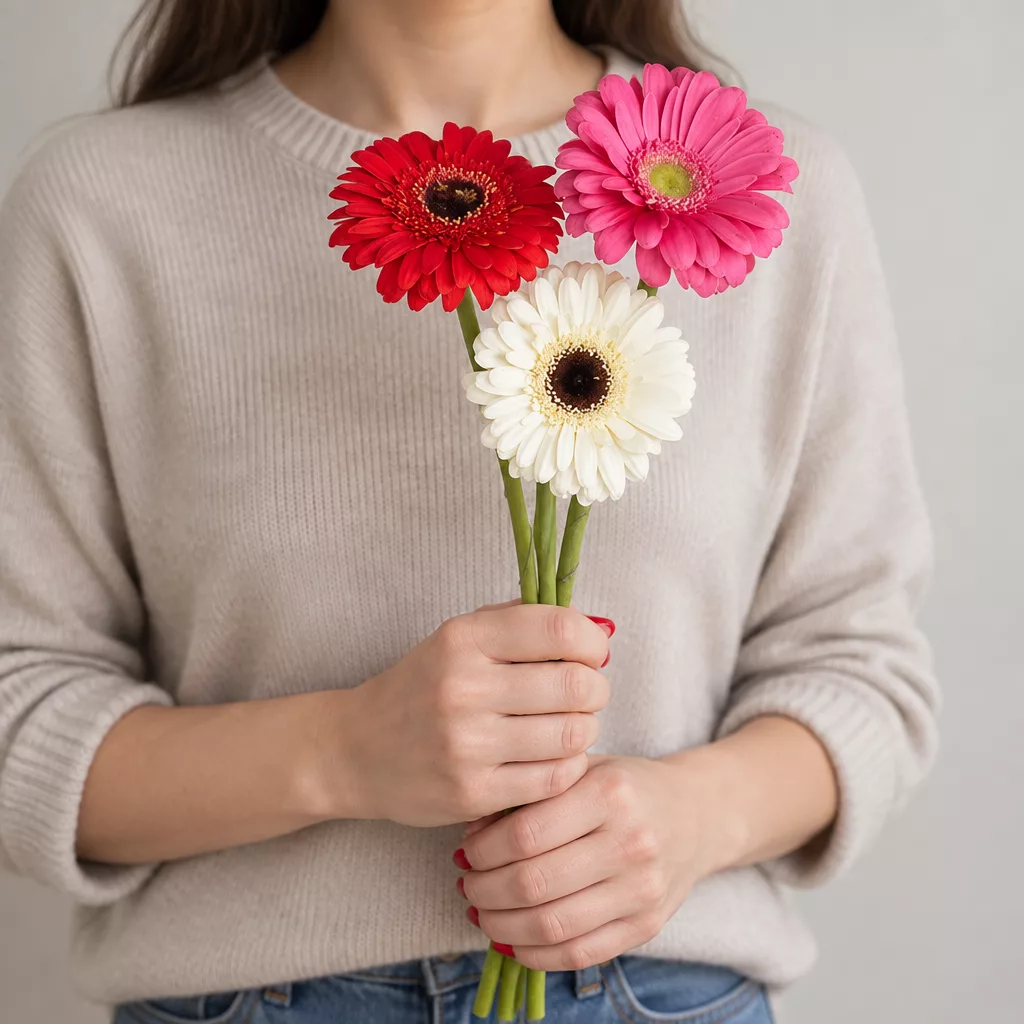
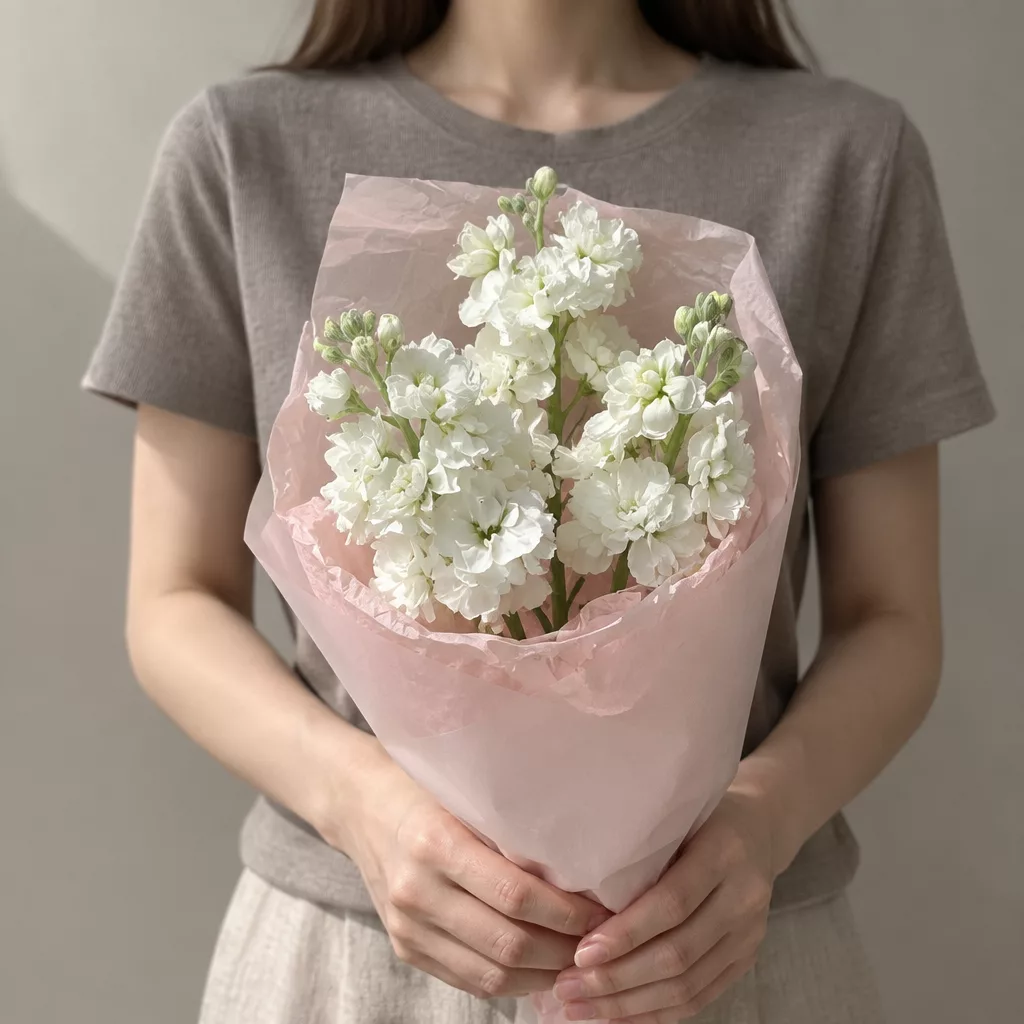
Bouquets we can deliver


Occasions Where White Flowers Are Warmly Received
Weddings are the single clearest occasion for white flowers in Russia. White roses, white lisianthus, white freesia, and white orchids dominate bridal bouquets and table centrepieces from one end of the country to the other. If you are sending flowers to congratulate a newly married couple, an all-white arrangement or a white-and-green combination reads as sophisticated and entirely appropriate.
New baby arrivals are another strong fit. White flowers feel fresh and gentle beside a newborn, and varieties like white spray chrysanthemums, white tulips, or white ranunculus make beautifully soft arrangements. For a baby girl, florists often mix white with pale pink; for a boy, white with blue delphinium or white with rich green foliage creates a clean, modern look.
Graduations and academic achievements also welcome white blooms. In Russia, the end of the school year in late May and early June brings enormous demand for flowers, and white roses or white gladioli are traditional teacher gifts with deep roots in Soviet-era custom. Students still bring armfuls of white flowers to their favourite teachers on the last day of school, so this association is genuinely positive and well understood.
Housewarming gifts benefit from white flowers too. A calm, neutral arrangement helps a new home feel welcoming without clashing with décor the sender has never seen, and white hydrangeas or white alstroemeria last well in the variable temperatures of a newly occupied apartment.
Situations Where White Alone May Be Misread
The main situation to approach carefully is sending white flowers to an older Russian recipient without any accompanying colour. If your grandmother-in-law is turning eighty and you send a purely white bouquet with no other hue present, there is a real chance she will feel unsettled by it, even if she says nothing. This is not a universal reaction, but it is common enough among that generation to be worth considering.
White flowers sent to someone who is unwell and recovering at home or in hospital are another moment for caution. Hospitals in Russia have their own folklore around flowers, and while the restrictions vary by facility, a mixed bouquet with white as one element among several colours is generally received far better than white alone. Bright yellow sunflowers, orange gerberas, or warm pink roses alongside white blooms create an energetic, optimistic feeling that suits a recovery context much better.
Sending white flowers as a romantic gesture to someone you have just started seeing can also create an unintended coolness. White reads as formal and composed rather than warm and passionate. If you want to express new romantic interest, red or coral roses, pink peonies, or a vibrant mixed bouquet will communicate warmth far more clearly. White works beautifully in established relationships where the elegance is understood — an anniversary gift, for example, where the couple knows each other well enough to read the gesture correctly.
The safest rule: when the recipient is older or the relationship is new, add colour.
Choosing White Varieties That Work Best in Russian Conditions
Russia's climate creates specific practical challenges for cut flowers. In winter, temperatures outside can drop to minus fifteen or colder in Saint Petersburg and far lower in Siberian cities. White blooms are often more visually delicate and can look bruised or translucent when exposed to cold even briefly. Choosing sturdy varieties matters enormously.
White roses are the most reliable choice year-round. Varieties with tight, high-centred buds travel well and open gradually, giving the recipient several days of beauty. White lisianthus is another excellent option — the ruffled petals resemble peonies but the stems are hardier and the flowers last up to two weeks in a cool room. For winter deliveries, lisianthus holds up far better than white anemones, which are sensitive to temperature swings.
White peonies are spectacular but strictly seasonal, available from approximately late April through June. If you are ordering in that window, they are a stunning choice — full, fragrant, and unmistakably celebratory. Outside of that season, white garden spray roses give a similar lush, layered effect without the seasonal restriction.
White orchids, particularly Phalaenopsis, are a strong choice for a long-lasting gift. A potted white orchid plant will bloom for six to eight weeks and suits a home setting beautifully. If you want cut flowers with similar staying power, white alstroemeria lasts ten to fourteen days with a simple water change every two days and a trim of the stems. For summer deliveries, white statice adds texture and dries beautifully if the recipient keeps it.
Combining White With Other Colours to Shift the Message
One of the most practical things a florist can do is show you how a touch of colour transforms a white arrangement entirely. White and deep burgundy together feel opulent and romantic — burgundy ranunculus or dark red roses alongside white blooms create a combination that reads as a serious, passionate gift. This works especially well for anniversaries and Valentine's Day when you want elegance without sacrificing warmth.
White and yellow is one of the most cheerful combinations in Russian floristry. Yellow mimosa alongside white tulips in late February and early March is a classic combination for International Women's Day on the eighth of March, one of the most important flower-giving occasions in the Russian calendar. This pairing feels joyful and spring-like even when snow is still on the ground outside.
White and soft green — eucalyptus, ruscus, or fern — creates a botanical, modern look that suits younger recipients and contemporary interiors. This combination avoids any cultural ambiguity entirely because the green reads as natural and fresh rather than formal or ceremonial. It is a very safe choice for a colleague, a friend, or someone whose tastes you are not entirely certain of.
For a bold statement, white and bright orange — white roses with orange gerberas or orange tulips — is vivid and celebratory without any of the solemnity that all-white can occasionally carry. This combination works beautifully for birthdays, promotions, and congratulatory moments where you want the flowers to feel like an exclamation point rather than a whisper.
Presentation and Packaging That Makes White Flowers Feel Celebratory
White flowers need thoughtful packaging to communicate the right mood. Kraft paper wrapping in warm brown tones gives white blooms a rustic, artisan quality that feels relaxed and personal. This is a popular choice for informal gifts between friends and works particularly well with white tulips, white ranunculus, or white anemones in spring.
For a more formal gift — a business occasion, a significant birthday, or a thank-you to someone important — white flowers look most impressive in white or ivory paper with a satin ribbon. The monochromatic presentation feels curated and considered. Adding a few stems of silver-grey dusty miller or pale blue veronica alongside the white blooms introduces subtle contrast without breaking the quiet palette.
A round, compact bouquet shape — often called a pavé arrangement — suits white flowers beautifully because it emphasises the density and texture of the petals. White hydrangeas, white spray roses, and white lisianthus together in a tight dome shape look abundant and generous even before a single stem has opened fully. This shape photographs well, which matters when the recipient will want to share the moment.
For deliveries in cold weather, ask for the flowers to be wrapped in an extra layer of protective paper or a sleeve that covers the blooms entirely during transit. White petals show cold damage more visibly than darker flowers — even a brief exposure to freezing air can leave translucent patches on rose petals. A good protective wrap ensures the flowers arrive looking exactly as intended, which is especially important when white purity is part of the visual message you are trying to send.
Care Instructions to Pass Along With a White Bouquet
White flowers can look slightly tired after a long delivery journey, especially in warm weather. The first thing a recipient should do is cut about two centimetres from the bottom of each stem at a diagonal angle and place the flowers immediately in clean, cool water. Warm water encourages faster opening but also shortens vase life, so room-temperature or slightly cool water is the better choice for longevity.
White blooms show water staining and discolouration more readily than darker flowers, so the vase should be genuinely clean — a quick rinse with a drop of bleach and then a thorough rinse with plain water removes bacteria that would otherwise shorten the life of the arrangement. Changing the water every two days and re-trimming the stems each time makes a noticeable difference.
Keep white flowers away from direct sunlight and away from fruit bowls. Ripening fruit releases ethylene gas, which accelerates the ageing of cut flowers and causes white petals to develop brown edges faster than normal. A cool corner of the room away from radiators is ideal, particularly in winter when central heating in Russian apartments can be intense.
White roses and white peonies will open further over the first two to three days. Many recipients are surprised to find that a tight bud on arrival becomes a full, generous bloom within forty-eight hours. This is not a sign that the flowers are old — it is simply how they travel best. Reassure the recipient of this if you are including a note, so they know to give the bouquet a little time before deciding what they think of it.
White flowers in Russia are genuinely beautiful and widely loved — the hesitation around them is specific, generational, and entirely manageable once you understand it. The simplest approach is to think about who is receiving the bouquet and what you want them to feel the moment they open the door. For a young colleague, a bride, a new mother, or a graduating student, white blooms are a perfect choice. For an older relative or a brand-new romantic interest, a touch of colour alongside the white removes any uncertainty and keeps the focus on the warmth of the gesture itself. With the right variety, the right combination, and a little care advice passed along with the bouquet, white flowers can be one of the most elegant and memorable gifts you send. We deliver bouquets across Russia in 1–2 hours.
Frequently asked questions
Are white flowers considered bad luck in Russia?
Not universally. White flowers carry some traditional associations with solemnity among older Russians, but they are also a standard choice for weddings, graduations, and new baby gifts. The concern arises mainly when an all-white bouquet is sent to an elderly recipient or to someone who is unwell. Adding a second colour alongside the white removes any ambiguity entirely.
What is the best white flower to send in winter when temperatures are very low?
White lisianthus and white spray roses are the most cold-tolerant options for winter delivery. They have sturdy petals that resist brief exposure to cold air during transit. White anemones and white ranunculus are more delicate and show temperature damage more easily, so they are better suited to spring and autumn orders when outdoor temperatures are milder.
Can I send white flowers for International Women's Day on March 8th?
Yes, white flowers work well for March 8th, especially when combined with yellow mimosa, which is the traditional bloom of that holiday. A bouquet mixing white tulips or white roses with bright yellow mimosa reads as celebratory and spring-like. Pure white alone is less common for this occasion, which is typically associated with warmth and colour.
How long do white roses last in a Russian apartment in winter?
With proper care, white roses last seven to ten days in a typical Russian apartment in winter. The challenge is central heating, which dries the air significantly. Keep the vase filled with cool water, change it every two days, re-trim the stems each time, and position the bouquet away from radiators. A cool hallway or kitchen windowsill away from direct heat extends vase life noticeably.
Is it appropriate to send white flowers to a Russian business contact?
Yes, white flowers are a safe and elegant choice for a business gift in Russia. A structured arrangement of white roses or white orchids reads as professional and respectful. Pair them with green foliage to keep the presentation feeling fresh rather than formal. Avoid very large or overly romantic arrangements — a compact, well-proportioned bouquet suits a professional context best.
Ready to send flowers?
Pick the city, choose the bouquet, and a local florist takes it from there.
Choose a city →