Why Are My Flowers Drooping in a Vase?
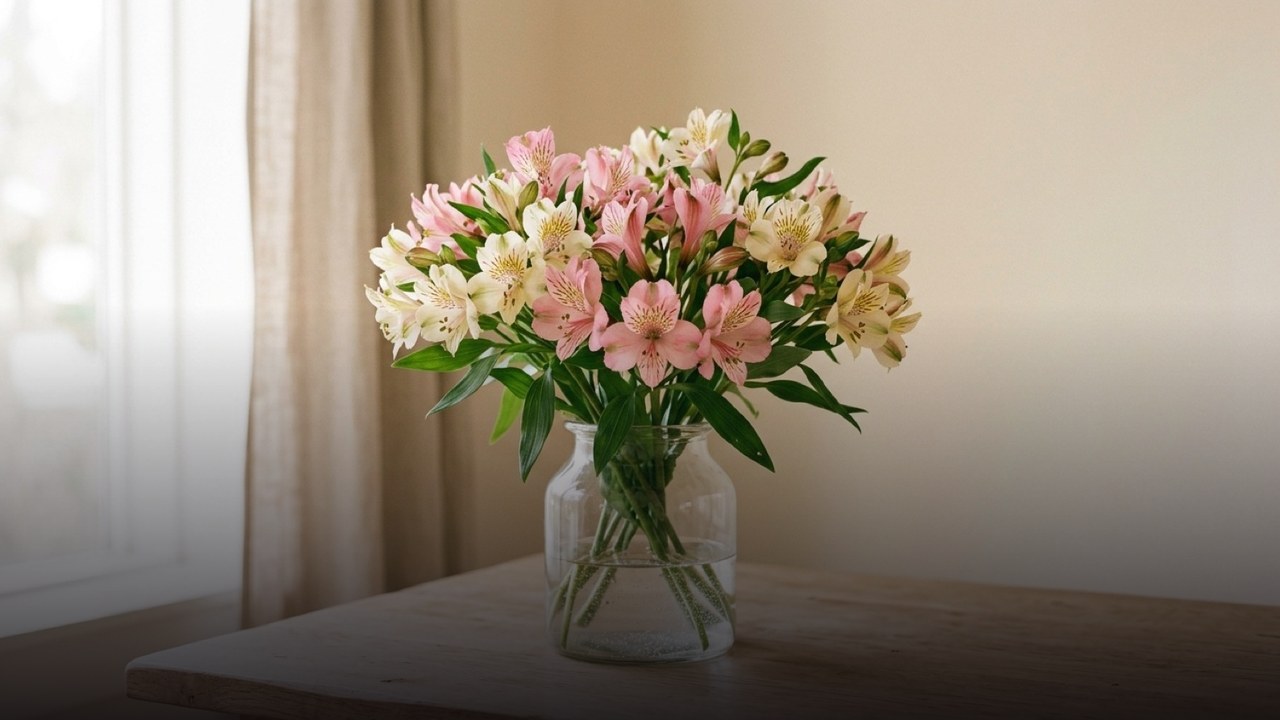
Your flowers usually droop in a vase because their stems cannot take up enough water to replace the moisture they lose. Low water, dirty vase water, damaged stem ends and a warm position can all contribute; some blooms also bend naturally or droop as they age. Start by checking the water, cleaning the vase and recutting sound stems before deciding that the bouquet is finished.
Look at the whole arrangement before treating it: are all the flowers limp, or is just one head hanging? A shared problem points towards water or position, while an isolated drooping flower deserves a closer stem inspection. Fresh, flexible stems may respond to better hydration, but a crushed stalk or a decaying bloom needs a different approach.
Read the signs before trying to revive the bouquet
Check the water level first, even if you filled the vase yesterday. A full bouquet can use water surprisingly quickly, and stems cut to different lengths may not all reach it. Look through the side of the vase or lift the bouquet carefully: every stem end should sit in water, with no leaves submerged beneath the surface.
Next, inspect the stems and water. Cloudiness, an unpleasant smell or a slippery coating are reasons to clean the vase immediately. Microbial growth can interfere with water uptake, although clear water does not rule it out. A dry-looking cut end, a split stalk or a stem pressed tightly against the bottom may also explain why one flower struggles.
Finally, compare petals and leaves. Limp leaves and soft flower heads suggest a hydration problem, while dry, papery petals, extensive browning or falling petals often indicate ageing or damage. A drooping head alone is less conclusive: its weight, the shape of the stem and the flower's normal growth habit all affect how it sits.
Give thirsty flowers a clean-water reset
Take the flowers out and wash the vase with washing-up liquid, paying attention to residue around the base and waterline. Rinse it thoroughly. Remove leaves that would sit below the new water level, and discard stems that are visibly rotting. Cleaning matters more than simply pouring fresh water into a vase that still contains slime and decaying foliage.
With clean, sharp scissors or secateurs, remove roughly 1–2 cm from the bottom of sound stems. Make a clean cut without crushing the stalk; a slight angle can help prevent the end sitting flat against the vase base. Return each stem promptly to fresh, cool tap water. Avoid cutting through thorns or tough stems with blunt household scissors.
If you have cut-flower food, use the amount stated on its packet for the volume of water in your vase. More concentrated is not better. Leave the arrangement somewhere cool, away from direct sun, and reassess over the next few hours. Some thirsty flowers regain firmness, but recovery depends on their condition and is never certain.
Bouquets we can deliver




Move the vase away from heat and everyday hazards
A sunny windowsill can make a bouquet lose moisture faster than its stems can replace it. Radiators, heating vents and the warm air near cooking appliances can have a similar effect. Choose a cooler place with indirect light, leaving room around the flowers so that petals are not pressed against a hot window or wall.
Keep the arrangement away from a fruit bowl, particularly ripening fruit. Ethylene released during ripening can accelerate ageing in sensitive flowers, although different species respond differently. Strong airflow from a fan or air-conditioning outlet can also increase drying, so a position that feels pleasant to you may still be a poor place for delicate petals.
Check the vase daily and top it up before any cut ends become exposed. Replace cloudy water promptly, and clean the vase whenever you notice residue or an odour. Remove fallen petals and submerged leaves as you find them. These small checks are more useful than waiting until the entire bouquet has wilted and attempting one dramatic rescue.
Distinguish natural bending from a damaged stem
Not every curved stem signals failing flowers. Cut tulips can continue to lengthen and bend towards light, changing the outline of an arrangement. A heavy flower may also lean when it lacks support. If the leaves and petals remain firm, try a taller, clean vase or a looser arrangement before assuming that the bloom needs emergency treatment.
A sharp crease, crushed patch or soft brown area is a different problem: recutting the bottom will not repair damage higher up. If healthy stem remains above the damaged section, you can shorten the flower and display it in a smaller vase, keeping its petals above water. Remove a stem that is decaying rather than leaving it among healthy flowers.
Gerberas need particular care when assessing bent stalks, while a rose with a drooping neck may have trouble supplying water to its head. Neither symptom proves that the flower can be revived. For a closer diagnosis, see our guide to individual stems drooping in the vase, or the specific advice on why gerberas droop.
Avoid rescue tricks that can make the problem worse
Do not add sugar alone, bleach by guesswork, aspirin or a mixture of household ingredients. These are not interchangeable with correctly diluted flower food, and an unsuitable mixture can encourage contamination or damage stems. Clean water is a sensible starting point when you have no flower food; keep monitoring its condition rather than relying on an improvised additive.
Avoid treating every bouquet with boiling water, hammering stem ends or plunging all the flower heads underwater. Techniques used for a particular species or stem type do not automatically suit a mixed arrangement. Soaking delicate petals can leave marks or trapped moisture, while crushing stems creates damage. Start with cleaning, a fresh cut and a better position.
Judge the result by firmness as well as posture. If the leaves become firmer but a naturally curved stem stays curved, hydration may have improved. If a flower remains limp after several hours in clean water, inspect it again for damage or decay. Remove deteriorating blooms and keep the healthy ones; a mixed bouquet does not necessarily finish all at once.
Help a flower gift arrive when someone can receive it
When sending flowers to Russia from abroad, agree a practical receiving time and remind the recipient to put the bouquet into water promptly. Turboflora delivers across Russia, with city delivery costing 500 RUB; an operator confirms the price for remote districts and suburbs when confirming the order. Our delivery and payment information explains the available arrangements.
Express delivery in large cities is available 1–2 hours after order confirmation. You can also choose an exact time within a ±30-minute allowance, a 09–12, 12–15, 15–18 or 18–21 window, or pre-order 1–30 days ahead. Contact a manager on WhatsApp to agree the address, timing and card text, get help choosing, or arrange a photo before delivery.
The courier calls the recipient about 15 minutes before arrival. If they are absent, we agree a second delivery that day or a handover to a neighbour or concierge with the sender's consent. Delivery is anonymous by default, and a card with your text is free. Online checkout uses CloudPayments; check the payment options displayed there, as acceptance of every foreign card is not guaranteed.
Frequently asked questions
Can drooping flowers stand up again?
They may recover if dehydration or poor water uptake is the cause and the stems are still sound. Clean the vase, recut the stems and give them fresh water, then assess them over the next few hours; damaged or ageing flowers may not recover.
Why are my flowers drooping even though the vase is full?
Water being present does not mean every stem can absorb it effectively. Dirty water, damaged stems or deteriorating cut ends can interfere with uptake, while heat can increase moisture loss.
Should I use hot or cold water for wilted flowers?
Fresh, cool tap water is a sensible starting point for a typical mixed bouquet. Avoid boiling water or ice-water treatments unless you have reliable instructions for the particular flower.
Why is only one flower drooping in my bouquet?
Inspect that stem for a crease, a soft patch or a cut end that does not reach the water. Individual flowers also age at different rates, so one declining bloom does not mean the whole bouquet is finished.
Should I remove drooping flowers from the vase?
Remove flowers with rotting stems, mould or badly deteriorating heads. A clean, intact stem that is simply limp can be recut and placed in a separate clean vase while you see whether it regains firmness.
Ready to send flowers?
Pick the city, choose the bouquet, and a local florist takes it from there.
Choose a city →