Why Are My Lilies Dying in a Vase—and Can I Save Them?
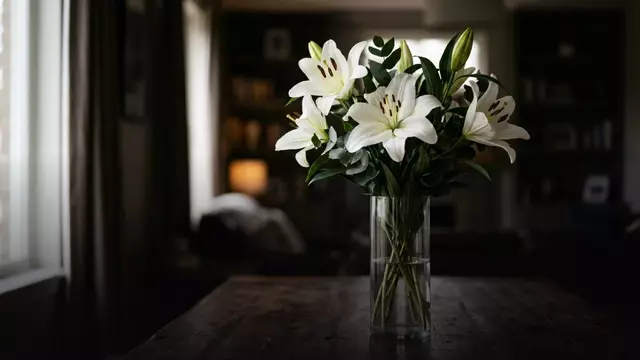
Lilies usually decline in a vase because their stems cannot take up enough water, the water has become contaminated, or the flowers are ageing faster in a warm position. A dirty vase, submerged leaves and a falling water level are the first things to check; an individual bloom fading while other buds develop can simply be normal ageing.
Before you discard the bouquet, look at the whole stem: are the leaves limp, the stem ends slimy, or just one flower turning papery? Those differences matter. Cut lilies cannot recover every kind of damage, but cleaning the vase, refreshing the stem ends and improving their position may help flowers that are still firm and have been struggling to hydrate.
Read the symptoms before changing your care
Limp leaves and drooping flowers across several stems suggest a water uptake problem, especially if the vase recently ran low. Check the actual water level against the cut ends: a vase can still contain water while some stems no longer reach it. If you have rearranged the bouquet, shorter stems may be sitting above the water without you noticing.
Cloudy water, an unpleasant smell or a slippery coating on the submerged stems point towards microbial buildup. Bacteria can interfere with water uptake, so adding fresh water to a dirty vase leaves the underlying problem in place. Remove the stems and inspect their lower sections rather than judging the bouquet only by its flowers.
One faded bloom on a stem with firm leaves and developing buds is a different situation. Lily flowers on the same stem do not all open or finish together. Remove the spent flower and assess what remains; yellowing leaves alone are less specific and can reflect ageing, stress or poor conditions before the bouquet reached your vase.
Reset the vase and give the stems fresh water
Lift the lilies out and empty the vase completely. Wash it with washing-up liquid, clean away any film inside and rinse thoroughly. Remove leaves that would sit below the new waterline, including loose pieces caught between stems. Submerged foliage breaks down and makes it harder to keep the water clean, even when the flowers above it still look fresh.
Using a clean, sharp blade or secateurs, cut roughly 1–2 cm from each stem at an angle, then return it promptly to fresh water. Make a clean cut without crushing the stem. If the base is soft or slimy, trim back to firm tissue where possible; a stem that is extensively rotten is unlikely to recover and should be removed from the arrangement.
If you have cut-flower food, mix it at the dilution stated on its packet. A stronger solution is not a better rescue treatment, and improvised mixtures of sugar, bleach or other household products are easy to get wrong. For the routine after this initial reset, see our practical guide to keeping lilies alive in a vase.
Bouquets we can deliver




Move lilies away from conditions that speed up fading
Choose a cool position with indirect daylight, away from radiators, heating vents and direct sun. A sunny windowsill can warm both the flowers and their water, increasing water loss and accelerating ageing. You do not need to put cut lilies in sunlight to feed them: they no longer have a rooted plant supporting new growth.
Keep the vase away from strong draughts and the direct stream of a fan or air conditioner, which can dry the petals. Give large blooms space so they are not pressed against a wall, curtain or neighbouring arrangement. Petals bruised by contact may develop brown patches even when the rest of the stem is adequately hydrated.
Check the water level every day and keep every cut end submerged. Replace the water regularly, and sooner if it becomes cloudy or smells; wash the vase whenever a film develops. Keep flowers away from ripening fruit as well, since ethylene released by some fruit can hasten flower ageing, with sensitivity varying between flowers.
Work out whether closed buds are delayed or failing
A closed lily bud is not necessarily dying. Firm buds that are swelling and beginning to show their petal colour may simply need more time. A bouquet bought with a mixture of buds and open flowers will change gradually, so judge progress across the stem rather than expecting every bud to open on the same day.
Small, tightly green buds may have been cut too immature to open reliably. Buds that become brown, shrivelled or soft are less promising, particularly if the leaves and stem are also deteriorating. Water stress and previous handling can affect development, but you cannot reliably reconstruct the cause from appearance alone.
Do not peel a bud open, put the vase beside a heater or use hot water to force a result. Keep the stems hydrated in a stable position and watch for gradual swelling instead. Our guide to how long lilies take to bloom in a vase explains how to assess buds without treating every closed flower as a problem.
Recognise natural ageing and remove damaged flowers
A fully open lily will eventually lose firmness, develop translucent or papery edges and shed petals. Good care can support the remaining flowers, but it cannot reverse a bloom's natural ageing. Vase life varies with the lily, its maturity when cut and its handling history, so a fixed deadline is less useful than the condition of each flower.
Snip off fading flower heads carefully while leaving healthy leaves and unopened buds intact. Pick fallen petals out of the vase before they decay in the water. If one stem is soft or deteriorating while others remain sound, remove it and clean the vase; there is no benefit in keeping decaying material among healthier stems.
You can carefully remove pollen-bearing anthers from an open bloom to reduce the chance of stains, but this is not a treatment for wilting. Avoid rubbing loose pollen into fabric. Also keep true lilies and daylilies out of homes with cats: petals, leaves, pollen and vase water can be dangerous, and suspected exposure needs immediate veterinary advice.
If the lilies were a gift—or you are sending flowers to Russia
If a recently received bouquet looks limp, take a clear photo before rearranging it and note the water condition and affected stems. Then carry out the cleaning and hydration steps above. Photos and specific observations are more useful than saying the flowers are dying, because they distinguish a faded flower from a problem affecting the whole bouquet.
When sending flowers to someone in Russia, consider whether lilies suit their household, especially if they have cats or dislike strong fragrance. Turboflora delivers flowers across Russia. You can contact a manager on WhatsApp for help choosing a bouquet, agreeing the address, timing and card text, and arranging a photo of the bouquet before delivery.
City delivery costs 500 RUB; an operator confirms the price for remote districts and suburbs when confirming the order. Express delivery in large cities is available 1–2 hours after order confirmation, and you can pre-order 1–30 days ahead. See delivery and payment for ordering information. Checkout uses CloudPayments; check the payment options displayed there rather than assuming your foreign-issued card will be accepted.
Frequently asked questions
Can wilted lilies recover in a vase?
Lilies affected by a temporary water shortage may improve after you clean the vase, recut the stems and provide fresh water. Papery petals, extensive rot and naturally spent blooms will not return to their earlier condition.
Why are my lily leaves turning yellow while the flowers look fine?
Yellow leaves can reflect ageing or stress and do not identify a single cause. Remove leaves below the waterline, check water cleanliness and keep the bouquet away from heat; yellow foliage will generally not turn green again.
Should I mist lily flowers to stop them dying?
Misting does not resolve blocked stems or replace water taken up through the cut ends. Concentrate on clean water and a suitable position, and avoid leaving petals wet because persistent moisture can encourage spotting and decay.
Will removing pollen make lilies last longer?
Removing the anthers is mainly useful for reducing pollen stains. It does not correct dehydration, contaminated water or natural ageing, and it does not make lilies safe around cats.
Why are the flowers fading before all the buds open?
Flowers on a lily stem open in sequence, so an older bloom can fade while later buds are still developing. Remove the spent bloom and continue caring for the stem, but remember that very immature or damaged buds may never open.
Ready to send flowers?
Pick the city, choose the bouquet, and a local florist takes it from there.
Choose a city →