Why Dry-Packed Flowers Need a Fresh Stem Cut on Arrival
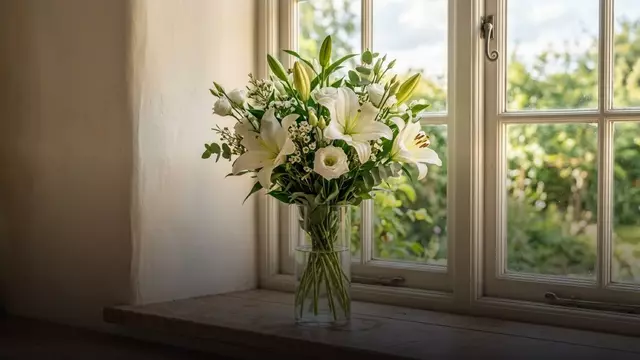
The stems of dry-packed flowers are recut when they arrive at the flower shop to remove dried or damaged ends and expose fresh tissue that can take up water more readily. During transport without water, the cut surfaces can dry out, and air can enter the water-conducting vessels. Recutting followed promptly by hydration helps restore the flowers’ water supply.
Dry-packed means transported without the stem ends standing in water; it does not mean preserved or deliberately dried flowers. These are fresh cut flowers that still need water to maintain firm stems, leaves and petals. A new cut is an important part of conditioning them after transport, but clean containers, suitable flower food and careful handling matter too.
What happens inside a stem during dry transport?
Cut flowers continue to lose moisture through their leaves and other tissues after harvest. When their stems are out of water, they cannot replace that moisture through the cut ends. As water loss continues, cells lose some of the pressure that keeps them firm. A flower may therefore arrive looking less upright even when its stem has no obvious break or bruise.
Water normally moves through narrow conducting vessels called xylem. Air entering these vessels can interrupt the continuous water pathway, while drying and contamination at the cut surface can further restrict uptake. Recutting removes the exposed end and may help bypass affected tissue near the base. It cannot necessarily clear every blockage farther up the stem.
This explains why simply putting the original dry ends into a vase may give uneven results. One stem might start taking up water readily, while another remains limp because its base is damaged or obstructed. A fresh cut gives hydration a better starting point; it does not reverse crushed tissue, advanced deterioration or every cause of wilting.
What a useful fresh cut looks like
The aim is to reach sound tissue while keeping enough length for the bouquet. For a routine refresh at home, removing roughly 1–2 cm is a practical starting point. If the base is visibly crushed, soft or discoloured, cut above the affected area instead. Check each stem individually: shortening every flower by the same amount can waste length without addressing damage.
Use a clean, sharp tool suited to the stem. A florist’s knife or sharp secateurs can make a neat cut without squeezing the base flat. Blunt scissors may crush tougher stems and leave ragged tissue. Work on a stable surface, keep your fingers clear of the blade, and avoid repeatedly trimming the same end with a tool that struggles to cut it.
A slight diagonal cut is convenient because it helps keep the opening from resting flat against the vase bottom. The angle itself is not a special treatment, and a very long sloping cut is unnecessary. What matters most is a clean, uncrushed surface followed by prompt placement in prepared water. Do not hammer or split stems as a general hydration method.
Bouquets we can deliver




Why clean water must follow the cut promptly
Prepare the container before trimming so the newly cut ends can go into water straight away. Wash the vase or bucket thoroughly and rinse away residue. Old vase water and a film left inside a container can introduce microorganisms that contribute to stem blockage. A fresh cut offers limited benefit if you immediately return it to a dirty vase.
Remove leaves that would sit below the waterline. Submerged foliage breaks down and adds organic material to the water, making it harder to keep the vase clean. Keep healthy leaves above the water where practical, and leave space between stems so you can check the water level. Avoid scraping or stripping the stem surface unnecessarily while removing foliage.
Use cut-flower food according to the packet instructions, including the stated amount of water. A stronger mixture is not automatically more helpful. If you have no suitable flower food, start with clean water and maintain it carefully; do not improvise with household chemicals. Keep the cut ends submerged and top up as needed, because a bouquet can use water unevenly.
How to judge whether the flowers are recovering
Look for changes in firmness rather than expecting an instant transformation. Leaves may become less floppy, and a stem that was gently drooping may support its flower more comfortably as it hydrates. Recovery varies with the flower, its condition and the reason it wilted. There is no single soaking time that proves every dry-packed stem is ready.
While the flowers hydrate, keep them away from direct sun, radiators and strong draughts. Avoid repeatedly lifting them out to inspect the cut ends or bending their necks to test them. Support crowded or top-heavy flowers gently in an appropriately sized container. For a home care sequence, see our guide to rehydrating flowers with dry stems.
Separate hydration problems from physical damage. A sharply creased stem, a crushed section or a soft, deteriorating base needs individual attention; more time in water will not repair broken structure. If a stem remains limp, check its base and the water before trimming again. Avoid applying hot-water treatments to a mixed bouquet without flower-specific guidance.
Should you recut a delivered bouquet at home?
For a hand-tied bouquet going into your own vase, a small fresh trim is usually useful, especially if the stems have spent time out of water. Have the vase ready first, remove transport wrapping carefully, and check for any water pouch before setting the bouquet down. Our flower delivery unpacking guide explains how to handle the stems without unnecessary damage.
Preserve the arrangement where you can. You do not need to pull every stem apart merely to refresh the ends, and cutting away too much length may leave the flowers sitting too low in the vase. If the flowers are arranged in floral foam or another support, follow the care instructions for that arrangement rather than pulling stems out for a routine trim.
After arranging, check that every stem intended to drink from the vase actually reaches the water. Shorter stems can sit above the waterline unnoticed, particularly in a wide or opaque container. Refresh cloudy water, clean the vase when needed and remove deteriorating foliage. Recutting can support ongoing care, but repeatedly shortening healthy stems is not a substitute for cleanliness.
Sending flowers to Russia: plan for the handover
If you are ordering from abroad, choose the delivery time with the recipient’s availability in mind. We deliver flowers across Russia. City delivery costs 500 RUB; for remote districts and suburbs, the operator confirms the price when confirming the order. You can start with the bouquets catalogue and contact a manager on WhatsApp to agree the address, timing and card text, or arrange a photo before delivery.
In large cities, express delivery is available 1–2 hours after order confirmation. Other options include an exact time with a tolerance of plus or minus 30 minutes, the windows 09–12, 12–15, 15–18 and 18–21, or pre-ordering 1–30 days ahead. Give the manager the intended date and destination time clearly, particularly if you are arranging everything from another time zone.
The courier calls the recipient about 15 minutes before arrival. If they are absent, we agree a second delivery that day or a handover to a neighbour or concierge with the sender’s consent. Delivery is anonymous by default, and a card with your text is free, so sign it if you want the recipient to know who sent the flowers. Checkout uses CloudPayments; check the payment options displayed there, as acceptance of every foreign card is not guaranteed. Availability and timing of delivery across Russia are confirmed for the chosen city, address, date and bouquet.
Frequently asked questions
Are dry-packed flowers the same as dried flowers?
No. Dry-packed flowers are fresh cut flowers transported without their stem ends standing in water, so they need conditioning and hydration on arrival. Decorative dried flowers have been dried for a different purpose and should not receive the same vase treatment.
Does recutting remove all the air from a flower stem?
No. Recutting exposes fresh tissue and can help address problems near the base, but it does not guarantee that every air blockage farther up the stem is removed. Clean water and the condition of the remaining stem also affect uptake.
Do I need to cut flower stems underwater?
Underwater cutting is not a universal requirement for home bouquet care. Prepare a clean vase first, make a clean cut with a sharp tool and place the stem in water promptly.
Can recutting rescue a flower with a broken stem?
A fresh cut cannot repair a broken or badly crushed section. If enough healthy length remains, you may be able to cut above the damage and display the flower in a shorter vase.
How long should dry-packed flowers take to perk up?
There is no reliable recovery time for every flower because species, water loss and stem condition differ. Watch for improving firmness, and check the water and stem base if a flower remains limp instead of assuming that a longer soak will fix it.
Ready to send flowers?
Pick the city, choose the bouquet, and a local florist takes it from there.
Choose a city →