Why do cut flowers wilt even when their bouquet vase is full of water?
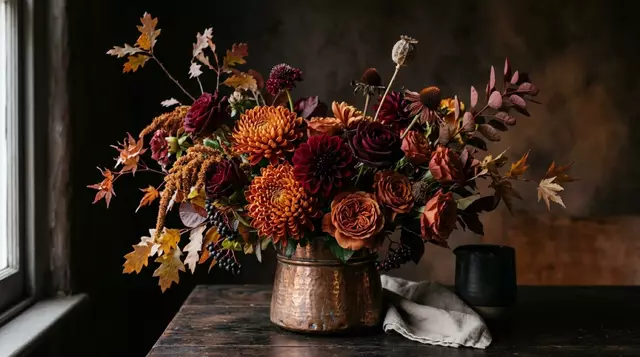
Cut flowers can wilt in a full vase because water is available but is not reaching the petals and leaves fast enough. Blocked or damaged stems, dirty water and heat can interrupt that supply or increase water loss; ageing flowers may also droop even when they are adequately hydrated.
The useful question is whether each stem can still take up water and whether its surroundings are making it lose water too quickly. Start with the stem ends, the cleanliness of the vase and the position of the bouquet. A careful refresh may help thirsty flowers recover, but extra water cannot repair decaying tissue or reverse the natural ageing of a bloom.
A full vase does not mean the stems are drinking
A cut flower relies on narrow water-conducting channels inside its stem. Once it has been cut, that water supply depends on the condition of the stem and its contact with the vase water. A crushed end or a blockage can restrict uptake even when several inches of stem are submerged. Think of the water level as the available supply, rather than proof that the flower is receiving it.
Microorganisms multiply in vase water and on plant material, particularly when leaves or damaged tissue sit below the surface. They can contribute to blockages at the cut ends. Cloudiness, an unpleasant smell or a slippery coating on the stems are useful warning signs, although water can look clear before a problem becomes obvious. Topping it up leaves that contamination in place.
Flowers also lose moisture through their leaves and other surfaces. In warm air, direct sun or a draught, that loss may exceed what the cut stems can replace. This explains why a bouquet can look comfortable in the morning and limp later in the day. Several causes can occur together: a partly blocked stem may cope in a cool room but struggle beside a sunny window.
Check the bouquet before choosing a remedy
First, look inside the vase rather than judging its level from across the room. Check that every cut end reaches the water, especially short stems tucked into a mixed bouquet. A vase may be full while one flower sits above the waterline. Look for packaging or a tight tie that prevents stems from settling properly, and handle the arrangement gently when adjusting it.
Next, lift the bouquet out and inspect the lower stems. A firm stem with a slightly tired flower is a more promising candidate for refreshing than one that is soft, dark or collapsing. Check for breaks where stems cross the vase rim. A bent or crushed section can restrict the supply above it, and filling the vase higher will not mend that damage.
Notice the pattern of wilting. If most flowers droop together, review the water, vase and room conditions first. If only one or two are affected, inspect those individual stems and blooms. Dry, papery petal edges, extensive browning or petals falling at a light touch suggest deterioration that fresh water alone is unlikely to reverse. Use these clues together rather than treating one symptom as a diagnosis.
Bouquets we can deliver




Reset the water supply with a clean vase and fresh cuts
Take the flowers out, empty the vase and wash it thoroughly with detergent, including the base and any residue around the old waterline. Rinse it well before refilling with fresh drinking-quality water. Simply pouring clean water into a dirty vase leaves the same contaminated surfaces in contact with the stems. For ongoing care, see our guide to changing vase water.
With a clean, sharp cutting tool, remove a small section from each stem end, cutting back to firm tissue where necessary. Avoid crushing or repeatedly squeezing the stems. Return them promptly to the prepared vase so the new cut surfaces do not sit exposed while you finish arranging everything else. If a damaged area extends far up a stem, shortening that flower may be more useful than preserving its original height.
Remove leaves that would sit beneath the waterline, keeping healthy foliage above it. If you have a sachet of commercial cut-flower food, follow its dilution instructions and measure the water; a stronger mixture is not a better rescue treatment. Avoid improvised combinations of sugar, bleach or household cleaners. Our waterline leaf-removal guide explains how to keep the lower stems clear without stripping the bouquet bare.
Reduce water loss while the flowers recover
After refreshing the stems, put the vase in a cool part of the room with indirect light. Move it away from radiators, heating outlets, direct afternoon sun and strong airflow. The aim is to reduce demand on the stems while they take up water. A decorative position on a bright windowsill may look attractive, but it can expose flowers to more heat than you realise.
Leave the bouquet undisturbed for a few hours, then compare its condition with how it looked before the refresh. Some flowers may become firmer; others may show little change. Recovery depends on the flower and the damage already present, so there is no reliable deadline or guaranteed result. Repeatedly taking stems out to recut them during that waiting period adds handling without establishing whether the first refresh helped.
Do not use boiling water, ice baths or whole-bouquet soaking as a general treatment. Different flowers require different handling, and wetting delicate petals can leave marks or encourage decay. For an unidentified mixed bouquet, clean water, sound stem ends and a cooler position are sensible first steps. Keep the bouquet away from ripening fruit too, since ethylene released by fruit can hasten ageing in sensitive flowers.
Separate reversible thirst from ageing or damage
A bouquet contains flowers at different stages of opening, and its stems will not necessarily finish their vase life together. One fading bloom does not mean that every flower has stopped taking up water. Remove deteriorating flowers as they decline, particularly if their stems are becoming soft in the vase. You can move the remaining sound stems into a smaller clean vase to keep the arrangement balanced.
A flower head that hangs down deserves a closer look at the stem immediately beneath it. If that section is damaged, the head may remain bent despite improved hydration. Likewise, a petal that has become brown, translucent or dry will not turn fresh again. Judge a refresh by firmness and the condition of healthy tissue, rather than expecting existing blemishes to disappear.
When the bouquet contains several flower types, check the affected stems individually before applying a special conditioning method to everything. Some bending and opening are part of a flower's normal development, while a sudden loss of firmness suggests a different problem. If you seek care advice, describe which flowers are affected, when the change appeared, and whether the stems feel firm or soft; those details are more useful than the water level alone.
Help a bouquet sent to Russia get a good start
If you are arranging flowers for someone in Russia from abroad, coordinate a delivery time when the recipient can receive them and put them in a suitable vase. We deliver flowers across Russia. Express delivery in large cities is available in 1–2 hours after order confirmation; you can also arrange an exact time within ±30 minutes, choose a delivery window or preorder 1–30 days ahead.
The available delivery windows are 09–12, 12–15, 15–18 and 18–21. The courier calls the recipient about 15 minutes before arrival. If they are absent, we agree a second delivery the same day or, with the sender's consent, hand the flowers to a neighbour or concierge. City delivery costs 500 RUB; the operator confirms the price for remote districts and suburbs when confirming the order. See delivery and payment details.
Contact a manager on WhatsApp for help choosing a bouquet and agreeing the time, address and card text, or for a photo of the bouquet before delivery. A card with your text is free, so you can include a short reminder to use a clean vase and keep the flowers away from heating. Delivery is anonymous by default: the courier does not name the sender. If you want the recipient to know who sent the gift, include your name in the card text.
Frequently asked questions
Should I add more water if the vase is already full?
Check that every stem end is submerged, but adding more water will not clear a blockage or repair damage. If the water or stems are dirty, empty and clean the vase, refresh the stem ends and refill it.
Can wilted cut flowers recover?
Flowers affected by a temporary water shortage may regain firmness after their stems are refreshed and they are moved somewhere cooler. Decayed stems, damaged petals and ageing blooms are unlikely to recover fully.
Why is only one flower drooping in my bouquet?
That stem may be too short to reach the water, damaged or more advanced in age than the others. Inspect it separately, checking both the cut end and the section beneath the flower head.
Does clear vase water mean it is clean enough?
Clear water can still contain microorganisms, so appearance alone is not a reliable guide. Wash the vase when changing the water and remove any submerged leaves or soft plant material.
Will flower food revive a wilted bouquet?
Commercial flower food supports vase care when mixed according to its instructions, but it cannot repair damaged or decaying tissue. Use it alongside a clean vase, fresh water and properly prepared stems rather than adding extra powder to old water.
Ready to send flowers?
Pick the city, choose the bouquet, and a local florist takes it from there.
Choose a city →