Will flowers die after you pick them, and how can you help?
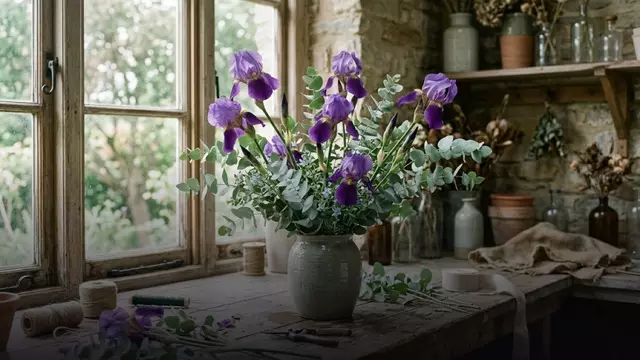
Yes, flowers will eventually die after you pick them, but cutting does not kill every part of the stem and bloom immediately. Their tissues remain alive for a time, and the cut stem can still take up water; without the plant’s roots and continuing supply of resources, however, the flower’s remaining life is limited.
That distinction explains why a freshly picked flower may recover in a vase while a dry, brittle bloom will not. Your aim is to help the stem absorb water, limit contamination and avoid conditions that speed ageing. Whether you are bringing garden flowers indoors or sending a bouquet to someone in Russia, good care starts with what happens between cutting and the first drink.
What actually happens when you pick a flower?
On the plant, a flower benefits from water and minerals supplied through the roots and sugars made by the leaves. Picking it breaks those connections. A cut stem still contains conducting tissue that can carry water upwards, so placing it in a vase supports living cells even though it does not restore the whole plant’s supply system.
Flowers also age naturally, including when they remain attached to the plant. Petals open, change and eventually deteriorate as part of the bloom’s development. Cutting adds stresses such as water loss and damage at the stem end. How far the flower had already developed when picked therefore matters alongside how you care for it afterwards.
Picking a flower is different from killing the parent plant. Removing a bloom from a healthy plant does not usually kill that plant, although cutting too much foliage or damaging its growing parts can weaken it. A flower head picked without a usable stem is harder to keep hydrated in a vase because it lacks the length of stem normally placed in water.
Why some picked flowers wilt sooner than others
Wilting often starts when a flower loses water faster than its stem can replace it. Leaves and petals continue to release moisture after cutting, while time out of water interrupts uptake. A soft, drooping stem may therefore indicate a hydration problem, but drooping alone cannot tell you whether the flower will recover or how much life remains.
Dirty containers and decaying leaves create another problem: microorganisms can build up in the water and interfere with uptake through the stems. A crowded vase can also leave foliage trapped below the waterline, where it breaks down. This is why washing the vase and removing submerged leaves are useful care steps, rather than simply ways to make an arrangement look tidy.
The flower’s type, maturity and handling history all affect how it behaves. A fully open bloom is at a different stage from a bud, and some very immature buds may never open successfully after cutting. Avoid judging freshness by tightness alone: look for firm stems, sound petals and an absence of slimy tissue or obvious decay.
Bouquets we can deliver




What to do immediately after picking or receiving flowers
Prepare a clean vase before you start arranging. Wash away residue from its previous use, rinse it thoroughly and add fresh water. If your flowers came with a cut-flower food sachet, follow its dilution instructions exactly. Do not make the mixture stronger to give the flowers an extra boost, or guess a dose for a different volume of water.
Use clean, sharp scissors or secateurs to remove a small section from each stem end, cutting back to sound tissue if the base is damaged. A modest angled cut is practical; keeping the cut clean and avoiding a crushed stem matter more than achieving a precise angle. Our guide to trimming flower stems after delivery explains the technique.
Remove leaves that would sit beneath the water, then place the stems in the vase promptly. Loosen packaging that prevents the stems from sitting properly or compresses the flowers. If you picked flowers outside, carry a clean water container when practical so they do not spend the journey indoors drying out on a table or in a warm car.
Daily care that helps a bouquet last
Check the water every day: stems can use enough to leave their cut ends exposed even while the vase still looks partly full. Top up as needed, and replace water that becomes cloudy or develops an unpleasant smell. When you change it, clean the vase, rinse the stems gently and remove any soft or decaying material before returning the arrangement.
Choose a place away from direct sun, heaters and strong draughts. Heat can increase water loss and speed flower development, while moving air can dry exposed tissues. Keep the arrangement away from ripening fruit too: ethylene released by some fruit can accelerate ageing in sensitive flowers. You do not need an exact room temperature to make these sensible positioning choices.
Remove fading flowers as they deteriorate instead of leaving them pressed against healthier blooms. Recut a stem if its base becomes damaged, using clean tools each time. Avoid improvised additions such as coins, aspirin or an unmeasured mixture of sugar and bleach; plain clean water is a better default than a homemade recipe whose concentration you cannot control.
Can a wilted flower recover, and when is it too late?
If a flower has drooped after time out of water but its stem and petals are still supple, try a clean vase, fresh water and a fresh stem cut. Place it somewhere cool and shaded, then give it time to take up water. Improvement is possible when dehydration is the main issue, but these steps cannot guarantee recovery or reverse natural ageing.
Look at the tissue rather than the posture alone. Dry, papery petals, extensive browning, mould or a soft, rotting stem suggest damage that hydration will not repair. A recovered stem can become firmer while an already bruised petal stays marked. Remove spoiled stems so their decaying material does not remain in the same water as the rest of the bouquet.
Do not apply one rescue trick to every flower. Boiling water, prolonged soaking of the flower heads or forcing open buds can damage unsuitable blooms. For a bouquet that has just arrived looking limp, start with the basic checks in why flowers look tired after delivery and how to revive them, then assess what changes after hydration.
Sending flowers to Russia with a sensible timing plan
If you are ordering from abroad, choose delivery timing around when the recipient can receive the flowers and put them in water. Turboflora delivers across Russia. Express delivery in large cities is available in 1–2 hours after order confirmation; other options include an exact time within ±30 minutes, windows of 09–12, 12–15, 15–18 or 18–21, and pre-ordering 1–30 days ahead.
City delivery costs 500 RUB; for remote districts and suburbs, the operator confirms the delivery price when confirming the order. Use WhatsApp for help choosing a bouquet, agreeing the address, timing and card text, or arranging a photo before delivery. Online checkout uses CloudPayments: check the payment options displayed there, as acceptance of every foreign card is not guaranteed.
The courier calls the recipient about 15 minutes before arrival. If they are absent, we agree a second delivery that day or handover to a neighbour or concierge with the sender’s consent. Delivery is anonymous by default, so add your name to the free message card if you want the recipient to know who sent it. A short care note can also help: “Please trim the stems and put them in a clean vase with fresh water.” Availability and timing of delivery across Russia are confirmed for the chosen city, address, date and bouquet.
Frequently asked questions
Do flowers die immediately when you pick them?
No. Their tissues remain alive for a time, and a cut stem can still absorb water, but the flower eventually fades after losing its connection to the parent plant.
How long will a picked flower live?
There is no single lifespan for all picked flowers. The species, stage of opening, handling and vase care all affect how long a bloom remains presentable.
Can I keep a picked flower alive by planting its stem?
Putting a cut flower stem into soil does not automatically turn it into a growing plant. Some plants can be propagated from suitable stem cuttings, but success depends on the species, the cutting and the conditions.
Will a picked flower bud still open?
Some buds continue opening after cutting if they are sufficiently developed and receive appropriate care. A very immature bud may fail to open, so a tightly closed flower is not automatically the best choice.
Does changing the water bring dead flowers back to life?
Fresh water and a clean stem cut may help a dehydrated flower that still has living, undamaged tissue. They cannot restore petals or stems that have dried out completely, rotted or reached the end of their natural life.
Ready to send flowers?
Pick the city, choose the bouquet, and a local florist takes it from there.
Choose a city →