Addressing the Card When Sending Flowers to Russia
You have chosen the bouquet, picked the delivery window, and now the cursor is blinking in the card field. This small rectangle of text is the first thing the recipient reads before they even lift the flowers — and in Russia, getting the name right signals something real: that you paid attention, that you know them, that this gift was not assembled in thirty seconds. A card addressed incorrectly can feel like a form letter. One addressed with warmth and the right cultural detail lands like a hand on the shoulder. Here is everything you need to know before you type a single word.
Why the Name on the Card Matters More Than You Might Think
In Russian culture, a person's name carries layers that English does not always reflect. There is the short everyday name a friend uses, the full formal name on a passport, and then the patronymic — a middle name built from the father's first name — that signals respect when used together with the first name. Choosing which layer to use on a flower card is not a small decision. It tells the recipient exactly how you see your relationship with them.
Imagine receiving a bouquet of garden roses and white lisianthus with a card that reads simply 'Tanya' from a colleague you have worked beside for three years. It might feel unexpectedly casual, even slightly dismissive. Conversely, a card from a close friend that opens with 'Tatyana Nikolayevna' can feel stiff and strange, as though something has gone wrong between you.
The bouquet itself sets a mood — soft peach spray roses suggest tenderness, a bold architectural arrangement of tropical protea and anthuriums suggests celebration and confidence — and the card should match that mood exactly. When the tone of the flowers and the tone of the words align, the whole gift breathes. When they clash, the recipient notices, even if they cannot name what feels off.
So before you write anything, ask yourself one question: how does this person introduce themselves to you? That answer will guide almost every choice that follows.
Bouquets we can deliver

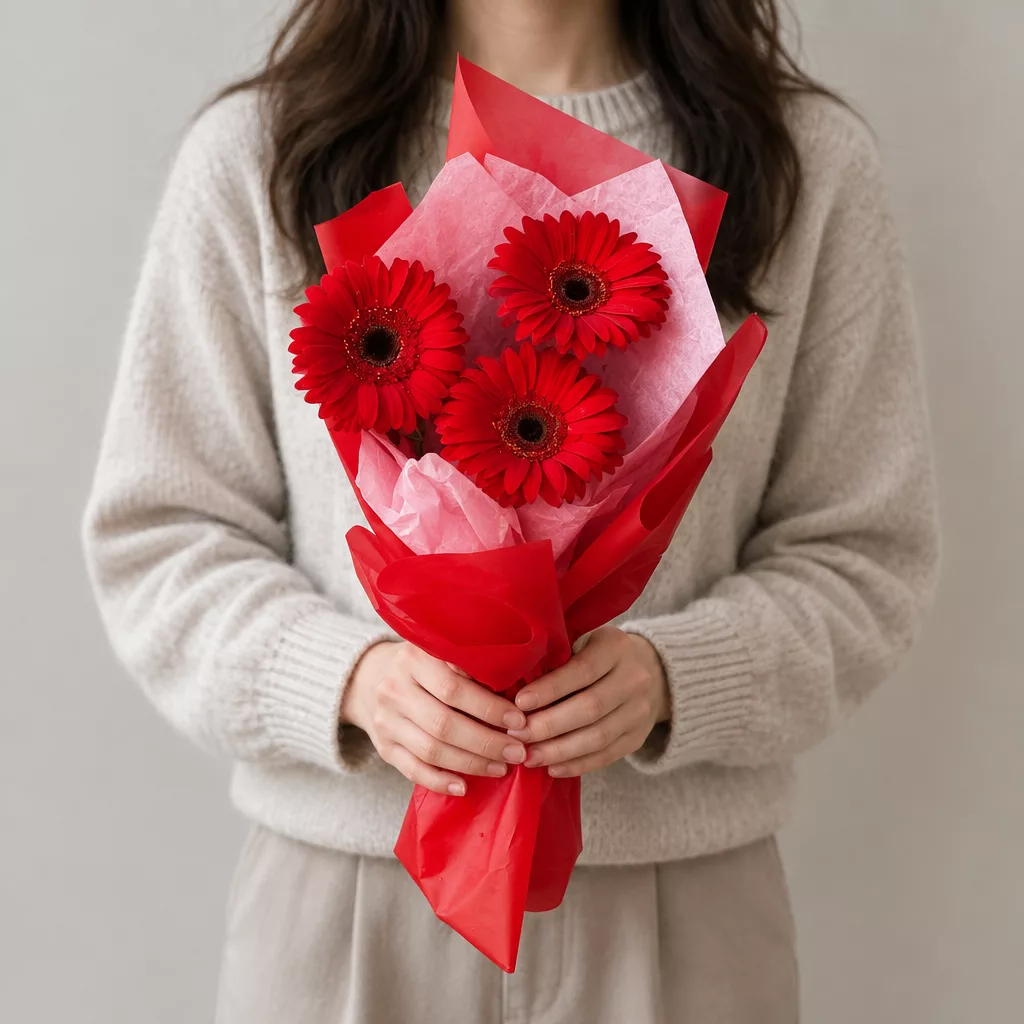
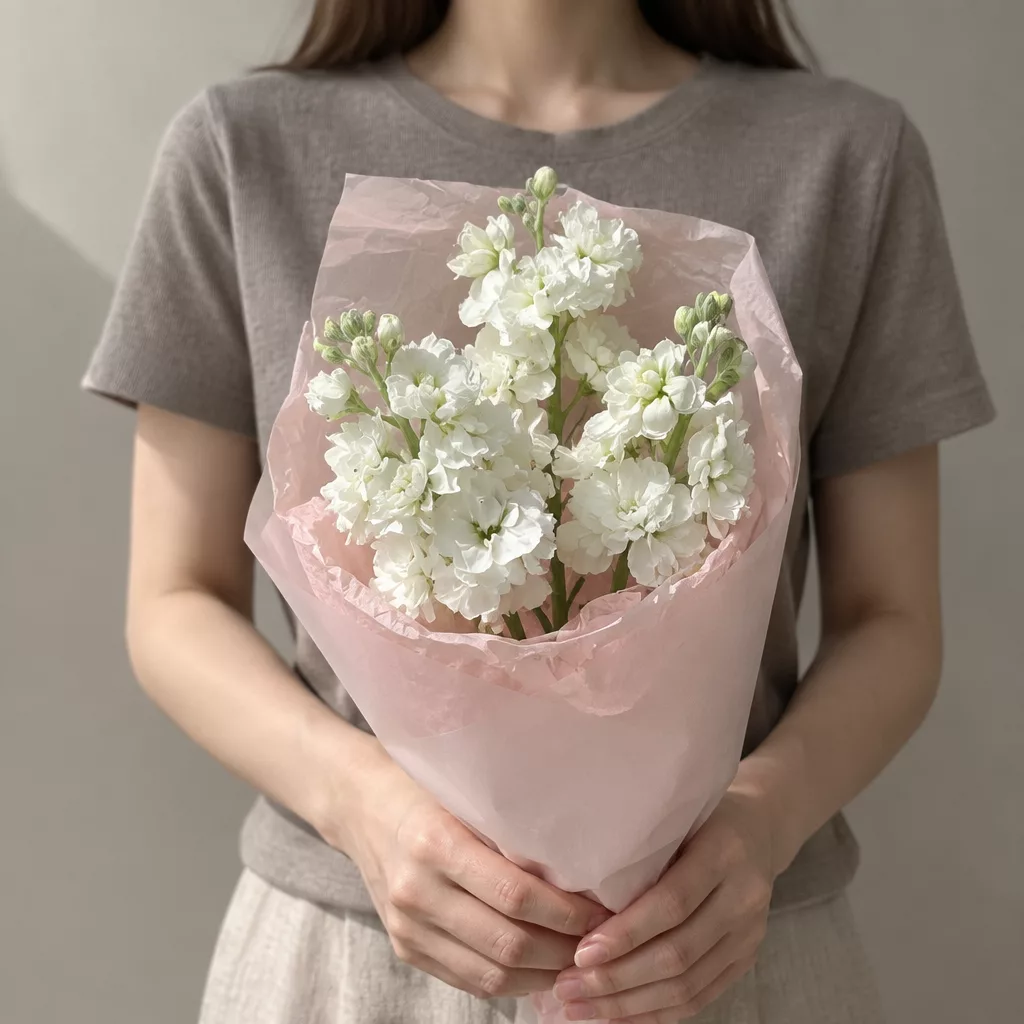
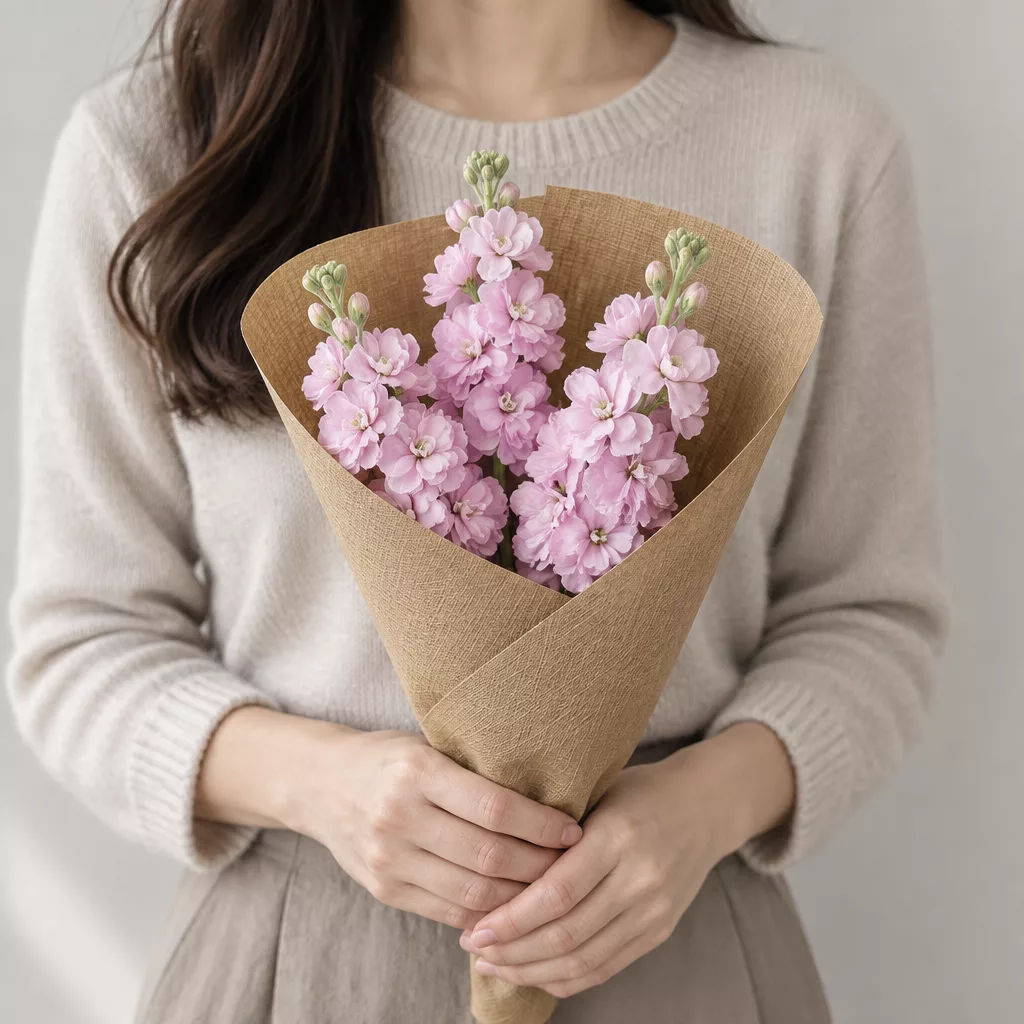
First Names: Formal, Diminutive and Everything Between
Russian first names come in several versions, and knowing which to use is the foundation of a well-addressed card. The full formal name — Aleksandr, Yekaterina, Mikhail, Natalya — appears on official documents and is used by people who do not know each other well, or in professional contexts where respect is being demonstrated deliberately. If you are sending flowers to a business partner, a senior colleague, or someone you have met only a few times, the full first name is the safe and courteous choice.
Diminutives are the shortened, affectionate versions used between friends and family. Aleksandr becomes Sasha or Shura. Yekaterina becomes Katya. Mikhail becomes Misha. Natalya becomes Natasha. These feel warm and immediate, and they are entirely appropriate when you genuinely share that kind of closeness with the recipient. Using a diminutive when you do not have that closeness, however, can feel presumptuous — the Russian equivalent of calling someone you barely know by a nickname they only share with their oldest friends.
For most international senders, the safest approach is to use whatever name the person uses when they write to you or introduce themselves. If their emails are signed 'Katya,' write Katya on the card. If they have always been 'Yekaterina' in every exchange, honour that. The flowers — whether a classic red rose arrangement or a loose, garden-style bunch of ranunculus and eucalyptus — deserve a card that feels equally considered. Matching the name to the relationship is the single most important thing you can do before you write another word.
The Patronymic: When to Use It and How to Spell It
The patronymic is the middle name formed from the father's first name with a suffix added. A man whose father is called Ivan will carry the patronymic Ivanovich. A woman in the same family will carry Ivanovna. Together, the first name and patronymic form what Russians call the 'name and patronymic' combination — used between adults who respect each other but are not close friends, and consistently used when addressing someone older or in a position of authority.
On a flower card, using the name and patronymic signals genuine respect. If you are sending flowers to a professor, a doctor, a senior colleague, or a friend's parent, opening the card with 'Irina Sergeyevna' or 'Andrei Vladimirovich' before your message will be noticed and appreciated. It shows cultural awareness that most international senders simply do not demonstrate.
Spelling the patronymic in Latin letters is where many people stumble. The endings to remember are -ovich and -evich for men, and -ovna and -evna for women. So if the father's name is Sergei, a son carries Sergeyevich and a daughter carries Sergeyevna. If the father's name is Dmitri, the forms are Dmitrievich and Dmitrievna. When in doubt, ask the person who placed the order — they almost always know the patronymic — or use only the first name rather than guessing and misspelling it. A bouquet of white tulips and green pittosporum is elegant and precise; the card should be too.
Titles and Honorifics: Keeping It Simple and Sincere
Russian does not use titles on flower cards the way English sometimes does. You will not typically see 'Mr.' or 'Mrs.' written before a name on a personal card — those belong to envelopes and formal correspondence, not to the small note tucked into a bunch of peonies or garden roses. What Russian card culture does value is the warmth of address itself: beginning the message with the recipient's name, written correctly and with care, functions as the honorific.
That said, there are a few specific situations where a title makes sense. If you are sending flowers to mark a professional achievement — a promotion, a graduation, a significant anniversary in someone's career — you might open with 'Doktor' or 'Professor' followed by the full name and patronymic. This is genuinely touching in those contexts and reads as sincere rather than formal.
For most occasions, though, the warmth comes from the name itself and what follows it. A card that opens with 'Dear Irina Sergeyevna' and then says something specific — about the occasion, about what you wish for her, about a shared memory — will move her far more than any title. The flowers do the visual work: a generous arrangement of blush and cream hydrangeas with white freesia fills the room with scent and softness. The card's job is to tell her exactly why those flowers arrived today, in words that only you could have written.
Writing the Message: Tone, Length and What to Avoid
Once the name is right, the message itself should be short, direct and genuine. Russian card culture does not demand elaborate prose. Two or three sentences that say something true are worth far more than a paragraph of generic good wishes. Think about what the occasion actually means, what you want the person to feel when they read it, and say that — simply.
Avoid translating English idioms directly into Russian on the card. Phrases that feel natural in English can arrive in translation sounding wooden or even puzzling. If you are writing in English for a recipient who reads it, write naturally. If you are attempting Russian, keep it to phrases you are confident about: 'S dnyom rozhdeniya' for happy birthday, 'Pozdravlyayu' for congratulations. A short sincere line in Russian lands better than a long uncertain one.
Do not write the card in all capitals. In Russian written culture, all capitals can read as shouting or as a formatting error, neither of which is the impression you want to leave beside a bouquet of coral charm peonies or a sculptural arrangement of white calla lilies.
One common mistake international senders make is leaving the card entirely blank, assuming the flowers speak for themselves. They do — but a card with a name and even one sentence transforms a beautiful object into a personal message. The recipient will keep the card long after the last petal has fallen. Make it worth keeping.
Practical Details: Cyrillic, Transliteration and Card Delivery
If you know the recipient's name in Cyrillic and are confident in the spelling, using the Russian alphabet on the card is a lovely touch — it shows effort and attention that will not go unnoticed. If you are not certain, transliteration into Latin letters is entirely acceptable and widely understood. What matters is accuracy, not the alphabet itself.
When entering the recipient's name and address for delivery, always double-check the transliteration of the name you want to appear on the card. A name entered one way in the delivery form and written differently on the card creates a small but noticeable inconsistency. Our florists at Turboflora prepare the card by hand before the bouquet leaves, so the name you provide in the card field is exactly what the recipient will read.
Timing also affects the card experience. When flowers arrive within one to two hours of ordering — which is the standard we work to across our delivery zones — the recipient is often still in the middle of their day. The card is read quickly, in that first moment of surprise. A name written correctly and a message that is short and warm is perfect for that moment. A long message risks being only half-read before the flowers are being unwrapped.
Finally, if you are unsure about any element of the name — the spelling of a patronymic, whether to use a diminutive, whether the person goes by their full name professionally — you can add a note to your order and our team will follow your instructions precisely. The bouquet of garden flowers you chose deserves a card that is just as carefully made.
A flower card is not an afterthought. It is the part of the gift that the recipient will read more than once — later that evening, or the next morning when the bouquet is on the kitchen table and the room smells of freesia. Getting the name right, matching the level of formality to the relationship, and saying something true in two or three sentences: these are small acts of attention that transform a beautiful arrangement into something the recipient will genuinely remember. The flowers do their work through colour and scent and the surprise of arrival. The card does its work through words that could only have come from you.
Frequently asked questions
Do I have to write the card in Russian, or is English acceptable?
English is perfectly fine, especially if the recipient reads it comfortably. A sincere message in English is always better than an uncertain one in Russian. If you want to include a short Russian phrase — a birthday greeting or a congratulation — keep it brief and to expressions you are confident about. Our team can note your preference when preparing the card.
What if I do not know the recipient's patronymic?
Simply use the first name alone. It is far better to write a name you are certain of than to guess at a patronymic and misspell it. If the relationship is close enough to use a diminutive, that is also a warm and appropriate choice. The patronymic adds a layer of respect, but its absence does not make the card rude — only the misspelling would.
Is it appropriate to use 'Dear' before the name on a Russian flower card?
Yes, 'Dorogoy' for a man or 'Dorogaya' for a woman — meaning 'dear' — is a genuinely warm and common opening on Russian cards. In English, 'Dear' works just as well and carries the same affectionate register. Either choice signals that the card was written with care rather than filled in quickly.
Can I send a card with just the name and no message at all?
You can, and sometimes a name alone with a single line — 'Thinking of you' or 'With love' — is exactly right. What we would gently advise against is leaving the card completely blank. Even one sentence tells the recipient why the flowers arrived today, and that context is what makes the gift personal rather than simply beautiful.
How do I handle the card if I am sending flowers to a couple rather than one person?
Address both names on the card, in whichever order feels natural — typically the person you know better first. You can write both full first names, or both diminutives if you are close to both of them. Avoid using only one person's name when the flowers are clearly intended for two; it can feel as though one of them was forgotten entirely.
Ready to send flowers?
Pick the city, choose the bouquet, and a local florist takes it from there.
Choose a city →