Year-End Client Gifts: Flowers Alongside or Instead of Hampers
December arrives and the same question lands on every account manager's desk: what do we send clients this year that actually means something? Hampers are safe, flowers feel personal, and somehow the deadline is always closer than expected. This article helps you think through both options clearly — what each one says to the person receiving it, where they fall short, and how pairing them together can make your end-of-year gesture land better than either would alone.
What a Year-End Gift Is Really Saying to Your Client
Before you choose between roses and a box of chocolates, it helps to think about what the gift is communicating. A year-end gift in a Russian business context is not just a seasonal formality. It signals that you noticed the relationship, that you value the person — not only the contract — and that you are thinking ahead to another year together. That is a lot to ask of a tin of biscuits.
Hampers became the default corporate gift because they feel generous and neutral at the same time. A well-filled hamper says: we appreciate you, here is something for your home, no awkwardness. It is a reliable choice, and clients generally receive it well. But reliable also means expected, and expected rarely feels memorable.
Flowers work differently on the recipient. When a bouquet arrives at someone's office or home, it creates a visible moment. Colleagues notice. The client has to find a vase, decide where to put it, and look at it for the next week or two. That is not an inconvenience — it is the gift continuing to work. A well-chosen arrangement in a client's favourite colours, or one that fits the season with branches of white spray chrysanthemum and eucalyptus, keeps your name in the room long after the card has been set aside.
The real question is not which one is better. It is which one fits the relationship you have with this particular client, and what you want them to feel when it arrives.
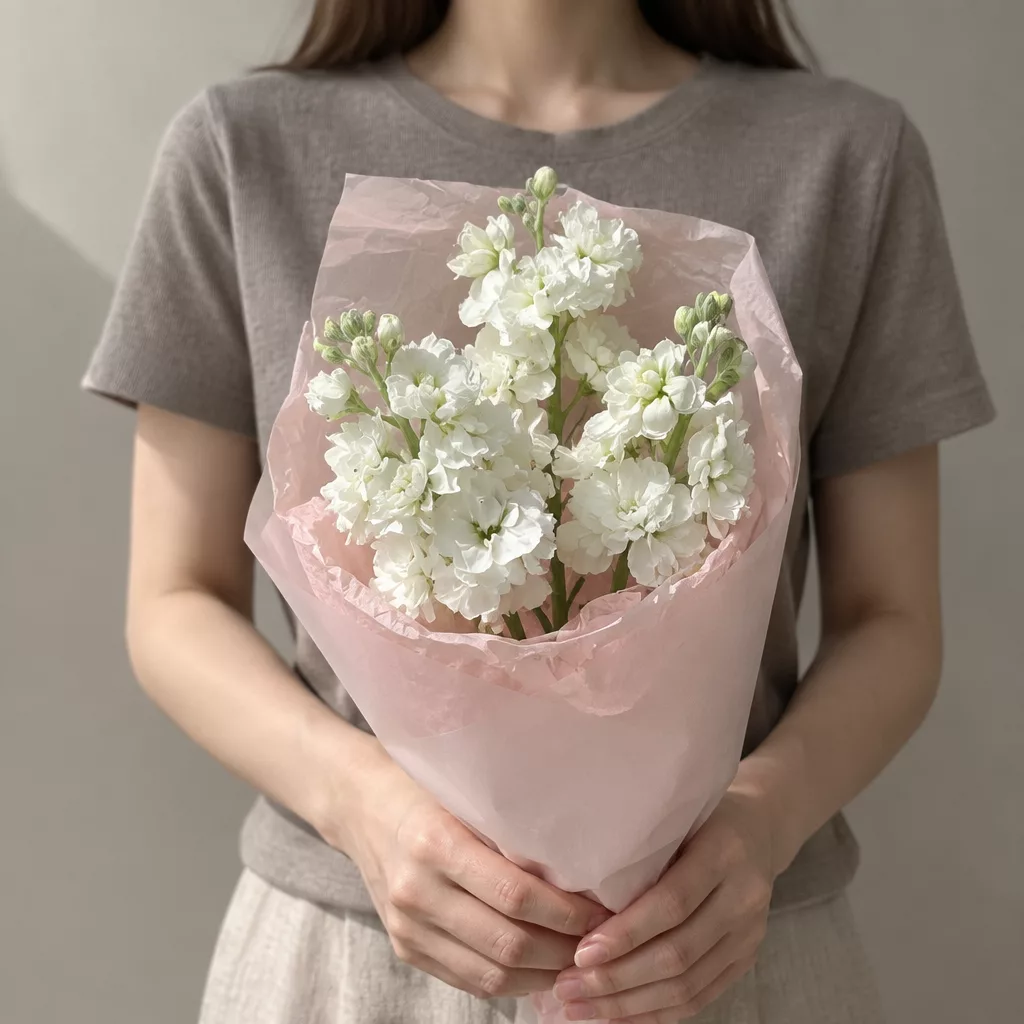
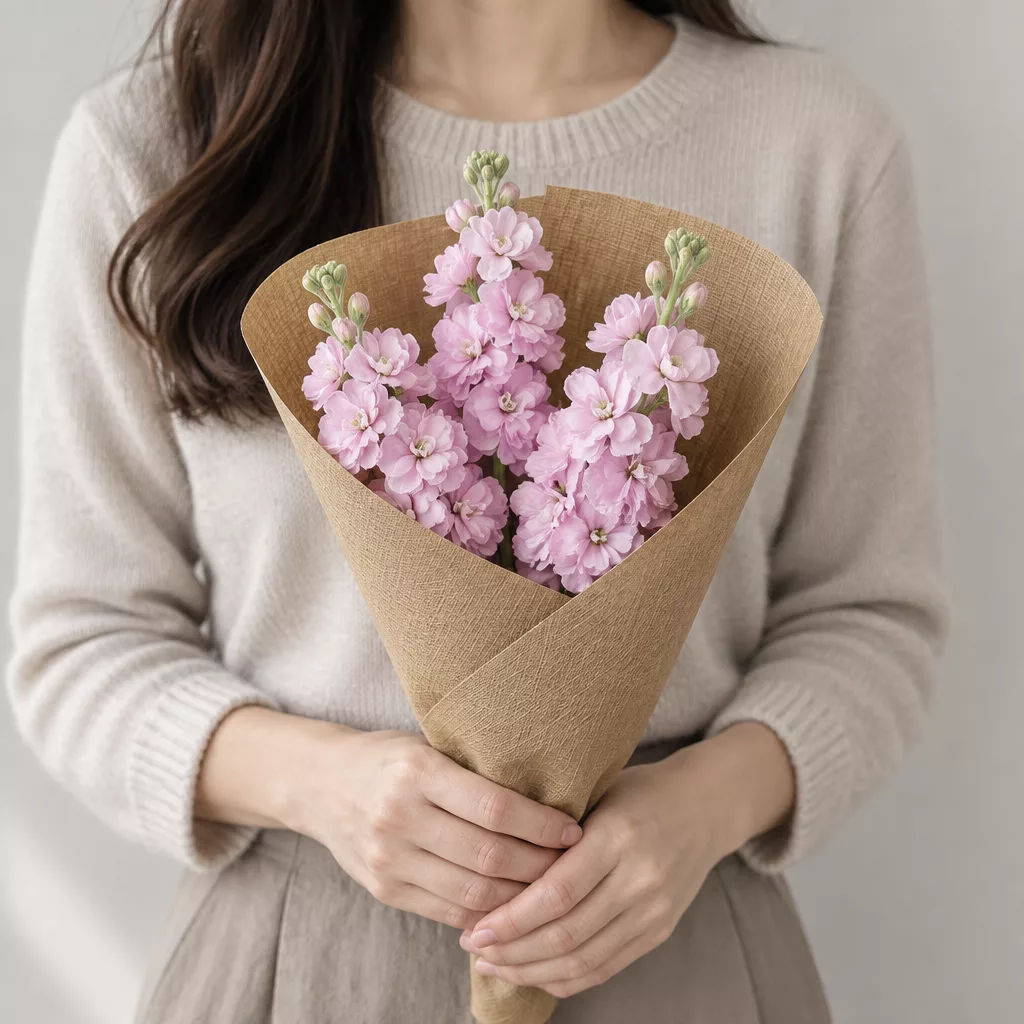
Bouquets we can deliver


Where Hampers Genuinely Win — and Where They Fall Short
Hampers have real advantages that are worth acknowledging honestly. They travel well. A curated box of tea, preserves, and quality confectionery can be sent across time zones without any concern about temperature or handling. For clients in Vladivostok, Novosibirsk, or Yekaterinburg who you cannot visit in person, a hamper is a practical and warm gesture that arrives intact.
They are also easy to share. A hamper placed in a reception area or a team kitchen becomes a small celebration for the whole office, which can actually strengthen goodwill beyond the one contact you are officially gifting. That communal quality is something a single bouquet cannot replicate.
Where hampers lose ground is in distinctiveness. Most mid-range corporate hampers contain broadly similar items, and the recipient often knows roughly what is inside before they open it. There is nothing wrong with that, but it does mean the gift rarely surprises anyone. It is consumed, appreciated, and forgotten within a week.
Hampers can also feel impersonal when the relationship is a close one. If you have worked with a client for three or four years, met them several times, and know something about their preferences, a generic food box can feel like you are treating them the same as a new contact you have never met. That gap between the warmth of the relationship and the neutrality of the gift is something recipients notice, even if they would never say so.
For newer or more formal client relationships, hampers remain an excellent choice. For established ones, they may need something alongside them.
Why Flowers Work Especially Well in Russian Year-End Culture
In Russia, flowers carry a strong social meaning that goes well beyond romance or celebration. They are given at graduations, on professional holidays, at business meetings, and whenever someone wants to show genuine respect. Arriving at a meeting with flowers for a key contact is not unusual — it is considered attentive. This cultural familiarity means a floral gift at year-end reads as thoughtful rather than eccentric, even in a corporate setting.
The timing also works in flowers' favour. The period between late December and early January is visually and emotionally significant in Russia. New Year is the main gift-giving occasion — larger and more emotionally weighted than in many Western countries — and the days leading up to it carry a particular warmth. A bouquet delivered during this window arrives at exactly the moment when people are most receptive to gestures of appreciation.
For clients who are women, flowers are an especially natural choice. Russian professional culture is comfortable with this, and a beautiful arrangement sent to a female client or a female decision-maker at a company is received with genuine pleasure rather than any awkwardness. For male clients, a more architectural arrangement — think tall white amaryllis, dark foliage, and a simple kraft wrap — works well and avoids anything that might feel overly soft.
One practical point: flowers delivered to an office in December need to be chosen with the indoor environment in mind. Centrally heated Russian offices can be very warm and dry, which shortens vase life. Varieties like chrysanthemums, alstroemeria, and carnations hold up considerably better than, say, garden roses in those conditions.
Choosing the Right Flowers for a Corporate Year-End Gift
The most common mistake in corporate flower gifting is choosing whatever looks impressive in a photo without thinking about where it will end up. A dramatic arrangement of garden roses and sweet peas is beautiful in a cool studio. In a warm office reception with no vase and a busy administrator, it becomes a problem within two days.
For corporate deliveries in December, the most reliable choices are sturdy, long-lasting varieties that still look refined. White and cream spray chrysanthemums are underrated for this purpose — they last ten to fourteen days with basic care and look elegant rather than casual. Alstroemeria in muted tones such as cream, peach, or burgundy adds colour and holds well. Hypericum berries in red or orange give a seasonal warmth without being obviously festive in a way that might not suit every client.
For clients where you want to make a stronger impression, amaryllis is striking and genuinely seasonal. A few stems of white or deep red amaryllis with dark eucalyptus branches and a clean linen ribbon says quality immediately. It also photographs well if the client shares it, which is a small bonus.
Avoid anything too delicate or too obviously romantic. Lily of the valley, for example, is a beautiful flower but carries personal associations. Single-variety red rose bouquets, while classic, can feel more intimate than appropriate for a client relationship.
Presentation matters as much as the flowers themselves. A clean, structured arrangement in a neutral wrap — kraft paper, white tissue, or a simple box — looks professional. Avoid excessive cellophane or plastic bows, which read as low-effort regardless of what is inside.
How to Combine Flowers and a Hamper in One Delivery
Pairing flowers with a hamper is not complicated, but it needs a little planning to feel intentional rather than like two separate gifts that happened to arrive together. The key is to make them speak to each other visually and in the message they carry.
The simplest approach is to match the colour palette. If your hamper is wrapped in dark green and gold, choose flowers in cream, white, or warm yellow that complement rather than clash. A burgundy ribbon on the bouquet that echoes a burgundy label on a bottle inside the hamper creates a sense of curation that recipients notice without necessarily being able to say why.
Keep the scale balanced. A large, elaborate bouquet alongside a modest hamper makes the hamper look like an afterthought. A small posy alongside a substantial gift box has the same problem in reverse. Aim for visual equivalence — both elements should look as though they belong together.
The card is where you tie it together. Rather than two separate cards, one message that references both elements feels more considered. Something as simple as mentioning that the flowers are chosen to last into the new year, while the hamper is something to enjoy over the holidays, gives the recipient a sense that this was thought about rather than assembled.
For logistics, coordinate the delivery so both arrive at the same time. Flowers left waiting in a reception area while a hamper arrives separately the next day loses the effect entirely. A single delivery window, confirmed in advance, keeps the moment intact.
Scaling Your Order When You Have Many Clients to Gift
Individual clients are straightforward. The challenge most businesses face is gifting thirty, fifty, or a hundred clients simultaneously while keeping each gesture feeling personal rather than mass-produced. This is where a clear system saves a great deal of stress.
Start by segmenting your client list into two or three tiers based on relationship depth and commercial importance. This is not about valuing people differently in any uncomfortable sense — it is about matching the gesture to the relationship honestly. Your longest-standing clients deserve something more considered than a new contact you met twice this year.
For the top tier, a combined flower and hamper delivery is worth the investment. For the mid-tier, a well-chosen bouquet with a handwritten card often lands better than a generic hamper. For a broader list of contacts, a single variety arrangement — perhaps a wrapped bundle of seasonal branches with white chrysanthemums — is clean, professional, and scalable without looking cheap.
Order early. December is the busiest delivery period of the year, and flowers in particular need to be planned at least a week ahead to ensure the varieties you want are available. Specific requests — particular colours, no strongly scented flowers for an office environment, arrangements that fit a certain height for a reception desk — need even more lead time.
Provide delivery addresses and time windows in advance. For corporate deliveries, someone needs to be present to receive flowers, especially if they are going to a home address. Confirming this detail before dispatch avoids the waste of a beautiful arrangement sitting in a hallway for hours.
The Card, the Message, and the Detail That Makes It Personal
The physical card that accompanies a corporate flower delivery is small, but it carries a disproportionate amount of the gift's meaning. A generic printed message inside a branded envelope signals effort at the logistics level and very little at the human level. A short, specific message — even two or three sentences that reference something real about the year you shared — changes the entire experience of receiving the gift.
You do not need to write something elaborate. Mentioning a project you worked on together, a challenge you navigated, or simply something you genuinely appreciated about the relationship is enough. The specificity is what matters. It tells the recipient that someone actually thought about them, not about clients in general.
In Russian business culture, the closing of the year and the approach of New Year carries a particular emotional weight. Acknowledging the year that is ending, and expressing genuine anticipation of the one ahead, is a natural and well-received note to strike. Avoid purely formulaic phrases — the standard ones are so familiar that they register as background noise.
If you are sending to clients across different regions of Russia, be aware that New Year is celebrated on the night of December 31st and is the primary occasion. Christmas is observed by many Russian families on January 7th according to the Orthodox calendar. Timing your delivery to arrive in the last week of December, rather than mid-month, puts it closest to the moment when it will feel most relevant.
A small, genuine card paired with beautiful flowers does more for a client relationship than an expensive gift with a printed label. That combination of care and quality is exactly what a year-end gift is supposed to communicate.
Choosing between flowers and a hamper for year-end client gifts is less important than choosing with intention. A hamper that travels well and suits a formal relationship, a bouquet that keeps your name visible in a client's office for two weeks, or a considered combination of both — each of these works when it is matched to the relationship and delivered with a message that means something. The clients who matter most to your business deserve a gesture that reflects how well you actually know them. Flowers, chosen carefully and delivered on time, do that better than almost anything else you can send.
Frequently asked questions
Is it appropriate to send flowers to a male business client in Russia?
Yes, with the right arrangement. Choose something structured and architectural — white amaryllis, dark foliage, or a clean monochromatic bouquet — rather than a soft mixed arrangement. Russian business culture is comfortable with flowers as a professional gift for men, particularly when the presentation is confident and the variety choices are bold rather than delicate.
How far in advance should I order corporate flower deliveries for December?
At least seven to ten days ahead for standard orders, and two weeks or more if you have specific variety or colour requirements. December is the highest-demand period for flower deliveries across Russia. Leaving it to the final few days risks limited availability on the varieties that present well in a corporate context, particularly amaryllis and premium spray chrysanthemums.
Which flowers last longest in a warm office environment?
Spray chrysanthemums, alstroemeria, and carnations are the strongest performers in centrally heated offices, lasting ten to fourteen days with basic care. Hypericum berries also hold well. Garden roses and sweet peas are beautiful but significantly more fragile in warm, dry conditions and are better suited to home deliveries where the recipient can manage the environment more carefully.
Can Turboflora handle a large list of corporate deliveries to different addresses?
Yes. For bulk corporate orders, provide your full address list and preferred delivery windows as early as possible. Coordinating multiple deliveries across a single day or across several days is manageable with advance planning. Confirm that someone will be present at each address, especially for home deliveries, to ensure the flowers are received promptly and in good condition.
What is the best timing for a year-end flower delivery in the Russian calendar?
The last week of December is ideal, as it sits closest to New Year's Eve on December 31st, which is the main gift-giving occasion in Russia. Delivering too early — say, the first two weeks of December — can feel premature. Delivering after December 30th risks missing people who have already left for the holidays, particularly in larger companies where offices close before the new year.
Ready to send flowers?
Pick the city, choose the bouquet, and a local florist takes it from there.
Choose a city →