Yellow Flowers with Negative Meanings and How to Avoid Misunderstandings
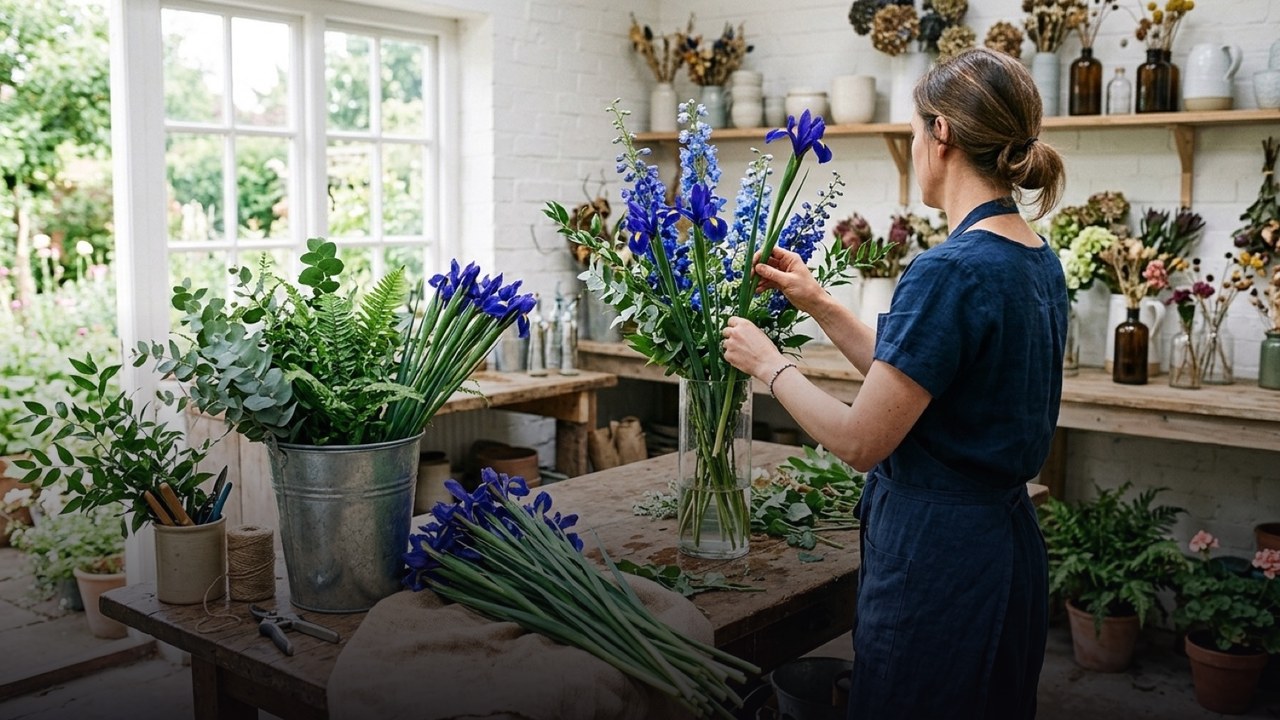
Yellow flowers with negative meanings include yellow carnations, associated with rejection in some traditional flower-language guides, and yellow roses, historically linked with jealousy or infidelity in some traditions. In Russia, yellow flowers can also suggest separation, although these interpretations are neither universal nor a reliable guide to what every recipient believes.
The practical question is whether the person receiving your bouquet will enjoy the colour or worry about its message. If you are sending flowers to someone in Russia from abroad, their preferences, your relationship and the occasion matter more than a symbolism chart. Here is how to recognise the potentially awkward associations and choose with confidence.
Which yellow flowers have potentially negative meanings?
Yellow carnations deserve particular care if you are choosing by traditional symbolism. Some flower-language guides connect them with disdain, disappointment or rejection. That makes them an uncertain choice for an apology or a first romantic gift when you do not know the recipient's tastes. Someone who simply loves carnations may attach none of these meanings to them.
Yellow roses have a more mixed history. Older Western interpretations sometimes connect them with jealousy or unfaithfulness, while many contemporary recipients understand them as friendship, warmth or happiness. Neither reading applies everywhere. Before sending yellow roses to a romantic partner, consider whether you have discussed their favourite colours and whether the relationship is already under strain.
Yellow chrysanthemums appear in some historical flower-language lists as a sign of slighted love. This is a narrow, tradition-dependent interpretation, rather than an inherent meaning of the flower. Chrysanthemum customs also vary between countries, so a recipient's cultural background matters. Avoid treating an English-language symbolism list as a rule that automatically governs a gift in Russia.
Why yellow flowers can suggest separation in Russia
In Russia, a familiar superstition connects yellow flowers with parting or separation. You may encounter it even when the recipient cannot name a particular flower with a negative meaning: the concern can be about the colour of the whole bouquet. It is a cultural association some people take seriously, rather than a prediction about what will happen after the gift.
There is no sound reason to assume that every Russian recipient dislikes yellow flowers. A person who grows yellow tulips or regularly chooses yellow roses has given you a much more useful clue than a general cultural rule. If their preferences are unknown, however, an all-yellow romantic bouquet introduces an ambiguity you can easily avoid by choosing a different palette.
Be especially thoughtful when flowers accompany an apology, a farewell or a conversation about your relationship. In those settings, an unintended suggestion of separation may feel more significant. For wider context, read our guide to yellow flowers and Russian superstition, then use what you know about the person to make the final choice.
Bouquets we can deliver




Match the bouquet to your relationship and occasion
For a romantic gift, start with colours your partner has enjoyed before. If you have no clues and want to avoid the separation association, pink or a soft mixed palette can remove that particular concern. Do not assume that changing the colour explains everything: a brief card saying why you are sending flowers is often more useful than relying on an unspoken floral code.
For a friend, relative or colleague, yellow can be an entirely comfortable choice when it suits their taste. A birthday bouquet for someone who loves yellow does not need to become a lesson in superstition. If you are sending a group gift, consider the recipient's preferences first; the fact that several senders like a particular colour tells you little about how it will be received.
For condolences or another solemn occasion, check the family's customs before selecting flowers for their supposed meaning. Nationality alone will not tell you every preference, and customs can differ between families. In Russia, flower numbers also carry significance: an even number of cut flowers is traditionally associated with mourning. Our guide to flower number meanings explains that separate consideration.
Use colour and a clear card message thoughtfully
A mixed bouquet can make yellow a smaller visual element, but it does not erase a recipient's beliefs. If someone has explicitly said that yellow flowers mean separation to them, respect that preference instead of adding white or pink and hoping the concern disappears. If they like yellow, a mixed arrangement lets you include the colour without making it the entire focus.
Write a card that names the occasion and your intention in ordinary language. For a friend, try: 'Happy birthday, Anna. I chose this colour because I know you love it.' For a partner, a direct message such as 'Thinking of you and looking forward to seeing you' gives useful context. Avoid joking about jealousy or breakups unless you are certain the joke will be welcome.
Remember that an unsigned bouquet can create uncertainty even when its colours are carefully chosen. Our delivery is anonymous by default: the courier does not name the sender. A card with your text is free, so include your name if you want the recipient to know who sent it. For an apology or a sensitive romantic gesture, identifying yourself helps the message make sense.
How to arrange a thoughtful flower delivery to Russia
Start with the recipient's city, address, occasion and any known flower or colour preferences. Browse the bouquets catalogue, or contact a manager on WhatsApp for help choosing a bouquet and agreeing the time, address and card text. You can also discuss a photo of the bouquet before delivery. Mention a concern about yellow explicitly so it informs the choice.
We deliver flowers across Russia. City delivery costs 500 RUB; for remote districts and suburbs, the operator confirms the price when confirming your order. In large cities, express delivery takes 1–2 hours after order confirmation. Other options are an exact time with a tolerance of plus or minus 30 minutes, the windows 09–12, 12–15, 15–18 or 18–21, or pre-ordering 1–30 days ahead.
Choose a time when the recipient is likely to be available and remember that the courier calls about 15 minutes before arrival. If the recipient is absent, we agree a second delivery the same day or a handover to a neighbour or concierge with the sender's consent. Online checkout uses CloudPayments; check the options displayed there rather than assuming that every foreign card will be accepted.
Help the flowers last, and respond calmly to a misunderstanding
Once the bouquet arrives, practical care matters more to its condition than colour symbolism. Use a clean vase, remove any leaves that would sit below the waterline and recut the stems with a clean, sharp tool before placing them in water. If flower food is supplied, follow its instructions. Check the water daily and replace it when it becomes cloudy, cleaning the vase as needed.
Keep the bouquet away from direct sun, heaters and ripening fruit. Different flowers have different care needs, so follow any instructions supplied for the particular bouquet rather than applying a tip for one species to every stem. Remove fading flowers and fallen leaves promptly. These simple steps help you care for the arrangement without needing to guess at precise storage temperatures.
If the recipient mentions a negative association, acknowledge it without arguing about whether the superstition is correct. You might say, 'I chose yellow because I thought you would enjoy the colour. I meant it as a warm birthday wish.' Then remember their preference for next time. When you are unsure before ordering, a familiar favourite colour and a clear, signed card are a considerate starting point. We deliver bouquets across Russia in 1–2 hours.
Frequently asked questions
Do all yellow flowers have negative meanings?
No. Meanings vary with the flower, cultural tradition and recipient, and yellow can also suggest friendship or happiness. The person's own preferences are the most useful guide.
Do yellow roses mean cheating?
Some older flower-language traditions link yellow roses with jealousy or infidelity, but this is not a universal interpretation. Many people receive them as a friendly or cheerful gift.
Is it rude to send yellow flowers to someone in Russia?
It can be awkward if the recipient associates yellow with separation, particularly for a romantic occasion. If you do not know their views, choose a colour they have enjoyed before or ask about their preferences.
Can a card prevent a misunderstanding about yellow flowers?
A clear card can explain your intention, especially when you name the occasion and sign it. It cannot override a known dislike, so respect any preference the recipient has already expressed.
Can I pay for flowers to Russia with a foreign card?
Online checkout uses CloudPayments. Check the payment options displayed at checkout; acceptance of every foreign card is not guaranteed.
Ready to send flowers?
Pick the city, choose the bouquet, and a local florist takes it from there.
Choose a city →