Anniversary Flowers in Russia: Choosing the Right Bouquet for the Moment
An anniversary is one of those occasions where the flowers do the talking before a single word is said. Whether you are sending a bouquet to a partner in Moscow, a parent in Novosibirsk, or a couple celebrating decades together in Saint Petersburg, the choices you make — the flower, the count, the colour, the timing — carry real meaning in Russia. This guide walks you through all of it, from what Russian tradition actually expects to how you can coordinate a perfectly timed surprise from the other side of the world.
What Anniversary Flowers Mean in Russian Culture
In Russia, flowers are not simply decorative. They are a language, and anniversaries are one of the moments when that language is spoken most carefully. The recipient will notice the count of stems, the colour palette, and whether the arrangement feels considered or generic. Getting these details right signals that you truly thought about the person, not just the occasion.
Russian tradition draws a clear line between flowers given to the living and flowers associated with mourning. For any celebratory occasion, you always give an odd number of stems. This is not superstition for its own sake — it is a deeply ingrained social habit, and an even-numbered bouquet at an anniversary will genuinely unsettle the recipient, no matter how beautiful the flowers are. The rule applies whether you are sending five roses or twenty-one.
Beyond the count, colour carries weight. Red communicates deep romantic love and is the default for spouses. Soft pinks and creams work beautifully for parents or close friends celebrating a milestone together. White is elegant but can feel cool unless it is warmed with greenery or blush accents. Mixing colours intentionally — say, coral and ivory garden roses — reads as modern and tasteful rather than indecisive. When you understand these signals, you can compose a bouquet that feels personal rather than purchased.
Bouquets we can deliver

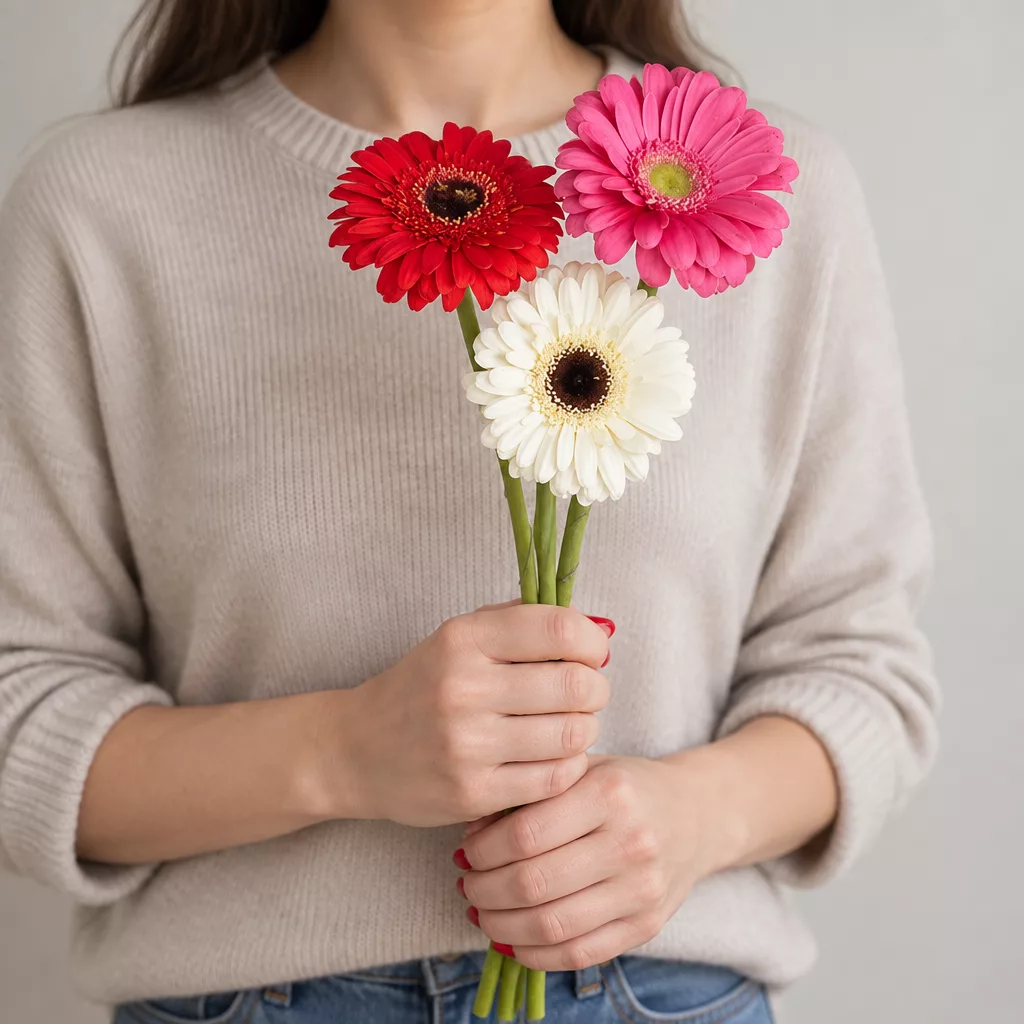

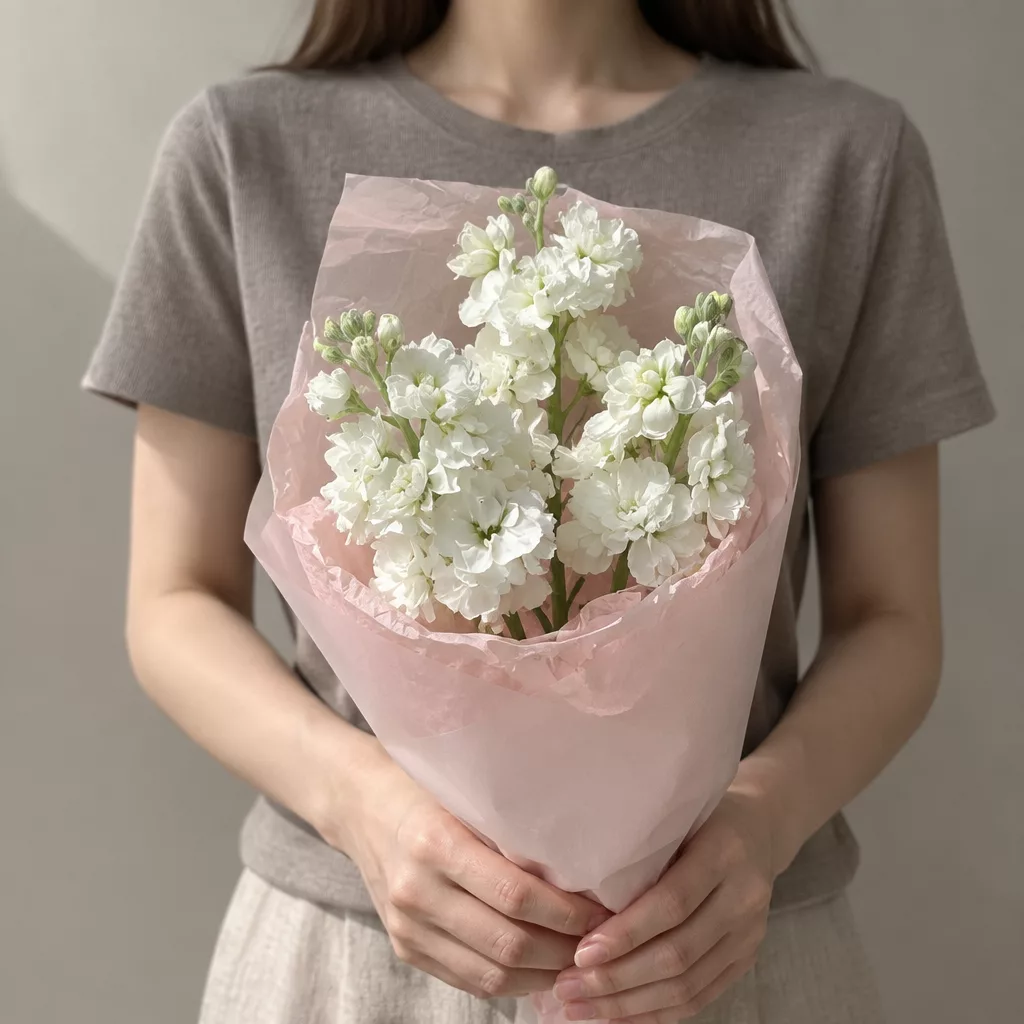
The Significance of Rose Counts at Russian Anniversaries
The number of roses in a bouquet is one of the first things a Russian recipient will count, consciously or not. Each number carries an informal meaning that has built up over generations, and anniversary bouquets follow a loose but recognisable logic.
For a first anniversary or a younger couple, seven or nine roses is a warm, romantic gesture that does not feel excessive. For a fifth or tenth anniversary, fifteen or nineteen stems signals a more serious investment of feeling. Round anniversaries — twenty-five years, fifty years — call for larger counts. Twenty-five stems of spray roses mixed with garden roses, or thirty-one long-stemmed roses in a structured round bouquet, both read as genuinely grand gestures in Russia.
For a silver anniversary, some families appreciate white or blush roses specifically, since silver and pale tones echo the occasion. A golden anniversary, fifty years, is rare and precious; deep red roses in a generous count, perhaps fifty-one stems, honour the weight of the milestone without needing any explanation.
One practical note: very large bouquets of long-stemmed roses are heavy and require a wide vase. If the recipient lives alone or is elderly, consider a mixed arrangement with fewer long stems and more volume from supporting flowers like lisianthus or ranunculus. The impression is equally generous, and the bouquet is far easier to handle and arrange at home. The goal is always that the flowers feel like a gift, not a task.
Choosing Flowers for Different Anniversary Milestones
Not every anniversary calls for roses. The milestone itself often suggests a flower or a mood, and working with that suggestion produces a bouquet that feels genuinely tailored rather than default.
A first anniversary is fresh and optimistic. Tulips in a single strong colour — deep violet, coral, or pure white — are lively and modern. Anemones with their dark centres add drama without formality. A mixed bouquet of ranunculus and eucalyptus reads as contemporary and thoughtful.
A tenth anniversary is a real landmark. This is where peonies, when in season from late April through June, are extraordinary. A bouquet of coral or blush peonies, fully open, is one of the most generous-looking arrangements possible. Outside peony season, garden roses in soft apricot or cream with veronica and ruscus achieve a similar lush quality.
A twenty-fifth anniversary deserves something architectural. Consider a structured bouquet of white and silver-toned flowers — white lisianthus, white spray roses, dusty miller for its silvery leaf — that references the silver theme without being literal about it.
For a fiftieth anniversary, the flowers should feel abundant and warm. Deep red roses mixed with burgundy calla lilies and dark green foliage create a bouquet that is rich, celebratory, and unmistakably significant. Avoid anything that looks sparse at this milestone. The volume and fullness of the arrangement communicates the scale of the occasion before the recipient even reads the card.
Matching Your Budget to the Right Arrangement
A beautiful anniversary bouquet does not require the largest possible stem count. What it requires is proportion — the right flowers chosen and composed well, so that the arrangement looks intentional and generous within whatever budget you are working with.
At a modest budget, mono-bouquets perform exceptionally well. Fifteen tulips in a single colour, wrapped cleanly with kraft paper and a ribbon, look deliberate and elegant. A tight cluster of spray roses in a single shade has real visual impact because the repetition reads as a design choice rather than a limitation.
At a mid-range budget, mixed bouquets open up. This is where you can combine a focal flower — garden roses, lisianthus, or ranunculus — with supporting textures like waxflower, eucalyptus, or pittosporum. The layering of textures makes the bouquet look more expensive than a simple stem count would suggest, because the eye travels across the arrangement and finds something new at each level.
At a higher budget, consider premium focal flowers: peonies in season, large-headed garden roses like David Austin varieties, or calla lilies in unusual colours like burgundy or deep plum. These flowers have a presence that fills a room. Pair them with minimal greenery so the flowers remain the focus, and choose a wrap or box that matches the quality of the stems inside.
In every budget range, freshness matters more than variety. A simple bouquet of perfectly fresh carnations outperforms a complex arrangement of wilting mixed flowers every single time.
Coordinating a Surprise Delivery Across Russian Time Zones
Russia spans eleven time zones, which means that coordinating a surprise anniversary delivery requires a moment of genuine planning. If you are in London sending flowers to Yekaterinburg, that recipient is four hours ahead of Moscow and five hours ahead of you. A delivery you imagine arriving at noon their time needs to be ordered well before your own morning begins.
The first step is to confirm the recipient's local time zone and convert it honestly. Yekaterinburg is UTC+5, Novosibirsk is UTC+7, Vladivostok is UTC+10. Saint Petersburg and Moscow share UTC+3. Once you know the local time, work backwards from the moment you want the flowers to arrive.
For same-day delivery in Saint Petersburg, orders placed before early afternoon on the day are straightforward. For next-day delivery to other cities, placing your order the evening before gives the most flexibility. If the anniversary falls on a Monday, ordering on Sunday evening is always safer than Monday morning.
For a genuine surprise, give a delivery window rather than a precise time. Flowers arriving between eleven in the morning and one in the afternoon on an anniversary day land at a natural moment — after the morning rush, before the day becomes complicated. Avoid requesting delivery in the early evening if the couple has dinner plans, since the recipient may be out.
If the recipient works from home, a daytime delivery is ideal. If they work in an office, confirm whether they will actually be there, or arrange delivery to a home address with a trusted neighbour or building concierge noted in the delivery instructions.
Seasonal Considerations and Flower Availability in Russia
Russia's climate shapes flower availability in ways that matter for anniversary planning. Understanding the seasons helps you choose flowers that are at their freshest rather than forcing varieties that are out of their natural window.
Winter in Russia, from November through February, is the season of roses, chrysanthemums, and imported tropical flowers. Roses are actually at their most reliable during winter because cold temperatures during transport preserve them well. Alstroemeria, gerbera, and carnations all hold beautifully in cold weather. Avoid delicate open-faced flowers like anemones in deep winter if the delivery involves any outdoor transit time, since frost can damage open petals.
Spring, from March through May, brings tulips in extraordinary variety — single, double, parrot, and fringed types all arrive in full colour. Hyacinths are intensely fragrant and make a powerful impression in a mixed spring bouquet. By late April, the first peonies appear, and from May through June they are at their peak.
Summer is the season of garden roses, lisianthus, and fresh herbs like lavender, which can add an unexpected and lovely note to an anniversary arrangement. Sunflowers, though often associated with informal occasions, work beautifully in a structured anniversary bouquet when combined with cream roses and dark foliage.
Autumn brings dahlias, which are among the most visually spectacular flowers available. A bouquet of café au lait dahlias — a warm caramel-and-cream variety — with deep burgundy foliage is one of the most striking anniversary arrangements of the year, and it is only possible from August through October.
Helping the Flowers Last: Care After Delivery
An anniversary bouquet should look beautiful not just on the day it arrives but for as long as possible afterward. Giving the recipient a simple set of care instructions, either in a note or passed along through the order, makes a real difference to how long the flowers last.
The most important step is a fresh cut. When the bouquet arrives, the stems should be cut at a diagonal angle, about two centimetres from the bottom, using a sharp knife rather than scissors. Scissors can crush the stem tissue and reduce water uptake. This cut should happen before the stems go into water, ideally under running water to prevent air bubbles from entering the stem.
The vase should be clean and filled with cool, fresh water. Warm water encourages faster opening but shorter vase life. For an anniversary, where you want the flowers to last several days, cool water is better. Remove any leaves that would sit below the waterline, since submerged foliage rots quickly and clouds the water with bacteria.
Roses typically last seven to ten days with proper care. Lisianthus and carnations can last two weeks or more. Peonies, though spectacular, have a shorter vase life of five to seven days. Tulips continue to grow after cutting and will lean toward light sources, which can look charming or untidy depending on the vase.
Keeping the bouquet away from direct sunlight, radiators, and fruit bowls — ethylene gas from ripening fruit accelerates flower ageing — will add days to the arrangement. Changing the water every two days and re-cutting the stems once keeps everything fresh and clear.
Choosing anniversary flowers for someone in Russia is a genuinely meaningful act when you understand the customs behind it. The odd stem count, the colour that matches the relationship, the flower that suits the milestone, the delivery timed to land at exactly the right moment — each of these details adds up to a bouquet that the recipient will remember. Turboflora delivers fresh flowers across Russia within one to two hours, so whether the anniversary is today or you are planning ahead for next week, the timing is always in your hands. We deliver bouquets across Russia in 1–2 hours.
Frequently asked questions
Why do Russian anniversary bouquets always have an odd number of flowers?
In Russian tradition, even numbers of flowers are associated with mourning and are brought to funerals. For any celebratory occasion, including anniversaries, an odd number is always given. This is a firmly held social custom across Russia, and most recipients will count the stems instinctively, so it is important to follow the rule regardless of the bouquet size.
Can I order anniversary flowers in Saint Petersburg for delivery the same day?
Yes. Turboflora delivers fresh flowers across Russia within one to two hours of ordering. For same-day delivery in Saint Petersburg, place your order with enough lead time before the delivery window you need. If you are ordering from a different time zone, convert the recipient's local time carefully before selecting your slot to avoid a delivery that arrives too early or too late.
What flowers are best for a fiftieth wedding anniversary in Russia?
A fiftieth anniversary calls for an abundant, warm arrangement. Deep red roses in a generous odd count — fifty-one stems is a meaningful choice — combined with burgundy calla lilies and rich green foliage create a bouquet that feels as significant as the milestone. The fullness and volume of the arrangement matter as much as the specific variety, so avoid anything that looks sparse or minimal at this occasion.
Are peonies available year-round for anniversary bouquets in Russia?
Peonies have a natural season running from late April through June in Russia, and this is when they are at their most spectacular and most affordable. Outside this window they can be sourced through import, but availability is less reliable and quality varies. If your anniversary falls outside peony season, garden roses or lisianthus in similar soft tones achieve a comparable lush effect.
How do I write the card message for an anniversary bouquet delivered in Russia?
Keep the message warm and personal. Russian recipients appreciate sincerity over formality. A short note in Russian is always a lovely touch if you can manage it — even a simple phrase like 'S godovshchinoy' meaning 'Happy Anniversary' will be noticed and appreciated. If you write in English, that is perfectly fine too. The flowers themselves carry most of the message.
Ready to send flowers?
Pick the city, choose the bouquet, and a local florist takes it from there.
Choose a city →