Are You Supposed to Take Leaves Off Roses?
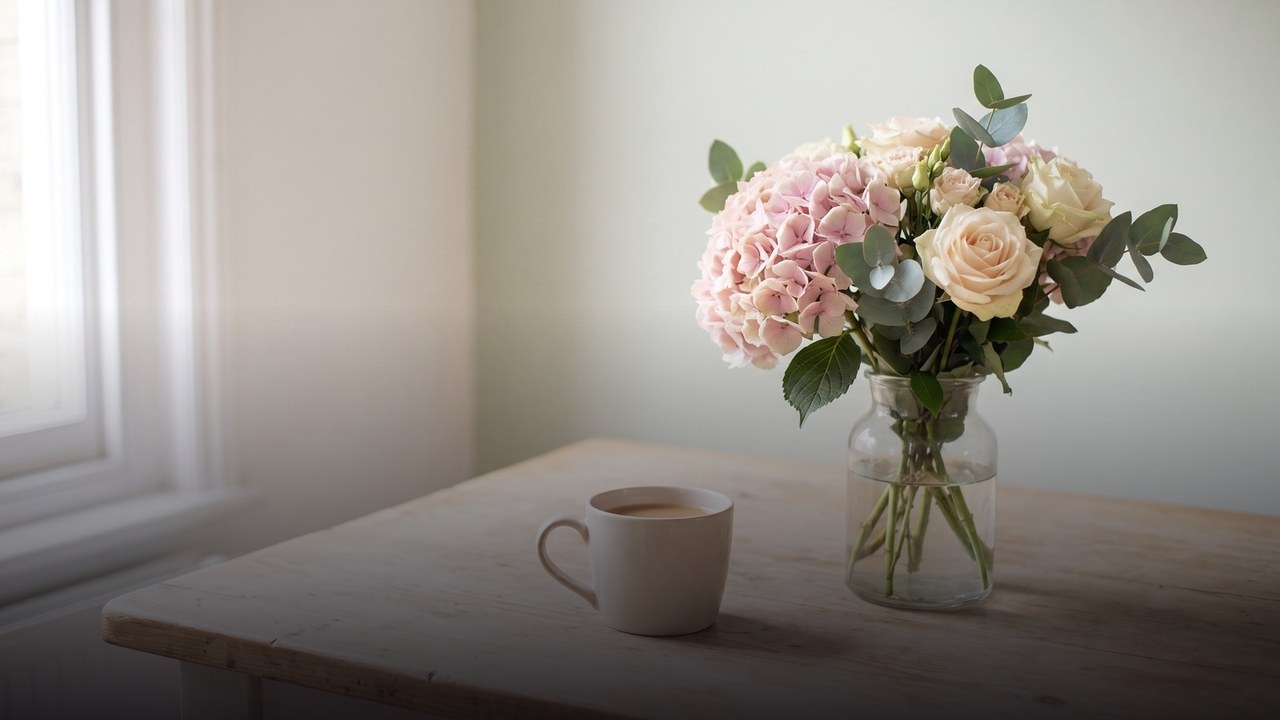
Yes, you should take leaves off cut roses wherever they would sit below the waterline in your vase. Keep healthy leaves above the water, and remove any that are yellow, damaged or decaying; you do not need to strip every stem bare.
The useful distinction is between preparing a cut bouquet and pruning a living rose plant. For a bouquet, your aim is to keep foliage out of the water while handling the stems gently. For a rose growing in a pot or garden, healthy leaves normally stay on the plant. Here is how to judge what to remove, prepare your vase and help someone receiving roses understand the same simple routine.
Use the waterline to decide which leaves come off
Start with the vase you actually intend to use. Hold a rose beside it, with the flower head at the height you want, and note where the water will reach along the stem. Remove every leaf that would be submerged at that level, including small leaflets tucked close to the stem. Check the whole bouquet: shorter stems can carry foliage into the water even when the longer stems look clear.
Leaves left underwater soften and break down, adding organic material that encourages microbial growth. Dirty water and residue inside the vase make it harder to maintain good conditions for cut stems. Removing submerged foliage is therefore a practical hygiene step. It does not guarantee a particular vase life, because the condition and previous handling of the roses also matter.
Leave firm, healthy upper foliage in place if it fits comfortably in the arrangement. You can remove an extra leaf where stems crowd the vase neck or foliage is being crushed, but there is no need to clear every visible leaf. If a leaf tip dips into the water after you arrange the bouquet, reposition that stem or remove the affected leaf rather than leaving it submerged.
Remove foliage gently, without peeling the stem
Lay the bouquet on a clean surface and work with one stem at a time. Use clean, sharp scissors or snips to cut the small leaf stalk close to its attachment, taking care not to cut into the main rose stem. Keep your fingers away from sharp prickles, often called thorns. If handling the stems is uncomfortable, use gloves that still let you control the scissors.
Avoid pulling a handful of leaves down the stem in one forceful movement. This can tear the outer tissue, especially when a leaf stalk resists. A neat cut gives you more control than a hard tug. Do not scrape the entire stem smooth for appearance, and do not treat every prickle as something that must be removed before the rose can go into a vase.
Take off yellowing, slimy or visibly damaged leaves wherever they occur, including above the waterline. If you notice suspicious spotting or fuzzy growth, keep the affected material away from the other stems while you assess it. A badly deteriorated stem is best left out of the arrangement. Leaf removal cannot restore a stem whose tissues are already extensively damaged.
Bouquets we can deliver




Finish preparing the roses before arranging them
Wash the vase thoroughly and rinse away detergent before adding fresh water. Old residue can remain even when a vase appears empty and dry, so pay attention to the base and narrow neck. If flower food came with the bouquet, mix it according to its packet instructions. Do not estimate a stronger dose in the hope of making the roses last longer.
Once you have removed the lower leaves, shorten the stem ends with a clean, sharp cutting tool and put the roses into the prepared water promptly. Make a clean cut rather than crushing or splitting the ends. Cutting stems to slightly different lengths can help the heads sit naturally, but check the waterline again after each adjustment: shortening a stem brings its remaining foliage closer to the water.
Choose a vase that supports the bouquet without forcing the stems into a tight bundle. Check that the cut ends reach the water and that no hidden leaf has folded down between them. If decorative wrapping makes it difficult to inspect or arrange the stems, remove it for vase use. Our step-by-step vase preparation guide covers the same routine for mixed bouquets.
Check the water and foliage as the bouquet changes
Look at the water level each day and replenish it as needed so the stem ends stay submerged. Leaves that began above the surface can slip into it when you move a stem or top up the vase. Check from the side instead of relying on a view from above; dense foliage can hide the waterline. Remove fallen leaves and petals before they remain soaking in the vase.
Replace water that becomes cloudy or develops an unpleasant smell, and clean the vase when doing so. Inspect the stem ends and trim them again if needed with a clean tool. When using flower food, follow the instructions for preparing fresh solution. Avoid combining household remedies or adding an arbitrary amount of bleach, sugar or another substance to an existing mixture.
Display your roses away from direct sun, heaters and a stream of air from a vent. Keep them away from ripening fruit, which releases ethylene that can speed ageing in sensitive flowers. Removing more healthy leaves is not the first answer to a drooping bloom: check water access, vase cleanliness and stem condition. For a broader care routine, see our guide to rose vase life.
Treat gift bouquets and growing roses differently
For a gift bouquet, keep enough sound upper foliage to preserve the arrangement's shape while clearing the lower stems for water. Leaves form part of the presentation, so preparing roses for a vase does not require turning them into bare sticks. If you are presenting flowers before the recipient can arrange them, keep the stems supplied with water wherever practical rather than leaving preparation until the flowers have visibly wilted.
If the bouquet is for someone who rarely receives cut flowers, a brief care note is more useful than a long list of rules: use a clean vase, remove underwater leaves and check the water daily. There is no etiquette requirement to remove every leaf before giving roses. Judge preparation by whether the flowers can be placed in water easily and whether damaged foliage has been cleared away.
A rose growing in soil is a different case. Healthy leaves help the plant photosynthesise, so do not strip them because you have read advice about vase water. Remove dead or diseased foliage as appropriate to the problem, and seek advice specific to a growing rose if leaf loss or spotting continues. Likewise, small green sepals immediately beneath a cut flower head do not need routine removal.
Sending roses to Russia: make the handover easy
If you are ordering from abroad for someone in Russia, you can choose flowers from our bouquets catalogue and contact a manager on WhatsApp for help choosing a bouquet and agreeing the address, delivery time and card text. You can also discuss a photo of the bouquet before delivery. A short care reminder can accompany your personal message; a card with your text is free.
We deliver flowers across Russia. City delivery costs 500 RUB; for remote districts and suburbs, the operator confirms the price when confirming the order. In large cities, express delivery is available 1–2 hours after order confirmation. You can also arrange an exact time with a margin of plus or minus 30 minutes, choose a 09–12, 12–15, 15–18 or 18–21 window, or pre-order 1–30 days ahead.
The courier calls the recipient about 15 minutes before arrival. Delivery is anonymous by default, meaning the courier does not name the sender, so include your name in the card text if you want it known. Online checkout uses CloudPayments; check the payment options displayed there, as acceptance of every foreign card is not guaranteed. Once the roses arrive, the recipient can check the foliage against their own vase's waterline. We deliver bouquets across Russia in 1–2 hours.
Frequently asked questions
Should I remove all the leaves from cut roses?
No. Remove leaves below the waterline and any that are damaged or deteriorating, while keeping healthy upper foliage where it fits comfortably.
What if I accidentally leave a rose leaf in the water overnight?
Remove it when you notice it and check the water and vase for residue. If the water is cloudy or smells unpleasant, clean the vase and prepare fresh water or flower-food solution.
Do I need to remove rose thorns as well as leaves?
You do not need to remove every prickle for vase care. Handle stems carefully and avoid scraping them, since rough removal can damage the outer tissue.
Will taking off more leaves make rose buds open?
Stripping healthy foliage is not a reliable way to make buds open. Opening depends on factors including the variety and the condition and maturity of the cut flower.
Should I take leaves off a potted rose before giving it as a gift?
Keep healthy leaves on a potted rose because they support the living plant. Advice about removing submerged foliage applies to cut stems in a vase.
Ready to send flowers?
Pick the city, choose the bouquet, and a local florist takes it from there.
Choose a city →