How to Check Aspidistra Leaves for Damage in a Bouquet
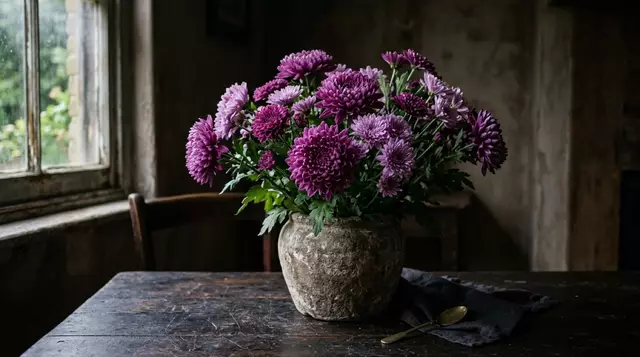
Check aspidistra leaves in a bouquet for tears, brittle brown edges, yellowing and dark patches that feel soft or wet. Inspect both sides and the leaf stalk: a firm, deliberately folded leaf can be part of the design, while mushy tissue or an unpleasant smell needs attention.
Aspidistra has broad leaves that florists can loop or fold around flowers. Judge the condition by texture and the extent of any damage, rather than expecting every leaf to lie flat.
Separate decorative folds from damaged tissue
An intentional loop usually forms a controlled shape and may be secured within the arrangement. A crease alone does not establish that the leaf is deteriorating. Look along the bend for a split, crushed tissue or a brown line, and avoid pulling the leaf straight to investigate.
Small scratches or a short edge tear are usually cosmetic if the surrounding tissue remains firm. A tear running far into the blade makes the leaf more vulnerable to further splitting during handling; support it while removing the wrapping.
Check edges, surfaces and the submerged stalk
Dry, crisp brown tips or margins are damaged tissue and will not turn green again. A small dry tip is different from extensive browning or a leaf that has become brittle across much of its surface. Yellowing also deserves a closer look, although colour alone cannot tell you the cause.
Gently check suspicious dark patches without squeezing the leaf. Soft, wet-looking or slimy areas are more concerning than a dry surface scuff. Check the leaf stalk below the waterline too: slime, a mushy section or an unpleasant smell is a reason to remove the affected foliage and refresh the vase.
If you are checking a delivery, take a clear photograph of the whole bouquet and a close-up of the affected area before altering the arrangement. A photograph can show visible damage, but it cannot establish firmness or smell; describe those separately when contacting the manager.
Bouquets we can deliver




What to do when you put the bouquet in a vase
Unwrap carefully, supporting the broad leaves so they do not catch on paper or ribbon. Our guide to unpacking a bouquet without damaging it explains the handling steps. Keep leaf blades out of the vase water and remove foliage that would otherwise sit below the waterline.
Use a clean vase and fresh water, and keep the bouquet away from direct sun and heaters. Do not scrub marks off the leaves or apply household polish. If one leaf is deteriorating, remove it carefully without disturbing secured loops or pulling the arrangement apart.
Checking a bouquet you are sending to Russia
If the foliage finish matters to your gift, contact the manager on WhatsApp to discuss your preferences and a photo of the bouquet before delivery. Ask for a closer view if a fold or shadow makes the condition difficult to judge.
You can choose flowers from the bouquets catalogue. We deliver across Russia; city delivery costs 500 RUB, while the operator confirms the price for remote districts and suburbs when confirming the order. Check our delivery information; confirm the timing for your order.
Frequently asked questions
Does a brown edge mean the entire bouquet is finished?
No. A small dry edge on one aspidistra leaf does not establish the condition of the flowers or other foliage. Check the rest of the bouquet separately, especially for soft tissue, slime and an unpleasant smell.
Can I trim a damaged aspidistra leaf?
You can trim a small dry edge with clean, sharp scissors, but the cut will remain visible and will not repair the tissue. Remove a leaf with soft or slimy deterioration rather than trimming only the visible patch.
Ready to send flowers?
Pick the city, choose the bouquet, and a local florist takes it from there.
Choose a city →