Should You Use Aspirin for Flower Preservation?
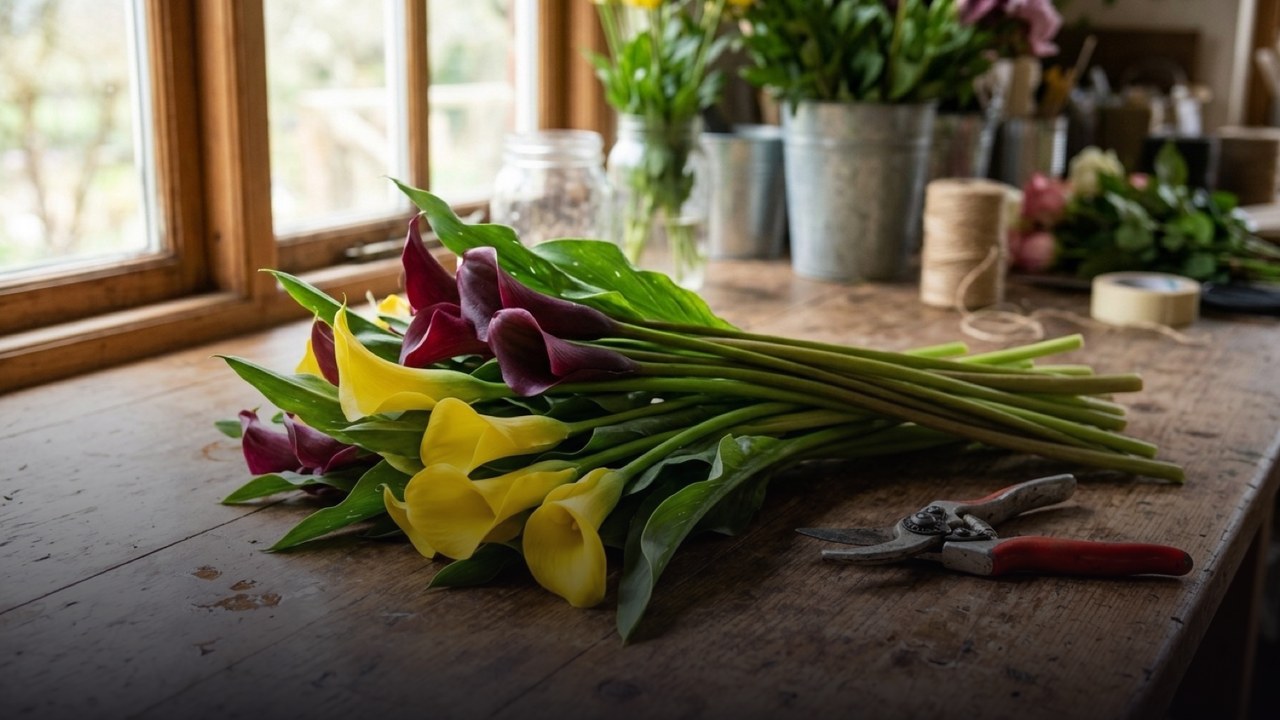
Aspirin for flower preservation is a familiar home remedy, but it is not a reliable substitute for cut-flower food. It can change the acidity of vase water without providing the balanced treatment a bouquet needs. For everyday care, start with a clean vase, freshly cut stems and correctly diluted flower food when available.
If you are looking at a drooping bouquet and wondering whether a tablet will rescue it, check the water and stems first. An empty vase, submerged leaves or a stem that has stopped taking up water calls for practical attention. The useful distinction is between keeping living cut stems hydrated and preserving flowers as a dried keepsake: aspirin is not a dependable method for either purpose.
What aspirin can—and cannot—do in a flower vase
Aspirin contains acetylsalicylic acid, which can alter the chemistry of water. That explains part of the appeal of this household tip: acidity matters in cut-flower care. However, changing acidity alone does not establish that a treatment will suit your bouquet. Your water, the amount added and the flowers themselves all affect the result, so a tablet is not a controlled vase treatment.
Commercial cut-flower food is formulated to support flowers after they have been separated from the plant. Such products generally combine a carbohydrate source, an acidifying ingredient and ingredients that help limit microbial growth. Aspirin does not supply that combination. Even if treated water becomes more acidic, that does not make it nutritionally equivalent to a properly prepared flower-food solution.
There is no dependable household rule such as one tablet per vase that we recommend for every arrangement. Tablet strengths and formulations differ, and vases hold very different amounts of water. Increasing the dose because a bouquet looks tired adds another uncontrolled variable. For more on the distinction, read what your bouquet actually needs from flower food.
Set up the vase to support water uptake
Wash the vase thoroughly with detergent, rinse it well and remove any residue from the previous bouquet. Choose a vessel that supports the stems without packing them tightly together. Fill it with clean water and, if you have a cut-flower food sachet, measure the water volume specified on its label. Do not assume a whole sachet belongs in every vase or that extra powder will work better.
Remove leaves that would sit below the waterline, then trim the stem ends with a clean, sharp tool before putting the flowers into water. Make a clean cut rather than crushing or hammering the stems. Keep the time between trimming and arranging short. If the bouquet comes with flower-specific care instructions, follow those instead of applying a home remedy to every stem.
Check the water level daily; a full-looking arrangement can hide a nearly empty vase. Top up as needed, and replace water that becomes cloudy or develops an unpleasant smell. When changing it, clean the vase and remove deteriorating plant material. Prepare any fresh flower-food solution according to the packet, rather than adding more concentrate to an unknown amount left from yesterday.
Bouquets we can deliver




What to do if you have already added aspirin
Adding a tablet does not mean the bouquet is ruined, and you do not need to discard healthy flowers. If you want to return to a straightforward care routine, take the stems out, empty the vase and wash it. Refill with clean water and correctly diluted flower food if available. A small fresh cut at the stem ends can be part of this reset.
Avoid trying to balance the aspirin with other household ingredients. Sugar, vinegar, bleach and medicines are not interchangeable parts of a reliable homemade recipe, and mixing cleaning products can be dangerous. If you have no flower food, use clean water and careful hygiene while you obtain a suitable product. Do not add more substances simply because an earlier addition produced no visible improvement.
Inspect individual stems rather than treating the whole bouquet as one problem. Remove flowers with advanced decay and leaves that are breaking down in the water. A wilted stem may recover after improved hydration, but damaged tissue or natural ageing cannot reliably be reversed. If a stem remains limp after fresh water and a clean cut, repeated aspirin doses are unlikely to resolve the underlying cause.
Match your care to the flowers and the room
Keep the arrangement away from direct sun, radiators and air blowing from heating or cooling vents. These positions can increase water loss or stress the flowers. Choose a relatively cool, sheltered place where you can still see and enjoy the bouquet. Avoid setting it beside ripening fruit, since ethylene released by some fruit can speed ageing in sensitive flowers.
Different flowers behave differently after cutting. Tulips can continue to grow and bend towards light, so a changing silhouette is not automatically a sign that they need an additive. Lilies may open gradually while earlier blooms fade. In a mixed bouquet, remove individual spent flowers as needed rather than waiting for every stem to reach the same stage.
Handle petals gently and keep water management focused on the vase. Spraying the whole bouquet is not a substitute for keeping the stem ends supplied with water, and lingering moisture can mark some petals. For an arrangement held in floral foam, follow its supplied watering instructions instead of pulling out stems to recut them; reinserting stems can leave poor contact with the wet material.
If you mean preserving flowers as a keepsake
Keeping a bouquet fresh in water and preserving it for months are separate goals. Vase care supports the remaining life of cut flowers; drying removes moisture to create a keepsake. Aspirin is not a dependable drying or long-term preservation treatment. If a bouquet has sentimental value, choose a preservation method while the flowers still look good rather than waiting until every bloom has wilted.
For simple air drying, select sound stems, remove excess foliage and hang them in small, loose bunches in a dry, dark place with air circulation. Expect some changes in colour, shape and texture. Dense or very fleshy flowers may not dry attractively this way, so experiment with a few stems before committing an entire meaningful bouquet to one method.
Pressing suits flatter flowers or separate petals when you want a card, framed piece or journal keepsake. A flower-drying desiccant can help retain more three-dimensional form, but you should follow the product instructions and expect variable results. For an irreplaceable wedding or memorial bouquet, consult a specialist early and ask what is realistic for the particular flowers you have.
Sending flowers to Russia with a useful care message
When you send flowers from abroad, a short care note is more useful than recommending aspirin: ask the recipient to use a clean vase, remove submerged leaves and check the water daily. You can choose from our bouquets catalogue and include a free card with your own text. Delivery is anonymous by default, so sign the message if you want the recipient to know who sent it.
We deliver flowers across Russia. City delivery costs 500 RUB; for remote districts and suburbs, the operator confirms the price when confirming the order. In large cities, express delivery is available in 1–2 hours after order confirmation. You can also arrange an exact time within ±30 minutes, select a 09–12, 12–15, 15–18 or 18–21 window, or pre-order 1–30 days ahead.
Contact a manager on WhatsApp for help choosing a bouquet, agreeing the address, time and card text, or arranging a photo before delivery. The courier calls the recipient about 15 minutes before arrival. If they are absent, we agree a second delivery that day or a handover to a neighbour or concierge with the sender's consent. Checkout uses CloudPayments; check the displayed payment options, as acceptance of every foreign card cannot be guaranteed. We deliver bouquets across Russia in 1–2 hours.
Frequently asked questions
How much aspirin should I put in flower water?
There is no reliable universal tablet-per-vase dose for a mixed bouquet. Use cut-flower food at the dilution stated on its label, or clean water with careful vase hygiene if you have no suitable food.
Can aspirin bring drooping flowers back to life?
Aspirin is not a dependable rescue treatment. Check the water level, clean the vase and recut the stem ends; flowers affected by dehydration may improve, while ageing or damaged flowers may not.
Is aspirin the same as flower food?
No. Aspirin can affect water acidity, but it does not provide the combination of ingredients found in a formulated cut-flower food.
Will aspirin preserve a bouquet permanently?
No; aspirin in vase water is not a reliable method for making a lasting keepsake. Consider air drying, pressing or a flower-drying desiccant while the blooms are still in good condition.
Can I order flowers for someone in Russia from abroad?
We deliver flowers across Russia, and you can agree delivery details with a manager on WhatsApp. Online checkout uses CloudPayments; check the options shown at checkout because acceptance of every foreign card is not guaranteed.
Ready to send flowers?
Pick the city, choose the bouquet, and a local florist takes it from there.
Choose a city →