Carnations in Russia: Still Popular, Still Beautiful
If you have ever watched someone receive flowers in Russia and noticed a burst of ruffled, richly coloured blooms that were not roses, there is a good chance they were carnations. Despite decades of changing trends, carnations have never actually fallen out of favour here — they adapted, diversified, and kept showing up at birthdays, graduations, and celebrations of every kind. Understanding why that happened tells you a lot about how to choose them well.
Why Carnations Never Left Russian Flower Culture
In many Western countries, carnations went through a long period of being considered old-fashioned, even cheap. In Russia, that dip in reputation barely registered. Part of the reason is historical: during the Soviet era, carnations were widely available when other flowers were not, and they became genuinely beloved rather than merely tolerated. Generations grew up giving and receiving them, and that emotional association stuck.
There is also something practical behind their staying power. Carnations are tough. They travel well across long distances, they hold their colour in cold temperatures, and they last considerably longer in the vase than many premium alternatives. For a country where flowers often need to survive a journey from a grower in the south to a recipient in Siberia, those qualities matter enormously.
Russian florists also never stopped working creatively with carnations. The flower has been reimagined in arrangements that feel completely contemporary — tight monochrome bouquets, mixed seasonal designs, even single-stem presentations that feel minimal and elegant. When a flower keeps appearing in the hands of skilled designers, its reputation rises with theirs. Carnations earned their continued presence not through nostalgia alone but through genuine versatility that florists recognised and kept building on.
Bouquets we can deliver

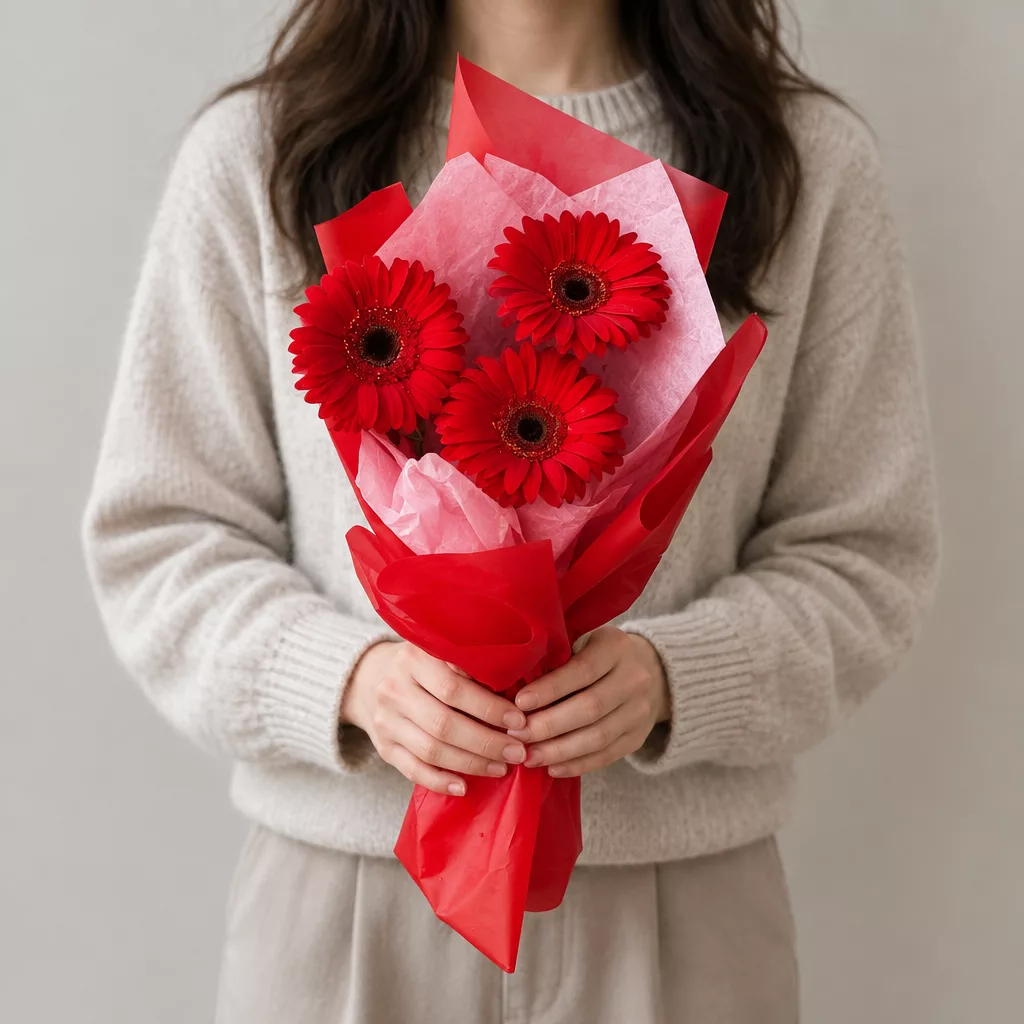
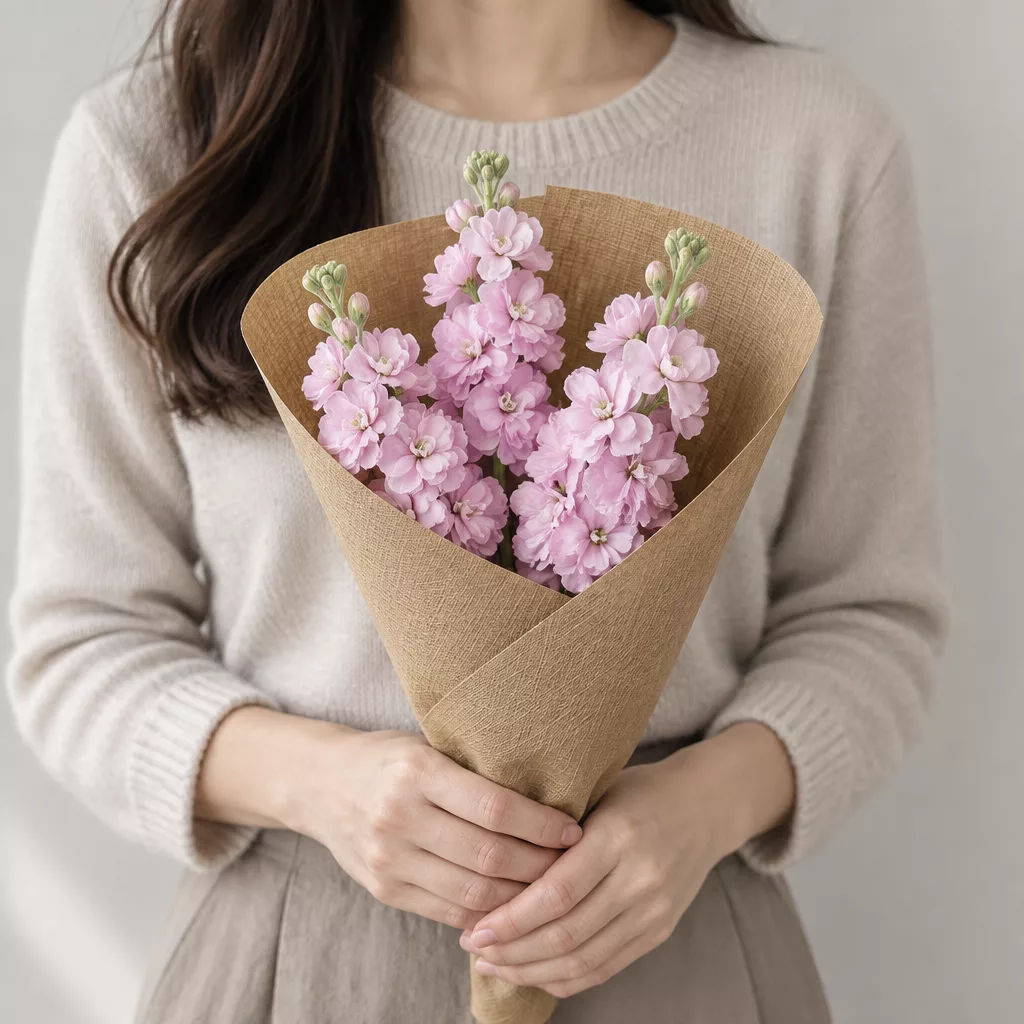
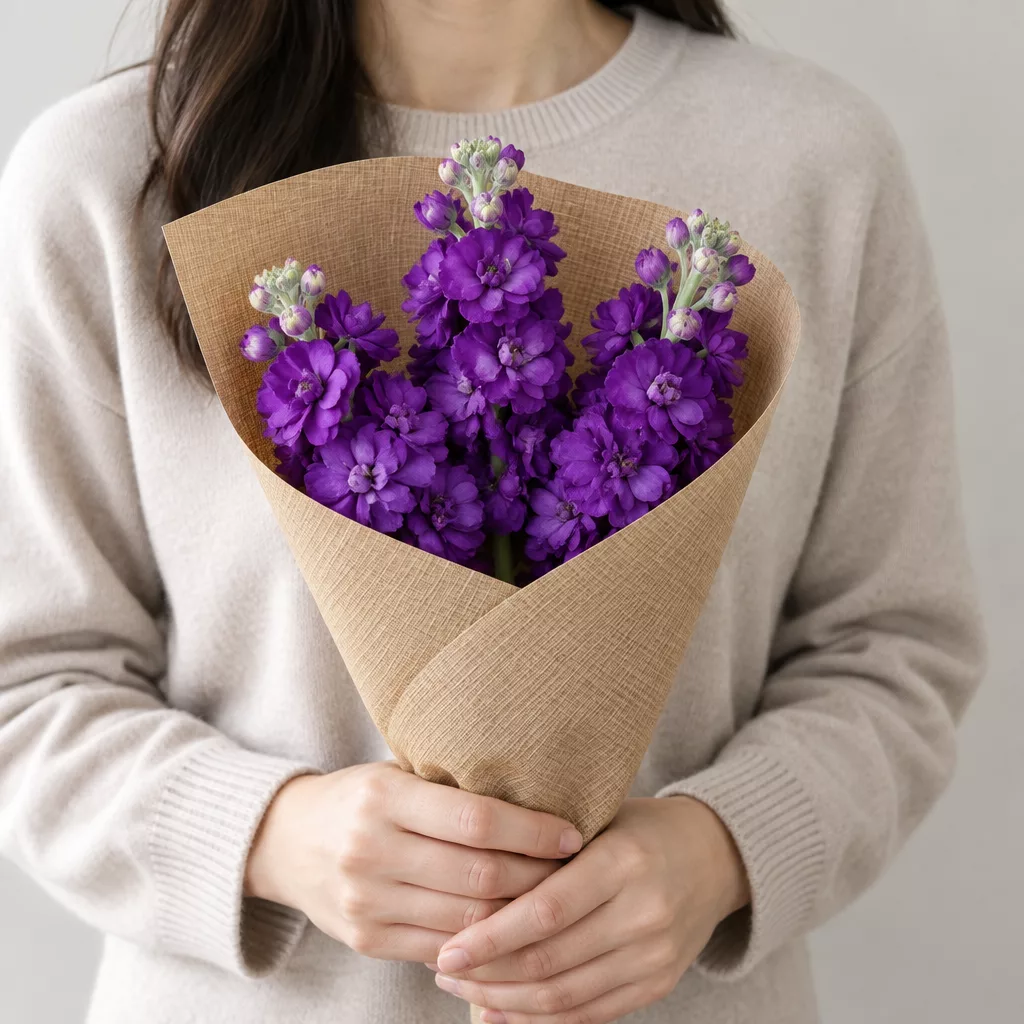
Choosing Carnations for the Right Occasion and Recipient
The first question to ask is not which colour you like but who is receiving the flowers and what they will feel when they open the door. A bold red carnation bouquet reads as romantic and confident — it suits a partner or a close friend who appreciates directness. White carnations carry a sense of sincerity and freshness that works beautifully for a teacher, a colleague being thanked, or a host whose home you are visiting for the first time.
For a birthday, the combination of coral and cream carnations gives warmth without being overwhelming. For a graduation or professional milestone, deep burgundy or vivid fuchsia varieties project energy and pride. Carnations in soft lavender or pale pink are gentle enough for someone recovering from illness or going through a period of change — they feel caring rather than dramatic.
In Russian culture, the number of flowers in a bouquet matters. An even number is traditionally associated with mourning, so florists always arrange carnations in odd numbers for celebratory occasions — seven, nine, eleven, fifteen. If you are ordering for someone unfamiliar with this custom, it is worth knowing so you understand why your florist counts carefully. The gesture of an odd number is a small but meaningful signal that the gift is joyful, and it is one of those details that a good florist handles automatically without needing to be asked.
Varieties You Will Actually Find in a Russian Flower Shop
The carnation family is broader than most buyers realise. Standard carnations, sometimes called large-flowered carnations, produce a single large bloom per stem and are what most people picture when they think of the flower. These are the workhorses of the Russian market — sturdy, dramatic, and available in an enormous colour range from pure white through yellow, orange, red, and deep purple-black.
Spray carnations, also called mini carnations, produce multiple smaller blooms on a single branching stem. They add texture and volume to arrangements without adding bulk, and florists use them constantly as supporting players around focal flowers or as the main event in lighter, airier designs. They tend to be slightly more affordable than standard varieties and are excellent for mixed seasonal bouquets.
Dianthus barbatus, commonly known as Sweet William, is a close relative that Russian florists stock seasonally, particularly in late spring and early summer. Its clusters of small, bicoloured blooms bring a garden quality to arrangements that feels relaxed and personal rather than formal.
Within standard carnations, florists in Russia typically work with Colombian and Dutch-grown stock, both of which have strong vase life and consistent colour. Varieties like Tempo, Delphi, and Nobbio appear regularly in wholesale stock because they perform reliably under the temperature swings of Russian logistics. Knowing these names is not essential for a buyer, but understanding that your florist is selecting for performance — not just appearance — helps explain why carnations so often outlast expectations.
Carnations Versus Roses: The Honest Price Comparison
Roses dominate the popular imagination when it comes to gifting flowers, and they are genuinely beautiful. But they come with a significant cost, and that cost does not always reflect a difference in emotional impact. A well-chosen carnation bouquet can be just as striking, just as meaningful, and far more generous in size for the same budget.
The price difference comes from several factors. Roses require more controlled growing conditions, more careful handling, and have a shorter window from harvest to sale. Carnations are more forgiving at every stage of the supply chain, which keeps their cost lower without reducing their quality. That saving is passed directly to the buyer.
What this means in practice is that a budget which buys a modest rose bouquet can buy a genuinely abundant carnation arrangement. Florists often use this to their advantage when a customer wants to make a strong visual impression — a full, layered bouquet of carnations in two or three complementary colours can look more luxurious than a sparse selection of premium roses.
Carnations also mix extremely well with other flowers. Adding spray carnations to a bouquet of garden roses, tulips, or ranunculus extends the arrangement without diluting it. This combination approach gives you the prestige of a mixed bouquet while keeping the overall cost reasonable. For regular gifting — birthdays every year, thank-you flowers for teachers, seasonal celebrations — carnations make it possible to give beautifully and consistently without stretching a budget to its limit every time.
How Long Carnations Actually Last and What Affects It
A well-conditioned carnation bought from a good source will last between ten and fourteen days in the vase. That is not a marketing claim — it is what you can realistically expect when the flower has been handled correctly from harvest to delivery. Some buyers report three weeks from a particularly fresh stem in a cool room. Compare that to the five to seven days typical of roses and you understand immediately why florists value them.
Temperature is the single biggest factor. Carnations prefer cool conditions, ideally between eight and twelve degrees Celsius. In a warm apartment in winter, with central heating running at full strength, that lifespan shortens noticeably. Placing the vase away from radiators and out of direct sunlight adds several days to the display without any other effort.
Water quality and stem preparation matter almost as much. Cutting stems at a forty-five-degree angle under running water before placing them in the vase allows maximum water uptake. Carnations are particularly sensitive to ethylene gas, which is released by ripening fruit. Keeping them away from a fruit bowl is one of those small adjustments that makes a visible difference — the blooms stay tighter and the colour holds longer.
Changing the water every two days and trimming a centimetre from the stems each time removes the bacterial build-up that clogs the stem ends and cuts off water flow. A small amount of flower food dissolved in the water helps maintain the right pH. These are not complicated steps, and carnations reward the small effort generously.
Combinations and Presentation That Make Carnations Shine
A carnation presented thoughtfully looks nothing like the stereotype of a cheap, afterthought flower. The key is understanding what the carnation's ruffled texture and strong colour saturation do well, and then building around those qualities rather than against them.
Monochrome carnation bouquets are having a genuine moment with florists who work in a contemporary style. A tight sphere of deep red standard carnations, wrapped in dark craft paper with a single ribbon, is bold and modern. The same approach in white feels bridal and clean. The flower's density of petals means a single-colour arrangement has enormous visual weight even when the stem count is modest.
For mixed bouquets, carnations combine beautifully with eucalyptus, which adds a silvery-green contrast and a gentle fragrance that does not compete with the carnation's own light scent. Spray carnations work well alongside lisianthus, which has a similar ruffled edge but a softer, more transparent quality — the two flowers create a layered texture that reads as expensive and considered.
In Russian gift culture, the wrapping is part of the gift. Carnations hold their shape well enough to be wrapped in layered paper — a matte outer layer, a translucent inner layer — without being crushed or damaged during transit. This means the presentation that arrives at the door looks as deliberate as it did when it left the studio. A florist who understands carnations will use their structural strength as an advantage at every stage, from arrangement through delivery to the moment the recipient unwraps them.
Ordering Carnations for Delivery Across Russia: What to Keep in Mind
Russia's geography means that flowers ordered in one city may need to reach a recipient several time zones away. Carnations are one of the best choices for long-distance delivery precisely because they tolerate the journey. Their closed buds travel more safely than open roses, and they continue to open gradually after arrival, which means the recipient sees the bouquet at its best over several days rather than catching it at one fleeting peak.
When ordering for delivery, specifying the occasion and the relationship helps a florist make the right choices on your behalf. A carnation bouquet for a grandmother's birthday should feel warm and generous — full stems, rich colours, a traditional presentation. One for a young colleague's promotion might be cleaner and more graphic, with a tighter colour palette and minimal greenery.
Timing matters for carnation delivery just as it does for any perishable gift. Ordering for morning delivery on the day of the occasion means the flowers arrive when the recipient is most likely to be home and alert, and they have the whole day to enjoy them. Afternoon delivery works well for office occasions where the recipient can carry the flowers home at the end of the day.
If the recipient lives in a particularly warm region of Russia, or if the delivery is happening during summer months when ambient temperatures are high, choosing a slightly tighter bud stage is worth requesting — the flowers will open at the right pace after arrival rather than peaking too early. A florist who delivers regularly across Russian distances knows these adjustments instinctively and applies them without being asked.
Carnations have lasted in Russian flower culture because they genuinely deserve to. They are honest flowers — they deliver colour, longevity, and presence without requiring ideal conditions or constant attention. Whether you are choosing them for their price advantage, their vase life, their adaptability to long-distance delivery, or simply because the person receiving them will love them, you are making a choice that florists across Russia have been confident in for generations. A carnation bouquet put together with care and given with intention is not a compromise. It is often the smartest choice in the shop. We deliver bouquets across Russia in 1–2 hours.
Frequently asked questions
Are carnations considered a cheap or low-quality flower in Russia?
Not among people who know flowers. Carnations have a strong, unbroken tradition in Russian gift culture and are chosen deliberately by florists for their colour range, longevity, and structural beauty. The perception that they are inferior to roses is more common in Western Europe than in Russia, where they have always been taken seriously as a gift flower.
What is the best colour of carnation to send as a gift in Russia?
Red carnations are romantic and bold, white ones are sincere and elegant, and coral or pink shades are warm and celebratory. The right choice depends on the recipient and the occasion rather than any fixed rule. A florist can suggest a combination that fits the moment if you share a few details about who the flowers are for.
How should the recipient care for carnations once they arrive?
Trim the stems at an angle, place them in clean cool water, keep them away from radiators and fruit bowls, and change the water every two days. Carnations are sensitive to ethylene gas released by ripening fruit, which shortens their vase life noticeably. With basic care they will last ten to fourteen days and sometimes longer.
Can carnations be mixed with other flowers in an arrangement?
They mix extremely well. Spray carnations add texture alongside roses, tulips, or ranunculus. Standard carnations pair beautifully with eucalyptus for contrast in colour and scent. Mixing carnations with lisianthus creates a layered, ruffled effect that feels luxurious. They are one of the most flexible supporting and focal flowers a florist works with.
Why do florists always arrange carnations in odd numbers for celebrations?
In Russian tradition, even numbers of flowers are associated with mourning and are given at funerals. Odd numbers signal a joyful occasion. This applies to almost all cut flowers given as gifts in Russia. A florist follows this automatically, so your bouquet of seven, nine, or eleven carnations is carrying a quietly important cultural message along with its colour.
Ready to send flowers?
Pick the city, choose the bouquet, and a local florist takes it from there.
Choose a city →