Sending Chrysanthemums in Russia: What to Choose and When
Chrysanthemums are one of the most quietly beloved flowers in Russia — reliable, long-lasting, and far more versatile than most people give them credit for. If you are choosing a bouquet for someone and wondering whether chrysanthemums are the right call, the short answer is almost always yes. The longer answer depends on the variety, the season, the person receiving them, and how you put the arrangement together. This article covers all of that in plain terms.
Why Chrysanthemums Are Everywhere in Russian Flower Shops
Walk into any flower shop in Saint Petersburg or Moscow and you will see chrysanthemums at every price point, in every season. That is not an accident. Russia's climate makes many flowers difficult and expensive to source for much of the year, but chrysanthemums — largely grown in the Netherlands, Colombia, and increasingly in Russian greenhouses — arrive consistently and hold up well in transit even in January cold.
For the person receiving the flowers, this reliability translates into something real: a bouquet that looks fresh on arrival and stays that way for ten to fourteen days if handled correctly. In a country where winter lasts half the year and temperatures outside can drop to minus twenty, a flower that survives the journey from shop to door without wilting is genuinely valuable.
There is also a cultural dimension worth understanding if you are not from Russia. Chrysanthemums here carry no particular negative association — they are used for celebrations, birthdays, teacher appreciation, and workplace milestones. The old European association with mourning simply does not apply in the Russian context, so you can send them freely without any concern about sending the wrong message.
For florists, they are a working flower. They combine well with roses, spray carnations, and eucalyptus. They fill volume without dominating a composition. And because they come in such a wide range of forms and colours, a skilled arranger can make a chrysanthemum bouquet look minimal and modern or lush and romantic depending entirely on how it is built.
Bouquets we can deliver


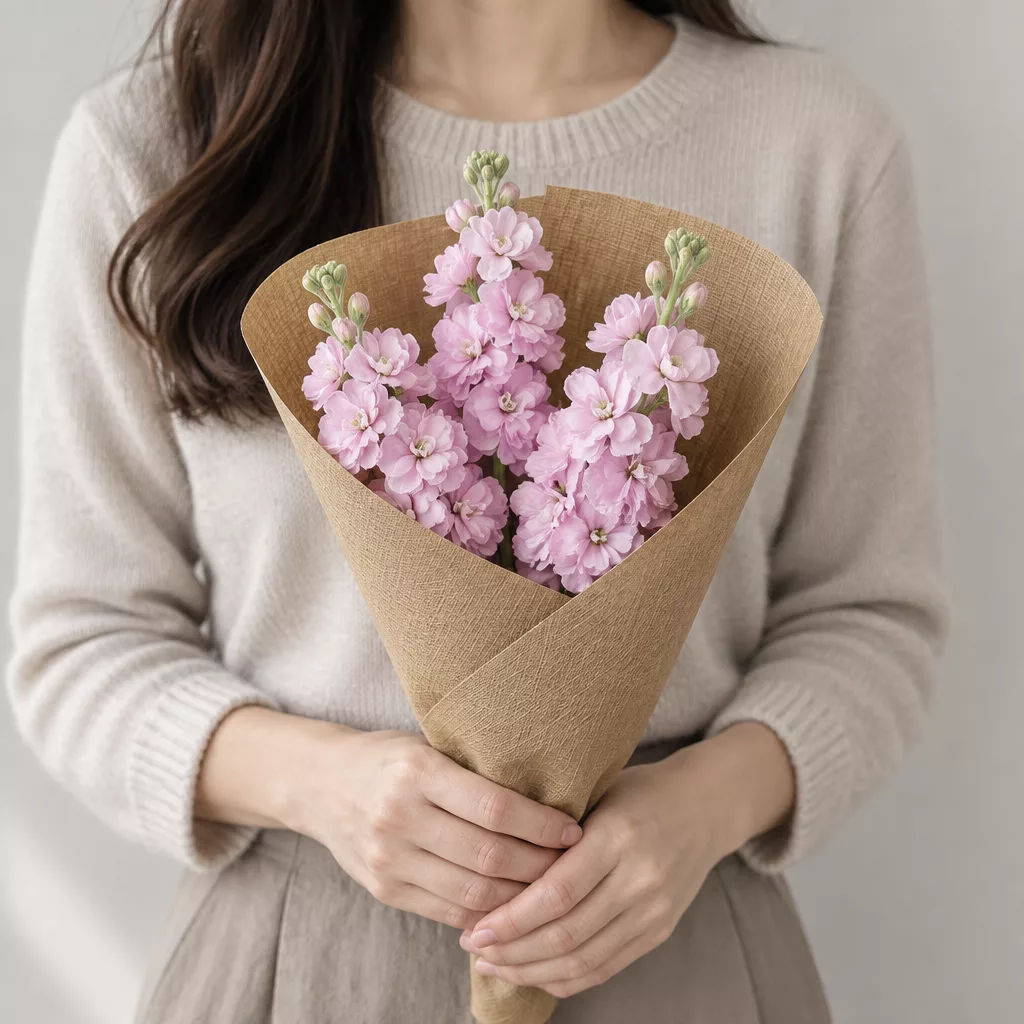
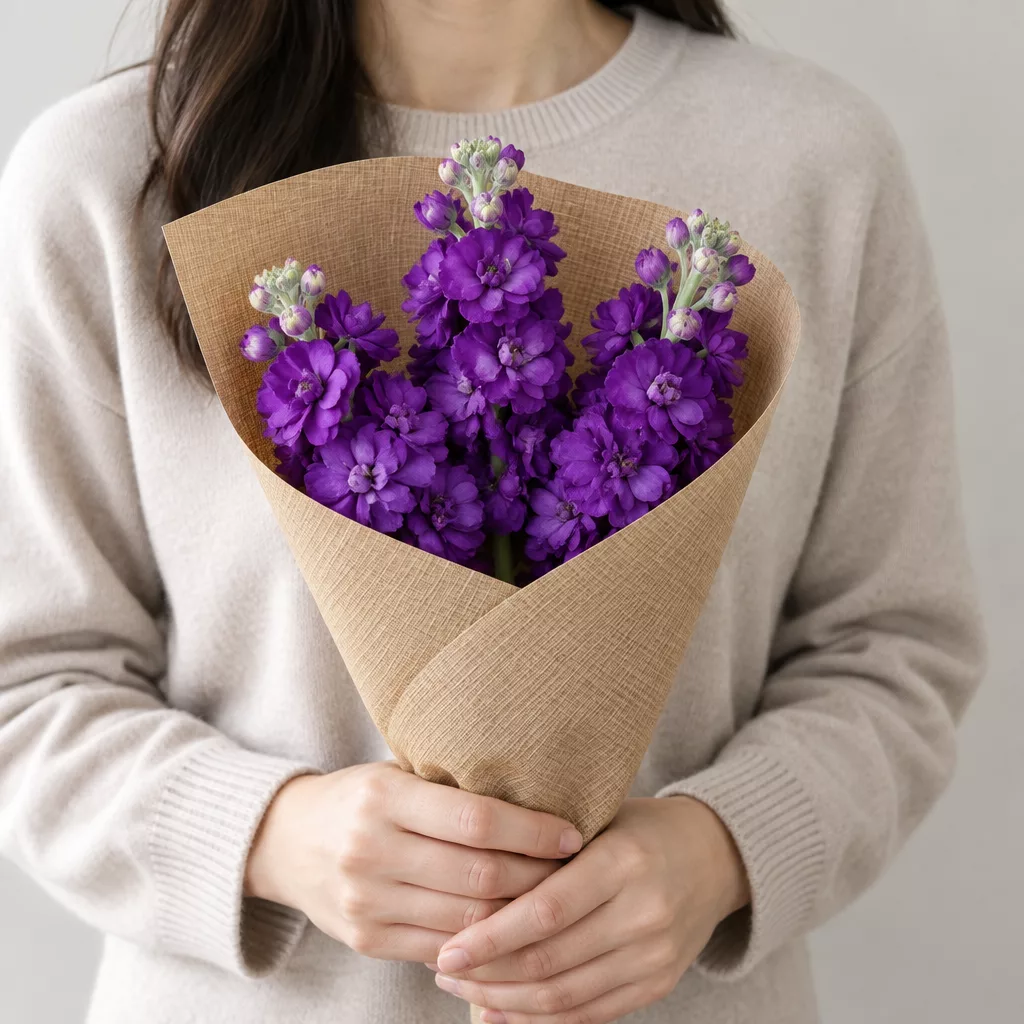
The Main Varieties You Will Find in Russian Shops
The chrysanthemum family is large, but Russian flower shops tend to stock a consistent core of varieties that work well commercially and hold up in transit.
Single-stem or standard chrysanthemums — sometimes called disbud chrysanthemums — have one large bloom per stem, often ten to fourteen centimetres across. Varieties like Anastasia, Feeling Green, and Zembla are common. These are the ones that look architectural and bold, suited to arrangements where each flower needs to carry visual weight on its own.
Spray chrysanthemums have multiple smaller blooms on branching stems. Varieties including Bacardi, Fuego, and Santini are widely available. Santini in particular — small, button-like, and incredibly long-lasting — has become a staple in mixed bouquets across Russia because it adds texture and colour without adding cost. A single spray stem can carry eight to twelve blooms, which makes it excellent value in a composition.
Pompon chrysanthemums are a subset of sprays with perfectly round, dense blooms. They read as charming and a little playful, which makes them popular in bouquets aimed at younger recipients or for informal occasions.
Then there are the spider or quill-petal varieties — Anastasia White, for example — where the petals are long and slightly curved, giving the flower an open, almost daisy-like quality. These are used when a florist wants something that feels lighter and less formal.
Colour-wise, Russian shops carry white, yellow, bronze, burgundy, pale pink, and bi-colour varieties year-round. Green chrysanthemums like Feeling Green have become fashionable in the last few years and are now easy to source.
Choosing the Right Chrysanthemum for the Occasion
The occasion shapes everything about how a chrysanthemum bouquet should be built. Start from who is receiving it and what you want them to feel when they open the door.
For a teacher or colleague — a common gift in Russia, especially around Teacher's Day on October fifth or International Women's Day on March eighth — a neat, structured bouquet of standard disbud chrysanthemums in white or pale yellow reads as respectful and considered. It is not flashy, which is exactly right for a professional relationship. Add some greenery and keep the wrapping clean.
For a birthday, especially for someone who loves flowers but is not particularly sentimental about roses, a mixed bouquet built around spray chrysanthemums and seasonal blooms feels generous and contemporary. Pair burgundy or bronze chrysanthemums with white roses and eucalyptus for something that photographs beautifully and lasts well past the celebration.
For a new home or a housewarming — a significant event in Russian social life — large-headed standard chrysanthemums in warm tones work well because they fill space and feel celebratory without being as perishable as something like a tulip arrangement.
For a romantic gesture, chrysanthemums alone can feel a little practical. But combined with garden roses, lisianthus, or peonies in season, they provide structure and longevity to what might otherwise be a short-lived bouquet. The chrysanthemums will still look good a week after the roses have faded, which is actually a lovely quality — the bouquet evolves rather than collapses.
The main mistake people make is treating all chrysanthemums as interchangeable. The variety, the colour, and the combination matter enormously.
Budgeting for Chrysanthemums: What Affects the Price
Chrysanthemums sit in the affordable-to-mid-range category in Russian flower shops, which is one of the reasons they are so widely used. But the final cost of a bouquet depends on several factors that are worth understanding before you order.
First, the type of chrysanthemum matters. Standard single-stem varieties — especially imported large-head cultivars — cost more per stem than spray types, simply because each stem carries one bloom and takes more growing time. Spray chrysanthemums are more economical because one stem replaces several in a composition.
Second, seasonality still plays a role even with a flower as available as chrysanthemums. Russian greenhouse production has grown significantly in the last decade, but the highest-quality imports from the Netherlands peak in autumn, which is also when demand peaks around Teacher's Day and late September holidays. Prices can shift slightly during these periods.
Third, the size of the bouquet and what it is combined with will drive the total cost more than the chrysanthemums themselves. A bouquet of pure white standard chrysanthemums can be striking and affordable. Add garden roses, imported lisianthus, and a premium wrap, and the price rises accordingly — not because of the chrysanthemums but because of everything around them.
For someone ordering from outside Russia — sending a gift to a friend or family member living there — the most practical approach is to focus on what the recipient will love rather than on managing cost per stem. Chrysanthemums give you generous volume for the spend, which means a well-built bouquet can look significantly more expensive than it was to make. That is genuinely useful when you want to make an impression across a distance.
Year-Round Availability and Seasonal Considerations
One of the strongest practical arguments for chrysanthemums is that they are available every month of the year without significant quality drops. This is not true of most flowers sold in Russia. Peonies are a six-week window in late spring. Tulips are best in March and April. Even roses vary in stem quality and price across the year. Chrysanthemums simply do not have these constraints.
Russian greenhouses — particularly in the Krasnodar region and around Moscow — now supply a meaningful share of the domestic market, which reduces dependence on long-haul imports during peak demand periods. What this means for you as a customer is consistent quality regardless of when you order.
Autumn is the natural high season for chrysanthemums in Russia. The flower has a cultural association with September and October — the start of the school year, Teacher's Day, and the general mood of the season. Bronze, rust, and deep yellow varieties feel particularly right in October arrangements.
In winter, white and pale green chrysanthemums pair beautifully with pine branches, cotton stems, and other seasonal textures. They hold up in cold better than most flowers, which matters when a courier is delivering across Saint Petersburg in February.
Spring brings a preference for lighter colours — pale pink, cream, and soft yellow — often combined with ranunculus or freesia. Summer is when chrysanthemums play a supporting role more than a starring one, since garden flowers are at their peak, but they remain useful as structural elements in large seasonal arrangements.
The honest advice from a florist's perspective: there is no bad month to send chrysanthemums. There are just better and worse combinations depending on the time of year.
How to Care for Chrysanthemums After Delivery
A chrysanthemum bouquet that arrives looking perfect can last two weeks or longer with the right care. Most people do not get close to that because they skip a few basic steps.
The first thing to do when the bouquet arrives is cut the stems — at least two centimetres, at a forty-five degree angle, under running water or in a bowl. This removes the sealed cut end that formed during transit and opens the stem to absorb water immediately. Do this even if the flowers look fine. Skipping this step is the single most common reason a bouquet wilts faster than it should.
Place the bouquet in a clean vase with fresh, cool water. Chrysanthemums are sensitive to bacteria, so the vase should be genuinely clean, not just rinsed. Add the flower food sachet that comes with the delivery — it contains a mild bactericide and sugar that extend vase life meaningfully.
Keep the vase away from direct sunlight, radiators, and fruit bowls. Ripening fruit releases ethylene gas, which accelerates petal drop in chrysanthemums noticeably. In a Russian apartment in winter, where central heating runs hot, finding a cooler spot — a windowsill away from the radiator, for example — will add several days to the life of the bouquet.
Change the water every two days and re-cut the stems each time. Remove any leaves that fall below the waterline because they rot quickly and contaminate the water.
Standard disbud chrysanthemums are particularly robust. Even after ten days, the blooms often look presentable. Spray types may drop individual blooms as the arrangement ages, but the overall display holds together well.
Combinations That Make Chrysanthemums Look Their Best
A chrysanthemum bouquet on its own can be striking, but the most memorable arrangements use chrysanthemums as part of a thoughtfully built composition. Understanding which combinations work helps you order something that genuinely impresses rather than just fills a vase.
White standard chrysanthemums with blue or purple lisianthus is a classic pairing that works for almost any occasion. The contrast in petal texture — the smooth, layered chrysanthemum against the ruffled lisianthus — is visually interesting, and the colour combination reads as elegant without being formal.
Bronze or rust-coloured spray chrysanthemums with orange roses and coffee-coloured leucadendron make an autumn arrangement that feels rich and warm. This is the kind of bouquet that photographs beautifully and suits a housewarming or a birthday in October.
Green Feeling Green chrysanthemums combined with white ranunculus and silver brunia create something contemporary and unusual — the kind of arrangement that surprises someone who expects flowers to be pink or red. It works particularly well for someone with a modern interior or a preference for understated gifts.
Pale yellow spray chrysanthemums with white freesia and soft eucalyptus is a lighter, more delicate combination that suits spring occasions or a gift for someone who prefers subtle over bold.
One pairing to approach carefully: mixing chrysanthemums with lilies. Both are strong-smelling flowers, and together they can be overpowering in a small apartment. If the recipient lives in a compact space, choose one or the other.
The presentation matters as much as the flowers. Chrysanthemums in a tight, structured wrap look professional and considered. Loosely arranged in a kraft paper cone with trailing greenery, they feel casual and generous. Ask your florist to match the wrapping to the mood of the occasion.
Chrysanthemums earn their place in Russian flower culture not through drama but through dependability — they arrive well, last long, suit almost every occasion, and combine beautifully with whatever is in season around them. Whether you are sending a birthday bouquet to Saint Petersburg from abroad, choosing something for a teacher, or putting together a housewarming gift, a well-built chrysanthemum arrangement will not disappoint. The key is in the details: the right variety, the right colour, the right combination, and the care instructions passed along with the delivery so the flowers last as long as they should. We deliver bouquets across Russia in 1–2 hours.
Frequently asked questions
Are chrysanthemums appropriate for a birthday gift in Russia?
Absolutely. Chrysanthemums carry no negative associations in Russian culture and are widely given for birthdays, especially when combined with roses or seasonal blooms. A well-arranged bouquet using standard or spray varieties in warm or neutral tones makes a generous and long-lasting birthday gift that the recipient will enjoy for well over a week.
How long will a chrysanthemum bouquet last after delivery?
With proper care — fresh water every two days, re-cut stems, a clean vase, and a spot away from heat and fruit — standard disbud chrysanthemums typically last ten to fourteen days. Spray varieties are similarly robust. The key steps are cutting the stems immediately on arrival and keeping the vase away from radiators, which are common in Russian apartments during winter.
What is the difference between standard and spray chrysanthemums?
Standard chrysanthemums have one large bloom per stem, making them bold and architectural. Spray chrysanthemums have multiple smaller blooms branching from a single stem, offering more texture and colour per stem. Spray types are often more economical in a mixed bouquet, while standard varieties are used when each flower needs to carry visual weight individually.
Can I order chrysanthemums year-round or are they seasonal?
Chrysanthemums are available year-round in Russia without significant quality variation, which is one of their main advantages over flowers like peonies or tulips. Autumn is their natural high season culturally, but Russian greenhouse production and consistent imports mean you can order them in January or July and expect the same quality and vase life.
Which chrysanthemum colours work best for different occasions?
White and pale yellow suit professional gifts like Teacher's Day bouquets. Bronze and rust tones feel celebratory and autumnal for birthdays or housewarmings. Pale pink and cream work well for spring occasions or lighter, more personal gifts. Green varieties like Feeling Green suit contemporary tastes and make an unexpected, stylish impression on recipients who prefer something less traditional.
Ready to send flowers?
Pick the city, choose the bouquet, and a local florist takes it from there.
Choose a city →