Sending Corporate Flower Gifts for Russian New Year: Start Earlier Than You Think
Russian New Year is not a quiet holiday. It is the biggest celebration of the year — bigger than Christmas in most Russian households — and for businesses it means a concentrated rush of gifting that lands on partners, clients, and every member of staff at almost exactly the same moment. If you are managing that from a procurement or office manager's desk, the flowers are often the last thing planned and the first thing that goes wrong. This guide helps you get ahead of the season, choose arrangements that actually impress, and receive fresh, beautiful bouquets for everyone on your list without the last-minute scramble.
Why Russian New Year Gifting Feels Different From Other Corporate Occasions
In Russia, New Year's Eve on the 31st of December carries the emotional weight that many other cultures place on Christmas. It is a family occasion, a national celebration, and a professional milestone all at once. Giving flowers to staff or business partners at this time is not a formality — it lands as a genuinely warm gesture, because the holiday itself is so personally meaningful to most Russians.
The gifting window is also unusually compressed. Most companies want deliveries to arrive between the 27th and 30th of December, so that recipients can enjoy them before the holiday rather than returning to wilted stems in January. That four-day window is when every flower shop in the country is at maximum pressure. Demand for peonies, roses, and seasonal branches spikes sharply, and same-day availability for large orders becomes genuinely difficult.
For businesses ordering outside Russia, there is another layer to understand: the country also observes Orthodox Christmas on the 7th of January, and many companies extend their gifting into early January for partners in more traditional regions. Planning for both windows rather than just one gives you more flexibility with timing and often better pricing on volume orders.
The tone of corporate flower gifts here tends toward generous and celebratory rather than minimal and formal. A single-stem arrangement reads as an afterthought. Fuller bouquets, rich colours, and combinations that feel abundant are what recipients expect and remember.
Bouquets we can deliver


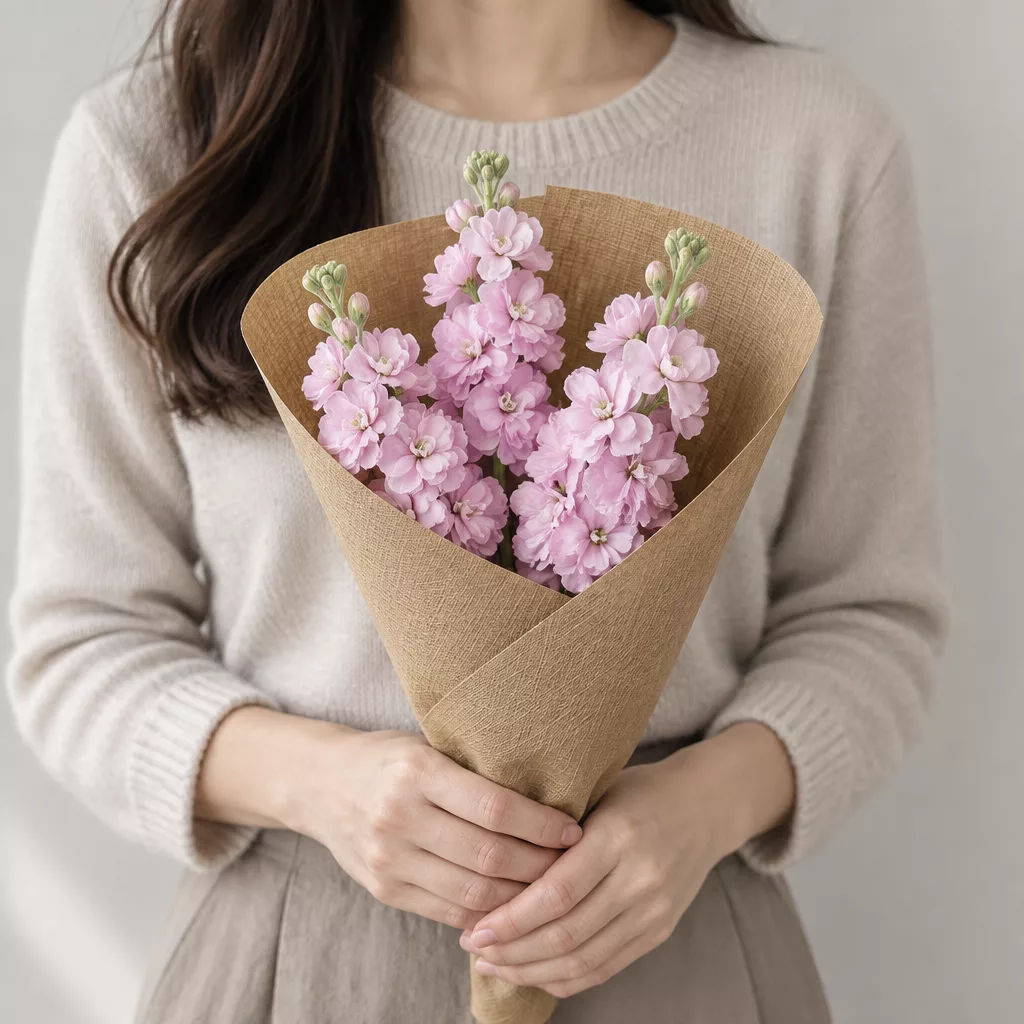
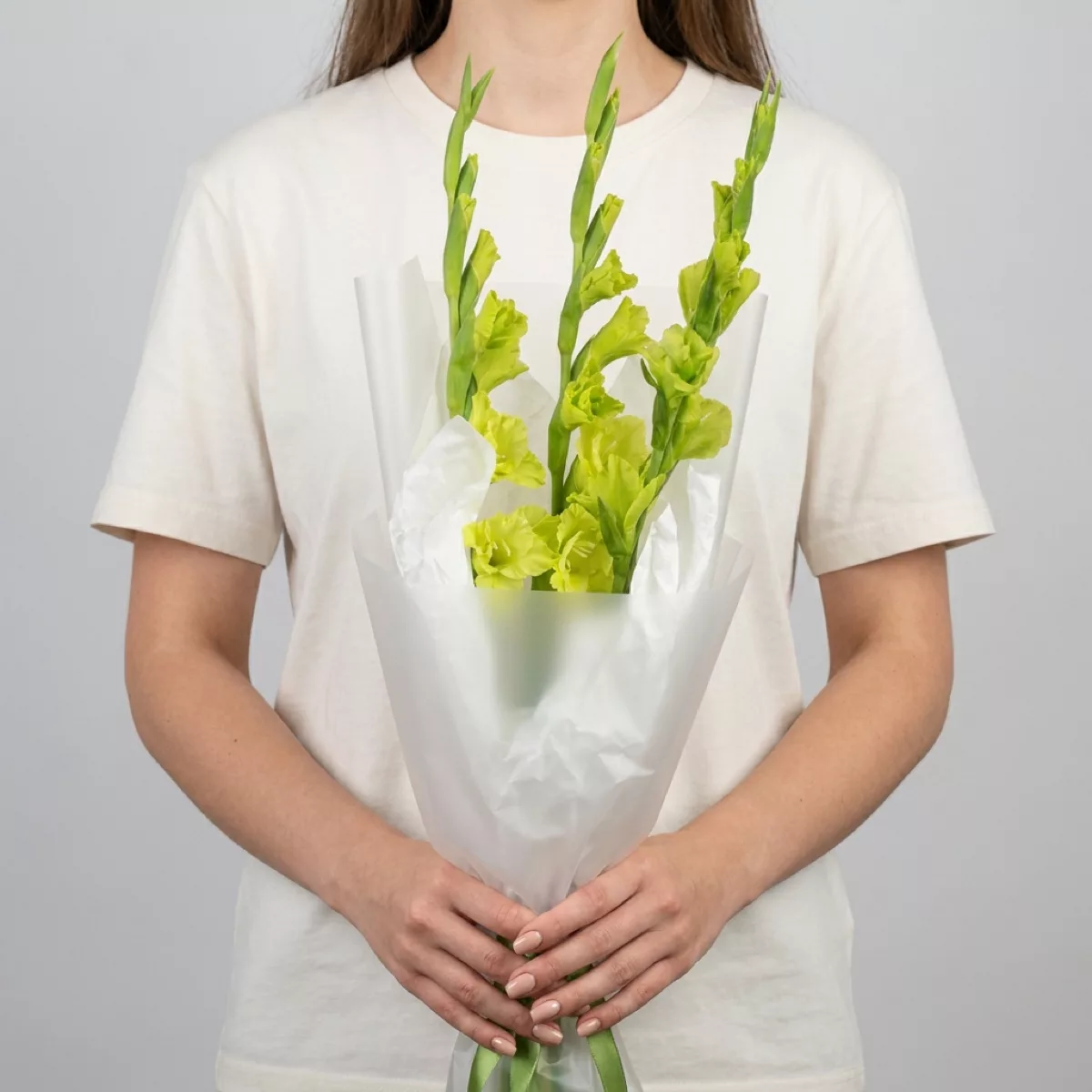
The Varieties That Work Best in Winter and Why They Matter
Choosing the right flowers for late December is partly about aesthetics and partly about survival. Saint Petersburg winters are cold, and even a short journey from a delivery vehicle to an office building can stress flowers that are not naturally suited to the season. Knowing which varieties hold up well is the difference between a bouquet that looks magnificent on the desk for a week and one that droops before the New Year toast.
Roses are the reliable backbone of corporate winter gifting. Varieties with dense, high-petal heads — such as garden-style roses with a cupped form — hold their shape well in cold transit and open gradually over several days indoors. Red and deep burgundy tones read as festive without being garish, while blush and cream shades work well for recipients where a warmer, softer impression is wanted.
Chrysanthemums are underrated for corporate orders. They last exceptionally well — often ten to fourteen days in a vase — which makes them ideal when you are not sure exactly when the recipient will be in the office to receive and trim the stems. Spray varieties in white or bronze add texture to mixed arrangements without inflating the cost significantly.
Eustoma, sometimes called lisianthus, is worth including in premium arrangements. Its ruffled petals resemble peonies and it holds beautifully in cool indoor temperatures. Paired with eucalyptus or ruscus, it gives a bouquet a finished, considered look that photographs well — relevant when recipients are likely to share images with colleagues or on social media.
Avoid tropical varieties like anthurium or bird of paradise for cold-transit deliveries in December. They are sensitive to temperature drops below ten degrees and can show damage quickly.
Setting Your Deadlines: When to Place the Order and Why
The single most common mistake corporate clients make is treating flower orders the same way they treat printed merchandise or branded gifts — assuming a few days' notice is enough. For individual bouquets it sometimes is. For fifty arrangements or more, arriving on a specific date, with personalised notes and varied compositions, it is not.
For orders of ten bouquets or more, placing your order at least ten to fourteen days before your target delivery date is strongly advisable. This gives the team time to source the specific varieties and quantities you need, prepare any personalised elements, and schedule deliveries across your recipient list without compressing everything into one frantic morning.
For large corporate orders — forty or more arrangements — three weeks ahead is the safer target. At that lead time, you can lock in your preferred delivery dates, discuss composition options in detail, and make adjustments without pressure. Stem availability for premium varieties like garden roses and eustoma is genuinely limited in late December, and early orders are fulfilled from better stock.
If your company operates across multiple Russian cities, the timing question becomes even more important. Coordinating deliveries to recipients in Moscow, Kazan, Novosibirsk, and Saint Petersburg simultaneously requires scheduling across different time zones and delivery windows. That coordination takes time to do properly, and it cannot be compressed into forty-eight hours.
The 25th of December is a practical internal deadline worth setting for yourself. If your order is confirmed by that date, the holiday period is manageable. If you are still finalising the list on the 28th, you are competing with every other business that left it late.
Structuring Orders by Budget: From Thoughtful to Impressive
One of the practical realities of corporate gifting is that not everyone on the list receives the same arrangement. A company might send a premium bouquet to a key partner, a mid-range arrangement to each department head, and a smaller but still beautiful bouquet to every other staff member. Planning this tiered structure in advance makes the order easier to manage and ensures the budget is allocated where it has the most impact.
For staff gifting at volume, the most effective approach is a cohesive composition that looks deliberate rather than minimal. A bouquet built around spray roses, white chrysanthemums, and a few stems of eucalyptus reads as considered and generous without requiring rare or expensive varieties. The key is consistency — when thirty people in the same office receive a similar arrangement, it creates a sense of occasion rather than comparison.
For partner and client gifts, the composition can be more individual. Adding premium elements like garden roses, eustoma, or seasonal branches such as cotton stems or dried allium gives an arrangement a distinctive quality that a recipient will notice. Including a handwritten note or a branded card elevates the gesture further without changing the flowers themselves.
For executive-level or VIP recipients, a larger format arrangement with a mix of textures — think deep red roses with white ranunculus, silver brunia, and trailing greenery — makes a strong impression. These arrangements benefit from being delivered in a box rather than a traditional bouquet wrap, as the presentation is part of the gift.
Discuss your tiers with the florist team when you place the order. Having three clearly defined levels simplifies fulfilment and reduces the chance of errors on delivery day.
Personalisation That Actually Lands With Recipients
A flower arrangement is already a personal gesture, but adding even one layer of personalisation transforms it from a corporate transaction into something a recipient genuinely remembers. The challenge for businesses is doing this at scale without it becoming a logistical problem.
The most practical form of personalisation is the message card. A note addressed to the recipient by name, with a line or two that is specific to your relationship — a project completed together, a milestone reached, or simply a warm acknowledgement of the year — takes thirty seconds to write and makes a significant difference to how the gift lands. Generic season's greetings are fine, but they are forgettable. Specific ones are not.
Colour preference is another simple personalisation that works well at volume. If you know that a particular partner prefers cool tones — whites, lavenders, soft blues — or that a team member loves warm colours, noting this when you submit your recipient list allows the florist to adjust compositions without rebuilding the entire order structure. It requires a small amount of advance research but the effect is meaningful.
For premium recipients, consider including a care card with the arrangement. A short note explaining how to trim the stems, what water temperature works best, and how long each variety should last gives the recipient something useful and signals that the gift was chosen with thought rather than convenience.
Avoid personalisation that adds fragility or complexity to the delivery — loose additions, delicate ribbon details, or items that can shift in transit. Keep the personalisation in the message and the composition, not in elements that might not survive the journey.
Coordinating Delivery Across Multiple Recipients and Locations
When a corporate order involves many recipients at different addresses — home deliveries for remote staff, office deliveries across several buildings, partner addresses in different districts — the logistics of coordination become as important as the flowers themselves. Getting this right requires clear communication and a well-organised recipient list before the order is placed.
The most useful thing you can provide when placing a large order is a clean, complete spreadsheet of recipients. Each entry should include the full name, the delivery address with any access codes or building notes, a contact phone number, and the preferred delivery window if you have one. Incomplete addresses are the most common cause of delayed or failed deliveries during peak season, when there is no time to chase missing information.
For office deliveries, confirm whether the building has a reception that can accept deliveries during business hours, or whether someone needs to be present. Many offices in Russian cities have security desks that require advance notice for large deliveries. Flagging this when you submit your order means the delivery team arrives prepared rather than waiting outside.
For home deliveries — which are increasingly common for remote or hybrid teams — the afternoon window between 14:00 and 18:00 tends to have the best success rate. Recipients are more likely to be home, and the flowers benefit from being received and placed in water promptly rather than sitting in a cold entrance hall.
If some recipients are in cities other than Saint Petersburg, confirm delivery timelines for each city when you place the order. Turboflora delivers across Russia, but transit times vary by distance, and some cities may require an earlier order date to guarantee arrival before the 31st.
Keeping Flowers Fresh: What Recipients Should Know
Corporate flower gifts often arrive at offices or homes where the recipient has not thought about vase care in advance. Including brief, clear care instructions — either on a card or in a follow-up message — dramatically extends the life of the arrangement and means the gesture is still beautiful several days into the New Year holiday.
The first step is always the same: trim two to three centimetres from the bottom of each stem at an angle, using a sharp knife or scissors, immediately before placing them in water. Cutting at an angle increases the surface area for water uptake. This single step makes a noticeable difference to how long the flowers last, particularly for roses and eustoma.
Water temperature matters more than most people realise. Lukewarm water — not cold, not hot — is absorbed more readily by most cut flowers. Changing the water every two days and re-trimming the stems at the same time keeps bacteria levels low and the flowers hydrated. In centrally heated Russian apartments and offices, where indoor temperatures in December can reach 22 to 24 degrees, this maintenance matters more than it would in a cooler environment.
Keep arrangements away from radiators, which are working hard in December, and away from direct sunlight through windows. A cool spot on a desk or sideboard away from heat sources will add two to three days to the vase life of most winter arrangements.
Chrysanthemums and roses are the most forgiving varieties for recipients who are not experienced with flower care. Eustoma and ranunculus reward attentive care with exceptional longevity. Mentioning this to recipients — perhaps in the care card — helps them understand what to expect from each stem in the arrangement.
Russian New Year corporate gifting rewards businesses that plan ahead. The holiday is too important to the people receiving your flowers for a last-minute order to do the occasion justice. Start with your recipient list, define your budget tiers, and place your order well before the 25th of December. The result is a gift that arrives fresh, feels personal, and lands exactly as you intended — generous, warm, and entirely on time. We deliver bouquets across Russia in 1–2 hours.
Frequently asked questions
How far in advance should a company place a corporate flower order for Russian New Year?
For orders of ten or more arrangements, aim for ten to fourteen days before your target delivery date. For forty or more bouquets, three weeks ahead is safer. This allows time to source premium varieties, prepare personalised elements, and schedule deliveries without competing with the peak rush that hits between the 27th and 30th of December.
Which flowers last longest when delivered to offices in winter?
Chrysanthemums are the most durable, often lasting ten to fourteen days in a vase with basic care. Roses and eustoma perform well in cool indoor environments when stems are trimmed on arrival. Avoid tropical varieties in December deliveries, as they are sensitive to cold temperatures during transit and can show stress quickly once inside.
Can Turboflora deliver corporate orders to recipients in cities outside Saint Petersburg?
Yes, Turboflora delivers fresh flowers across Russia. For recipients in cities further from Saint Petersburg, it is important to confirm delivery timelines when placing the order, as some locations may require an earlier order date to guarantee arrival before the 31st of December. Provide full recipient addresses and contact numbers for the smoothest coordination.
Is it possible to send different arrangements to different recipients within one corporate order?
Absolutely. Most corporate clients use a tiered approach — a premium composition for key partners, a mid-range arrangement for department heads, and a consistent staff bouquet for the wider team. Defining these tiers clearly when you place the order makes fulfilment straightforward and ensures the right arrangement reaches the right person without errors on delivery day.
What is the best way to personalise corporate flower gifts at volume without adding complexity?
Message cards addressed by name are the most effective and scalable option. A two-sentence note specific to the recipient or your working relationship makes a strong impression without complicating the order. Colour preferences — warm versus cool tones — can also be noted per recipient. Keep physical personalisation simple so nothing is lost or damaged during delivery.
Ready to send flowers?
Pick the city, choose the bouquet, and a local florist takes it from there.
Choose a city →