What does “czy jesteś pewny?” mean, and how do you reply?
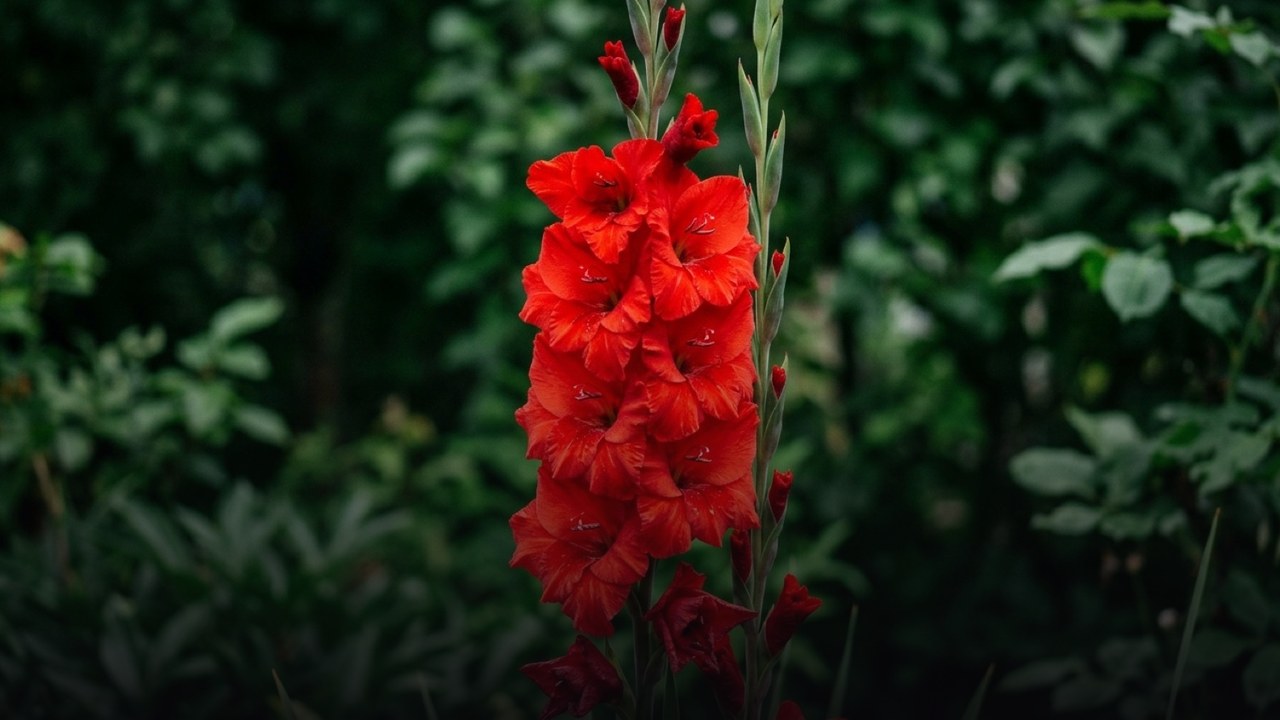
“Czy jesteś pewny?” means “Are you sure?” in Polish when you are speaking informally to one man. The search spelling “czy jestes pewny” leaves out the Polish accent marks but refers to the same phrase. When addressing one woman, use “Czy jesteś pewna?”
The question can check a fact, confirm a decision or express surprise at a generous offer. If someone says it after you suggest sending flowers, they may simply want reassurance that you mean the gesture. Your answer should fit the conversation: confirm practical details clearly, and keep a personal message warm without adding pressure.
Understand the wording before interpreting the emotion
In this question, “czy” introduces a yes-or-no question, “jesteś” means “you are”, and “pewny” means “sure” or “certain”. Polish changes the adjective to match the person being addressed. That is why “pewny” becomes “pewna” when you speak to a woman; the underlying question stays the same.
You may also encounter “Czy jesteś pewien?” when someone addresses a man. It is another natural way to ask “Are you sure?” For a more formal conversation, use “Czy jest pan pewny?” to a man or “Czy jest pani pewna?” to a woman. The informal “jesteś” generally suits someone you already address on familiar terms.
The words alone do not tell you whether the speaker feels doubtful, grateful or concerned. After a proposed delivery time, the question probably checks your availability. After an unexpected gift offer, it may mean “Do you really want to do that?” Read the preceding message before assuming that the person is rejecting your idea.
Reply with reassurance that fits the situation
A direct answer is “Tak, jestem pewny” if you are a man, or “Tak, jestem pewna” if you are a woman: “Yes, I’m sure.” Here the ending describes you, the person replying. It does not copy the gender of the person who asked. For a brief response without that distinction, “Tak, na pewno” means “Yes, definitely.”
When the question follows an offer of flowers, a short explanation can feel more comfortable than an emphatic declaration. “Tak, chcę ci sprawić przyjemność” means “Yes, I want to make you happy.” Use that only if it reflects your intention. You can also answer in your shared language; a thoughtful gift does not require a performance in Polish.
If you are uncertain, say what still needs checking. “Jeszcze to sprawdzę” means “I’ll check that again”, while “Nie mam pewności” means “I’m not certain”. For a delivery arrangement, name the unresolved detail, such as the address or the recipient’s availability. A precise answer helps more than confidence you cannot support.
Bouquets we can deliver




Make a flower gesture comfortable for the recipient
If someone asks whether you are sure about a gift, give them room to respond honestly. A modest bouquet with a clear message may suit a new friendship better than a strongly romantic arrangement. Consider what you already know about the relationship, the occasion and the recipient’s preferences before choosing the size or style.
Flower customs depend on the recipient’s cultural background, not just the language of your conversation. In Russia, an odd number of stems is customary for a small, countable gift bouquet; even numbers are traditionally associated with mourning. If the stem count will be obvious, explain the occasion when asking for help with your choice.
A card can explain a gesture more accurately than a supposed universal meaning of a flower colour. Write “Thinking of you on your birthday” or “Thank you for being there for me” if that is what you mean. Turboflora includes a card with your text free, so you can make the intention clear without relying on floral symbolism.
Choose flowers for their setting and explain basic care
Start with the recipient’s favourite flowers or colours if you know them, then think about where the bouquet will stand. A compact arrangement may be easier to place on a busy desk or a small table. If the household has cats, avoid lilies: true lilies and daylilies are highly toxic to them, including their pollen.
Use the Bouquets catalogue to compare the overall shape and colour balance, then describe your priorities when requesting help. For example, “soft colours for a friend’s birthday” communicates more than “something nice”. If you do not know the recipient’s preferences, explain the occasion and relationship instead of guessing at a favourite flower.
For a cut-stem bouquet, use a clean vase, remove any leaves that would sit below the waterline and recut the stem ends with a clean, sharp tool. Add flower food according to its packet instructions if available. Keep the flowers away from direct sunlight, radiators and ripening fruit, and refresh the water regularly, cleaning the vase when you do.
Plan a delivery time the recipient can actually manage
When you are ordering from abroad, check the date and time at the destination before choosing delivery. Russia spans several time zones, so the recipient’s working day may differ considerably from yours. A birthday delivery is easier to coordinate when you have considered whether the person will be at home, at work or travelling that day.
Turboflora delivers flowers across Russia. In large cities, express delivery is available 1–2 hours after the order is confirmed. You can also arrange an exact time with a tolerance of plus or minus 30 minutes, select a window of 09–12, 12–15, 15–18 or 18–21, or pre-order 1–30 days ahead. Allow for the stated tolerance when planning around an event.
The courier calls the recipient about 15 minutes before arrival, so consider whether they can answer their phone during the chosen period. If they are absent, we agree a second delivery the same day or, with the sender’s consent, handing the flowers to a neighbour or concierge. Choose a practical window even when the bouquet is intended as a surprise.
Order flowers to Russia with clear instructions
Prepare the delivery city, address, recipient’s contact details, preferred date and card wording before arranging the order. City delivery costs 500 RUB; for remote districts and suburbs, the operator confirms the price when confirming the order. You can review Delivery and payment while deciding which arrangement suits the occasion.
Contact a manager on WhatsApp for help choosing a bouquet and agreeing the time, address and card text. You can also request a photo of the bouquet before delivery. If you are unsure about a detail, state the question explicitly: for example, ask to confirm the delivery price for the address or the wording on the card.
Delivery is anonymous by default: the courier does not name the sender. Include your name in the card if you want the recipient to recognise the gift immediately. Online checkout uses CloudPayments; check the payment options displayed there before paying, as acceptance of every foreign card is not guaranteed. Confirm the practical details before treating your delivery plans as settled.
Frequently asked questions
What does “czy jestes pewny” mean in English?
It means “Are you sure?” when addressing one man informally. With Polish accent marks, it is written “Czy jesteś pewny?”
How do I say “Are you sure?” to a woman in Polish?
Use “Czy jesteś pewna?” in an informal conversation. In a formal conversation, use “Czy jest pani pewna?”
Does “czy jesteś pewny?” mean someone does not want my gift?
The phrase alone does not establish that; it can express surprise or ask for confirmation. Explain your intention briefly and give the person space to say what they would prefer.
Will the recipient know who sent the flowers?
Turboflora delivery is anonymous by default, and the courier does not name the sender. Add your name to the free card if you want the recipient to know the gift is from you.
Can I pay for flowers to Russia with a foreign card?
Online checkout uses CloudPayments, but acceptance of every foreign card is not guaranteed. Check the payment options displayed at checkout.
Ready to send flowers?
Pick the city, choose the bouquet, and a local florist takes it from there.
Choose a city →