Do Cut Flowers Need Light to Stay Fresh?
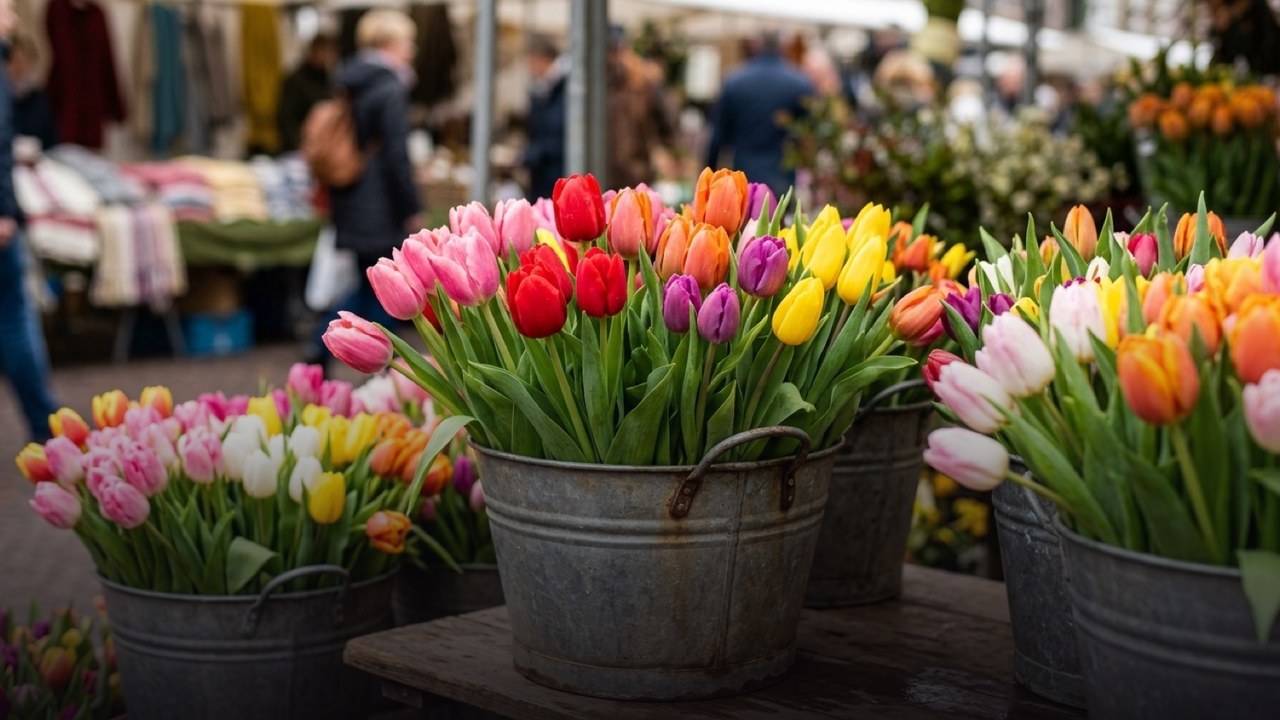
Cut flowers do not need sunlight to stay fresh in a vase, and direct sun can shorten their vase life by warming the flowers and water. Choose a cool spot with gentle, indirect light; clean water and good stem care matter more than a bright position.
The advice you follow for a growing houseplant does not transfer neatly to a bouquet. Once stems are cut, they have no roots to replace lost water, so their surroundings should help them stay hydrated. Whether you are arranging flowers at home or sending a bouquet to someone in Russia, a sensible place for the vase is one of the most useful care decisions you can make.
Why a cut bouquet has different light needs from a plant
A rooted plant uses light to make sugars through photosynthesis and draws water and nutrients from its growing medium. Leaves on cut stems may still photosynthesise, but this does not mean a bouquet needs a sunny windowsill. Its vase life also depends on stored reserves, water uptake, the condition of the stems and the natural ageing of the flowers.
For everyday care, focus on the balance between water entering the stems and moisture leaving the flowers and leaves. Direct sunlight often makes that balance harder to maintain because it heats the arrangement. A flower can lose water faster than its cut stem can supply it, even when there is still plenty of water in the vase.
You do not need to buy a grow light or move your bouquet around to follow the sun. Ordinary indirect room light is a sensible choice for displaying most arrangements. More light is not a treatment for drooping stems: check the water level, stem ends and nearby heat before changing the bouquet's position.
Choose a place with indirect light and little heat
A side table or dining table away from direct sun is usually a better starting point than a windowsill. Look at where sunlight actually falls during the day: a shaded surface in the morning may become hot by the afternoon. If a clear patch of sun reaches the vase, move it farther into the room or use a curtain to soften the light.
Check the surroundings as well as the brightness. Keep flowers away from radiators, fireplaces, cooking appliances and the warm airflow from heating equipment. Avoid strong draughts and air blowing directly from a fan or air conditioner. A position that stays reasonably steady is easier on a bouquet than one that repeatedly becomes hot, cold or windy.
During the heating season, a bright window above a radiator combines two avoidable problems: sunshine and rising warm air. Moving the vase to another surface can help more than adding water repeatedly while leaving it in the same place. Our guide to why bouquets wilt indoors explains how heating and dry indoor air affect flower care.
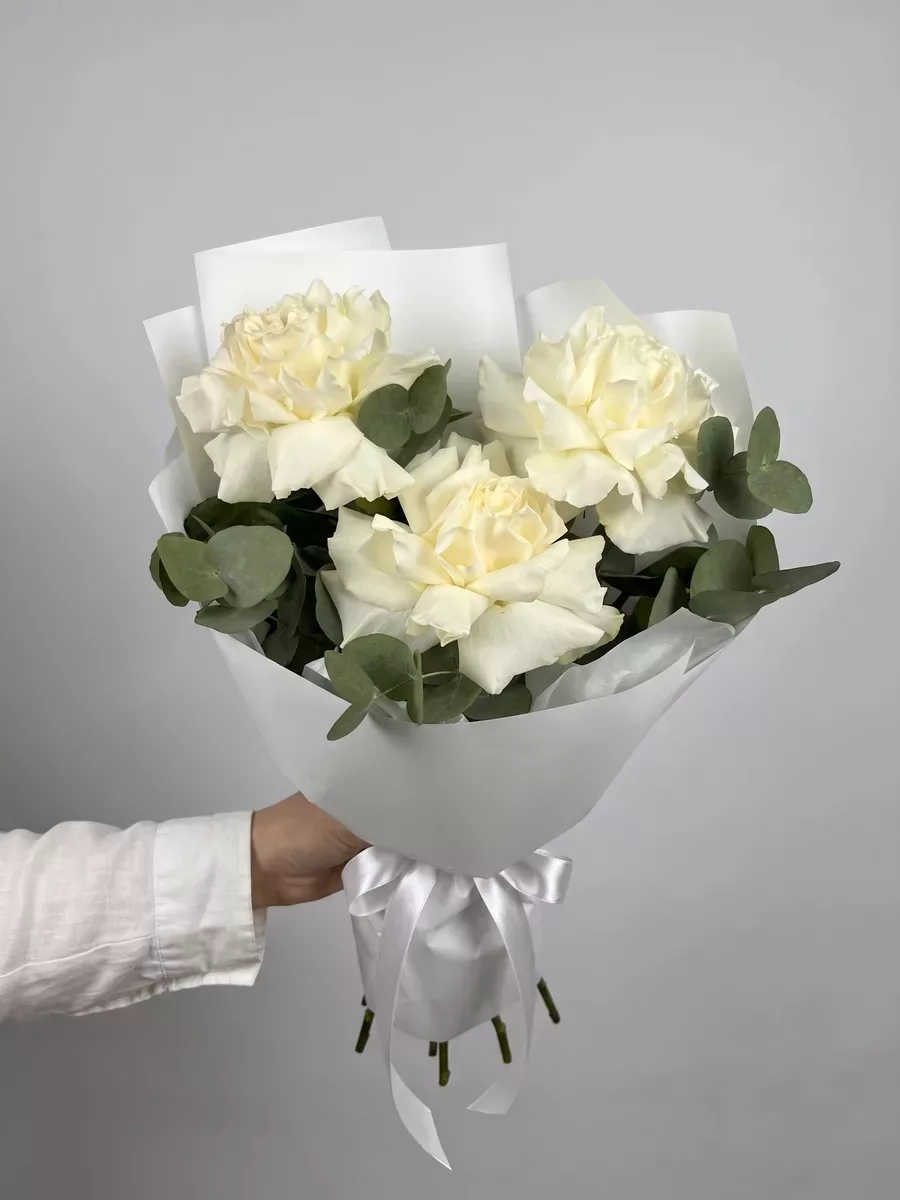
Bouquets we can deliver



Can you keep cut flowers in a dark room overnight?
Yes, a bouquet can spend the night in a dark room; you do not need to leave a lamp on for it. Darkness itself is not an overnight care problem. If you move the flowers before bed, choose a room because it is cooler and suitable for the arrangement, rather than because it has no light.
A windowless room can also be used for a temporary display if it has suitable conditions and you can check the flowers regularly. However, there is no need to keep a bouquet in a cupboard or covered box as a routine care method. Darkness cannot compensate for dirty water, a dry vase or damaged stems, and it makes changes in the arrangement harder to notice.
Do not assume the coldest available space is best. Domestic fridges may contain ripening fruit, and their conditions may not suit every flower in a mixed bouquet. Avoid unheated balconies, freezing windows and other places with uncertain temperatures. If you are unsure about an unfamiliar stem, ask for care advice rather than experimenting with extreme cooling.
Give water and stem care priority over extra light
Start with a clean vase and fresh water. Remove leaves that would sit below the waterline, because decaying foliage makes it harder to keep the water clean. With a clean, sharp tool, trim the stem ends before putting the flowers into water. Follow any supplied care directions, especially if the arrangement contains flowers with particular needs.
Check the water every day and top it up as needed; a full vase on arrival can become surprisingly low as the stems drink. Replace water that becomes cloudy or develops an odour, and clean the vase when you do. If flower food is supplied, mix it according to the packet directions instead of guessing the concentration or adding several household ingredients.
Remove fading flowers and damaged foliage as you notice them, and keep the arrangement away from ripening fruit, which can release ethylene and hasten ageing in sensitive flowers. These practical habits are more useful than searching for a brighter room. For a fuller routine, see how to keep cut flowers fresh, including unpacking and ongoing care.
What to check when flowers droop near a window
If a bouquet looks tired after sitting in the sun, first move it to a cooler place with indirect light and check the water level. Look for submerged leaves, cloudy water and stems whose cut ends are no longer under water. Correct those problems before deciding that the bouquet needs more light or a homemade treatment.
For loose stems in a conventional vase, refresh the water and recut the ends with a clean, sharp tool if needed, then return them promptly to water. Handle the flower heads gently and avoid repeatedly rearranging the stems while you wait to see how they respond. Flowers arranged in a water-retaining material need care suited to that arrangement, rather than being pulled apart automatically.
Some drooping caused by water loss may improve after care, but there is no reliable way to reverse every kind of damage. Browning petals, crushed stems and flowers that are naturally reaching the end of their vase life will not be restored by shade alone. In a mixed bouquet, remove individual spent stems so you can continue enjoying the flowers that remain in good condition.
Sending flowers to Russia: plan the handover and the vase
When sending a gift, think about whether the recipient will be available to receive it and put it in water. You can choose flowers from our bouquets catalogue. Turboflora delivers across Russia, with city delivery costing 500 RUB; for remote districts and suburbs, the operator confirms the delivery price when confirming the order.
In large cities, express delivery is available 1–2 hours after order confirmation. You can also arrange an exact time with a margin of plus or minus 30 minutes, choose a window of 09–12, 12–15, 15–18 or 18–21, or pre-order 1–30 days ahead. If you are ordering from abroad, use WhatsApp to agree the delivery time and address, get help choosing a bouquet, arrange card text or request a photo before delivery.
The courier calls the recipient about 15 minutes before arrival. Delivery is anonymous by default, so include your name in the free card if you want the recipient to know who sent the flowers. A short care note can be useful too: “Place in water away from direct sun and radiators.” Online checkout uses CloudPayments; check the payment options displayed there for your card. We deliver bouquets across Russia in 1–2 hours.
Frequently asked questions
Do cut flowers need sunlight every day?
No, you do not need to give a cut bouquet daily sunlight. Indirect room light is suitable for display, while direct sun can heat the flowers and increase water loss.
Can cut flowers survive in a room without windows?
A windowless room can be suitable for a temporary display if it is away from heat and the flowers receive proper water care. Check the vase regularly; leaving the lights on will not make up for poor hydration.
Should I put cut roses on a sunny windowsill?
Choose a position away from direct sun and radiators instead. Check the vase water daily and keep leaves below the waterline removed.
Will a grow light help a drooping bouquet?
A grow light is not a useful first response to drooping cut flowers. Check water levels, stem condition and heat exposure, then refresh the water and trim loose stems if needed.
Where should the recipient put flowers after delivery?
Put the flowers into a clean vase with water, following any supplied care instructions. Choose a spot with indirect light, away from heating equipment, strong draughts and ripening fruit.
Ready to send flowers?
Pick the city, choose the bouquet, and a local florist takes it from there.
Choose a city →