Do Flowers Need Light? Give Your Flowers the Right Spot
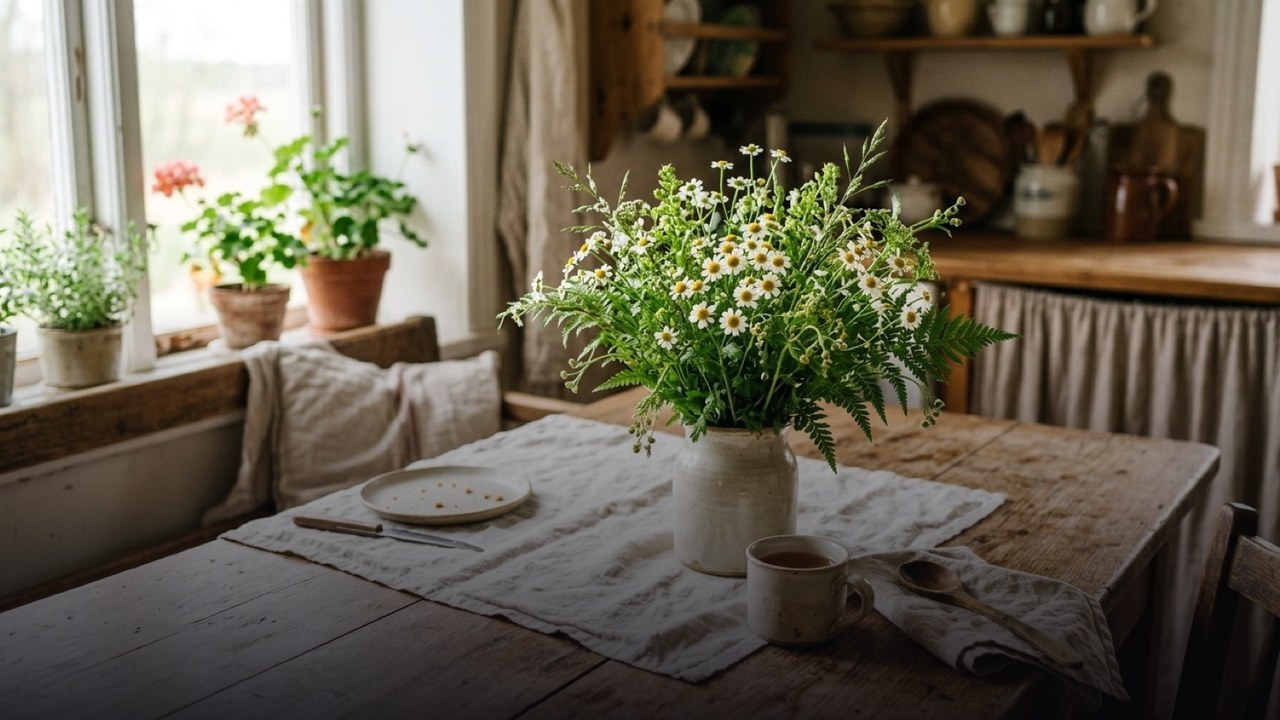
Yes, living flowering plants need light to support growth and flowering, but a cut bouquet does not need a sunny position to stay fresh. For cut flowers, choose a cool spot away from direct sunlight; for a potted flowering plant, match the light to the species.
The important distinction is whether your flowers still have roots. A rose growing in a pot needs light to make sugars through photosynthesis, while a cut rose has a limited supply of stored resources and depends heavily on good water uptake. Giving both the same sunny windowsill can therefore produce very different results. Start by identifying which kind of flowers you have, then choose their position and care routine.
Cut flowers: daylight is fine, direct sun is best avoided
A bouquet can sit comfortably in a room with ordinary daylight, without receiving direct sun. Cut stems and any remaining green leaves may still carry out some photosynthesis, but that does not make strong sunlight a useful freshness treatment. Once flowers are cut, their roots no longer replace the water they lose. Your priority is to help the stems take up water while limiting unnecessary heat and moisture loss.
Choose a stable table or shelf away from a sunny window, radiators and warm appliances. Direct sun can heat the petals, vase and water, increasing water loss and encouraging faster deterioration. A position that feels comfortable in the morning may become hot later, so check where the sun falls during the afternoon before deciding that a windowsill is suitable.
You do not need to keep a cut bouquet in darkness, buy a grow light or move it towards the window each day. A dim room is usually acceptable for display if it is cool and the flowers receive proper care. For more detail about vase placement, see where to put your cut flowers. Judge the spot by heat and exposure as well as brightness.
Potted flowering plants need the right light for their species
A flowering plant with roots needs light to maintain its leaves, support new growth and build the resources used for flowering. However, there is no single light prescription for every plant sold in bloom. A rose, an orchid and a cyclamen have different requirements. Read the plant label or identify the species before following advice intended for another flowering plant.
Bright indirect light means a well-lit position where strong sun does not fall directly on the leaves for extended periods. This suits many indoor flowering plants, but some species need more direct sun and others tolerate less light. Window direction offers a starting point, rather than a complete answer: nearby buildings, trees, curtains, season and distance from the glass all change the light reaching the plant.
If you move a plant into stronger light, introduce the change gradually and watch the leaves. Pale, bleached or scorched patches can indicate excessive exposure, although other problems can look similar. Long, weak growth leaning towards the window can suggest insufficient light. Use these clues alongside the species requirements and watering conditions; one yellow leaf alone cannot tell you what is wrong.
Bouquets we can deliver




Will light help closed buds open?
Putting a tight bouquet in direct sun is an unreliable way to open its buds and can shorten its useful display life. Whether a cut bud opens depends on the flower, its stage at harvest and its condition, as well as hydration and the room environment. Some buds continue opening in a vase; others may remain closed if they were cut too early or have suffered damage.
For cut flowers, begin with a clean vase, fresh water and a fresh stem cut using a clean, sharp tool. Remove leaves that would sit below the waterline, then use flower food according to the packet instructions if you have it. Give the bouquet time in a comfortable room away from heat. Avoid hot water, forced heating and improvised mixtures unless you have reliable instructions for that particular flower.
For a rooted plant, unopened buds do not automatically mean that more sunlight is needed. Changes in position, uneven watering and other stresses can affect bud development. Check moisture and the plant's normal light requirements before moving it. If you need flowers to look open for a particular occasion, discuss that preference when choosing the bouquet instead of relying on sunlight to change it after arrival.
A daily care routine matters more than extra light
Check the water level every day, especially soon after you put the bouquet in a vase. A full arrangement can use water faster than you expect, and opaque containers hide a falling level. Keep the cut ends submerged and remove any foliage that slips into the water. When the water becomes cloudy or develops an unpleasant smell, clean the vase and replace the water rather than simply topping it up.
Inspect the stems and flowers as you care for them. Remove spent blooms and decaying material so they do not remain in the arrangement or water. If you recut stems, use a clean, sharp tool and return them promptly to water. Follow any flower-specific care instructions supplied with the bouquet, since delicate stems and mixed arrangements do not all benefit from identical handling.
Keep the vase away from ripening fruit, which releases ethylene, a gas that can accelerate ageing in sensitive flowers. Avoid drying draughts from heaters and air conditioners as well. If a bouquet droops, first check its water supply, stem condition and exposure to heat. Moving it into stronger light is unlikely to solve a hydration problem, and no care routine can guarantee a fixed vase life.
Choose flowers to suit the recipient's space and routine
For someone with a dim flat or an office desk away from windows, a cut bouquet can be a practical gift because it does not need a growing position. A potted flowering plant is a different commitment: its recipient will need a suitable spot and ongoing care. If you do not know their window conditions or whether they enjoy looking after plants, think about those questions before choosing a living plant.
Consider the display space as well as the flowers. A bouquet intended for a dining table should leave room for everyday use; flowers for a desk need a secure position away from electronics and warm equipment. If you know the recipient has pets or young children, check the suitability of the specific flowers before buying. Light requirements alone do not establish whether a plant is appropriate for that household.
A personal message often communicates your intention more clearly than an assumed flower meaning. You might wish someone a happy birthday, thank them for their help or simply say you are thinking of them. When sending flowers with Turboflora, a card with your text is free. Delivery is anonymous by default, so include your name in the card if you want the recipient to know who sent the gift.
Sending flowers to Russia: arrange timing and care
You can choose a gift from our bouquets catalogue for delivery across Russia. City delivery costs 500 RUB; for remote districts and suburbs, the operator confirms the price when confirming the order. If you are ordering from abroad, give the delivery date and time in the recipient's local time so the arrangement matches their day. Check the address and card text before submitting the order.
In large cities, express delivery is available 1–2 hours after order confirmation. You can also arrange an exact time with a margin of plus or minus 30 minutes, choose a 09–12, 12–15, 15–18 or 18–21 window, or pre-order 1–30 days ahead. Use WhatsApp for help choosing a bouquet, agreeing the time, address and card text, or arranging a photo of the bouquet before delivery.
The courier calls the recipient about 15 minutes before arrival. If they are absent, we agree a second delivery the same day or, with the sender's consent, hand the flowers to a neighbour or concierge. Online checkout uses CloudPayments; check the options displayed there for your card. You can review delivery and payment details before ordering, and remind the recipient to place cut flowers in water away from direct sun.
Frequently asked questions
Do cut flowers need sunlight to stay fresh?
Cut flowers do not need a sunny position to stay fresh. Keep them away from direct sunlight and heat, and focus on clean water, a clean vase and appropriate stem care.
Can I keep a bouquet in a room without windows?
Yes, a cut bouquet can be displayed in a room without windows. Check that the room is not hot and maintain the water supply; a rooted flowering plant will need suitable light for ongoing growth.
Should I put flowers on a windowsill?
For a cut bouquet, use a windowsill only if it stays cool and receives no direct sun. For a potted flowering plant, check the species requirements and watch for heat from the glass or a radiator below.
Do flowering plants need a grow light?
A grow light may help when natural light is insufficient for a particular plant. Identify the plant and assess its position first, because light intensity and duration need to suit the species.
Will more light revive a wilting bouquet?
Extra light is not a reliable treatment for wilting cut flowers. Check for low water, dirty water, damaged stems and nearby heat, then correct the care conditions; flowers that have deteriorated may not recover.
Ready to send flowers?
Pick the city, choose the bouquet, and a local florist takes it from there.
Choose a city →