Dropping Flowers: A Practical Guide to Wilting and Petal Loss
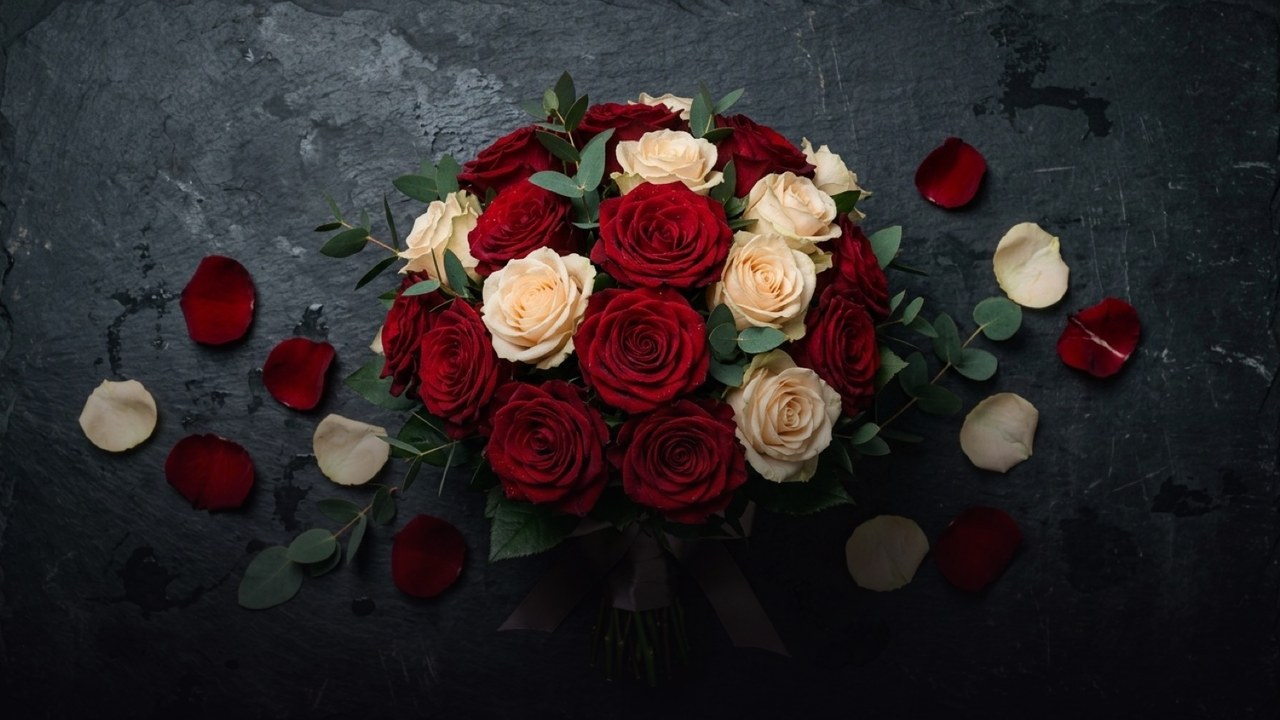
Dropping flowers usually means cut flowers that are drooping or losing petals: drooping can indicate poor water uptake, while falling petals may reflect ageing, heat or handling damage. Check the water and stems first, then clean the vase, recut the stems and move the bouquet away from direct sun and heat; these steps may help thirsty flowers, but cannot restore damaged or ageing petals.
Start by noticing exactly what has changed. A whole stem leaning over, a flower head bending at the neck and loose petals gathering beneath a bloom are different problems. The distinction helps you decide whether to refresh the water, support a heavy stem or remove a fading flower. If you are sending a bouquet to someone in Russia, a little thought about arrival time and the recipient’s availability also makes the gift easier to receive and care for.
Check whether the flowers are drooping or shedding
Look at the bouquet before taking it apart. Are several stems limp, or is one flower affected? Check whether the cut ends reach the water and whether leaves are submerged. A low water level can leave shorter stems dry even when the vase still looks partly full. Cloudy water, a slippery vase or an unpleasant smell are reasons to clean the container and refresh the water promptly.
If a flower head hangs while its stem remains fairly firm, inspect the bend closely. A crease, split or crushed patch suggests physical damage; adding more water will not repair that tissue. If there is no obvious damage, refresh the vase and recut the stem before reassessing it. Avoid repeatedly squeezing the neck or bending it upright, which can make a weak spot worse.
Petal loss calls for a different judgement. A few loose outer petals do not tell you the condition of every flower in the bouquet. Notice whether the bloom is otherwise firm, or whether petals are becoming thin, brown or soft. Remove fallen material from the water and judge each stem separately. Our guide to why flowers drop petals quickly explains this problem in more detail.
Refresh a drooping bouquet step by step
Take the stems out and wash the vase thoroughly with washing-up liquid, then rinse away the residue. Refill it with fresh water and add cut-flower food if you have it, following the packet’s dilution instructions. Do not make the solution stronger in an attempt to revive the bouquet. Without flower food, clean water and regular vase care are a sensible starting point.
Use a clean, sharp tool to remove a small section from each stem end without crushing it, then return the stems to water promptly. Remove leaves that would sit below the waterline. If the bouquet contains different stem lengths, check them individually when arranging it: a decorative stem near the rim may need a lower position to keep its cut end submerged.
Put the vase somewhere out of direct sunlight, away from radiators, heating vents and ripening fruit. Give the flowers time to take up water before judging the result, and check the level again later. Some thirsty stems may regain firmness; flowers with damaged stems or advanced deterioration may not. Avoid adding sugar, coins or a mixture of household products as an improvised rescue treatment.
Bouquets we can deliver




Recognise natural movement and flowers nearing their end
Tulips can curve and change direction in a vase, so an arching stem is not automatically a sign that the flower is dying. Look at the leaves and petals as well as the angle of the stem. Choose a vase that supports the arrangement without crowding it, and keep checking the water level. For more specific care, see our guide to tulips in the vase.
With roses and other heavy-headed flowers, the position of the bend matters. A stem leaning from the vase opening may need a better arrangement or a more supportive container. A sharply bent neck directly beneath the bloom needs closer inspection for damage and poor hydration. Do not force stems into a tight vase opening to hold them upright; give them enough room to arrange without pressure.
A flower that has opened fully and is shedding delicate petals may simply be reaching the end of its vase life. Remove individual fading stems so you can enjoy the rest of the arrangement, and clear away loose petals before they enter the water. There is no need to discard a whole bouquet because one bloom fades first, but no care routine can keep every flower at the same stage.
Prevent avoidable wilting when giving flowers
Plan the handover around when the recipient can put the bouquet in water. Flowers left on a desk during a long meeting or carried through several errands may spend more time without water than you intended. If you are giving them in person, make the bouquet one of your last stops and have a suitable vase ready at the destination whenever that is practical.
Keep gift wrapping and vase care separate. Before arranging the flowers, remove any transport wrapping or material that would otherwise sit in the water, handling the stems gently. If a tie holds the bouquet’s shape, do not pull hard against it or drag stems through it. Adjust the arrangement carefully so the vase supports the flowers and all cut ends can reach the water.
If you are choosing a gift, consider the recipient’s space and routine as well as the occasion. A large arrangement can be awkward for someone with a small table or no suitable vase. Browse the bouquets catalogue with that practical detail in mind, and ask for help choosing if you are uncertain. A bouquet that fits the setting is easier to place and enjoy.
Handle a drooping gift with care and tact
Drooping flowers do not carry a reliable hidden message about the sender’s feelings. Water access, the room’s conditions, handling and the flowers’ stage of development are more useful explanations to investigate. If a gift begins to wilt, you can appreciate the gesture while taking practical care of the stems. Avoid treating petal loss as evidence that the sender chose carelessly.
If flowers arrive looking limp, take a clear photograph before changing the arrangement, then check the water access and follow the basic care steps. Note whether the whole bouquet is affected or only particular stems. When discussing the condition, describe what you can see: a bent stem, soft leaves or loose petals is more helpful than saying the flowers look wrong.
For a gift sent at a distance, your card can make the intention clear without a long explanation. A short message such as “Thinking of you today” or “Congratulations on your new home” gives the recipient context. Turboflora includes a card with your text free of charge. Delivery is anonymous by default, and the courier does not name the sender, so include your name in the card text if you want it disclosed.
Arrange flower delivery in Russia from abroad
We deliver flowers across Russia. City delivery costs 500 RUB; for remote districts and suburbs, the operator confirms the delivery price when confirming the order. If you are arranging a gift from another country, check the recipient’s address and use the delivery city’s local time when discussing arrival. You can contact a manager on WhatsApp for help choosing a bouquet, agreeing the time, address and card text, and a photo of the bouquet before delivery.
In large cities, express delivery takes 1–2 hours after the order is confirmed. You can also arrange an exact time with a tolerance of plus or minus 30 minutes, choose a window of 09–12, 12–15, 15–18 or 18–21, or preorder 1–30 days ahead. Choose a time when the recipient is likely to be available and able to put the flowers in water, particularly if the gift is going to a workplace.
The courier calls the recipient about 15 minutes before arrival. If the recipient is absent, we agree a second delivery the same day or, with the sender’s consent, hand the flowers to a neighbour or concierge. Online checkout uses CloudPayments; check the payment options displayed there, as acceptance of every foreign card is not guaranteed. See delivery and payment when planning your order.
Frequently asked questions
Why are my flowers dropping after one day?
Check whether they are drooping or actually shedding petals: low water, poor water uptake, heat and handling damage can produce different symptoms. Clean the vase, refresh the water and recut the stems, but remember that damaged or ageing flowers may not recover.
Should I remove flowers that are dropping petals?
Remove loose petals from the vase water and inspect the affected bloom. If it is deteriorating, remove that stem; a few loose outer petals alone do not mean the entire bouquet needs to be discarded.
Does a curved tulip stem mean the flower is dying?
Tulips can naturally curve and change direction in a vase. Check water access and the condition of the leaves and petals before treating the curve as a sign of wilting.
Can I send flowers to Russia without revealing my name?
Yes, delivery is anonymous by default, and the courier does not name the sender. A card with your text is free, so leave your name out of the message if you want to remain anonymous.
Can I pay for flowers to Russia with a foreign card?
Online checkout uses CloudPayments, and you should check the payment options displayed at checkout. Acceptance of every foreign card is not guaranteed.
Ready to send flowers?
Pick the city, choose the bouquet, and a local florist takes it from there.
Choose a city →