Flower Arrangement Class: A Practical Guide for Beginners
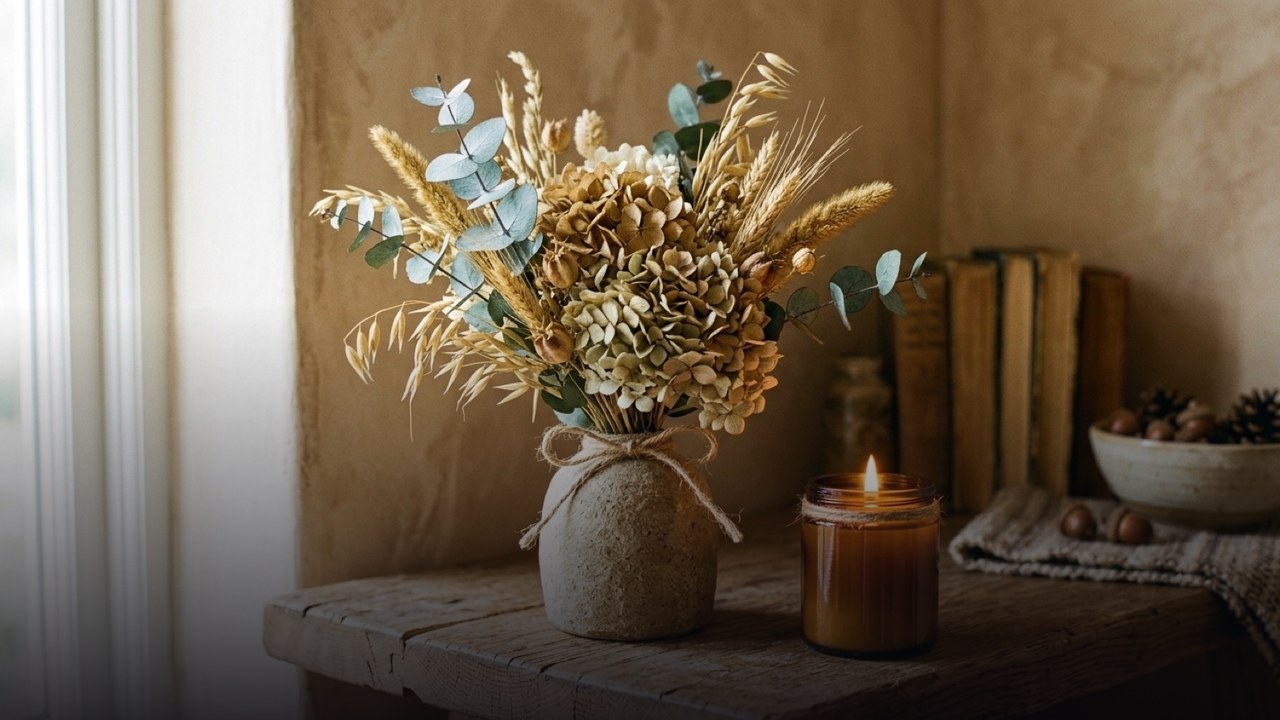
A flower arrangement class should teach you how to prepare stems, choose a suitable vase, build a balanced shape and care for the finished design. For a first lesson, look for hands-on practice, clear information about materials and a project you can complete yourself. This guide explains how to choose a class and practise the essential skills at home.
Turboflora delivers flowers across Russia; the information here helps you assess a class independently and understand the choices behind an arrangement. Whether you want a creative hobby or more confidence choosing flowers for someone else, start with proportion, stem placement and care. Elaborate designs become easier once you can make a simple vase arrangement sit comfortably.
Choose a class by its project and teaching format
Read the project description before booking. A vase arrangement, a hand-tied bouquet and a floral installation involve different techniques. For a beginner, a small vase design offers a manageable introduction: you can see where each stem sits and adjust it as you work. Ask whether the lesson starts with flower preparation or assumes you already know the basics.
Check what the fee includes: flowers, foliage, tools, a container and any materials needed to support the stems. Find out whether you take the finished piece home and how you should transport it. If you are travelling to the class, consider whether you can carry a container with water upright. A practical materials list is more useful than a photograph of an ambitious finished design.
Choose a format that lets you see the instructor's hands and receive feedback on your own work. For an online lesson, check whether it is live or recorded, whether you need to obtain flowers in advance and how substitutions are explained. A useful teacher can show why a stem needs moving and help you correct the arrangement without rebuilding it for you.
Learn preparation before you start designing
Begin with a clean vase and clean cutting tools. Remove leaves that would sit below the waterline, because submerged foliage decays and makes the water dirty. Recut stem ends with a sharp tool before placing them in water. Avoid crushing stems with blunt household scissors, and keep the prepared flowers in water while you organise your workspace.
If flower food is supplied, mix it according to the packet instructions and the amount of water you are using. Do not assume that adding more makes it more effective. Different flowers can need different handling, so a good class should identify the stems in your project and explain any special preparation. Ask before stripping leaves or removing outer petals that may still be useful.
Lay out a cloth, a container for trimmings and enough clear space to turn the vase. Keep cutting tools away from the edge of the table, and cut away from your supporting hand. Separate preparation from arranging: cleaning and sorting the stems first makes it easier to concentrate on shape later. You will also see how much material you actually have before choosing the design.
Bouquets we can deliver




Practise a simple vase arrangement step by step
Choose a vase that can support your stems without swallowing the flower heads. A narrow opening helps hold a modest number of stems together; a wide bowl usually needs more material or a support method. For your first exercise, use one main flower type, a smaller supporting flower and some foliage. A limited selection makes spacing and proportion easier to judge.
Place a few branching foliage stems first to suggest the outline, then add your main flowers at different heights. Turn the vase after every few additions so that one side does not become crowded while another remains bare. Cut gradually: hold each stem beside the vase to estimate its position, then shorten it in small stages. You cannot restore length once it has been removed.
Add the smaller flowers where they help connect the main blooms, leaving enough space to see individual shapes. Look at the arrangement from the height at which it will be displayed, then step back. If it feels heavy on one side, move or remove a stem before adding more. Photographing the result against a plain background can make a leaning outline or crowded centre easier to spot.
Use colour, flower meanings and etiquette thoughtfully
For an approachable colour exercise, choose one main colour and one quieter supporting shade, with foliage connecting them. Repeat the main colour in several places so the eye travels through the arrangement. You do not need an exact formula: compare the flowers together in natural light and notice whether one strong colour overwhelms the others. Texture and flower size affect the balance too.
Treat flower meanings as cultural associations rather than a universal language. Red roses can suggest romance, but the recipient's preferences and your relationship matter more than a fixed symbolism chart. In Russian gift-giving, an odd number of stems is customary when the flowers are individually counted; even numbers are associated with mourning. Ask for guidance if you are unsure how that applies to your choice.
Match the scale to the occasion and the space. A dining-table arrangement should allow people to see and speak to one another, while a gift for someone at work should be manageable to carry home. Strong fragrance may be unwelcome in a shared room, so check preferences where possible. For more table-specific considerations, see our guide to gala dinner flowers.
Care for your finished work and learn from it
Place the finished arrangement away from direct sunlight, heaters and draughts. Keep it away from ripening fruit, which releases ethylene that can accelerate ageing in some flowers. Check the water level daily, especially when several stems share a small vase. A container that looked full after the lesson may need attention sooner than you expect as the flowers take up water.
Refresh the water regularly and clean the vase when you do, following any care instructions supplied for the particular flowers. Remove spent blooms and leaves promptly. If the design uses a support structure, ask the instructor how to add or change water without disturbing it. For a first project, an accessible vase makes ongoing care easier than a container with a concealed water supply.
Observe how the arrangement changes over the following days. Buds may open, flower heads may become heavier and spaces between stems may close. Note which placements still work and which flowers start pressing against one another. On your next attempt, change one thing, such as the vase opening or the number of main blooms, so you can understand the effect of that choice.
Apply what you have learned when sending flowers to Russia
The same design questions help when choosing a gift from abroad: what colours does the recipient enjoy, where might the flowers stand and what should the card say? Browse the bouquets catalogue, then contact a manager on WhatsApp for help choosing a bouquet and agreeing the address, delivery time and card text. You can also request a photo of the bouquet before delivery.
We deliver across Russia. City delivery costs 500 RUB; for remote districts and suburbs, the operator confirms the price when confirming your order. In large cities, express delivery is available within 1–2 hours after confirmation. You can also arrange an exact time with a tolerance of ±30 minutes, choose a 09–12, 12–15, 15–18 or 18–21 window, or pre-order 1–30 days ahead.
Delivery is anonymous by default, and a card with your text is free. The courier calls the recipient about 15 minutes before arrival; if they are absent, we agree a second delivery that day or a neighbour or concierge handover with your consent. Online checkout uses CloudPayments: check the payment options displayed there, as acceptance of every foreign card is not guaranteed. See delivery and payment for details.
Frequently asked questions
What should I look for in my first flower arrangement class?
Choose a beginner project that covers stem preparation, vase selection, placement and care, with time to practise yourself. Check the materials list and whether the instructor gives individual feedback.
Do I need expensive equipment to practise flower arranging?
For a simple vase arrangement, start with a clean container, a suitable sharp cutting tool and a clear workspace. More elaborate support materials depend on the design, so check the class requirements before buying them.
Can I learn flower arranging through an online class?
An online class can help if the demonstrations clearly show preparation and stem placement. Check the materials list beforehand and whether you can ask questions or receive feedback on your finished work.
Does Turboflora offer a flower arrangement class?
A bookable class is not listed in the service information provided here. You can use this guide to assess independent lessons or contact Turboflora for help choosing a bouquet to send within Russia.
Can I send flowers to Russia while living abroad?
You can order flowers for delivery across Russia and agree the recipient's details with a manager. Checkout uses CloudPayments; check the available payment options before completing your order, since acceptance of every foreign card is not guaranteed.
Ready to send flowers?
Pick the city, choose the bouquet, and a local florist takes it from there.
Choose a city →