Writing a Flower Delivery Card in Russian When You Don't Read Cyrillic
You have chosen the flowers, picked the arrangement, and scheduled the delivery — and then the card field appears and you freeze. Writing in Russian feels impossible when you have never learned the alphabet. The good news is that transliteration, spelling Russian sounds with Latin letters, works perfectly well, and Russian recipients read it without any trouble. This guide walks you through every step, from getting the name right to finishing with a phrase that feels genuinely warm rather than machine-translated.
Why the Card Matters as Much as the Bouquet
When a courier hands over a bouquet, the recipient's first instinct is to read the card. The flowers create the first impression, but the card is the moment they understand who sent them and why. A blank card or a cold, generic line can flatten even the most beautiful arrangement of garden roses and white ranunculus. A warm, personal message turns the whole delivery into a memory.
In Russian culture, written greetings carry real weight. Birthdays, name days, professional anniversaries, and even ordinary Tuesday surprises all deserve a few sincere words. Recipients often keep cards for years, tucking them into books or pinning them above a desk. That small rectangle of paper represents you when you cannot be there in person.
For senders who live abroad or simply never studied Russian, the worry is usually about looking foolish or causing confusion. In practice, Russian readers are accustomed to seeing transliterated text from international senders, and they appreciate the effort enormously. The goal is not perfect linguistic accuracy — it is warmth and clarity. Getting the name right and adding even one genuine sentence is enough to make the delivery feel personal and thoughtful rather than transactional.
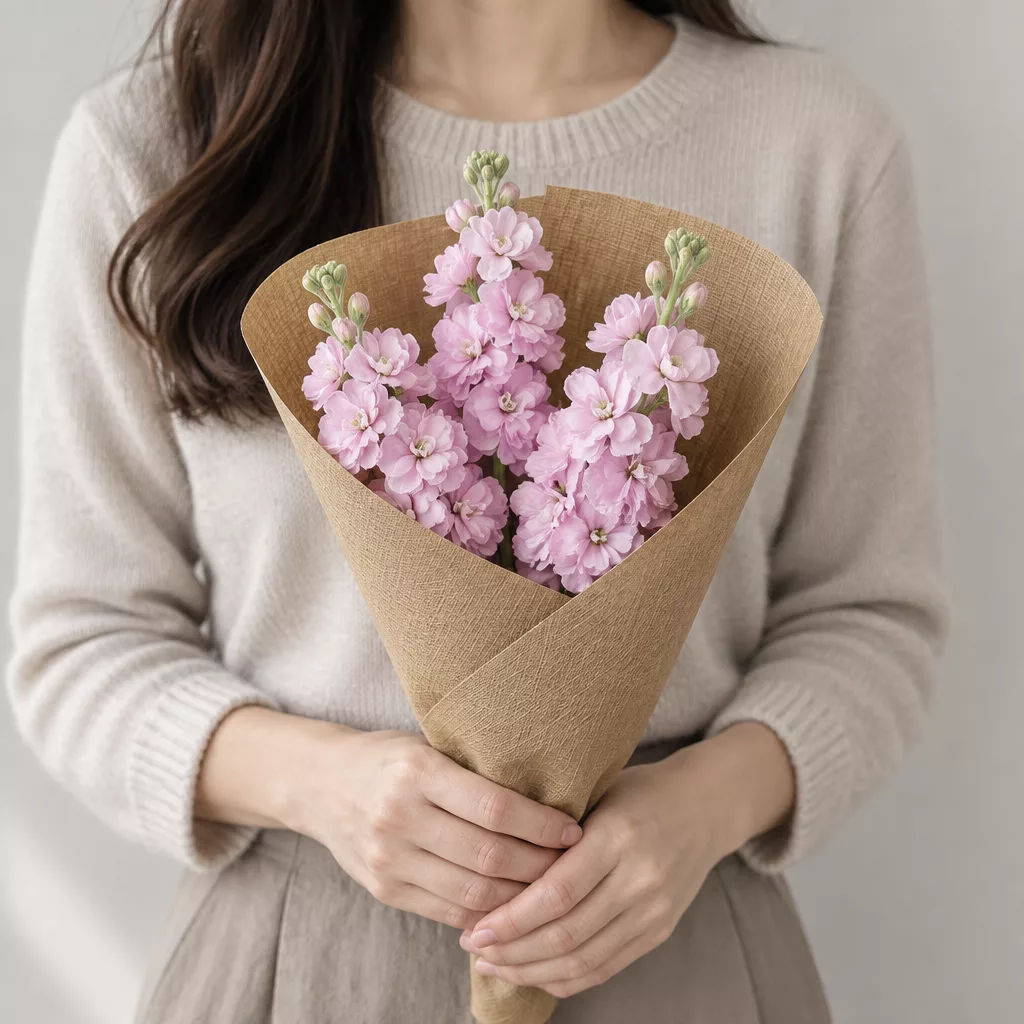
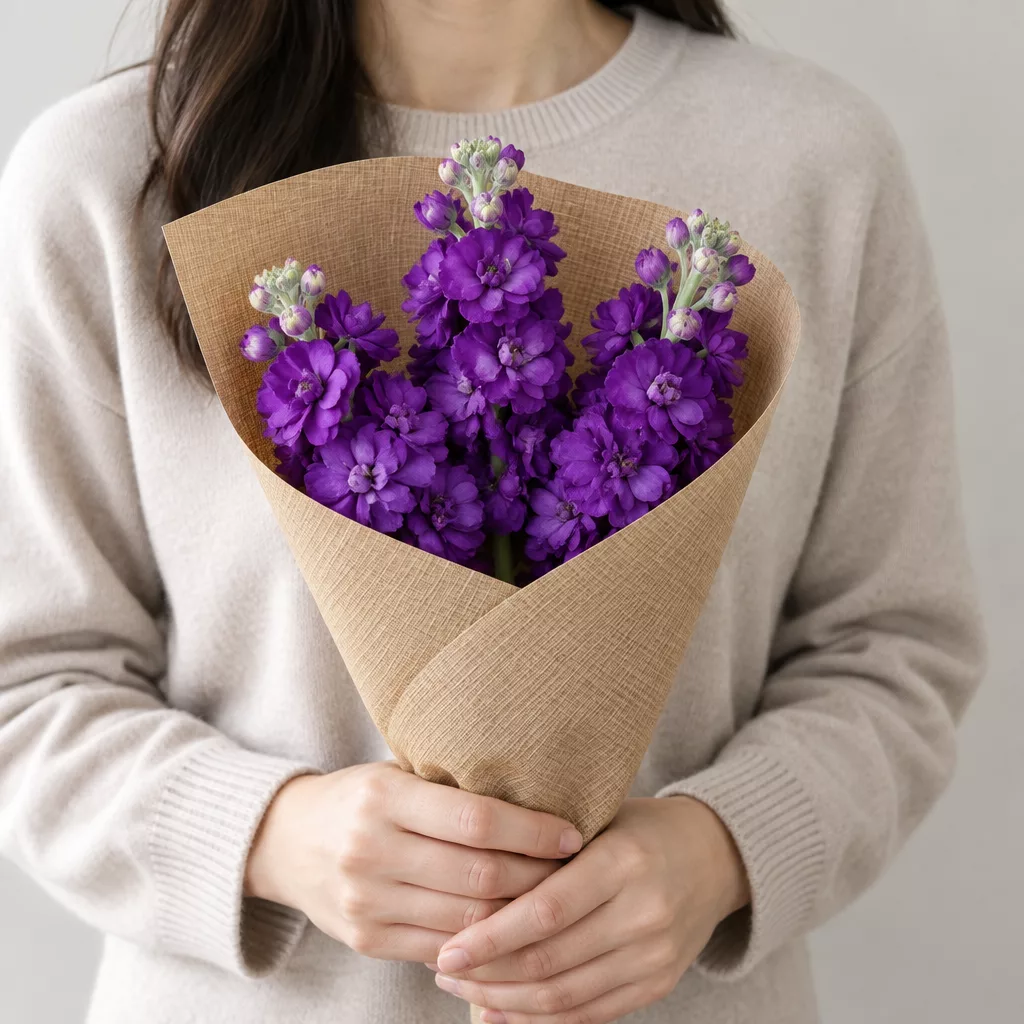
Bouquets we can deliver


Understanding Transliteration Before You Start Typing
Transliteration means representing the sounds of one language using the letters of another alphabet. It is not translation — you are not changing the meaning, you are just writing Russian sounds in a way that Latin-alphabet readers can pronounce. For a delivery card, this means your Russian recipient will read the Latin letters and hear the Russian words in their head without any difficulty.
There are several official transliteration systems, but for a greeting card you do not need to follow any of them strictly. What matters is that the sounds are recognisable. The Russian letter Sh sounds like 'sh', so you write 'sh'. The letter Yu sounds like 'yu', so you write 'yu'. The soft sign has no sound of its own but softens the preceding consonant — for card purposes, you can either omit it or add an apostrophe, and either choice reads fine.
The most common mistake senders make is copying a name from a passport scan or official document, where transliteration follows bureaucratic rules that can look strange. The name Yuliya in a passport might appear as Iuliia, but on a card Yuliya reads far more naturally. Always prioritise how the name sounds when spoken aloud, and you will produce something the recipient recognises immediately as their own name. Keep a mental image of a friendly Russian speaker reading your card out loud — that is your quality check.
Getting the Recipient's Name Right Every Time
The name is the most important element on the card. Spelling it incorrectly, even slightly, can make the message feel impersonal, as though it was meant for someone else. Before you write anything, confirm the spelling with someone who knows the recipient, or ask the sender in your household who may have seen the name written in Russian before.
Here are the most common Russian names and their natural transliterations. For women: Natalya becomes Natalya, Ekaterina becomes Ekaterina, Anastasiya becomes Anastasiya, Aleksandra becomes Alexandra, Mariya becomes Mariya, Olga becomes Olga, Tatyana becomes Tatyana, Elena becomes Elena. For men: Aleksandr becomes Aleksandr, Dmitriy becomes Dmitriy, Sergey becomes Sergey, Ivan becomes Ivan, Mikhail becomes Mikhail, Aleksey becomes Aleksey, Nikolay becomes Nikolay, Andrey becomes Andrey.
Russians use the first name alone for close friends and family. For a colleague or someone you know less well, it is respectful to add the patronymic — the father's name with a suffix. Ivan Petrovich would be Ivan Petrovich. If you do not know the patronymic, using the first name only is completely acceptable in a flower card context. Never use the last name alone on a greeting card; that reads as formal and cold, more like an office memo than a warm delivery. When in doubt, first name only is always the right choice.
A Short Vocabulary of Warm Russian Phrases in Transliteration
Once the name is right, you need a phrase. Even a single sentence transforms the card from a label into a message. Below are reliable phrases with their transliterations and literal meanings, so you can choose something that fits your relationship with the recipient.
S dnem rozhdeniya — Happy birthday, literally 'with the day of birth'. This is the standard birthday greeting and always correct. S prazdnikom — Happy holiday, used for any celebration. Ot vsego serdtsa — From the whole heart. Dumayu o tebe — I am thinking of you. Ty luchshaya — You are the best, feminine form. Ty luchshiy — You are the best, masculine form. Spasibo za vsyo — Thank you for everything. Ya tebya lyublyu — I love you. Ochen skuchayu — I miss you very much. Vse budet khorosho — Everything will be fine, a phrase of comfort and encouragement.
For professional occasions, try Pozdravlyayu s uspehom, which means Congratulations on your success. For a new home, S novoseljyem means Congratulations on the new home. These phrases feel natural to Russian ears because they are everyday expressions, not formal constructions.
You can combine a name with a phrase simply: Elena, dumayu o tebe. Sergey, ot vsego serdtsa, s dnem rozhdeniya. Keep the card to two or three lines at most. Russian greeting culture values sincerity over length, and a short phrase written with care lands better than a long paragraph that feels copied from a template.
Punctuation, Capitalisation and Layout on the Card
Russian punctuation differs from English in a few ways that matter on a card. Commas are used more frequently in Russian, particularly before conjunctions and in address phrases. When you write a name followed by a greeting — Elena, s dnem rozhdeniya — that comma after the name is correct Russian style and your recipient will notice it approvingly. It signals that you paid attention to the details.
Capitalisation in Russian is more restrained than in English. Only proper names and the first word of a sentence are capitalised. So you would write S dnem rozhdeniya rather than S Dnem Rozhdeniya. The phrase ya tebya lyublyu starts with a capital Y and nothing else is capitalised. Following this pattern makes your card look like it was written by someone familiar with the language rather than someone who ran it through a translator.
For layout, place the recipient's name on the first line. The message follows on the second line. If you are signing off, add your own name on the final line after a dash or a comma. For example: Elena, — s dnem rozhdeniya, ot vsego serdtsa. — James. The dash before a name or closing phrase is a natural Russian typographic habit and gives the card a polished feel. Keep the total card text under fifty words. Florist cards are small, and a crowded message is harder to read and less elegant than a spare, confident one.
Common Mistakes and How to Avoid Them
The most frequent error is using an online translator and copying the output directly onto the card. Machine translation often produces grammatically correct Russian but in a register that feels stiff or bureaucratic — the kind of language used in official documents, not between people who care about each other. The phrases in the previous section are all everyday spoken Russian, which is exactly what a card should sound like.
A second common mistake is phonetic guessing based on English letter sounds. The Russian name Yuriy is not Yurii or Yuriy when guessed from English — but Yuriy is actually correct. The problem arises with names like Kseniya, which is Kseniya, not Xenia, and Evgeniy, which is Evgeniy, not Evgeny with a hard G. When uncertain, search the name followed by the word transliteration in a search engine and check multiple sources before deciding.
A third mistake is gendering phrases incorrectly. Russian adjectives and some verbs change their endings depending on whether the subject is male or female. Ty luchshaya works for a woman, ty luchshiy for a man. Getting this wrong does not cause offence, but getting it right shows genuine care. If you are unsure of the recipient's gender from the name alone — some Russian names are ambiguous to non-Russian speakers — stick to gender-neutral phrases like ot vsego serdtsa or dumayu o tebe, which work for everyone. Finally, never use informal diminutives unless you know the recipient well; Sasha for Aleksandr or Katya for Ekaterina are intimate nicknames, not neutral shortenings.
Sending Your Card Instructions to the Florist Correctly
When you place your order with a delivery service, the card text field is usually a plain text box. Type your transliterated message exactly as you want it to appear, including the comma after the name and the dash before your sign-off. Do not use quotation marks around the message unless you specifically want them printed. Most florists print the card text as entered, so spacing and line breaks matter.
If you want the name on one line and the message on the next, use a forward slash or a line break note in brackets — for example: Elena / s dnem rozhdeniya, ot vsego serdtsa. — James. Some order forms allow actual line breaks; use them if available. If the form has a character limit and your message is slightly over, trim the closing phrase before trimming the name or the main sentiment. The name and the core message are non-negotiable; the sign-off can be shortened.
Double-check the recipient's name one final time before submitting the order. Read it aloud slowly and imagine a Russian speaker hearing those sounds. If it sounds like the name you know, it is correct. If something feels off — a vowel cluster that does not flow, a consonant combination that looks strange — revisit the transliteration. A fresh-cut bouquet of peonies, spray roses, and eucalyptus will arrive looking its best within the delivery window; make sure the card is equally ready to make its impression. The flowers fade after ten to fourteen days with good care, but a well-written card stays on the shelf much longer.
Writing a delivery card in transliterated Russian is a small act that carries real meaning. You do not need to know the language, own a Russian keyboard, or worry about making linguistic mistakes. What you need is the correct spelling of the name, one warm phrase from everyday Russian, and a moment of care before you submit the order. The recipient will read those few lines and know immediately that the sender thought about them specifically — not just about sending flowers in general. That is the whole point of a card, and transliteration makes it fully accessible to anyone, anywhere. We deliver bouquets across Russia in 1–2 hours.
Frequently asked questions
Can the florist write the card in Cyrillic if I provide the transliteration?
Turboflora prints the card text exactly as you enter it in the order form. If you type in transliterated Latin letters, that is what will be printed. If you want Cyrillic, you will need to type the message in Russian yourself or ask a Russian-speaking friend to do it for you before copying it into the order field.
What if I spell the recipient's name slightly wrong in transliteration?
Minor variations in transliteration are extremely common and Russian recipients are used to seeing them, especially from international senders. A name like Natalya written as Natalia or Nataliya is still immediately recognisable. The recipient will not be confused or offended — they will focus on the warmth of the gesture rather than the exact letter choices.
Is it acceptable to write the card entirely in English instead of Russian?
Absolutely. Many Russian recipients, particularly in larger cities, read English comfortably and appreciate an English card from an international sender. Transliterated Russian is a thoughtful extra step, not a requirement. If you are more confident writing a genuine, warm message in English, that sincerity will come through more clearly than a transliterated phrase you are unsure about.
How long should a flower delivery card message be?
Florist cards are physically small, so two to four lines is the ideal length. One line for the recipient's name, one or two lines for your message, and one line for your sign-off. In Russian greeting culture, brevity paired with sincerity is considered more elegant than a long message. A short phrase written with genuine feeling is always more memorable than a lengthy one.
Are there any phrases I should avoid on a Russian flower card?
Avoid phrases that are too formal or bureaucratic, as they feel cold on a greeting card. Also avoid diminutive nicknames unless you know the person very well — using Katya for Ekaterina with someone you are not close to can feel presumptuous. Stick to the standard first name and one of the everyday warm phrases listed in this guide and you will always be on safe ground.
Ready to send flowers?
Pick the city, choose the bouquet, and a local florist takes it from there.
Choose a city →