Sending Flowers to Your Teacher in Russia: What to Choose and When
In Russia, giving a teacher flowers is not a polite gesture — it is a deeply felt ritual. Children arrive at school on the first of September clutching bouquets almost as tall as themselves. Students show up to final exams with roses. Even grown adults returning to thank a former teacher will bring something wrapped in kraft paper. If you are choosing flowers for a teacher and you want to get it right, this article will walk you through every part of that decision: the occasion, the mood, the varieties, and the small details that make a bouquet feel genuinely thoughtful rather than obligatory.
Why Flowers Matter So Much in Russian Teacher Culture
Russia has one of the most consistent flower-gifting cultures in the world, and teachers sit at the very center of it. The relationship between a student and a teacher is treated with real seriousness — not just professional respect, but something closer to personal gratitude. Flowers are the accepted language for expressing that feeling, and skipping them on a key occasion would feel noticeably absent rather than simply neutral.
This tradition is strongest in primary and secondary schools, where the same teacher may spend years with a class and becomes a familiar, trusted figure. University lecturers receive flowers too, though the customs there are slightly less rigid. The bouquet is not about the monetary value — a modest arrangement of seasonal flowers given with care will always land better than an expensive but impersonal one.
For anyone outside Russia trying to send flowers to a teacher on behalf of a child or as a personal thank-you, understanding this context matters. You are not just sending a gift. You are participating in a tradition the teacher genuinely expects and appreciates. Getting the occasion right, choosing varieties that feel fresh and considered, and making sure the bouquet arrives in good condition — these are the things that make the difference between a gesture that lands and one that merely ticks a box.
Bouquets we can deliver


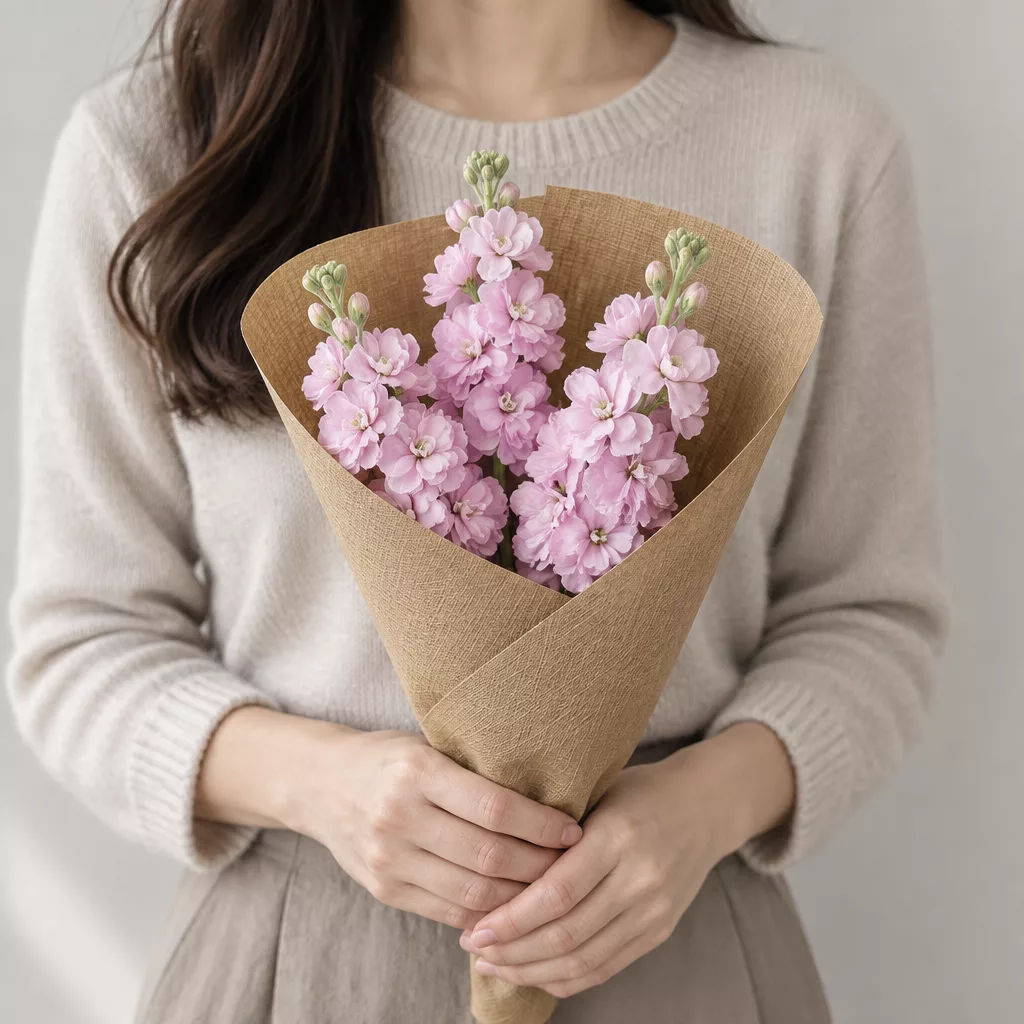
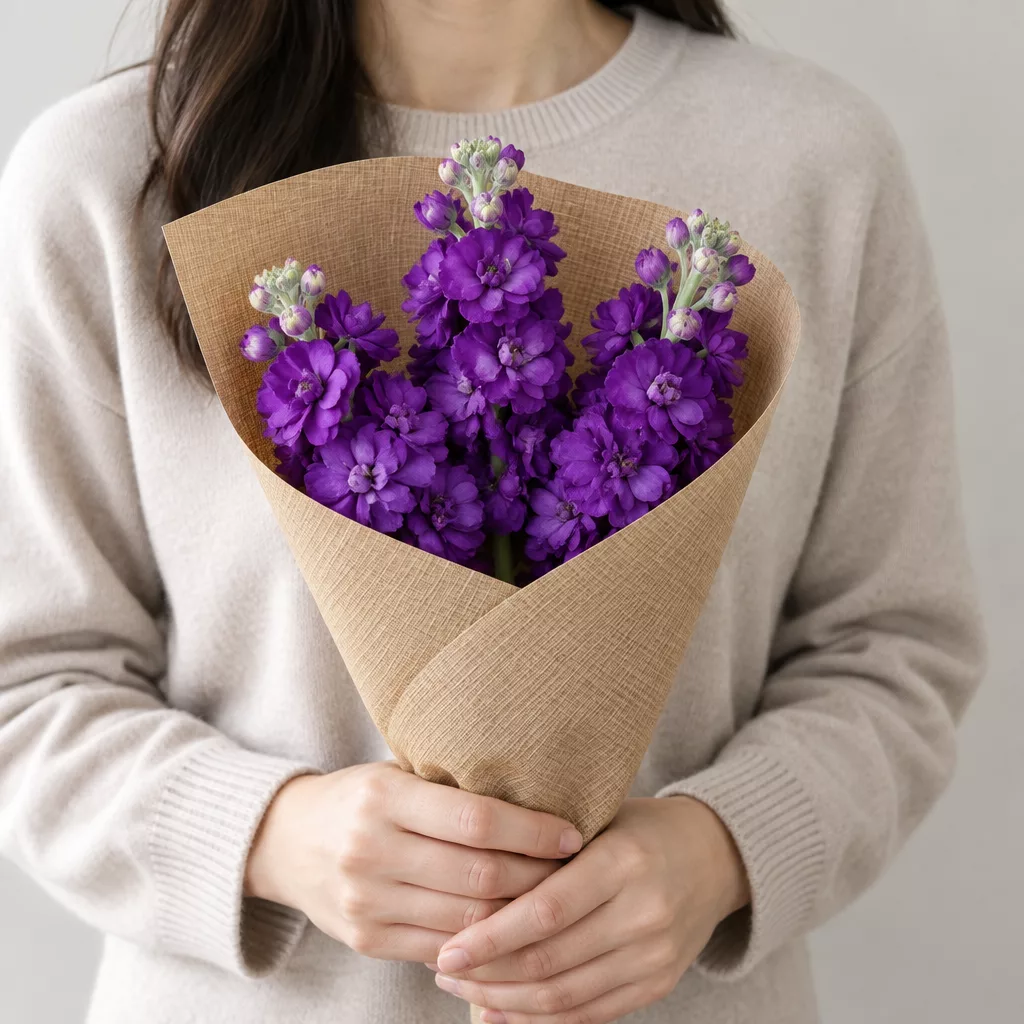
The Occasions That Actually Call for a Bouquet
The most important date in the Russian school calendar is the First of September, known as the Day of Knowledge. Every student is expected to arrive with flowers. This is not optional and not informal — it is a ceremony. Classes line up in the schoolyard, speeches are made, and the teacher receives bouquet after bouquet. Chrysanthemums, gladioli, and roses are the most common choices because they are robust enough to survive a morning of being carried by an excited child.
Teacher's Day falls on the fifth of October and is another significant occasion. Unlike the First of September, which is about the start of the year, Teacher's Day is specifically about appreciation. The flowers here tend to be more personal and less ceremonial — a single variety done beautifully, or a mixed bouquet that reflects the teacher's known preferences.
End-of-year celebrations and graduation days are the third major moment. These bouquets often come from the whole class collectively, which means a larger arrangement is appropriate. Parents typically organize these together, pooling budgets for something that makes a real impression.
Beyond these three, flowers are also given when a student passes a difficult exam, when a teacher retires, or when someone returns years later simply to say thank you. These personal occasions allow for more creative choices — a loose, garden-style arrangement or something built around a single beautiful variety rather than the traditional formal bouquet.
Reading the Teacher Before You Choose the Flowers
A bouquet for a teacher works best when it feels like someone thought about the person, not just the occasion. Before you decide on varieties or colors, consider what you actually know about this individual. A primary school teacher who has spent thirty years with young children often appreciates something warm and cheerful — sunflowers, bright gerberas, or a loose mix of seasonal blooms. A university professor in a formal discipline might respond better to something more structured: white or cream roses arranged cleanly, or a single-variety bouquet of peonies in season.
Age matters in a practical sense too. A younger teacher may enjoy something more contemporary — garden roses mixed with eucalyptus, or ranunculus in soft coral tones. A more senior teacher, particularly one who has been in the profession for decades, may associate certain flowers with respect and formality. Chrysanthemums, carnations in white or pale pink, and gladioli carry that weight in Russian flower culture without feeling stiff.
Color also carries meaning. Red roses are romantic in Russia, so a bouquet of all-red roses for a teacher can feel slightly misaligned unless the relationship is one of genuine personal closeness between adults. Soft pinks, whites, yellows, and lavenders read as warm and respectful. Mixed seasonal palettes — peach, cream, and green — feel modern without being unconventional. When in doubt, ask the florist to guide the color story based on the occasion and the time of year.
Bouquet Options From Modest to Generous
A single-variety bouquet of fifteen to twenty-one stems is the most classic format for a teacher gift in Russia. Odd numbers are traditional — even numbers are associated with mourning, so always confirm your stem count before ordering. Fifteen stems of white spray roses, or twenty-one stems of alstroemeria in a peachy-pink tone, present beautifully and feel considered without being extravagant. These work well for individual students giving on the First of September or Teacher's Day.
For a mid-range arrangement, a mixed bouquet built around one focal flower with supporting varieties creates more visual interest. Garden roses as the focal point, surrounded by waxflower, soft ruscus, and a few stems of lisianthus, make an arrangement that looks like it came from someone who genuinely thought about it. This format suits end-of-year gifts from a single family or a thank-you from an adult returning to honor a former teacher.
When a whole class is contributing, a larger statement arrangement is appropriate. Gladioli work well here because their vertical form reads as dramatic and celebratory — they are a traditional First of September flower for a reason. A mixed arrangement using peonies when in season, garden roses, and textural greenery like eucalyptus or pittosporum can also make a strong impression. Wrap the stems in kraft paper with a wide satin ribbon rather than cellophane; kraft paper feels more genuine and photographs better, which matters when families want to capture the moment.
Varieties That Hold Up Well on a School Day
Practicality matters more than people realize. A bouquet given at eight in the morning on the First of September will sit in a classroom for the entire school day before the teacher can get it into water. Choosing varieties that are genuinely resilient is an act of care, not a compromise.
Chrysanthemums are the gold standard for durability. They can go without water for six to eight hours in cool conditions and still look presentable. Spray chrysanthemums in white or pale yellow are particularly elegant and hold their shape well. Alstroemeria is another strong choice — the stems are sturdy, the flowers open gradually over days, and they are available year-round in a wide range of colors.
Gladioli are tall and dramatic but also surprisingly tough once cut. They should be ordered at the bud stage so they open over the following two to three days, giving the teacher a bouquet that keeps improving after she gets it home. Roses are appropriate but need a little more care — ask for them to be cut and conditioned properly, and choose varieties with firm, tight buds rather than ones that are already fully open.
Avoid flowers that wilt quickly in warmth. Tulips, which are beautiful in spring, can droop within a few hours in a heated classroom. Anemones are delicate and need water promptly. Sweet peas, lovely as they are, do not travel well. If the bouquet is being delivered directly to the teacher's home rather than to a school, these more delicate varieties become entirely reasonable options.
How to Care for the Bouquet Once It Arrives
Passing along a few care notes with the flowers is a thoughtful touch, especially if the teacher will be managing several bouquets at once after a big school occasion. Most people know to put flowers in water, but the details make a real difference to how long the arrangement lasts.
The first step is to recut the stems at a diagonal angle — about two centimeters from the bottom — using a sharp knife rather than scissors. Scissors crush the stem tissue and reduce water uptake. This should be done as soon as the flowers reach water, ideally within the first hour. Room temperature water is better than cold for most cut flowers; the exception is tulips, which prefer cool water.
Strip any leaves that will sit below the waterline. Submerged foliage decays quickly and clouds the water, which accelerates bacterial growth and shortens vase life significantly. Change the water every two days and recut the stems each time.
Keep the vase away from direct sunlight, heating radiators, and fruit bowls. Ripening fruit releases ethylene gas, which causes flowers to age faster — this is one of the most commonly overlooked reasons a bouquet fades quickly. A cool room, indirect light, and clean water are the three conditions that extend vase life most reliably.
With proper care, chrysanthemums and alstroemeria can last two weeks or more. Roses typically give seven to ten days. Gladioli will continue opening bud by bud and look their best around day three to five after cutting.
Sending Flowers to a Teacher From Abroad or Another City
Many families live far from the schools and teachers who mattered to them. A former student now living in another city, or a parent whose child attends school in a different region, may want to send flowers without being there in person. This is entirely possible and increasingly common, and it means the bouquet needs to be planned with delivery timing in mind.
The key is ordering early enough that the flowers arrive before the occasion begins, not during or after. For the First of September, aim to have the bouquet delivered the evening before or in the early morning hours. A delivery that arrives mid-afternoon misses the ceremony entirely. Teacher's Day and graduation events are more flexible, but same-day delivery within a one to two hour window gives you the most control over timing.
When ordering remotely, describe the recipient clearly — her age, the subject she teaches, the level of formality in your relationship. A good florist will use this to guide variety and presentation choices. If you have a specific color preference or a variety that means something personal, say so.
Include a handwritten-style message card rather than leaving the gift anonymous or attaching only a name. Teachers receive many bouquets on peak days and a warm, specific note — even a sentence or two — makes the gesture memorable. Mention the student's name, the year or subject, or a specific memory if you have one. That small addition transforms a beautiful bouquet into something the teacher will genuinely remember.
Gifting flowers to a teacher in Russia is one of those traditions that feels simple on the surface but carries real weight when you understand what it means. The occasion, the varieties, the stem count, the timing — each detail is a small signal that you took this seriously. Whether you are sending on behalf of a child who cannot be there, organizing something from the whole class, or returning as an adult to thank someone who shaped you, the bouquet is the most natural and accepted way to say it. Choose something fresh, choose it with the person in mind, and make sure it arrives when it can actually be appreciated. We deliver bouquets across Russia in 1–2 hours.
Frequently asked questions
Is it appropriate to send flowers to a male teacher in Russia?
Yes, though it is less common than gifting female teachers. For male teachers, a restrained arrangement works best — a structured bouquet of white or green chrysanthemums, or a single-variety grouping in a neutral tone. Avoid anything overly romantic in color. The gesture is still warmly received and entirely within Russian custom.
How many flowers should a bouquet for a teacher have?
Always choose an odd number of stems — three, five, seven, eleven, fifteen, or twenty-one. In Russian tradition, even numbers of flowers are associated with mourning and are brought to funerals. An odd-numbered bouquet signals celebration and goodwill. Most florists follow this rule automatically, but it is worth confirming when ordering.
What flowers should I avoid giving a teacher in Russia?
Avoid all-red roses unless the relationship is one of personal closeness between adults, as they read as romantic. Skip delicate varieties like tulips or anemones if the bouquet will spend hours in a warm classroom without water. Even numbers of stems should always be avoided. Beyond these points, most fresh seasonal flowers are entirely appropriate.
Can I send flowers to a teacher the day before the occasion?
Yes, and for major occasions like the First of September it is often the better choice. An evening delivery the day before means the teacher can put the flowers in water overnight, and they will look their best during the ceremony itself. Coordinate with the teacher's household if possible so someone is home to receive the delivery.
What is the best flower choice if I have no information about the teacher's preferences?
White or cream spray chrysanthemums are the safest and most universally appreciated choice. They are durable, elegant, read as respectful rather than overly casual, and suit teachers of any age or subject. Alstroemeria in soft pink or peach tones is an equally reliable option. Both varieties hold up well and have a long vase life.
Ready to send flowers?
Pick the city, choose the bouquet, and a local florist takes it from there.
Choose a city →