Gifting Flowers to a Russian CEO: What to Choose and How to Present It
A bouquet landing on a CEO's desk is not just a gift — it is a statement about the sender. In Russian business culture, the quality of the arrangement, the choice of flowers, and even the way the card is worded all carry meaning. Get it right and you reinforce a relationship; get it wrong and the gesture quietly undermines you. This article will walk you through exactly what premium looks like in this context, which combinations work for senior executives, and how to write a card that sounds confident rather than awkward.
Why Flowers Still Matter in Russian Executive Culture
Gifting flowers to a business contact in Russia is far more common than in many Western countries. It is not considered overly personal or informal — quite the opposite. A thoughtful floral arrangement signals that you understand protocol, that you value the relationship, and that you took time to choose something appropriate rather than sending a generic corporate gift. For a CEO, the stakes are simply higher.
Russian executives, whether male or female, are accustomed to receiving flowers on meaningful occasions: anniversaries of a company's founding, professional milestones, major contract signings, and significant birthdays. Sending flowers outside these occasions — as a spontaneous gesture of appreciation after a successful meeting, for example — is also entirely acceptable and often makes a stronger impression precisely because it is unexpected.
What matters most at this level is that the arrangement looks intentional. A loosely gathered market bouquet will read as careless. A structured, monochromatic composition in premium varieties, delivered in proper packaging with a handwritten card, reads as deliberate and respectful. The flower itself becomes secondary to the overall presentation. Think of the arrangement as you would a well-tailored jacket — the quality should be visible at a glance, but it should never shout. That balance between understated and exceptional is what experienced florists aim for when composing arrangements for senior recipients.
Bouquets we can deliver

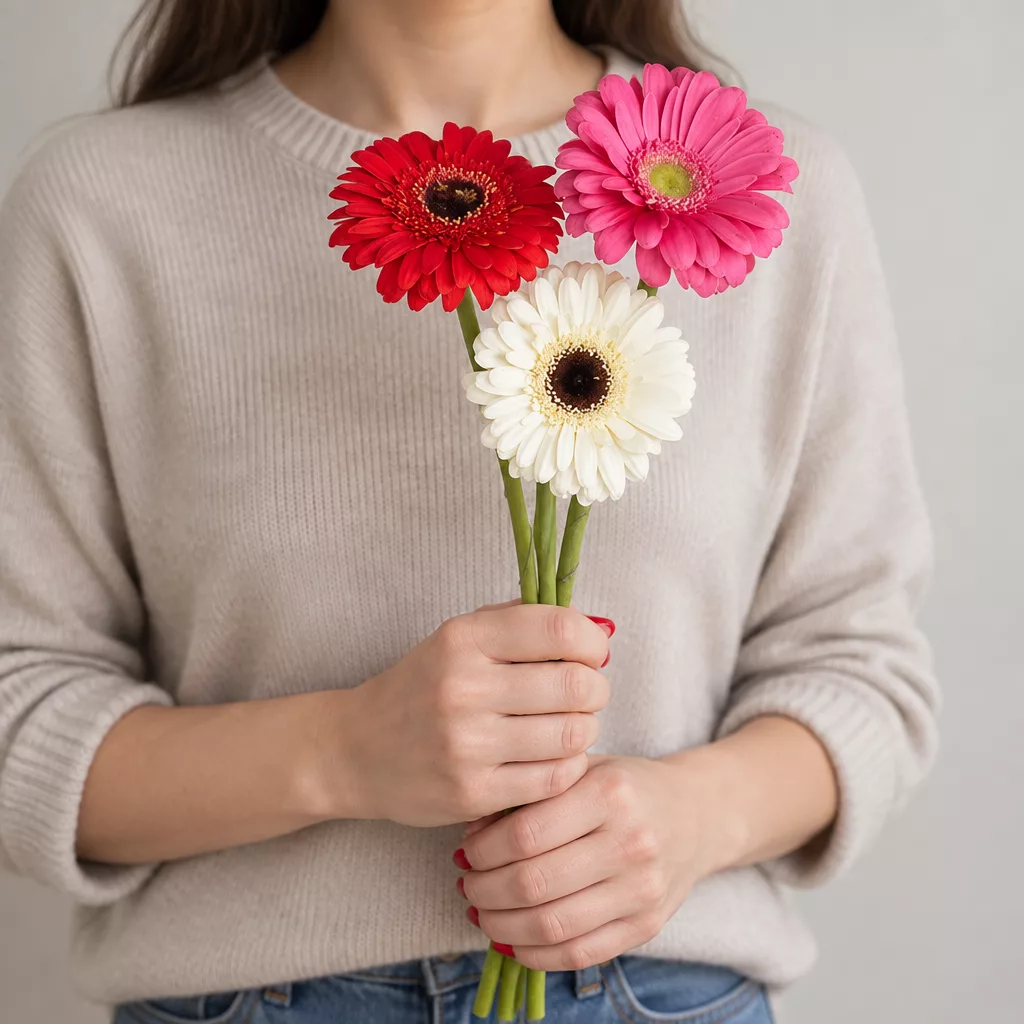

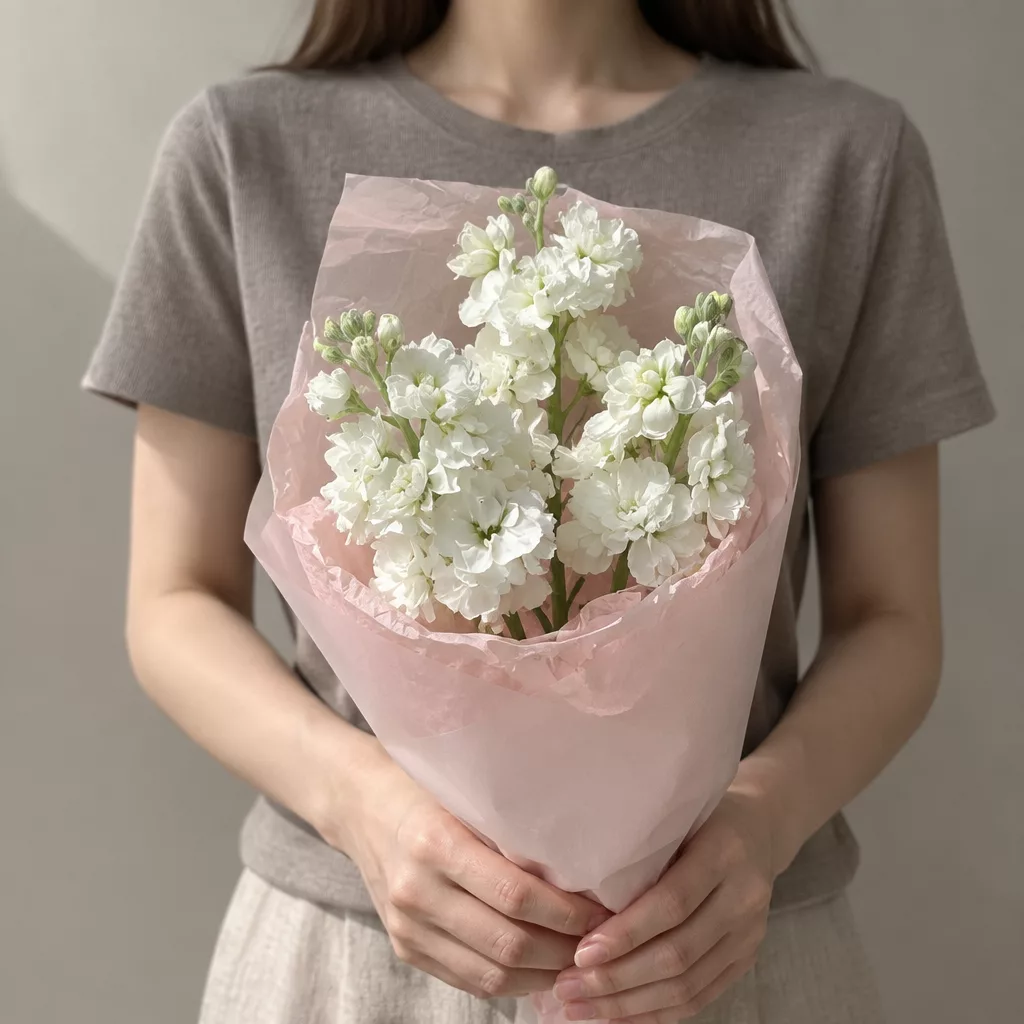
Reading the Occasion Before You Choose a Single Stem
Before settling on any variety or color, identify the occasion precisely. A birthday arrangement for a CEO who is turning sixty has a different emotional register than flowers sent to mark a company's tenth anniversary. The first is personal; the second is institutional. Both deserve premium treatment, but the composition, palette, and card tone should reflect that difference clearly.
For personal milestones — birthdays, name days, which are widely celebrated in Russia — warmer palettes work well. Deep burgundy peonies, blush garden roses, or ivory ranunculus in a structured dome arrangement convey warmth without crossing into sentimentality. For professional occasions such as a business anniversary or the opening of a new office, cleaner, more architectural arrangements tend to land better: white or cream flowers with strong structural foliage, or a single-variety composition of long-stemmed roses in a deep, saturated red.
If you are sending flowers to congratulate a CEO on a public achievement — an award, a major press feature, an IPO — the arrangement should feel celebratory but controlled. Oversize bouquets with too many varieties can look chaotic in a formal office environment. A tall, single-stem arrangement in a weighted glass vase, or a compact luxury box arrangement, will sit well on a large desk without overwhelming the space. Always think about where the flowers will actually live once they are received. An executive's office is usually designed, not decorated, and your arrangement should complement that.
Premium Varieties That Signal Serious Intention
Not all flowers carry the same weight in a professional context. Certain varieties have an established association with quality and are immediately recognizable as premium choices, even to someone who does not follow floristry closely. Choosing these varieties is a form of fluency — it tells the recipient that you know what good looks like.
Garden roses with densely petaled heads — varieties like David Austin-style roses with their cupped, full blooms — are among the safest premium choices for any executive. They have a richness that standard long-stemmed roses lack, and they hold their shape well in a warm office for four to six days when properly conditioned. Peonies, when in season from late spring through early summer, are universally admired in Russia and carry a sense of abundance without excess. Lisianthus, sometimes called the poor man's rose but genuinely beautiful in its own right, adds texture and softness to mixed arrangements without competing with the focal flowers.
For structural compositions, anthuriums in deep burgundy or white offer a sculptural quality that reads as contemporary and sophisticated. Orchid sprays — particularly Cymbidium or Phalaenopsis stems used as cut flowers in an arrangement rather than as potted plants — add an element of rarity. Avoid carnations entirely at this level; they are associated with budget gifting in the Russian market regardless of their actual quality. Avoid sunflowers for professional contexts as well — they are cheerful and beloved in casual settings but too informal for a senior executive's office.
Choosing by Budget Without Compromising the Impression
Premium does not always mean maximum spend, but it does mean that every element of what you send should look considered. At a moderate investment level, a single-variety composition is your best strategy. Fifteen to twenty long-stemmed roses in a deep red or pure white, cut to a uniform height, wrapped in matte craft paper with a satin ribbon, is a classic that will never embarrass the sender. The uniformity itself signals quality — it tells the viewer that someone selected each stem carefully.
At a higher investment level, you gain access to mixed compositions with multiple premium varieties and more elaborate presentation formats. A structured arrangement combining garden roses, lisianthus, and eucalyptus in a matte ceramic vessel is the kind of gift that stays on a desk for a week and gets noticed by everyone who walks into the room. The vessel matters as much as the flowers at this tier — a weighted glass cylinder or a textured ceramic pot elevates the arrangement and means the recipient keeps something beautiful even after the flowers fade.
At the highest tier, consider a curated arrangement in a luxury box — a flat, rigid box lined with preserved moss or tissue, with flowers arranged to fill the entire surface. These have become a preferred format for gifting to executives in Russian cities because they are easy to transport, they photograph beautifully for social media if the recipient chooses to share, and they feel genuinely different from a traditional bouquet. Pair any arrangement at this level with a handwritten card on quality card stock rather than a printed slip.
Color Choices and What They Communicate
Color carries cultural weight in Russia, and getting it wrong at a professional level is a real risk. The most important rule: avoid yellow flowers for a professional gift. In Russian culture, yellow flowers are associated with separation, jealousy, or the end of a relationship. This association is strong enough that many Russians will notice the choice even if they say nothing. White, red, burgundy, deep purple, and blush pink are all safe and appropriate for executive gifting.
White arrangements read as elegant, respectful, and contemporary. They work particularly well for formal occasions and for recipients you do not know personally. A monochromatic white composition — white garden roses, white lisianthus, white ranunculus, with silver-green foliage — is one of the most universally appreciated choices in a professional context and photographs beautifully in a well-lit office.
Deep red remains the most classic choice for Russian gifting and carries connotations of respect and high regard rather than romance when presented in a professional context. The key is scale and composition: a tight, structured arrangement of red roses does not read as romantic — it reads as serious and considered. Burgundy tones, which have become increasingly popular in premium floristry, offer a sophisticated alternative that feels modern without straying far from tradition. Blush and dusty rose palettes work well for female executives and for occasions that have a personal dimension, such as a significant birthday. Avoid mixing too many colors in a single arrangement — at the executive level, restraint in palette is a mark of quality.
Presentation Formats That Work in an Office Environment
How an arrangement arrives matters as much as what is inside it. An executive's office is usually staffed — there may be an assistant, a reception area, or a shared workspace nearby. The packaging should be clean and impressive from the outside, because the flowers will likely pass through several hands before they reach the recipient's desk.
For bouquets, matte wrapping paper in neutral tones — kraft, white, deep green, or charcoal — with a ribbon in a complementary color is the standard for premium presentation in Russia. Avoid cellophane wrapping, which reads as budget regardless of what is inside it. The stems should be trimmed cleanly and wrapped in damp tissue to keep them fresh during transit, especially in summer when temperatures inside delivery vehicles can affect flower quality.
Box arrangements and hat-box formats have become a preferred choice for executive gifting because they arrive looking complete — no vase required, no immediate rearranging needed. The recipient can place the box directly on a table or credenza and it looks intentional. If you choose this format, make sure the arrangement is dense enough that flowers do not shift during delivery. A sparse box arrangement looks like a mistake.
For very formal occasions, a single statement arrangement in a vessel — already in water, delivered carefully upright — is the most impressive option. This requires a reliable, fast delivery service to ensure the flowers arrive at peak freshness. Turboflora delivers across Saint Petersburg and to other Russian cities within one to two hours, which makes this format practical rather than aspirational.
Writing the Card: Professional Wording That Lands Well
The card is where many senders lose confidence, and it shows. A vague or overly effusive card undermines an otherwise excellent arrangement. In a professional context, the goal is warmth without sentimentality, specificity without intimacy, and brevity without coldness.
Start by naming the occasion or the reason for sending, even briefly. 'On the occasion of your company's anniversary' or 'To mark this well-deserved recognition' gives the flowers context and shows that the sender was paying attention. Then add one sentence that expresses genuine regard — not flattery, but something specific. 'Your leadership of this project has been exceptional' lands better than 'You are wonderful.' Finally, close with a simple, confident sign-off: your name and, if relevant, your company name.
Avoid lengthy messages on a small card — they look crowded and are hard to read. Three to five lines is ideal. If you are writing in English for a Russian recipient, that is entirely acceptable in a business context, especially in major cities. If you want to include a phrase in Russian, 'С уважением' (S uvazheniem — meaning 'With respect') is a universally appropriate professional closing that will be appreciated without being presumptuous.
Do not use the card to make a request or follow up on a business matter. The flowers are a gesture; the card should honor that. Keep any business conversation for a separate message. A card that ends with 'Looking forward to your response on the proposal' turns a gift into a transaction, which is exactly the wrong impression to leave with a senior executive.
Sending flowers to a Russian CEO is one of those gestures that, done well, quietly builds a relationship over time. The executive may not say much about it, but they will notice the variety, the palette, the packaging, and the words on the card. Each of those elements is a choice you make on behalf of the relationship. Choose premium varieties, keep the palette restrained, present the arrangement as though it belongs in a serious space, and write a card that sounds like a person rather than a template. When all of those things come together, the flowers do exactly what you sent them to do. We deliver bouquets across Russia in 1–2 hours.
Frequently asked questions
Is it appropriate to send flowers to a male CEO in Russia?
Yes, entirely. Sending flowers to male executives is common and accepted in Russian business culture. Men in senior positions regularly receive floral arrangements on birthdays, professional anniversaries, and major milestones. The key is choosing a composition that feels structured and premium — deep red roses or a monochromatic white arrangement — rather than something soft or pastel.
How many flowers should a premium executive arrangement contain?
More is not always better at this level. A well-composed arrangement of fifteen to twenty stems in one or two premium varieties will look more intentional than a large mixed bouquet with thirty stems of varying quality. For box arrangements, density matters more than count — the surface should look full and considered, with no visible gaps or filler that dilutes the premium impression.
What is the best time of day to deliver flowers to an executive's office?
Mid-morning, between ten and noon, is generally the most effective window. The recipient is typically settled into their day, meetings have not yet filled the afternoon, and an assistant or receptionist is available to receive and present the arrangement properly. Avoid early morning deliveries before nine and end-of-day deliveries after five, when the recipient may already be in transit.
How long will premium cut flowers last in a typical office environment?
In an air-conditioned office kept between eighteen and twenty-two degrees Celsius, garden roses and lisianthus typically last five to seven days with a fresh water change every two days. Peonies last four to five days. Anthuriums can last up to two weeks. Trim stems at an angle on arrival and keep arrangements away from direct sunlight and air conditioning vents to extend vase life significantly.
Should the card be handwritten or printed for a CEO-level gift?
Handwritten is strongly preferred. A printed card reads as a bulk order regardless of what it says, while a handwritten note signals that someone took time. Use quality card stock rather than a standard florist slip. If your handwriting is difficult to read, write slowly and clearly — legibility matters more than elegance. Keep the message to three to five lines and sign with your full name.
Ready to send flowers?
Pick the city, choose the bouquet, and a local florist takes it from there.
Choose a city →