Handling Flowers with Care, from Arrival to the Vase
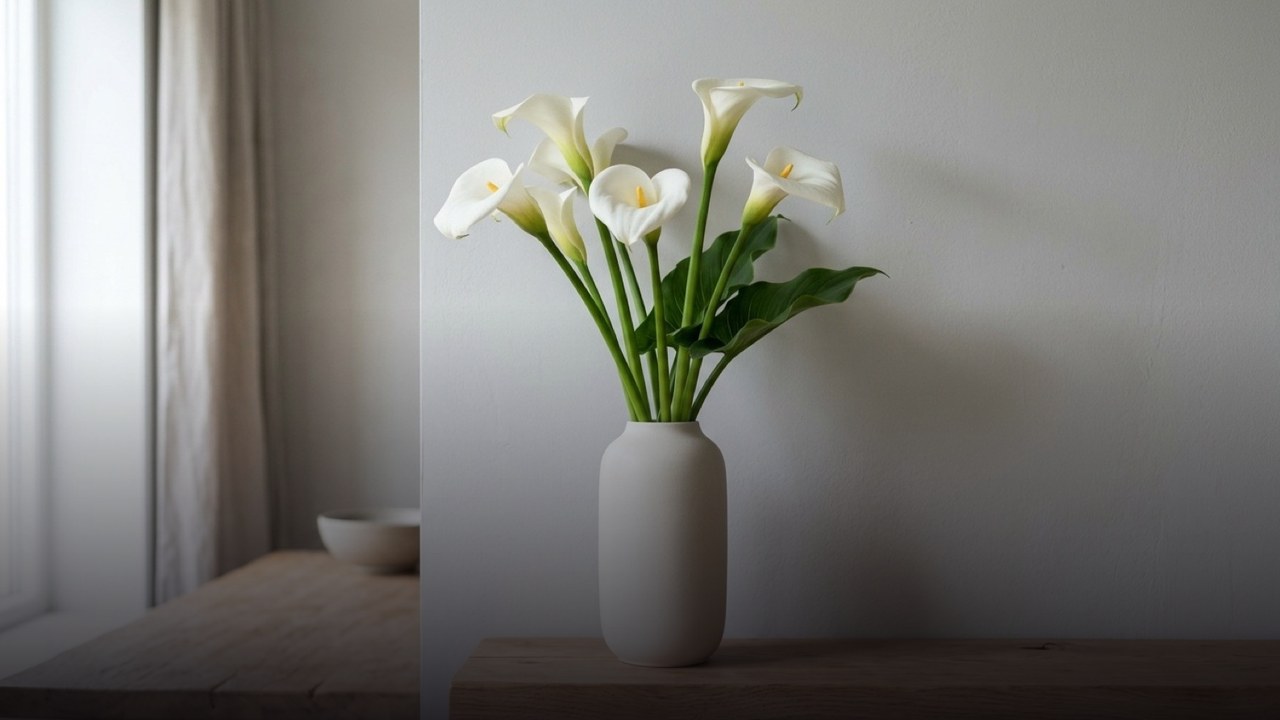
Handling flowers means protecting the blooms, preparing the stems and keeping their water clean. Hold a bouquet around its wrapped stems rather than its flower heads, remove any leaves that would sit underwater, and trim the stems with a clean, sharp tool before placing them in a clean vase.
The next steps depend on what you have received: a hand-tied bouquet needs a vase, while flowers arranged in floral foam need water added to their container. This guide explains how to unpack, arrange and care for flowers, then covers the etiquette and delivery details that matter when you are choosing a gift for someone in Russia.
Unpack the bouquet without damaging the flowers
Prepare the vase before you start unwrapping so the stems can go into water promptly. Choose a stable vessel with enough room for the stems without squeezing them together, and wash it thoroughly, including the inside and rim. Rinse away detergent residue. Set out your cutting tool and clear a work surface where the flower heads will not be crushed.
Support the bouquet underneath the binding point as you remove its outer packaging. Open folded paper and release tape gently instead of pulling the flowers through a tight sleeve. Avoid lifting the arrangement by a single stem or pressing against petals. If the bouquet has a water pouch, keep it upright and open it over the sink before transferring the stems to the vase.
A tie can help a hand-tied bouquet keep its shape, so you do not necessarily need to remove it. Loosen or remove it if it compresses the stems or prevents you from arranging them comfortably. If flowers arrive set into floral foam, leave them in their arrangement: lifting stems out and pushing them back can damage the foam and weaken their support.
Prepare stems and water correctly
Remove foliage from the part of each stem that will sit below the waterline. Submerged leaves decay and make the water dirty, so check again after you arrange the bouquet. Keep healthy leaves above the water where they contribute to its appearance. Work gently around soft stems; stripping leaves roughly can tear their surface or snap a delicate side shoot.
Using clean, sharp secateurs or a suitable sharp knife, make a fresh cut a little above each stem's existing end, then place it in water promptly. A modest angled cut is useful on many firm stems; avoid an exaggerated cut that leaves a fragile point. Do not crush or hammer woody stems as a general treatment. If a flower has specific care instructions, follow those first.
Use clean water and, if a flower-food sachet is supplied, mix it at the dilution printed on the packet. Guessing the concentration can give you an unsuitable mixture, especially in a small vase. Plain clean water is a better default than an improvised combination of sugar, coins or household chemicals. Keep any flower-food packet away from children and pets.
Bouquets we can deliver




Choose a good position and maintain the vase
Place the vase where you can enjoy the bouquet without exposing it to direct sun, a radiator or the hot air from an appliance. Keep it away from strong draughts and from fruit bowls: ripening fruit releases ethylene, which can accelerate ageing in sensitive flowers. A stable surface also matters; a narrow vase on a busy table is easily knocked over.
Check the water level every day, especially while the bouquet is newly arranged. Stems can use water faster than you expect, and a tall vase can look full while the cut ends are barely submerged. Top it up as needed. If the water becomes cloudy, smells unpleasant or contains loose plant material, change it and clean the vase rather than simply adding more.
When changing the water, support the bouquet as a group and inspect the submerged stems. Remove fallen leaves and fading flowers, and make a fresh cut where stem ends have deteriorated. Wash your tool before using it again. Different flowers age at different rates, so removing one spent bloom can leave the remaining stems looking tidy without dismantling the whole bouquet.
Adapt your handling to the flowers you have
Give delicate petals as little handling as possible. Guide a flower into position by its stem instead of pulling its head between neighbouring blooms. Leave space for flowers that are still opening rather than packing every gap tightly. Some stems, including tulips, can bend and change position after arranging; choose a vase that supports the shape you want without forcing them straight.
Lilies need particular care in a household with cats: true lilies and daylilies are highly toxic to them, including their pollen and vase water. Choose other flowers if the recipient has a cat. To reduce pollen stains where lilies are suitable, carefully remove exposed anthers before they shed, avoiding the petals. Lift dry pollen from fabric with tape rather than rubbing it with a wet cloth.
If a stem droops, check the basics first: does its cut end reach the water, is the vase clean, and is the bouquet standing near heat? Trim the affected stem with a clean tool and return it to fresh water. Recovery depends on the flower and its condition. Avoid treating a mixed bouquet with boiling water, a flame or a full-head soak based on advice intended for one particular species.
Choose flowers with the recipient and occasion in mind
In Russia, an odd number of flowers is customary for a celebratory gift when individual blooms are counted; even numbers are traditionally associated with mourning. This distinction is particularly noticeable in a small bouquet of roses or tulips. If the occasion is a birthday, anniversary or thank-you, explain that context when choosing so the arrangement feels appropriate to its purpose.
Treat flower meanings as a guide rather than a fixed code. Red roses often suggest romance, but a recipient's tastes and your relationship matter more than a rigid colour rule. For a colleague or someone you do not know closely, a less explicitly romantic choice may be easier to interpret. If you know they dislike a scent or have limited vase space, let that shape your choice.
Think about what happens after the flowers are handed over. A recipient at work may need to carry the bouquet home, while someone attending an event may have nowhere to put the stems in water immediately. Browse the Bouquets catalogue with those practical details in mind. A brief card naming the occasion can explain your intention more clearly than relying on flower symbolism alone.
Arrange delivery to Russia with clear instructions
Turboflora delivers flowers across Russia. City delivery costs 500 RUB; for remote districts and suburbs, the operator confirms the price when confirming the order. If you are ordering from abroad, give the recipient's address carefully and agree the delivery time in the destination city's local time. You can review the Delivery and payment information while planning your order.
In large cities, express delivery is available in 1–2 hours after the order is confirmed. You can also arrange delivery at an exact time with a tolerance of ±30 minutes, choose a window of 09–12, 12–15, 15–18 or 18–21, or pre-order 1–30 days ahead. For an occasion with a fixed start, allow time for the recipient to receive the bouquet and put the flowers in water.
Contact a manager on WhatsApp for help choosing a bouquet, agreeing the time, address and card text, or obtaining a photo before delivery. A card with your text is free. Delivery is anonymous by default: the courier does not name the sender, so include your name in the card text if you want the recipient to know who sent the flowers.
The courier calls the recipient about 15 minutes before arrival. If the recipient is absent, we agree a second delivery the same day or, with the sender's consent, hand the flowers to a neighbour or concierge. Keep this call in mind when planning a surprise. Online checkout uses CloudPayments; check the payment options displayed there, as acceptance of every foreign card cannot be guaranteed.
Frequently asked questions
Should I remove the wrapping before putting flowers in a vase?
Remove the outer gift wrapping and any water pouch before placing the stems in a vase. A supporting tie can stay if it helps the bouquet hold its shape and does not compress the stems.
How often should I change flower water?
Check the level and condition daily, topping up when needed. Change cloudy or unpleasant-smelling water promptly, wash the vase and remove any submerged leaves or loose plant material.
Can I use sugar instead of flower food?
Sugar alone does not provide a complete flower-care solution and can encourage microbial growth. Use a supplied flower-food sachet according to its instructions, or use clean water and maintain the vase carefully.
Is an even number of flowers appropriate for a birthday in Russia?
An odd number is the customary choice for a celebratory bouquet of individually counted flowers. Even numbers are traditionally associated with mourning, so make the occasion clear when choosing.
Can I send flowers to Russia without revealing my name?
Yes, delivery is anonymous by default, and the courier does not name the sender. A card with your text is free; leave your name out of that text if you want it to remain anonymous.
Ready to send flowers?
Pick the city, choose the bouquet, and a local florist takes it from there.
Choose a city →