How to Keep Cut Flowers Hydrated in a Shallow Vase
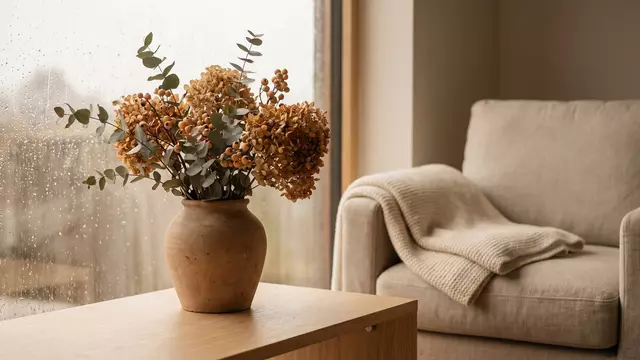
To keep cut flowers hydrated in a shallow vase, shorten the stems so every cut end stays below the waterline, start with a clean vessel and check the water each morning and evening. Refill before any stem end becomes exposed, remove submerged leaves and keep the arrangement away from direct sun and heat.
A shallow vessel gives you less room for error: a modest drop in water level can leave some flowers without access to water while others are still drinking. The solution is to manage the arrangement around its usable water depth. Think about where each stem ends, how securely it sits and whether you can reach the water without disturbing the flowers.
Choose a workable water depth before arranging
Fill the clean vase to a level that leaves room below the rim for moving and topping up. There is no single correct depth for every shallow vessel or flower mixture. What matters is that all cut ends remain comfortably submerged, with enough water above them to allow for the level falling between checks. An end barely touching the surface has very little margin.
Look through the side of a clear vase, or gently part the stems in an opaque bowl, to locate the highest cut end. This is the first stem likely to lose contact with the water. Check stems angled towards the rim especially carefully: their flowers may look well placed even though their bases sit much higher than the bases of upright stems.
If the vessel cannot hold enough water to cover every end reliably, change the layout before adding more flowers. Shorten an awkward stem, move its base towards the deeper centre or use a deeper container. A shallow decorative bowl can also hold a separate watertight vase, provided it fits securely and you can still inspect and refill that inner vessel.
Prepare shorter stems with clean cuts and clear bases
Wash the vase thoroughly, rinse away detergent and use clean, sharp flower scissors or secateurs. Measure the first stem against the vessel before cutting; shortening gradually gives you room to adjust. A low arrangement usually needs shorter stems to keep the flower heads balanced over the container, but the right length depends on the shape and weight of each flower.
Make a fresh, clean cut at the base and place the stem into water promptly. A slight angle can help prevent the cut surface from resting flat against the bottom. Avoid crushing, splitting or hammering stems as a general treatment: different flowers have different requirements, and a damaged base is not a reliable way to improve water uptake.
Remove leaves that would sit below the planned waterline, including foliage hidden behind the rim. Keep useful foliage above the water rather than stripping every stem bare. Before finishing, check that no lower leaf is holding a stem end out of the water. For the broader cleaning and preparation routine, see our vase care guide.
Bouquets we can deliver




Make water checks part of the arrangement
Check the water in the morning and evening at first, and check again if the level is dropping quickly. A wide, shallow bowl may expose a large water surface while holding only a small reserve. Do not judge the supply by how full the arrangement looks: dense flowers can hide nearly empty water beneath them. Lift foliage gently so you can see the actual level.
Add water slowly through a clear gap near the rim, using a small jug with a narrow spout if that helps. Watch the level as you pour and stop before it reaches leaves or spills over the edge. Pouring over the flower heads makes it harder to see what you are doing and can leave moisture trapped between petals. Keep a clear access point when you first arrange the stems.
If you use commercial cut flower food, follow its packet instructions and measure both the water and the product. A full sachet may be intended for more water than your bowl holds, so do not guess a concentrated dose. Prepare the stated volume in a separate clean container and use what the vase needs. Avoid adding sugar or household disinfectants by eye.
Keep the water clean without losing the arrangement
Inspect the water daily and replace it promptly if it becomes cloudy, develops an unpleasant smell or contains fallen plant material. Topping up restores the volume but leaves debris behind. Remove fallen leaves and petals as soon as you notice them, and take out any stem that is becoming soft or decayed at its base so it does not remain in the shared water.
For a small arrangement, lift the stems together, supporting their bases, and place them briefly in a clean container of water while you wash and rinse the vase. If you want to preserve the layout, take a quick photo before lifting. Refill the vase, then return the flowers and check every cut end again; their positions can change even when you move them as a group.
Inspect any reusable support as well as the vase. A flower frog or other holder can trap fragments between its parts, so clean it according to its care instructions before reusing it. A support holds stems in position; it does not supply water by itself. Make sure the cut ends reach the water rather than assuming that a firmly held flower must be hydrated.
Reduce water stress and respond to drooping stems
Place the arrangement somewhere cool within your normal indoor conditions, away from direct sunlight, radiators and hot appliances. Avoid a strong draught or the direct flow from a fan or air conditioner. A low bowl may fit a sunny windowsill beautifully, but that position can make water management harder. Our guide to where to keep cut flowers at home helps you choose a practical display spot.
If one flower droops, first check whether its cut end is actually submerged. A stem can shift as you move the vase or as neighbouring flowers settle. If the end has been exposed, make a fresh cut with a clean tool and place it in clean water promptly. Give it time to respond before rearranging it again; repeated handling can damage delicate stems and petals.
For a stem that remains awkwardly positioned, use a separate, deeper vase while you assess it. This gives the base reliable access to water and lets you observe that flower without disrupting the whole display. Recovery is not guaranteed: ageing, damaged stems and poor water uptake can all contribute to drooping. Avoid boiling-water or other extreme treatments as a general remedy for an unidentified flower.
Plan a gift around the recipient's vase and routine
If you are ordering flowers for someone in Russia from abroad, ask about their vase if you can do so without spoiling the surprise. A shallow bowl may require substantial stem shortening, which changes the outline of a bouquet. You can browse our bouquets catalogue and contact a manager on WhatsApp for help choosing a bouquet and discussing the recipient's available vessel.
Turboflora delivers flowers across Russia. City delivery costs 500 RUB; an operator confirms the price for remote districts and suburbs when confirming the order. In large cities, express delivery is available within 1–2 hours after order confirmation. You can also arrange an exact time with a tolerance of 30 minutes, choose a delivery window or pre-order 1–30 days ahead.
Choose a delivery time when the recipient can put the flowers into water promptly. The courier calls about 15 minutes before arrival. A card with your text is free, so you could include a simple reminder to check the shallow vase morning and evening. Delivery is anonymous by default: the courier does not name the sender, so include your name in the card if you want the recipient to know who sent the flowers. Check our delivery information; confirm the timing for your order.
Frequently asked questions
How much water should I put in a shallow vase?
Use enough to keep every cut end comfortably submerged while leaving space below the rim. Check the highest stem end, because it will lose contact with the water first as the level falls.
Can long-stemmed flowers stay in a shallow bowl?
They can if their cut ends stay submerged and the arrangement is stable. Shortening the stems or moving them to a deeper vase is usually more practical when heavy flower heads pull them out of position.
Should I mist the petals to keep the flowers hydrated?
Misting does not replace a reliable water supply through the cut stems. Focus on submerged ends, clean water and a suitable display position; wetting delicate petals can leave marks or encourage deterioration.
Should I top up the water or replace it?
Top up when the level falls, but replace water that is cloudy, smells unpleasant or contains debris. Clean the vase during the change, then check that every stem end is submerged when you return the flowers.
Will a drooping flower recover after I refill the vase?
It may recover if losing access to water caused the drooping, but refilling alone cannot resolve every cause. Check the stem base, make a fresh cut if needed and place it in clean water; an ageing or damaged flower may continue to decline.
Ready to send flowers?
Pick the city, choose the bouquet, and a local florist takes it from there.
Choose a city →