How to Arrange Roses in a Vase
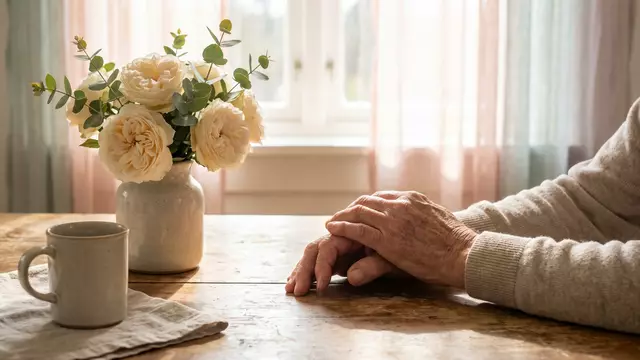
To arrange roses in a vase, clean the vase, remove leaves that would sit below the water, and trim the stems with a sharp, clean tool. Place shorter roses around the edge and slightly taller ones towards the centre, turning the vase as you work so the flower heads form a balanced outline with room to open.
The best arrangement depends on the vase opening, the length of your stems and where the flowers will stand. A low display works well on a dining table; a taller one suits a sideboard where it will not interrupt conversation. Start with those practical choices, then adjust individual roses until the display looks comfortable from the angles you will actually see.
Choose a vase that supports the stems
Look at the neck of the vase before judging its height. A narrow opening holds a small group of roses together, while a wide opening lets the stems spread and may leave the middle looking empty. For your first arrangement, a straight-sided vase or one with a gently narrowed neck is easier to control than a broad bowl.
Use the vase as a starting point for proportion: the complete display, measured from the base to the highest flower, can be roughly one and a half times the vase height. This is a visual guide, not a cutting rule. Test one stem first; a heavy, open rose may need to sit lower for the arrangement to feel stable.
Check that the vase stands securely when filled and has enough space for water around the stems. If the roses look squeezed together at the neck, choose a wider vessel or divide them between two vases. If they fall flat against the rim, use a narrower opening or shorten the stems gradually rather than cutting them all at once.
Prepare the vase, water and roses
Wash the vase with detergent, rinse it thoroughly and clean your cutting tool before starting. Fill it with fresh water, following the instructions on any cut-flower food you use. Measure the food against the water volume specified on the packet; a stronger mixture is not a shortcut to longer-lasting roses.
Unwrap the roses and inspect each stem. Remove foliage that would be submerged, because decaying leaves foul the water, but keep healthy leaves above the waterline where they suit the display. Avoid stripping every stem bare or scraping its surface. Our guide to which rose leaves to remove explains where to stop.
Trim each stem with clean, sharp secateurs or a suitable knife, making a clean angled cut without crushing the end. Put the cut stems into water promptly while you prepare the rest. Remove loose or badly damaged outer petals only where needed; the firmer outer petals can be part of the rose’s natural appearance and do not all need peeling away.
Bouquets we can deliver




Build a simple rounded arrangement
Lay the prepared roses where you can compare their lengths and flower sizes. Choose a few sturdy stems to establish the outer shape, cutting them so the blooms sit comfortably above the rim. Insert them at gentle outward angles around the opening. Their crossing stems help support the flowers you add next.
Add the remaining roses between those first stems, working around the vase instead of filling one side completely. Keep the central blooms a little higher to create a soft dome, with shorter stems towards the edge. Turn the vase after every few additions and check the outline at flower height, where gaps and crowded patches are easier to spot.
Let the flower heads sit close enough to read as one arrangement without forcing petals tightly together. Roses may open further, so leave some room between blooms. If a flower disappears into the centre, lift it slightly or move a neighbouring stem; if one projects too far, remove it, trim a little more and replace it.
Adapt the shape to your roses and your room
With only a few roses, use a narrow-necked vase and give each flower a clear position. Slight differences in height can make a small display feel intentional without requiring extra foliage. Rotate the stems so the most attractive face of each bloom is visible, and leave enough space to appreciate the individual flowers.
For a fuller bunch, avoid making every stem exactly the same length. A gentle change in height creates depth and keeps the display from looking like a flat lid over the vase. If the roses vary in size, distribute larger heads around the arrangement so one side does not become visually heavier than the other.
Match the viewing angle to the location. On a table seen from all sides, distribute blooms around the whole vase and check that seated guests can see over it. Against a wall, you can bring more flowers towards the front, but keep the weight centred over the base. Move the finished vase carefully, supporting the vessel rather than holding the stems.
Keep the arrangement clean and easy to maintain
Place your roses away from direct sunlight, radiators and warm appliances. A cooler position helps slow deterioration, while strong draughts can dry the flowers. Keep them away from ripening fruit as well: ethylene released by some fruit can hasten ageing in sensitive cut flowers. Choose the position before the vase becomes awkward to move.
Check the water level every day, especially with a full bunch, and keep the cut ends submerged. Replace water regularly and sooner if it turns cloudy or develops an odour. At a water change, rinse the vase, remove fallen leaves and use fresh flower food according to its directions if you have it. Do not simply add another full dose to old solution.
Take out deteriorating blooms and trim stem ends again when needed, using a clean tool each time. If you lift the arrangement out together, hold it gently around the stems so you can return it without rebuilding everything. Vase life varies with the flowers and their conditions; our rose vase-life guide gives more detail on ongoing care.
Send roses to Russia with the recipient’s plans in mind
If you are sending roses to someone in Russia, think about when they can receive and unpack them. You can browse our bouquets catalogue, then contact a manager on WhatsApp for help choosing a bouquet and agreeing the address, delivery time and card text. You can also discuss a photo of the bouquet before delivery.
We deliver flowers across Russia. City delivery costs 500 RUB; for remote districts and suburbs, the operator confirms the price when confirming the order. Express delivery in large cities is 1–2 hours after order confirmation. You can also arrange an exact time within ±30 minutes, choose a 09–12, 12–15, 15–18 or 18–21 window, or pre-order 1–30 days ahead.
Delivery is anonymous by default, so the courier does not name the sender; add your name to the free card if you want the recipient to know who sent the roses. The courier calls about 15 minutes before arrival. If the recipient is absent, we agree a second delivery that day or, with the sender’s consent, handover to a neighbour or concierge. Checkout uses CloudPayments; check the payment options displayed there. Check our delivery information; confirm the timing for your order.
Frequently asked questions
How short should I cut roses for a vase?
Test one rose against the vase before cutting the whole bunch, leaving enough stem inside for support and enough height above the rim to show the bloom. Cut gradually, with slightly shorter stems around the edge and taller ones towards the centre.
Do I need floral foam to arrange roses?
For a straightforward vase arrangement, a suitable vase opening and gently crossing stems usually provide enough support. Add roses around the opening first, then fill the spaces between them.
How much water should I put in a rose vase?
Use enough water to keep the cut ends well submerged, with no leaves below the surface. Follow the flower-food packet’s dilution instructions and check the level daily, since the amount needed depends on the vase and number of stems.
Can I mix roses of different colours in one vase?
Yes; spread each colour through the arrangement if you want an even effect, or place similar shades together for distinct groups. Check the result from several sides so a single dark or bright patch does not dominate unintentionally.
What should I do if the roses keep leaning to one side?
Check that the stems are distributed around the opening and that large flower heads are not all on the same side. Shorten overly tall stems a little, or move the roses into a narrower-necked vase for more support.
Ready to send flowers?
Pick the city, choose the bouquet, and a local florist takes it from there.
Choose a city →