How to trim flower stems before they go into the vase
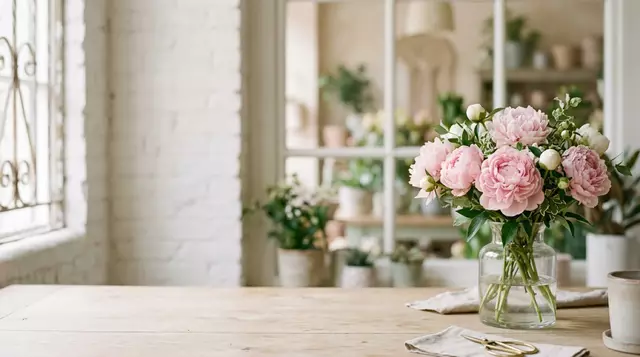
To trim flower stems, use a clean, sharp blade or secateurs to remove roughly 1–2 cm from the bottom, making a smooth cut without crushing the stem. Remove leaves that would sit underwater, then place each stem promptly into a clean vase of fresh water. A slight diagonal cut suits most firm stems; soft, fleshy stems need particular care to avoid squeezing them flat.
The useful part of trimming is exposing a fresh, sound surface through which the flower can take up water. You do not need a dramatic angle, a long section cut away or a collection of household remedies. Start with the condition of your flowers and the height of your vase, then adjust your technique to the stem in your hand.
Prepare the vase and tools before making the first cut
Wash the vase thoroughly with washing-up liquid, rinse it well and fill it before you begin trimming. Pay attention to the bottom and any narrow neck where residue collects. Water that looks clear can still be sitting in a dirty container, so simply topping up the vase from the previous bouquet is a poor starting point.
Choose a sharp florist's knife if you can use it safely, or sharp secateurs that leave a clean surface. Household scissors are suitable only when they cut the particular stem cleanly; blunt blades can pinch softer stems and struggle with woody ones. Clean the blades before use and after cutting away any visibly decaying material.
Lay the flowers on a clean surface and inspect the lower stems. Look for soft patches, darkened ends, cracks and leaves trapped in the binding. Have the vase within reach so trimmed stems can go into water promptly. If the bouquet has been out of water during travel, prepare everything first instead of leaving freshly cut ends exposed while you search for a container.
Choose the length before you choose the angle
Hold a stem beside the vase to judge its finished height, keeping your fingers away from the cutting point. The flower head should sit where you want it while enough stem remains inside the vase for support. Cut conservatively at first: you can shorten a stem again, but you cannot restore the length needed to balance a tall arrangement.
For a fresh, undamaged stem, removing about 1–2 cm is a practical starting point. If the end is dry, discoloured or crushed, cut above that damaged area until you reach firm tissue. A bouquet that needs substantial shortening for a small vase may lose much more length for arrangement reasons. That is a separate decision from refreshing its drinking surface.
Keep some variation in height if you are arranging loose stems; cutting every flower to the same length can crowd the heads together. For a tied bouquet, check how its shape rests against the vase rim before undoing the binding. Our guide to how much to cut off flower stems explains the difference between a first trim and later maintenance.
Bouquets we can deliver




Make one clean cut suited to the stem
For most firm flower stems, make a smooth diagonal cut with the blade positioned securely. A slight angle helps prevent the cut face from resting flat against the vase bottom; there is no need to measure an exact 45 degrees. Aim for an intact surface without ragged fibres, and keep the stem steady rather than sawing repeatedly through it.
Soft stems, including tulips, can be damaged by excessive pressure. A clean, near-straight cut is a sensible option when it gives you a better result than an angled cut that crushes the tissue. Use sharp secateurs for tougher, woody stems that resist a lighter blade. Do not hammer the ends or split them as a routine preparation step: both create additional wounds.
For hollow stems, use a blade that cuts through the wall without flattening the tube. Avoid treating every flower in a mixed bouquet identically just because they arrived together. Some flowers, such as cut daffodils, release sap that calls for separate conditioning; follow any flower-specific instructions supplied with them before combining them with other stems.
Remove submerged foliage and put the stems into water
Remove every leaf that would sit below the intended waterline. Submerged foliage breaks down and contributes to dirty water, so check again after the stems settle into position. Leave healthy foliage above the water where it supports the appearance of the bouquet. Strip leaves gently or snip them off without tearing long strips from the stem.
Place each trimmed stem into water promptly rather than cutting the entire bouquet and leaving it on the table. Ordinary fresh water is suitable for most mixed bouquets; follow any specific instructions that came with your flowers. If flower food is supplied, mix it according to the packet and the actual water volume rather than estimating an extra-strong dose.
You do not need to trim a whole bouquet beneath the water in your vase. Working with clean tools and transferring each stem promptly is more manageable at home and keeps cuttings out of the arrangement water. Avoid improvised mixtures of sugar, bleach or other household products: an uncertain recipe can create problems instead of solving the reason your flowers are struggling.
Recut according to the water and stem condition
Check the water level daily, especially during the first day, when a bouquet may use more water than you expect. Keep the cut ends submerged and refresh the water regularly, sooner if it becomes cloudy or develops a smell. When changing it, wash the vase and inspect the stems instead of returning them straight to the same residue.
A small fresh trim during a water change can help if the ends have deteriorated or the flowers have been out of water. Remove only what is needed to expose a clean surface; taking several centimetres off every day quickly leaves an arrangement too short for its vase. Soft or slimy tissue needs cutting away, while a badly decaying stem is better removed.
Drooping does not automatically mean you should keep shortening the stem. Check that it reaches the water, that the vase is clean and that the flower is away from direct sun, heaters and ripening fruit. A creased or broken stem is a different problem from an old cut surface; see our guide to bent stems before trying to rescue one with another trim.
Help someone receiving flowers in Russia get started
If you are sending flowers to someone in Russia, a brief care message is useful: prepare a clean vase, refresh the stem ends and keep leaves above the water. Ask whether they have a suitable vase if you are unsure how much space they have. A wide, heavy-headed bouquet needs enough support at the rim; shortening stems alone will not make an unstable container suitable.
You can choose flowers in our bouquets catalogue and contact a manager on WhatsApp to agree the address, delivery time and card text, or request a photo before delivery. We deliver across Russia. City delivery costs 500 RUB; the operator confirms the price for remote districts and suburbs when confirming the order.
Express delivery in large cities takes 1–2 hours after order confirmation. You can also arrange an exact time within a margin of 30 minutes, a delivery window of 09–12, 12–15, 15–18 or 18–21, or pre-order 1–30 days ahead. Delivery is anonymous by default, and a card with your text is free. Online checkout uses CloudPayments; check the payment options displayed there for your card. Check our delivery information; confirm the timing for your order.
Frequently asked questions
Should I cut flower stems straight or at an angle?
A slight diagonal cut works well for most firm stems and helps keep the cut surface from resting flat against the vase bottom. For soft stems such as tulips, a clean, near-straight cut is preferable to an angled cut that crushes them.
Can I trim flower stems with kitchen scissors?
Yes, if the scissors are clean, sharp and leave the stem intact without flattening it. Use suitable secateurs for tougher stems that scissors cannot cut cleanly.
How much stem should I remove from a new bouquet?
Start with roughly 1–2 cm from a fresh, undamaged end, then shorten further only if the vase or damaged tissue requires it. Check the finished height beside the vase before making a large cut.
Do flower stems need trimming every day?
Daily cutting is not a fixed requirement; check the water level and stem condition each day instead. Refresh deteriorating ends during water changes, preserving enough length to support the flowers in the vase.
Will trimming revive every drooping flower?
A fresh cut may help when a damaged or deteriorated stem end is limiting water uptake. It cannot reverse natural ageing, and a broken stem or badly decayed tissue needs separate attention.
Ready to send flowers?
Pick the city, choose the bouquet, and a local florist takes it from there.
Choose a city →