Moy Dorogoy Meaning: How Russians Say 'My Dear'
Moy dorogoy means 'my dear' in Russian and is addressed to a man or a boy: moy is 'my', dorogoy is 'dear' or literally 'precious, expensive'. When you speak to a woman it changes to moya dorogaya, and to a group of people it becomes moi dorogie. It is warm and affectionate, used between partners, by parents and grandparents to children, and between close friends.
Because so many of our customers write card messages to relatives in Russia, we see this phrase on cards all the time, often with the wrong ending. Below we explain the grammar in plain terms, the shades of meaning (including when it sounds ironic), the related words Russians use, and how to put it on a card with a bouquet so it reads naturally.
Moy dorogoy, moya dorogaya, moi dorogie: getting the ending right
Russian adjectives and possessives agree with the gender of the person you address. That is why the same idea has three forms. Moy dorogoy (stress on the last syllable: da-ra-GOY) is for a man: a husband, a father, a son, a friend. Moya dorogaya (da-ra-GA-ya) is for a woman: a wife, a mother, a grandmother, a girlfriend. Moi dorogie (da-RO-gi-ye) is for several people, for example 'my dear parents' or 'my dear family'.
Mixing them up is the most common slip we see on cards. Writing moy dorogoy to your grandmother is a bit like calling her 'my dear sir': she will understand and smile, but it looks like a typo. If you are not confident, write the name first and the phrase after it, then double-check the ending against the person's gender.
In transliteration you will see several spellings: moy dorogoy, moi dorogoi, moj dorogoj. They are all the same phrase. On a card going to Russia, though, the recipient will expect Russian letters, so it is worth asking a Russian-speaking friend to check it, or agreeing the exact card text with our manager when you order.
What tone does 'my dear' carry in Russian?
Most of the time the phrase is tender and personal. A wife says moy dorogoy to her husband, a grandmother says moya dorogaya to her granddaughter, a mother uses it on a birthday card. It is softer than 'darling' and less formal than 'dear' at the top of an English letter, closer to a spoken 'my dear one'.
There are a few other uses worth knowing. In formal speeches and greetings Russians say dorogie druzya ('dear friends') or dorogie kollegi ('dear colleagues'), and on a work card you might write Dorogaya Anna Ivanovna, using the first name plus patronymic. Here 'dear' is respectful rather than intimate, and you would drop moy or moya.
The phrase can also be ironic. Said with a raised eyebrow, 'nu, moy dorogoy' is something like 'well, my dear fellow' before a scolding. On paper and with flowers, nobody reads it that way, so you can use it freely in a card.
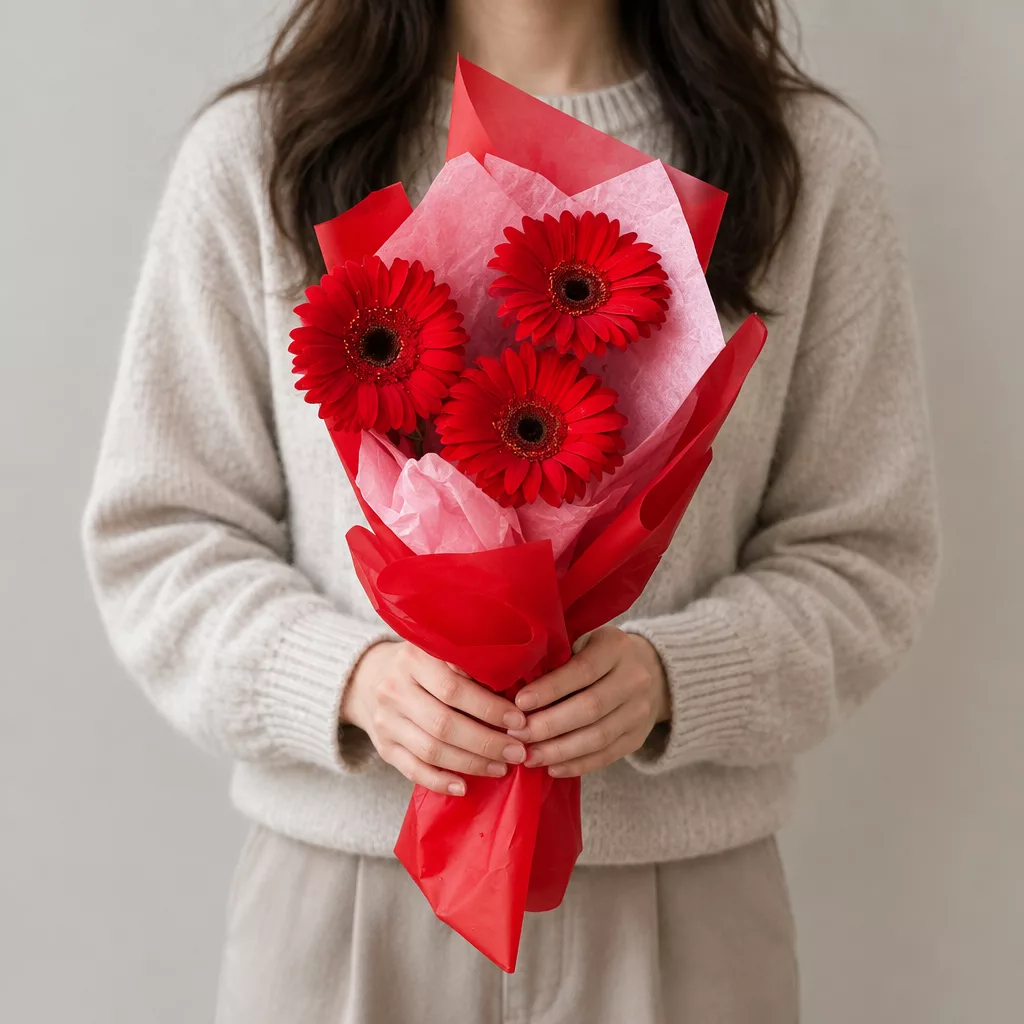
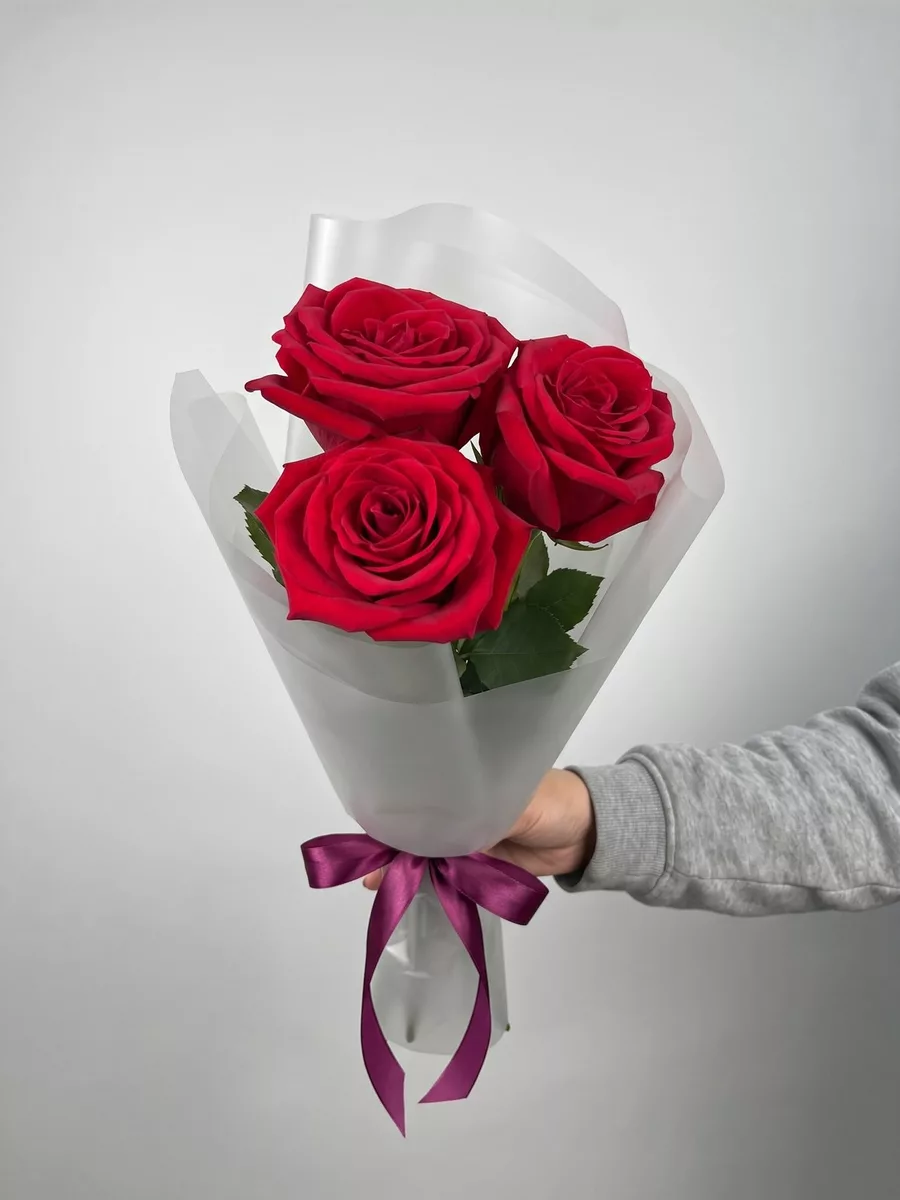
Bouquets we can deliver


Other Russian terms of endearment for a card
If you want variety, Russians have plenty of affectionate words. Lyubimy (masculine) and lyubimaya (feminine) mean 'beloved' and are firmly romantic. Rodnoy and rodnaya mean something like 'my own, my kin', and are very warm, used both for partners and close family. Solnyshko, 'little sun', is gender-neutral and loved by parents and couples alike.
For a mother or grandmother, mamochka and babulya are tender diminutives, and a card that opens with 'Dorogaya mamochka' feels deeply personal. For a colleague or teacher, stay with dorogaya or uvazhaemaya ('respected') plus the name and patronymic.
Keep it short. Russian cards tend to be one or two warm lines plus a signature, not a long letter, and a single phrase like 'S lyubovyu' ('with love') under your name does a lot of work.
Short card messages built around 'my dear'
Here are a few ready-made lines in transliteration that our customers use, with a rough English meaning. For a husband or partner: 'Moy dorogoy, s dnyom rozhdeniya! Lyublyu tebya' - 'My dear, happy birthday! I love you.' For a father: 'Dorogoy papa, spasibo za vsyo' - 'Dear Dad, thank you for everything.' For a mother: 'Moya dorogaya mamochka, obnimayu krepko' - 'My dear mum, a big hug.'
For a grandmother on her birthday: 'Dorogaya babulya, zdorovya i radosti!' - 'Dear Granny, health and joy!' For the whole family at New Year or on a holiday: 'Moi dorogie, skuchayu i lyublyu' - 'My dears, I miss you and love you.' Notice that the possessive moy or moya is optional: dorogaya mama on its own is just as warm and a little more neutral.
If the recipient reads only Russian, give the exact text in Russian letters or ask our manager to help agree the wording. Short and personal always beats long and formal on a flower card, and a correctly spelled ending shows you took care.
Matching the words to the flowers
A card that says moy dorogoy or moya dorogaya sets a personal, loving tone, so the bouquet should match it. For a partner, roses in red, deep pink or burgundy fit the phrase naturally; our guide to roses by colour in Russia explains which shades read as romance and which as friendship. For a mother or grandmother, soft pinks, peonies in season, chrysanthemums and mixed garden-style bouquets feel warmer than a strict formal arrangement.
For men, Russians usually choose a tighter, more restrained bouquet: deep red or white roses, chrysanthemums, or a structured arrangement with greenery. A husband or father receiving flowers with 'Moy dorogoy papa' on the card will appreciate something that looks strong and simple rather than frilly.
Remember the basic Russian etiquette whatever you write: an odd number of main stems for the living, and be careful with an all-yellow bouquet for a partner, which some older people still read as a sign of parting. If you are writing to an older relative, those details matter as much as the right grammatical ending.
Sending a 'my dear' card with flowers to Russia
With Turboflora the card with your text is free, and delivery is anonymous by default: the courier does not name the sender. That is why the signature matters. If your card says only 'Moy dorogoy!' and nothing else, add your name or the name the recipient calls you, so there is no puzzle at the door.
City delivery costs 500 RUB; for remote districts and suburbs the operator confirms the price when confirming the order. In large cities express delivery takes 1 to 2 hours after the order is confirmed, or you can choose an exact time (plus or minus 30 minutes), a window such as 12-15, or pre-order 1 to 30 days ahead for a birthday or anniversary. You pay online by bank card, SBP or Yandex Pay; see Delivery and payment for details.
The courier calls the recipient about 15 minutes before arriving. If nobody is home, we agree a second delivery the same day or hand the flowers to a neighbour or concierge with your consent. To agree the card text, the time and the address, write to our manager on WhatsApp; they can also send a photo of the bouquet before delivery. Browse the bouquets catalogue to pick the flowers first.
Frequently asked questions
What does moy dorogoy mean?
It means 'my dear' in Russian and is said to a man or boy. It is affectionate and used between partners, family members and close friends.
What is the female form of moy dorogoy?
For a woman you say moya dorogaya. For several people, such as parents or a whole family, it becomes moi dorogie.
Is moy dorogoy romantic?
It can be, but not only. Parents, grandparents and friends use it too, so it is warm rather than strictly romantic; lyubimy or lyubimaya are the clearly romantic words.
Can I write moy dorogoy on a flower card to Russia?
Yes, it is a natural opening for a card to a husband, father, son or close friend. The card with your text is free; just add your name, since delivery is anonymous by default.
How do you pronounce moy dorogoy?
Say it as 'moy da-ra-GOY', with the stress on the last syllable. The first two o's in dorogoy sound close to a short 'a'.
Ready to send flowers?
Pick the city, choose the bouquet, and a local florist takes it from there.
Choose a city →