Presenting Flowers in Russia: Held Up or Heads Down?
You have chosen a beautiful bouquet, the delivery is on its way, and then someone asks: should the flowers face up or down when you hand them over? In Russia, this is not a small detail. The orientation of a bouquet at the moment of presentation carries meaning, and getting it right tells the recipient that you genuinely thought about them — not just about placing an order.
Why Orientation Became a Custom in the First Place
Russian flower-giving culture developed over centuries in which the bouquet was a living gesture, not a packaged product. When flowers were carried through markets and cold streets in the nineteenth and early twentieth centuries, the natural way to protect blooms from frost and jostling was to hold the stems upward and let the heads rest against the body or arm. Over time, this carrying position became associated with mourning processions, where flowers were laid heads-down on coffins or carried with blooms facing the ground as a sign of grief. That association stuck firmly in collective memory. Today, most Russians over the age of forty will immediately notice if a bouquet arrives or is handed over with heads pointing downward. For them, it triggers an uncomfortable association regardless of the occasion. Younger generations are somewhat more relaxed about it, but the feeling lingers. As a working florist, we see this misunderstanding cause genuine awkwardness — a birthday bouquet handed stems-first with the roses drooping downward can unsettle a recipient who cannot quite explain why it feels wrong. Understanding the origin of the custom helps you see that it is not superstition for its own sake. It is a living memory of how flowers once marked the boundary between celebration and loss. Knowing this, you can make sure your gesture lands exactly as intended.
Bouquets we can deliver

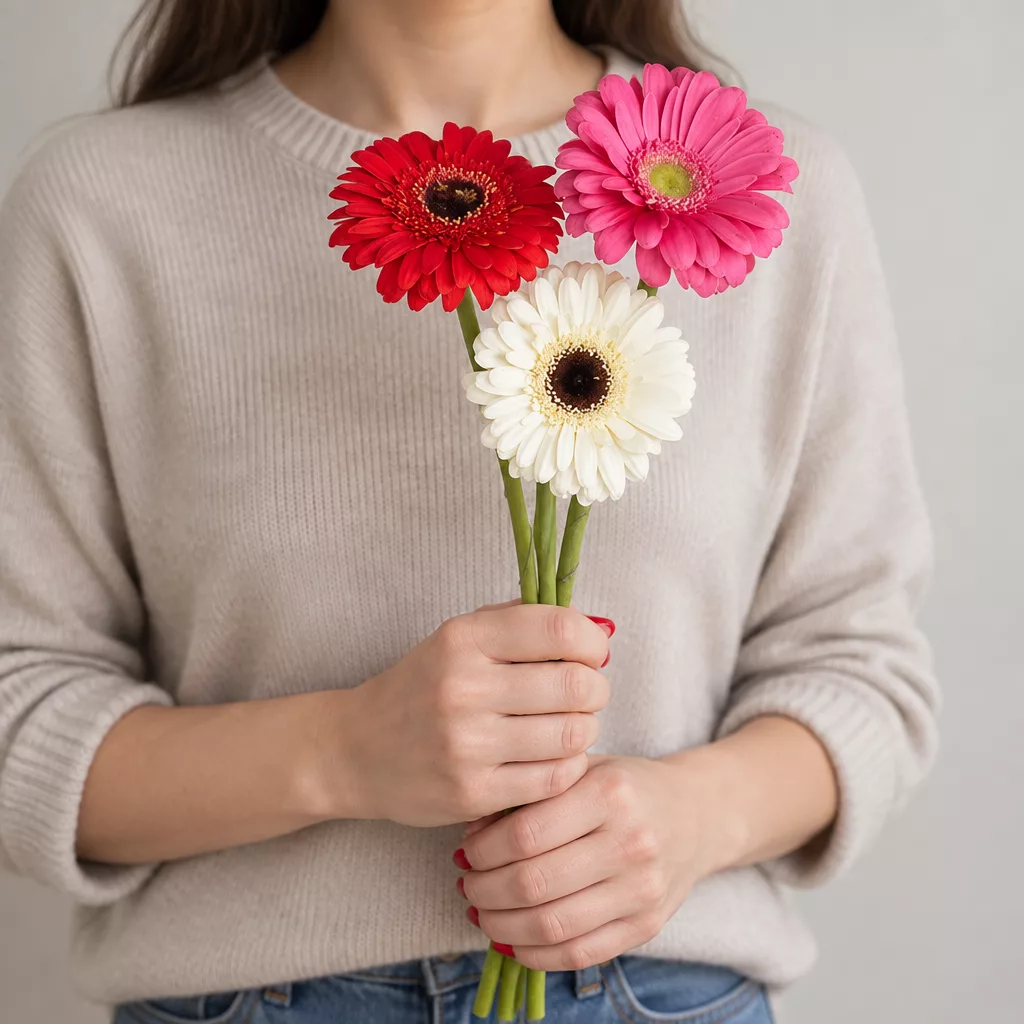

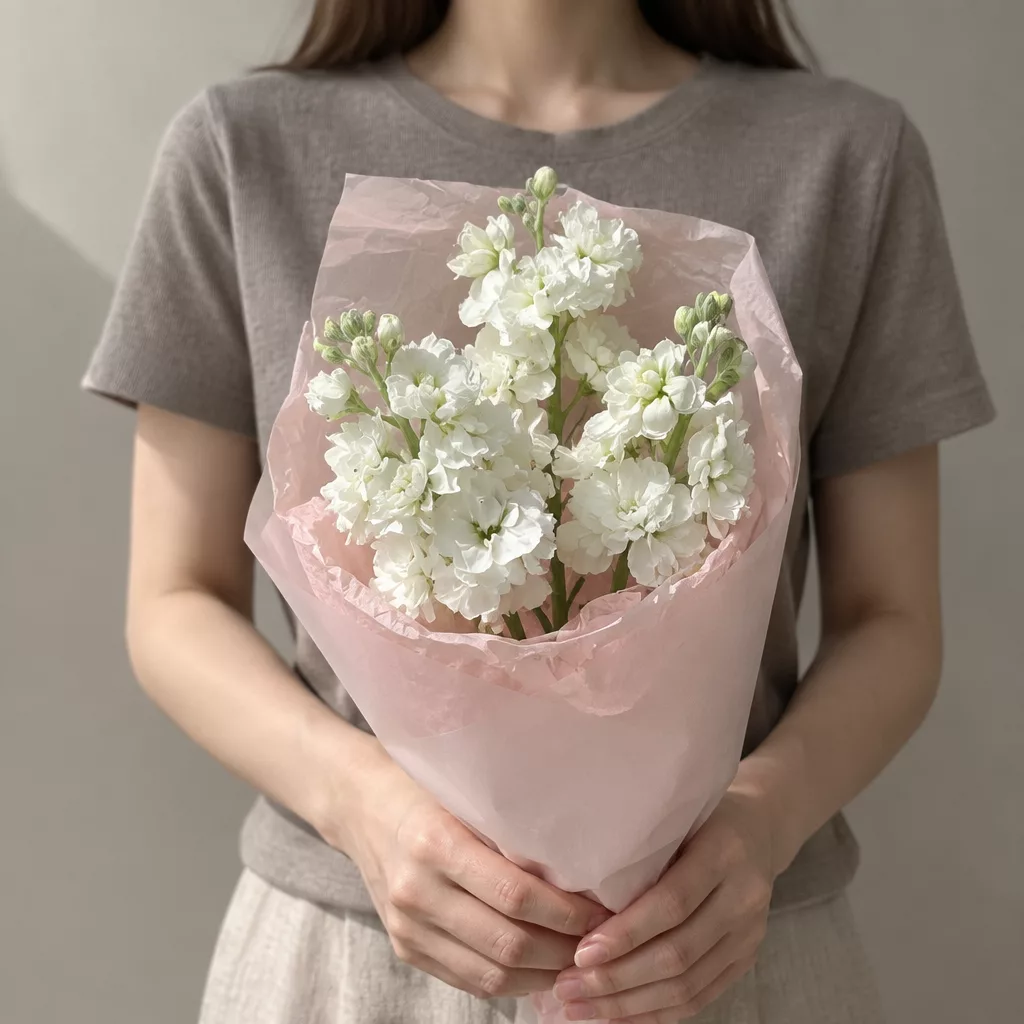
The Right Way: Blooms Up, Stems Toward the Giver
The accepted presentation in Russia is to hold the bouquet with the flower heads facing upward and toward the recipient, while the stems point down and toward the person giving the gift. When you extend the bouquet, the recipient receives it by taking the stems, and the blooms rise toward their face naturally. This is the moment the fragrance reaches them, the colors come into full view, and the emotional impact of the arrangement lands. It sounds simple, but it requires a little awareness when you are nervous or in a rush. A well-assembled bouquet makes this easier. Flowers like garden roses, ranunculus, and lisianthus hold their heads upright naturally and look generous when presented this way. Tight, round arrangements — a cluster of spray roses surrounded by eucalyptus, for example — display beautifully from above. Long-stemmed single varieties, such as a classic red rose or a tall sunflower, need a confident upright angle so the head does not droop to the side. When our couriers deliver a bouquet, the packaging is designed to keep the arrangement in the correct orientation throughout transit. The outer wrapping supports the stems, and the blooms sit protected at the top. When the recipient opens the door, they see flowers first — which is exactly the right first impression. Think of presentation as the final few seconds of a long process that began with choosing the right flowers. Those seconds matter.
What Happens During Transit and Why It Matters
A bouquet that travels across a city faces real challenges: temperature swings, movement in a vehicle, and time out of water. In Saint Petersburg, where temperatures can drop well below zero in winter and humidity shifts dramatically between seasons, keeping flowers in good condition during delivery requires active attention. We keep roses, peonies, and tulips at between two and five degrees Celsius during cold months, and we use insulated packaging to prevent thermal shock when moving from a cold vehicle into a warm building. Tulips in particular are sensitive — they continue to grow after cutting and will bend toward any available light source if left unattended, which can shift the orientation of an entire bouquet within an hour. Hydrangeas lose water quickly and need their stems in water right up until the moment of packaging. When the bouquet is assembled and wrapped, the goal is to lock in the correct upright orientation so that blooms arrive looking as composed as they did in the studio. A collapsed arrangement, with heads bent sideways or petals bruised from shifting against the packaging, undermines the presentation before the recipient even holds it. This is why the way a bouquet is wrapped is as important as how it is arranged. Kraft paper and ribbon should support the stems firmly without crushing them. Mesh and organza can add visual softness but need an inner layer of sturdier wrapping to provide structure. When everything is done correctly, the bouquet maintains its upright posture throughout the journey and is ready to be presented the moment it arrives.
Reading the Recipient: Age, Background, and Comfort
Not every recipient in Russia carries the same relationship to floral customs. A grandmother who grew up in Soviet Leningrad will almost certainly feel the heads-down orientation as jarring. A twenty-five-year-old who has spent time abroad may not register it at all. But here is the practical point: you rarely lose anything by following the traditional presentation, and you risk genuine discomfort by ignoring it. The safer and more respectful choice is always to present blooms upward. That said, knowing your recipient helps you go further than just orientation. A woman who loves maximalist arrangements will appreciate a lush mix of garden roses, clematis vine, and dried pampas grass displayed with confidence and height. Someone with a more restrained aesthetic might prefer a single variety — white anemones or blush ranunculus — wrapped simply in linen paper with a clean upward presentation that lets the flowers speak without distraction. For professional occasions, such as congratulating a colleague on a promotion or thanking a teacher, the presentation style tends toward the formal. A structured, upright bouquet in neutral or soft tones, handed over with both hands, reads as considered and respectful. For romantic occasions, the presentation can be more relaxed — a loose garden-style arrangement handed over with one hand while the other is free for an embrace. The flowers and the gesture work together. When you think about who will receive the bouquet and how they will feel in that moment, the right presentation choice usually becomes obvious.
Choosing Flowers That Present Well in the Russian Style
Some flowers are simply better suited to upright presentation than others, and choosing them thoughtfully makes the whole gesture more successful. Roses are the classic choice for good reason: a long-stemmed rose holds its head naturally upright, and a bunch of twelve or twenty-five roses fanned into a spiral presents with real visual weight when held correctly. Odd numbers are traditional in Russia for living recipients — even numbers are reserved for funerals — so a bouquet of eleven roses or fifteen tulips follows custom without any extra effort. Peonies are spectacular in upright presentation, particularly when they are at the half-open stage where the petals are just beginning to unfurl. A bouquet of coral or blush peonies held upward fills the visual space generously and releases fragrance toward the recipient's face. Freesias are another excellent choice: their curved stems naturally arch the blooms forward and upward, making the presentation feel effortless. Avoid flowers with very heavy heads relative to their stem strength for standalone bouquets — gerbera daisies, for instance, can droop quickly once out of water, which makes maintaining a clean upright presentation difficult over a long delivery window. If gerberas are part of the arrangement, they work better when supported by surrounding stems of solidago or waxflower that hold the structure together. The best combinations for Russian-style presentation are those where the tallest blooms anchor the center and shorter, rounder flowers fill outward — creating a dome that looks intentional from every angle and stays upright naturally in the recipient's hands.
The Handover Moment: Small Gestures With Real Weight
The physical act of handing over flowers in Russia carries its own layer of etiquette that goes beyond orientation. Presenting with both hands — one under the stems and one supporting the body of the bouquet — signals respect and care. It is the same gesture used when offering a gift to a senior colleague, a professor, or a parent, and it communicates that the bouquet is precious rather than casual. For close friends or romantic partners, one hand is perfectly natural. The key is to extend the bouquet so that the recipient can take the stems comfortably and the blooms rise toward their face as they receive it. Eye contact at this moment completes the gesture. Looking at the flowers rather than the person makes the handover feel transactional. Looking at the person while they see the flowers for the first time — that is the real gift. If you are sending flowers rather than delivering them yourself, think about the note. A short, warm message that acknowledges the occasion and the person means the delivery courier is not just dropping off a package — they are completing a gesture that began with you. We always encourage our clients to include a handwritten-style card rather than a printed label, because it preserves the warmth of the original intention. The flowers arrive heads-up, the card says something true, and the recipient feels the full weight of being thought about — which is, ultimately, the entire point of sending flowers at all.
After the Handover: Keeping the Bouquet Beautiful
Once the flowers have been received and admired, the next few hours determine how long that beauty lasts. Most fresh-cut flowers delivered in good condition will last five to ten days with basic care, but the first steps matter most. The recipient should trim the stems at a diagonal cut — about two centimeters from the base — using sharp scissors or a knife rather than tearing. A diagonal cut increases the surface area through which the stem draws water. Roses and tulips benefit from being placed immediately in cool, clean water. Change the water every two days and re-trim the stems each time. Keep the vase away from direct sunlight, heating radiators, and fruit bowls — ethylene gas released by ripening fruit accelerates petal drop in roses, lisianthus, and carnations noticeably. In Russian apartments, which tend to be warm in winter due to central heating, flowers placed near a window on the cooler side of the room will last significantly longer than those sitting on a sunny kitchen table. Tulips are the exception: they will continue to grow in the vase, sometimes by several centimeters, and they move toward light. Rotating the vase daily keeps them growing evenly. Peonies, if delivered at the tight bud stage, can be encouraged to open by placing them in slightly warmer water and a warmer room for a few hours. Once open, move them back to a cool spot. A bouquet that was presented beautifully and then cared for well becomes a presence in the home for a week or more — a reminder of the person who sent it long after the occasion has passed.
Flowers in Russia carry a quiet language, and orientation is one of its clearest words. Blooms upward means celebration, life, and genuine warmth. Stems down carries a shadow that no one wants to cast on a birthday, an anniversary, or a simple Tuesday surprise. When you choose the flowers, think about the person. When you present them, think about the moment. And when the bouquet arrives at the door — heads up, stems toward the giver, fragrance rising toward the recipient's face — everything you intended travels with it. We deliver bouquets across Russia in 1–2 hours.
Frequently asked questions
Is it really considered bad luck to hand flowers heads-down in Russia?
It is less about superstition and more about cultural association. Heads-down presentation is linked in Russian tradition with mourning and funerals. Most recipients will not say anything, but many — particularly older generations — will feel an uncomfortable undercurrent. Presenting blooms upward costs nothing and avoids that feeling entirely.
Does the odd-number rule for bouquets really matter in Russia?
Yes, it still matters to many people, especially outside major cities and among recipients over thirty-five. Even numbers of flowers are traditionally associated with funerals in Russia. Choosing eleven roses instead of twelve, or fifteen tulips instead of fourteen, is a small detail that signals cultural awareness and genuine care for the recipient.
What flowers hold their upright position best during a long delivery?
Roses, lisianthus, and freesias are reliable choices because their stems are strong relative to head weight. Peonies at the half-open stage travel well when properly wrapped. Avoid fully open peonies or gerbera daisies for long transit windows, as they lose structural integrity quickly once removed from water and can shift out of position.
How should the recipient hold the bouquet after receiving it?
They should take the stems with both hands initially, holding the bouquet upright so the blooms stay elevated. This keeps the arrangement looking its best for photos and for the first few moments of appreciation. Once they move to place it in a vase, they can handle it however is comfortable — the formal presentation moment has already passed.
Can I request a specific wrapping style to make presentation easier for the person delivering?
Absolutely. When placing your order with Turboflora, you can specify presentation preferences in the order notes. We can wrap bouquets to make the upright orientation obvious and stable, include a card with your personal message, and package the arrangement so the recipient sees blooms the moment they open the door.
Ready to send flowers?
Pick the city, choose the bouquet, and a local florist takes it from there.
Choose a city →