Ranunculus in Russia: Delicate Look, Surprisingly Tough
The first time most people see a ranunculus, they assume it is fragile — layers of tissue-thin petals stacked so precisely it looks almost too perfect to be real. Then they discover it lasts ten days in a vase, travels well in cold weather, and makes the person receiving it feel like they are holding something genuinely rare. If you have walked past ranunculus at a flower market and wondered whether it was worth the price, this article is for you.
What Ranunculus Actually Is and Why It Surprises People
Ranunculus asiaticus is a flowering plant native to the eastern Mediterranean and southwestern Asia, though the varieties sold in Russian flower shops today are almost entirely cultivated in the Netherlands and Italy. The name is Latin for 'little frog,' a reference to the wet meadow habitats where wild ancestors grew — which tells you something useful about how the plant likes to drink. In a bouquet, though, it behaves nothing like a swamp flower.
What strikes people first is the geometry. Each bloom is built from dozens of petals arranged in concentric circles, creating a layered, almost sculptural effect. Depending on the variety, the petals can be matte or carry a faint silk sheen. Common colors available in Russia include creamy white, coral, deep burgundy, pale yellow, and a dusty rose that photographs exceptionally well in natural light.
The surprise is the structure underneath all that delicacy. The stems are hollow but firm, and the flower head holds its shape far longer than peonies or garden roses, which ranunculus visually resembles. A customer who buys ranunculus expecting it to droop within three days often calls back to say it is still standing on day nine. That resilience is one reason florists working with romantic bouquets reach for it so often — it stays beautiful through the entire emotional arc of a gift, from delivery to the last day on the windowsill.
Bouquets we can deliver

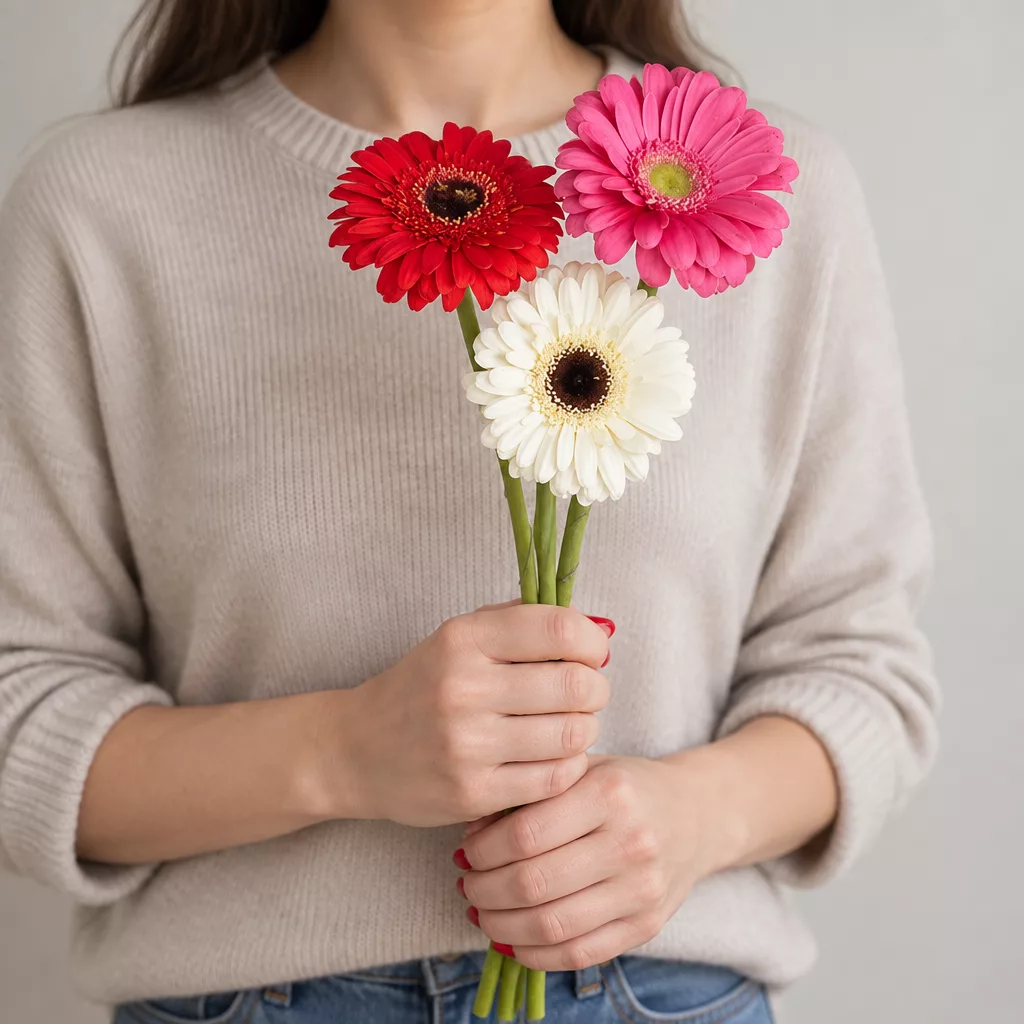

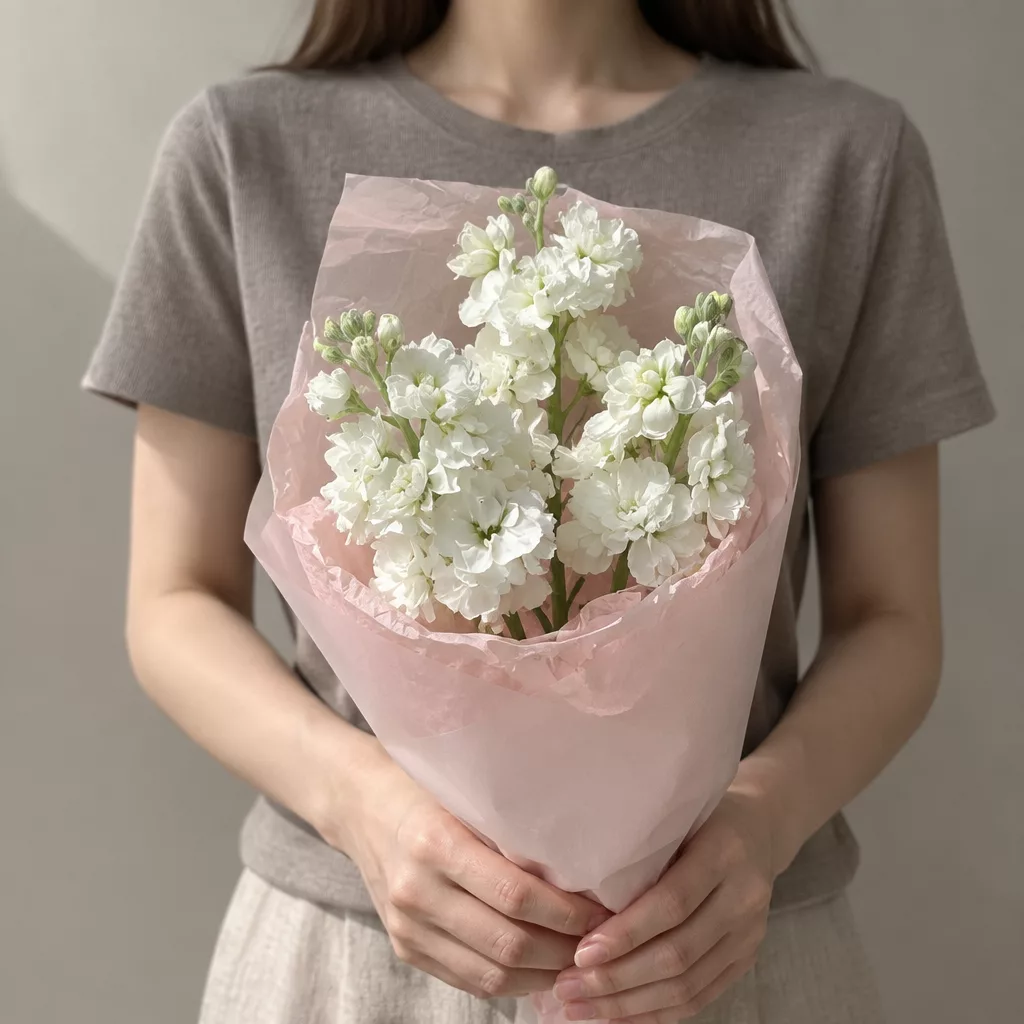
When to Find Ranunculus in Russia and What Affects Supply
Ranunculus has a defined season in Russia, and understanding it helps you plan a gift rather than be disappointed. The peak availability runs from late February through May. This timing is not accidental — ranunculus is a cool-season crop that develops best when nights are cold and days are mild. Dutch growers and Italian producers who supply the Russian market harvest through late spring, and by June the quality drops noticeably as heat causes blooms to open too fast before they leave the greenhouse.
In practical terms, this means ranunculus is at its best exactly when Russians most want beautiful flowers: around February 14th, March 8th — which is International Women's Day and one of the most significant flower-giving occasions in Russia — and the general spring gifting season that follows. If you are sending flowers for Women's Day, ordering ranunculus makes particular sense because supply is strong and the flower carries a spring feeling that matches the occasion perfectly.
Outside the main season, some ranunculus does appear in shops from October through December, grown under controlled greenhouse conditions. The colors tend to be slightly less saturated and the vase life a day or two shorter, so autumn and winter purchases require a little more care in selecting the freshest stems. From June through September, it is generally better to choose a different flower rather than accept lower-quality ranunculus — a good florist will tell you this honestly rather than sell you something that will disappoint the recipient.
Choosing Ranunculus for the Person and the Moment
Ranunculus works beautifully when the gift needs to feel considered rather than conventional. A single-color bouquet in soft coral or pale blush says something thoughtful and personal. A mixed arrangement combining white and deep burgundy ranunculus reads as sophisticated and romantic without being heavy. When you are choosing for a woman who appreciates aesthetics — a designer, a photographer, someone who follows interior trends — ranunculus in neutral tones with a few stems of eucalyptus is almost always right.
For a new relationship, ranunculus is excellent precisely because it does not carry the weight of red roses. It says affection and attention without making a declaration that might feel premature. For an established relationship or an anniversary, combining ranunculus with garden roses or peonies (when in season) creates a bouquet that feels genuinely luxurious. The layered textures complement each other in a way that a single-flower arrangement cannot achieve.
For a friend's birthday or a thank-you gift, a loose, garden-style arrangement mixing ranunculus with anemones and small-headed spray roses strikes the right balance between celebratory and personal. The key is avoiding arrangements that are too tight and formal — ranunculus looks best when the stems have a little movement and the blooms are not pressed against each other. Ask your florist to leave some space between the heads so the layered petals can be seen fully. This is one detail that makes the difference between a good bouquet and a memorable one.
Budgeting for Ranunculus: What the Mid-Range Means in Practice
Ranunculus sits comfortably in the middle of the flower price range in Russia — above tulips and chrysanthemums, below peonies and garden roses at their seasonal peak. This positioning makes it genuinely useful: you can build a bouquet that looks and feels expensive without reaching the top of your budget, or you can use ranunculus as the main flower in a more modest arrangement and have it carry the whole composition.
The cost per stem rises during peak demand periods, particularly in the week before March 8th when demand across Russia surges dramatically. If you are planning a gift for Women's Day, ordering two or three days early is practical advice — not just for price reasons, but because the freshest stems arrive earlier in the week before the holiday, and florists have more time to build something considered rather than rushing through high volume.
A bouquet built around fifteen to twenty ranunculus stems, with some greenery and perhaps a few complementary flowers, represents what most people would consider a meaningful mid-range gift. Fewer stems arranged loosely can look equally generous if the presentation is right. The wrapping material matters here: ranunculus in craft paper with a simple ribbon reads as artisanal and intentional, while the same flowers in a tight cellophane cone look like an afterthought. The flower deserves packaging that matches its character — relaxed, layered, a little romantic.
Vase Life and Care: Ten Days Is Achievable With Simple Steps
Ten days is a realistic vase life for ranunculus when a few basic conditions are met. The most important is water temperature. Ranunculus prefers cool water — not ice cold, but noticeably cooler than room temperature. In a warm apartment during the central heating season, which in Saint Petersburg runs well into April, this means changing the water every two days rather than every three or four. Stale, warm water shortens vase life faster than almost any other factor.
When the bouquet arrives, trim the stems at a diagonal cut before placing them in the vase. Remove any leaves that sit below the waterline — submerged foliage rots quickly and clouds the water, which introduces bacteria that damage the stems. The vase itself should be clean; a quick rinse with a little white vinegar removes residue that harbors bacteria from previous arrangements.
Keep ranunculus away from direct sunlight and heat sources. A windowsill that gets afternoon sun will cause the blooms to open fully within two days and fade by day five. A spot with bright indirect light extends the display significantly. One common mistake is placing flowers near a fruit bowl — ripening fruit releases ethylene gas, which accelerates petal drop in many flowers including ranunculus. Moving the vase to a cooler room overnight, even just into a hallway, can add a day or two to the display. These are small habits, but they make a real difference when you want the recipient to enjoy the gift for as long as possible.
Ranunculus and Russian Gifting Culture: What to Know
Flower giving in Russia is more frequent and more formal than in many Western countries, and understanding this context helps you choose well. Russians give flowers for a wide range of occasions — birthdays, professional achievements, first meetings, apologies, and expressions of gratitude — not only for romantic occasions. This means your bouquet needs to communicate the right register for the situation.
Ranunculus is considered a romantic and feminine flower in Russian aesthetic culture, which makes it ideal for gifts to women in contexts where you want to express care and attention. It is less commonly chosen for professional congratulations, where something more structured like roses or lilies tends to be the default. If you are sending flowers to a woman you know well — a partner, a close friend, a mother — ranunculus is always appropriate and will be recognized as a considered choice.
One Russian custom worth knowing: odd numbers of flowers are for the living, even numbers are associated with mourning. This is taken seriously, and a florist who knows their craft will automatically build bouquets in odd numbers. If you are ordering a specific stem count, keep this in mind. Another subtle point is that very small bouquets can feel insufficient in Russian gifting culture, where generosity is expressed partly through visual abundance. A ranunculus arrangement that looks full and lush, even if it contains a modest number of stems, is always received better than a sparse one. Presentation, as always, does much of the work.
Pairing Ranunculus With Other Flowers: Combinations That Work
Ranunculus is one of the most versatile flowers for mixed arrangements because its layered, rounded shape contrasts well with almost every other form. The combinations that work best share one principle: pair ranunculus with flowers that have a different silhouette, not a similar one. Placing ranunculus next to peonies, for example, creates competition between two similarly full flowers — the result can look heavy. Pairing ranunculus with something linear or airy gives each flower room to be seen.
Eucalyptus is the most reliable companion. The silver-green leaves create a backdrop that makes pastel ranunculus glow, and the scent is subtle enough not to compete with the flowers. Anemones — which share the same spring season — work beautifully alongside ranunculus, particularly when you mix white anemones with their dark centers against blush or coral ranunculus. The contrast is striking without being loud.
For a more textural arrangement, small-headed spray roses add movement without overwhelming the ranunculus. Muscari, the small blue grape hyacinth available in early spring, adds a color note that is difficult to achieve with any other flower and creates a wildflower feeling that suits loose, garden-style arrangements. Avoid combining ranunculus with large tropical flowers like anthuriums or birds of paradise — the scale difference is too dramatic and the seasonal mismatch reads as confused. The best ranunculus arrangements feel like they could have been gathered from a spring garden, even when they are carefully constructed. That effortless quality is exactly what makes them so appealing to receive.
Ranunculus is one of those flowers that rewards the person who chooses it with knowledge rather than habit. It looks delicate, which makes the recipient feel genuinely cared for. It lasts, which means the feeling stays. It is available at exactly the right time of year in Russia — through the long stretch of spring occasions when good flowers matter most. Whether you are sending something romantic, something celebratory, or something that simply says you were thinking of someone, ranunculus carries that message with a quiet elegance that very few flowers can match. We deliver bouquets across Russia in 1–2 hours.
Frequently asked questions
Is ranunculus available in Russia year-round?
Peak season runs from late February through May, when quality and color range are at their best. Some greenhouse-grown ranunculus appears in autumn and winter, but vase life is slightly shorter outside the main season. From June through September, supply becomes unreliable and it is usually better to choose a different spring-style flower rather than accept lower-quality stems.
How long will ranunculus last after delivery?
With basic care — cool water changed every two days, stems trimmed at an angle, and placement away from direct sun and fruit — ranunculus reliably lasts eight to ten days. Keeping the vase in a cooler spot overnight can extend this further. The flowers will open gradually over the first few days, which is part of what makes them so enjoyable to receive and watch.
Is ranunculus a good choice for a romantic gift in Russia?
Yes, and it is considered a thoughtful one. Ranunculus is seen as a feminine, romantic flower in Russian culture without carrying the formality of red roses. It works well for early relationships, anniversaries, and any occasion where you want the gift to feel personal and considered. Pairing it with eucalyptus or anemones in a loose arrangement adds to the romantic, garden-gathered quality.
Should I be aware of any Russian customs when ordering flowers?
The most important is the odd-number rule: bouquets for living recipients should contain an odd number of stems, as even numbers are associated with mourning. A good florist follows this automatically. Also, bouquets in Russian gifting culture tend to look full and generous — a visually abundant arrangement is always better received than a sparse one, even if the stem count is modest.
What flowers pair well with ranunculus in a bouquet?
Eucalyptus, anemones, muscari, and small-headed spray roses all work beautifully alongside ranunculus. The key is choosing flowers with a different silhouette — linear or airy shapes let the layered ranunculus heads stand out. Avoid pairing ranunculus with other large, round blooms like peonies in equal quantities, as the similar forms compete rather than complement each other.
Ready to send flowers?
Pick the city, choose the bouquet, and a local florist takes it from there.
Choose a city →