Russian Chamomile: What It Is and How to Give It
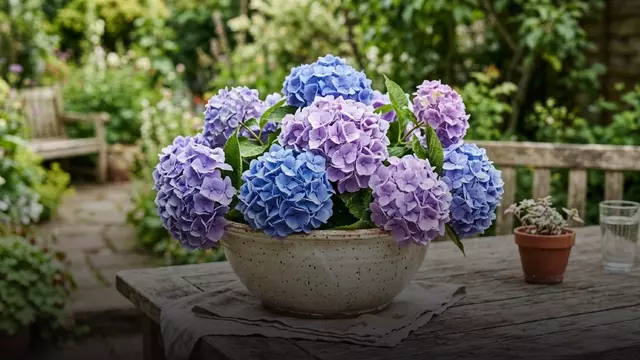
Russian chamomile usually means the familiar white-petalled, yellow-centred flower associated with Russian summer landscapes and commonly called romashka in Russian. The phrase is not a precise botanical name: it may refer to true chamomile or to similar daisy-like flowers used in bouquets. If you want flowers as a gift, a reference photo is more useful than the English name alone.
For a recipient in Russia, these flowers can suggest an informal, affectionate gesture with a countryside feel. Choosing them well involves three separate questions: which flower you actually mean, what sort of bouquet suits the person, and whether the requested stems are available for your delivery date. Here is how to make those decisions without confusing botanical names with everyday flower language.
What flower does “Russian chamomile” refer to?
True chamomile includes German chamomile, Matricaria chamomilla, an aromatic plant with small flower heads, fine divided leaves and a yellow centre that becomes more raised as it matures. Roman chamomile, Chamaemelum nobile, is a different species with a similar appearance. The word “Russian” on its own does not identify either species or establish where a plant was grown.
In everyday Russian, romashka is also used loosely for white flowers with yellow centres that look like daisies. Larger flowers sold for bouquets may be Leucanthemum, often called oxeye or Shasta daisies in English, rather than true chamomile. These flowers can create the look you want, but their stem structure, foliage and flower size differ.
Decide whether your priority is botanical identity or appearance. For a gift, describe the visible result: white petals, yellow centres, small or large flower heads, and a loose or compact arrangement. If you specifically need Matricaria, ask for confirmation of the botanical name. A bouquet photograph can show its appearance, but it cannot reliably establish species or fragrance.
Meaning in Russia: affection, summer and familiar memories
The white-and-yellow daisy is a familiar image in Russian popular culture, connected with summer fields and the petal-plucking game “loves me, loves me not”. That makes a chamomile-style bouquet an understandable choice for affection or nostalgia. It does not give every bouquet a fixed message: the recipient’s own memories matter more than a list of symbolic meanings.
The flower is also associated with Russia’s Day of Family, Love and Fidelity on 8 July. It can therefore suit a family greeting or a message to a spouse, provided the occasion means something to you both. For broader cultural context, read our guide to chamomile and other Russian flower symbols.
Make the connection personal in your card. “These reminded me of summers at the dacha” says something more specific than “a flower of happiness”. If you have no shared countryside memory, a direct line works just as well: “Thinking of you and sending a little summer colour.” Avoid assigning a romantic meaning when your relationship is friendly or professional.
Bouquets we can deliver




Choose a bouquet that suits the person and occasion
Start with the recipient’s taste. Someone who enjoys garden flowers may appreciate visible stems and an airy arrangement; someone who likes orderly bouquets may prefer a rounder outline. White petals and yellow centres already create a recognisable pattern, so elaborate wrapping is not essential to express the idea. Show a reference image if the overall shape matters to you.
In Russian gift etiquette, an odd number of flowers is customary for celebratory gifts when individual stems are clearly counted. Even numbers are traditionally associated with mourning. Branching stems make the count less obvious because one stem can carry several flower heads. If this distinction matters to your recipient, discuss the stem count instead of counting every small bloom.
A birthday, thank-you or family visit can all suit this informal flower style, but personal preferences should guide the choice. Consider the space where the bouquet will stand: a bedside table needs a different scale from a dining table. Browse the bouquets catalogue for ideas, then confirm the requested flowers and arrangement rather than assuming a particular variety is available.
Care for cut chamomile and similar daisy flowers
Put the flowers into a clean vase promptly after arrival. Remove any wrapping that prevents the stems from sitting freely in water, and take off leaves that would otherwise be submerged. Recut the stem ends with a clean, sharp tool before placing them in fresh water. Crushed ends and foliage left underwater make it harder to keep the vase clean.
Use cut-flower food according to its instructions if you have it. Check the water level daily, especially with a full bouquet, and change the water when it becomes cloudy or develops an odour; rinse the vase at the same time. Remove fading flowers and damaged foliage as you notice them. These small checks are more useful than leaving the bouquet untouched.
Keep the vase away from radiators, strong direct sunlight and ripening fruit. Vase life varies with the actual species, freshness and conditions in the room, so a single lifespan would be misleading. Treat decorative stems as flowers, not ingredients: do not make tea from a gift bouquet, because its identity and suitability for consumption have not been established.
Plan delivery around the recipient’s day
Turboflora delivers flowers across Russia. City delivery costs 500 RUB; for remote districts and suburbs, the operator confirms the delivery price when confirming the order. Give the full destination and delivery date early, particularly if an address lies beyond the central city area. That lets you agree the relevant details before treating the delivery plan as settled.
In large cities, express delivery takes 1–2 hours after the order is confirmed. Other options are delivery at an exact time with a tolerance of plus or minus 30 minutes, or in the windows 09–12, 12–15, 15–18 and 18–21. You can also preorder 1–30 days ahead. When ordering from abroad, state the intended time in the recipient’s city explicitly.
Choose a window when the recipient is likely to be available rather than relying on a silent doorstep surprise. The courier calls about 15 minutes before arrival. If the recipient is absent, we agree a second delivery that day or, with the sender’s consent, hand the flowers to a neighbour or concierge. See delivery and payment details when planning your order.
How to order Russian chamomile flowers from abroad
Begin with the delivery city, date and the flower appearance you want. Explain whether you mean true chamomile or a bouquet of larger white-and-yellow daisies, and share a reference photo if you have one. Confirm the actual flowers before proceeding; a search phrase or catalogue title alone cannot resolve every naming ambiguity. Include any important size or stem-count preference.
Contact a manager on WhatsApp for help choosing the bouquet and agreeing the address, time and card text. You can also discuss a photo of the bouquet before delivery. A card with your text is free. Delivery is anonymous by default, meaning the courier does not name the sender; put your name in the card if you want the recipient to know who sent it.
Online checkout uses CloudPayments. Check the payment options displayed at checkout rather than assuming that every card issued abroad will be accepted. Before completing your order, review the recipient’s contact details, the destination, the agreed timing and the card wording. A short, accurate message and a clear flower description give your gift a more personal result than an ambiguous request.
Frequently asked questions
Is Russian chamomile a separate botanical species?
The phrase does not identify one botanical species. It can mean true chamomile or similar white-and-yellow daisy flowers, so ask for a botanical name when exact identification matters.
Is romashka the same as a daisy?
Romashka is the Russian word for chamomile, but everyday usage can include similar-looking daisies. For a bouquet, confirm the flower size and appearance with a reference image.
Can I use flowers from a chamomile bouquet for tea?
Do not use decorative bouquet flowers for tea. Use chamomile specifically sold for food use, because a gift bouquet does not establish either edible identity or suitability for consumption.
Can I send a chamomile-style bouquet anonymously in Russia?
Delivery is anonymous by default: the courier does not name the sender. A card with your text is free, so check whether its wording should include or omit your name.
Can I pay for delivery to Russia with a foreign card?
Online checkout uses CloudPayments, and acceptance of every foreign-issued card is not guaranteed. Check the payment options shown at checkout before relying on a particular card.
Ready to send flowers?
Pick the city, choose the bouquet, and a local florist takes it from there.
Choose a city →