Russian Wedding Flowers: What the Bride Expects on Her Day
A Russian wedding is one of the most flower-saturated celebrations you will ever witness. From the moment the groom arrives at the bride's door to the final toast at midnight, flowers are present at every stage — and the bridal bouquet sits at the very centre of it all. If you are a guest, a relative living abroad, or simply someone who wants to send the right thing at the right moment, understanding what a Russian bride expects from her flowers will help you get it exactly right.
Why the Bridal Bouquet Carries So Much Weight in Russia
In Russian wedding culture, the bridal bouquet is not just a decorative accessory — it is a symbol of the bride's transition into a new life, and guests read it carefully. A well-composed bouquet signals that the family has invested thought and care into the day. A sparse or wilted one, even if unintentional, is noticed and remembered.
The tradition of the bouquet toss, borrowed partly from Western customs and partly from older Slavic rituals, remains popular at modern Russian weddings, which means the bouquet must be sturdy enough to survive an evening of dancing and a dramatic throw. Florists who work on Russian weddings know to wire certain stems and reinforce the handle so nothing falls apart mid-celebration.
Beyond the toss, many Russian brides keep their bouquet pressed or preserved as a keepsake. This means flower choice matters: roses, peonies, and ranunculus press well, while hydrangea and tropical varieties do not hold their shape as reliably. A working florist will always ask whether the bride plans to preserve the bouquet before finalising the selection, because that single question changes which flowers go into the arrangement and how the stems are treated at the base.
The emotional weight of the bouquet also means that last-minute substitutions — swapping white roses for cream ones, for example — can cause genuine upset. Ordering from a florist who sources specific varieties rather than working with whatever arrived at the wholesale market that morning is the practical way to avoid that situation entirely.
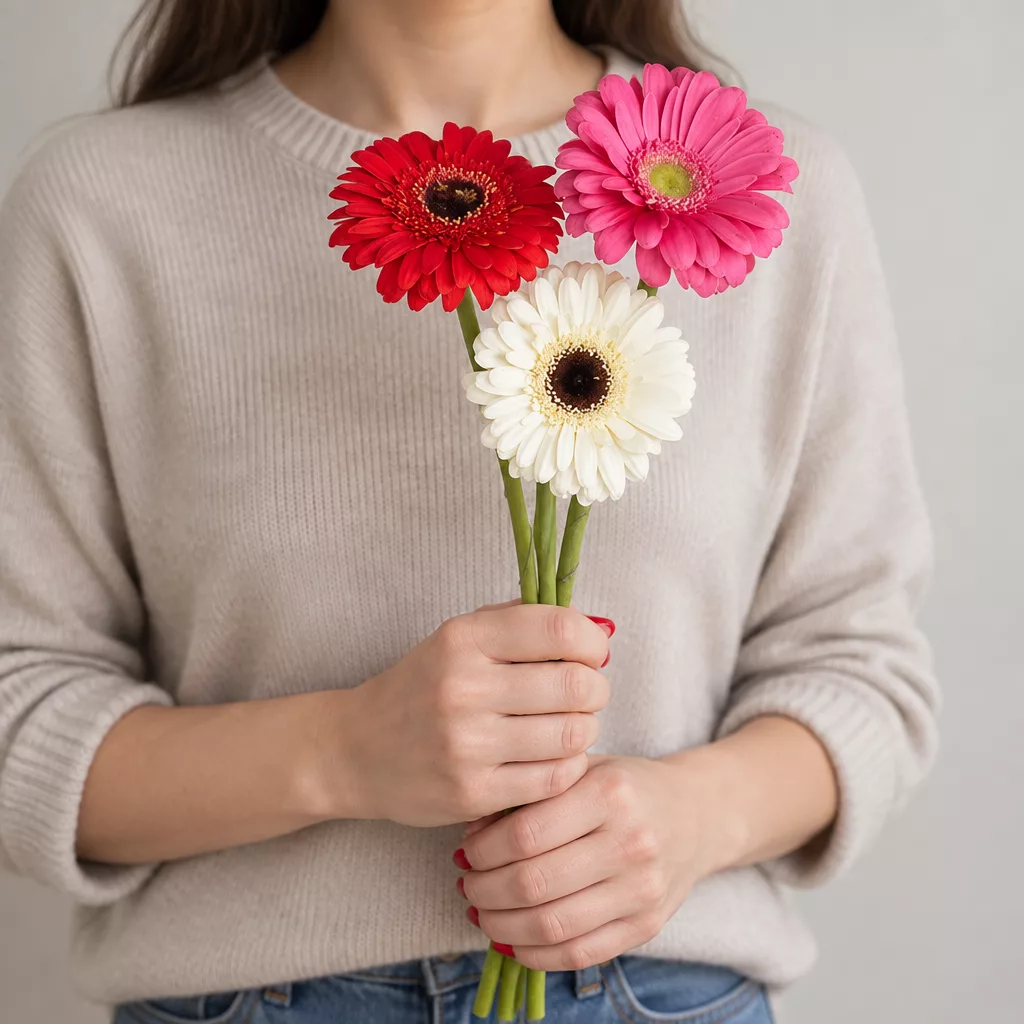
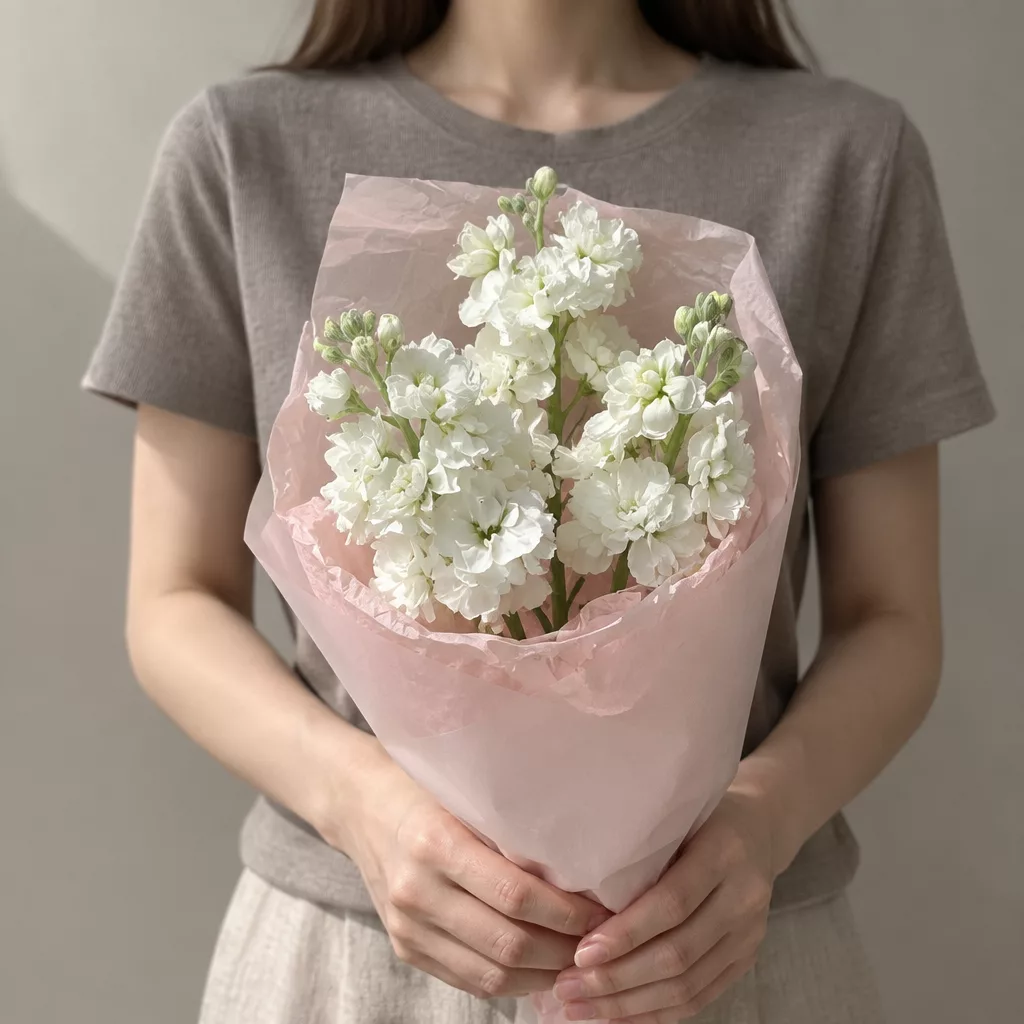
Bouquets we can deliver


Seasonal Flowers Russian Brides Actually Choose
Russian brides tend to follow seasonal availability more closely than brides in warmer climates, partly because the country's climate makes certain flowers genuinely difficult to source fresh in winter, and partly because a florist who works with the season produces visibly better results.
In spring, from late April through June, peonies dominate. The Sarah Bernhardt peony — a classic soft pink variety — appears in more Russian bridal bouquets than almost any other flower. Garden roses such as David Austin's Juliet and Keira varieties are also strongly associated with spring and early summer weddings. Ranunculus in white and blush tones fill the gaps between larger blooms beautifully.
Summer weddings, which are the most common in Russia given the short warm season, open up the full palette. Lisianthus, also called eustoma, is a particular favourite because it resembles a rose but lasts significantly longer in warm reception rooms. White and ivory lisianthus combined with eucalyptus and garden roses creates the clean, romantic aesthetic that dominates Russian wedding photography right now.
Autumn brings dahlias — Cafe au Lait is the variety you will see most often, a warm caramel tone that photographs beautifully against traditional Russian church architecture. Chrysanthemums, which carry no negative associations in Russian wedding culture despite being linked to mourning in some other countries, appear in autumn and early winter arrangements.
Winter bouquets rely on roses sourced from Ecuador and Kenya, amaryllis, and white tulips. A skilled florist adds texture with cotton stems, silver brunia, or dried pampas to compensate for the reduced fresh variety available in January and February.
The Colour Expectations Every Guest Should Understand
White and ivory remain the dominant colours for Russian bridal bouquets, but the shade matters more than most people outside the industry realise. Pure white reads as stark and cold in photographs, particularly in the bright flash conditions of a Russian wedding hall. Most experienced brides and their florists move toward warm whites — creamy ivory, the faintest blush — because these tones glow rather than bleach out under artificial light.
Blush pink has grown steadily in popularity over the past decade and is now arguably the most requested colour direction for modern Russian weddings. It reads as romantic without being overtly bold, and it photographs well against both white wedding dresses and the colourful traditional outfits that sometimes appear at the second day of a Russian wedding celebration.
Red flowers, and particularly red roses, carry a specific meaning in Russian culture: they are associated with passion and romantic love, which makes them appropriate for the groom's gift to the bride rather than for the bridal bouquet itself. A guest who sends red roses as a congratulatory gesture is making a slightly different statement than one who sends white or pink, and it is worth knowing that distinction.
Yellow flowers have historically carried an association with separation in Russian folk tradition, and while younger couples are far less superstitious about this than older generations, it is still wise to avoid a purely yellow arrangement as a gift to the newlyweds. A mixed arrangement where yellow appears alongside white and green reads as cheerful and modern rather than ominous, and most florists will compose it that way automatically when the context is a wedding.
Bouquet Shapes That Suit Russian Wedding Venues
Russian wedding venues vary enormously — from intimate civil registry offices called ZAGSy, which are often compact rooms with ornate Soviet-era architecture, to large banquet halls, to outdoor celebrations in country estates. The bouquet shape should suit the venue and the dress, and a florist who asks about both is doing their job properly.
The round cascading bouquet, sometimes called a waterfall bouquet, was the signature shape of Russian weddings through the 1990s and early 2000s. It is still requested, particularly for traditional church ceremonies, where the formality of the shape feels appropriate. However, it requires more structural support and is heavier to carry through a long day.
The loose garden-style bouquet — an asymmetric, slightly undone arrangement that looks as though it was gathered from a summer garden — has become the most popular shape for contemporary Russian weddings. It suits outdoor venues and the relaxed, editorial aesthetic that modern Russian couples see in wedding photography from Europe. Florists build this shape around a focal flower such as a large garden rose or a dinner-plate dahlia, then layer in secondary flowers and trailing greenery like eucalyptus or jasmine vine.
For registry office weddings, which are often quick and followed by a restaurant celebration, brides frequently choose a smaller, tighter posy that is easy to carry and does not overwhelm a more minimal dress. A posy of white ranunculus with dusty miller leaves, for example, is elegant without being theatrical. The key is proportion: the bouquet should reach from the bride's hands to roughly her waist when held naturally, regardless of the style chosen.
Sending Congratulations from Abroad: What Actually Works
If you are a relative or close friend living outside Russia and you want to send flowers to a bride on her wedding day, the logistics are simpler than you might expect — but the timing requires attention. Russian weddings typically begin in the morning with the civil ceremony and move into an evening reception, so a delivery aimed at the reception venue between four and six in the afternoon is usually the safest window.
The most important practical step is to confirm the delivery address clearly. Russian addresses follow a specific format — city, street, building number, apartment or office number — and a single missing detail can delay a delivery significantly. If the reception is at a hotel or banquet hall, the name of the venue and the event coordinator's contact number are both worth including in the order notes.
For guests sending from outside Russia, a congratulatory arrangement rather than a second bridal bouquet is the more appropriate choice. A tall vase arrangement of white roses and eucalyptus placed on the gift table makes a visible and generous statement without competing with the bride's own flowers. Alternatively, a smaller arrangement sent to the bride's home the morning of the wedding, before she leaves to dress, is a deeply personal gesture that many brides remember more vividly than the evening gifts.
Temperature is a real consideration in Russia. In summer, flowers delivered to a venue without climate control can wilt within two hours. In winter, flowers exposed to temperatures below zero even briefly suffer petal damage that no amount of water will reverse. A florist who delivers directly, rather than through an intermediary, controls the cold chain from the moment the arrangement is complete to the moment it is handed over.
How Long Wedding Flowers Last — and How to Help Them
A Russian wedding reception typically runs for eight to ten hours, and the flowers need to look presentable from the first toast to the last dance. This is not guaranteed without the right preparation, and it is one of the most common points where budget decisions have visible consequences.
Roses and lisianthus are among the most resilient choices for long events. A well-conditioned rose — meaning it has been properly hydrated for at least twelve hours before the event and had its lower leaves removed — will hold its shape through a full evening even in a warm reception hall. Lisianthus is even more forgiving of heat, which is why florists working on summer weddings in Russia lean toward it heavily.
Peonies, despite being the most requested flower for Russian spring weddings, are the most challenging for long events. They open quickly in warmth and can go from tightly budded to fully blown in four hours at room temperature. A florist who knows this will deliver peony bouquets in a slightly more closed state than looks ideal at noon, knowing they will be perfect by the time the ceremony photographs are taken and fully open by the evening reception.
For the bridal bouquet specifically, keeping it in water whenever the bride sets it down — during the meal, during speeches — extends its appearance significantly. Most florists who work on weddings will include a small water vial at the base of the stems, concealed within the handle wrapping, precisely for this reason. Guests who receive a table arrangement can ask venue staff to top up the water in the vase once during the evening, which makes a genuine difference to how the flowers look in the final photographs.
Choosing a Congratulatory Gift That Complements the Day
If you are not the one organising the bridal bouquet but you want your flowers to feel connected to the celebration rather than separate from it, the easiest approach is to ask what colour palette the wedding is using. Most Russian brides have a clear colour scheme — blush and white, burgundy and gold, green and ivory — and a congratulatory arrangement that echoes even one of those tones immediately feels intentional rather than generic.
For guests who cannot find out the colour scheme in advance, white is always the right choice. A generous arrangement of white flowers reads as celebratory, elegant, and respectful of whatever the bride has planned. White hydrangea, white spray roses, and white lisianthus together create a full, lush arrangement that photographs beautifully without requiring any coordination with the wedding florist.
If you want to go beyond flowers, a potted plant — particularly an orchid in a decorative ceramic pot — is a popular gift in Russian culture and will outlast the wedding weekend by months. Phalaenopsis orchids in white or soft pink are the most commonly chosen variety because they are robust enough to survive delivery and require minimal care from a couple who will be travelling for their honeymoon.
Timing the delivery thoughtfully is the final element. Flowers sent to the bride's home on the morning of the wedding carry the most emotional impact. Flowers sent to the reception venue during the celebration are visible to all the guests and feel celebratory. Flowers sent the day after the wedding, when the couple returns home and the celebration is over, are a quieter and more personal gesture — one that many brides say they appreciate more than they expected, precisely because the day itself is already behind them and the flowers feel like an extension of the joy rather than part of the performance.
A Russian wedding is built around moments of genuine feeling, and flowers are how many of those moments are marked. Whether you are choosing the bridal bouquet, sending congratulations from another country, or simply trying to understand what you will see when you attend a Russian wedding for the first time, the underlying principle is the same: the flowers should feel considered, not convenient. The variety, the colour, the timing, and the condition of the blooms all carry meaning to the people receiving them, and getting those details right is what separates a gift that is remembered from one that is forgotten before the dancing begins. We deliver bouquets across Russia in 1–2 hours.
Frequently asked questions
What is the most popular bridal bouquet flower in Russia right now?
Garden roses and peonies lead for spring and summer weddings, with the Sarah Bernhardt peony and David Austin varieties like Juliet being the most requested by name. For autumn and winter weddings, lisianthus and Cafe au Lait dahlias take over because they handle indoor warmth better and last through a long reception evening without wilting.
Is it appropriate to send red roses to a Russian bride as congratulations?
Red roses are strongly associated with romantic love in Russian culture, making them more suitable as a gift from the groom than from a guest. For congratulatory arrangements, white, ivory, or blush pink flowers read as celebratory and respectful. If you want warmth and colour, a mixed arrangement with red as a secondary tone rather than the main statement works well.
How far in advance should I order wedding flowers for delivery in Russia?
For a congratulatory arrangement delivered on the wedding day, ordering at least the day before gives the florist time to source specific varieties. For the bridal bouquet itself, two to three weeks ahead is standard for spring and summer weddings when peonies and garden roses are in high demand. Last-minute orders can be fulfilled but carry a higher risk of variety substitution.
Can flowers survive delivery in Russian winter temperatures?
Yes, but only when the florist controls the delivery directly. Flowers exposed to temperatures below zero Celsius for even a few minutes suffer irreversible petal damage that looks like bruising or translucent patches. A florist using insulated packaging and a heated vehicle can deliver safely even at minus twenty, which is why direct delivery without intermediaries matters significantly in Russian winter conditions.
What should I send if I cannot find out the wedding colour scheme?
White is always the safest and most elegant choice for a Russian wedding gift. A full arrangement of white roses, white lisianthus, and eucalyptus complements any colour palette the couple has chosen without clashing. If you want a personal touch, adding a single stem of the bride's known favourite flower in a contrasting colour makes the arrangement feel specific rather than generic.
Ready to send flowers?
Pick the city, choose the bouquet, and a local florist takes it from there.
Choose a city →