Sending Flowers for a Russian Child's First Birthday
A child's first birthday in Russia is a bigger event than many outsiders expect. It marks a full year of survival, growth, and family joy — and the celebration often feels closer to a small wedding than a quiet afternoon tea. If you are sending flowers from abroad or from another city, knowing a few local customs will help you choose something that lands beautifully rather than awkwardly.
What the First Birthday Means in Russian Family Culture
In Russia, the first year of a child's life is treated with a particular mix of tenderness and superstition. Historically, families were cautious about celebrating too openly before the child had safely passed that first milestone. Today that caution has softened into something warmer: the first birthday is now a full family gathering, often with grandparents, aunts, uncles, and close friends all present. It is treated as the child's formal introduction to the wider family circle.
The party typically happens at home or in a rented hall, and it centers on the parents as much as the child. The baby will not remember the day, but the mother and father will remember it for the rest of their lives. Guests bring gifts for the child, but they also bring flowers and small tokens for the parents, particularly the mother, who has carried the weight of the first year.
Understanding this dual focus — honoring both the child and the parents — is the key to choosing the right flowers. A bouquet that speaks to the mother's taste and the warmth of the occasion will always be more welcome than something chosen purely for its baby-themed decoration. The celebration is joyful, slightly sentimental, and deeply family-oriented, and your flowers should reflect all three of those qualities.
Bouquets we can deliver

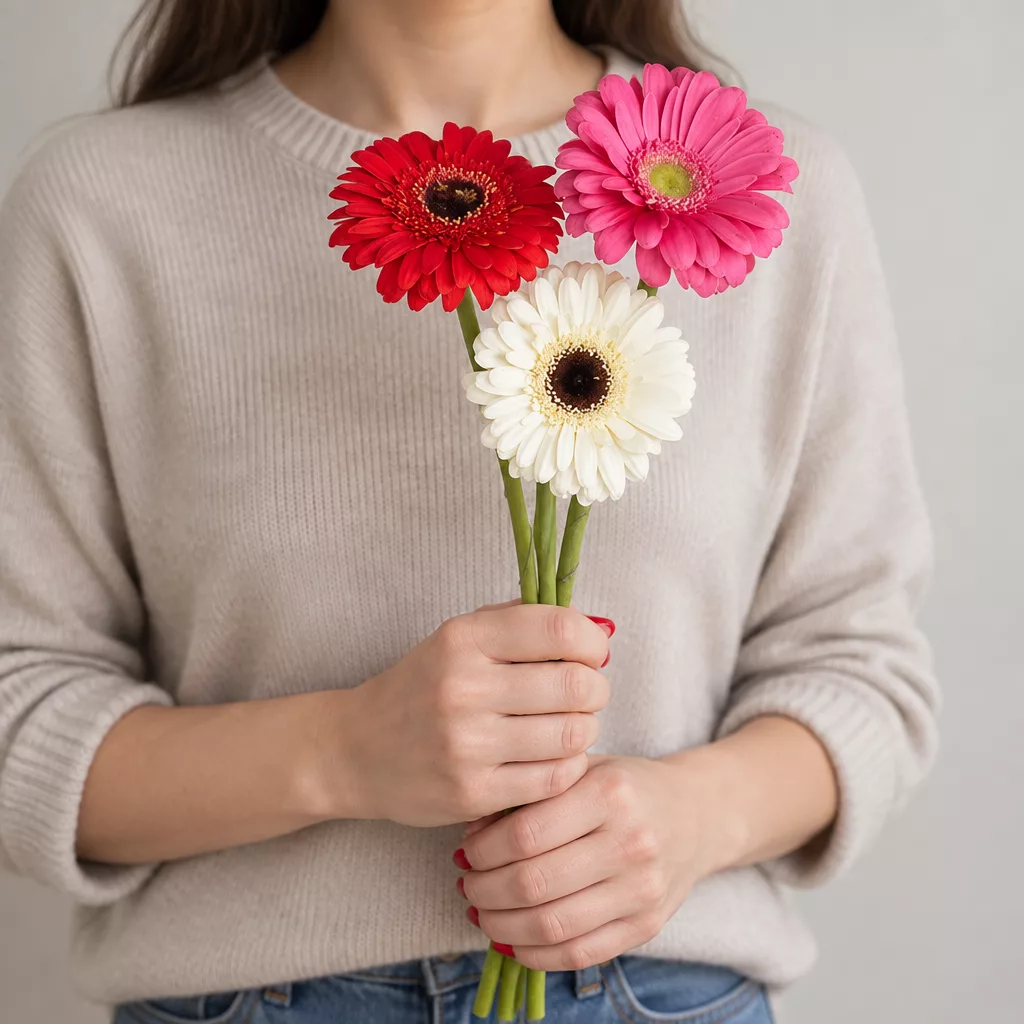

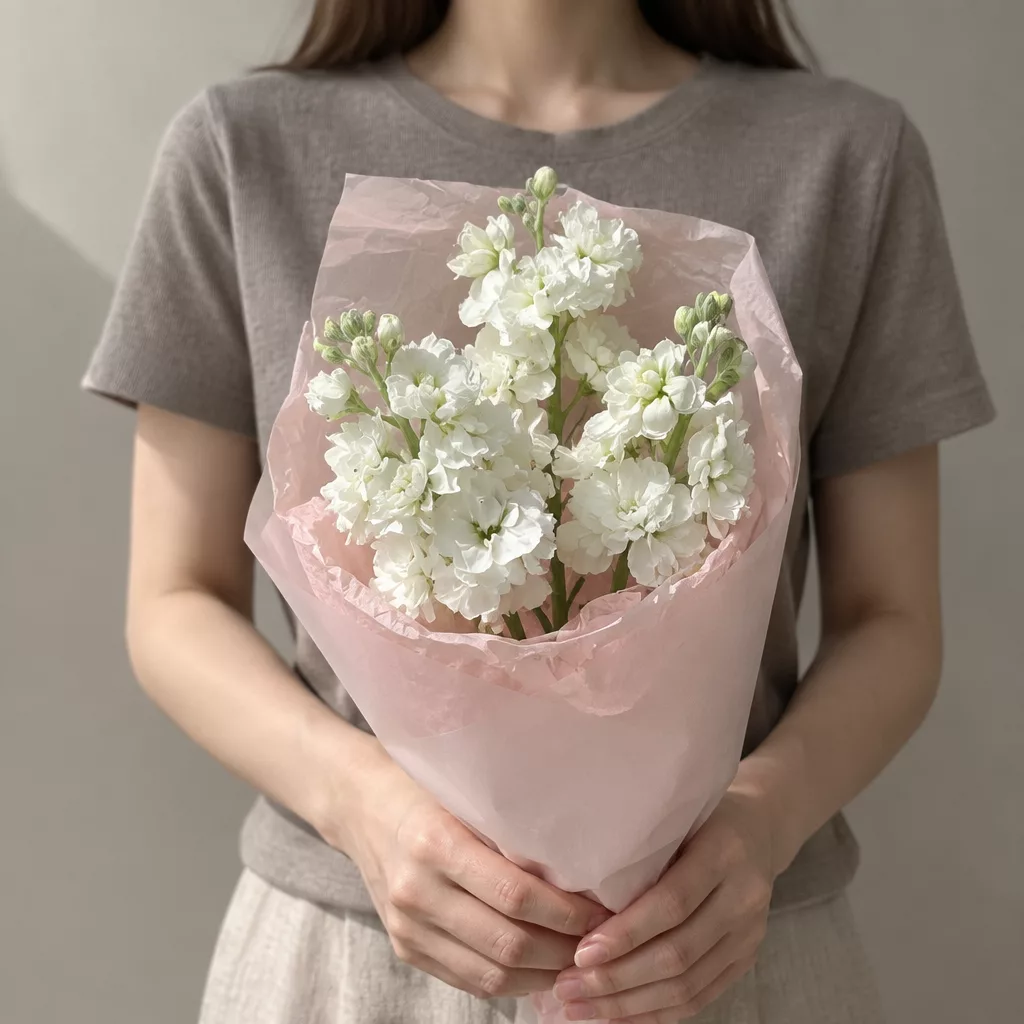
Who Actually Receives Flowers at a First Birthday Party
This surprises many people sending gifts from outside Russia: the flowers almost never go to the child. A one-year-old cannot appreciate a bouquet, and placing flowers near an infant raises practical concerns about pollen, fragrance, and delicate respiratory systems. Russian parents are generally aware of this, and they would feel slightly awkward receiving a large floral arrangement labeled for the baby.
The mother is the primary recipient of flowers at a first birthday celebration. She has spent a year nursing, sleeping in fragments, and organizing everything around another person's needs. A beautiful bouquet addressed to her — not to the baby, not to the family generically — is read as a gesture of genuine recognition. It tells her that she is seen as a person, not just a parent.
The father is sometimes given flowers too, particularly if you know him well, though this is less standard. Grandmothers, especially the maternal grandmother who may have been heavily involved in childcare, are also appropriate recipients if you are close to them. When in doubt, address the arrangement to the mother and write a card that mentions the whole family. That covers the occasion gracefully without overcomplicating the gesture.
One practical note: if you are sending to a venue rather than a home address, confirm delivery timing carefully. Flowers that arrive two hours after the party has ended lose most of their emotional impact, no matter how beautiful they are.
Choosing Flowers That Suit the Occasion Without the Clichés
The temptation when sending flowers for a baby's birthday is to reach for pastel pink or blue arrangements built around the child's gender. Russian mothers often find this approach a little flat. A first birthday is a celebration of a woman's achievement as much as a child's milestone, and the flowers should feel accordingly grown-up and considered.
Soft, romantic varieties work extremely well. Garden roses in cream, blush, or warm peach read as generous without being overwhelming. Ranunculus, with their layered petals and gentle color range, are a favorite in Russian floristry for exactly this kind of occasion. Lisianthus adds elegance and holds well during delivery, which matters when flowers are traveling across a city or arriving from another region.
For spring and early summer birthdays, peonies are an obvious and always-appreciated choice. They are beloved in Russia and carry a sense of abundance and celebration. For autumn birthdays, dahlias in warm tones — terracotta, dusty rose, deep peach — give the same feeling of generosity without forcing a seasonal mismatch.
Avoid strongly scented varieties like lilies if the baby is still very young, as intense fragrance in an enclosed space can be irritating. Skip anything with small loose berries or decorative elements that could become a hazard near a crawling child. The safest and most beautiful arrangements are those that are lush in form but clean in composition — full petals, soft colors, no sharp accents.
Thinking About Budget: Small, Medium, and Generous Arrangements
The size of your arrangement should reflect your relationship to the family. A colleague or a distant acquaintance does not need to send the same scale of flowers as a close friend or a grandparent. Getting this calibration right is part of what makes a gift feel thoughtful rather than performative.
A smaller arrangement — a compact hand-tied bouquet of garden roses or spray roses with some foliage — is entirely appropriate for a colleague or a neighbor. It says congratulations sincerely without overpowering the occasion. The key is that even a modest bouquet should be assembled with care: a tight, well-proportioned arrangement of five or seven stems always looks more intentional than a loose handful of mixed flowers.
For closer friends or family members, a medium arrangement with a mix of focal flowers and supporting blooms gives the mother something genuinely beautiful to display. Combining roses with ranunculus, or peonies with sweet peas and eucalyptus, creates the kind of arrangement that gets photographed and remembered. This tier is where composition matters most — ask for something that works as a whole rather than a collection of individual stems.
A generous arrangement for grandparents or very close friends might include a larger format, perhaps a structured design in a ceramic vessel that the family can keep. Choosing a vase that stays in the home long after the flowers have faded is a practical kindness. It also signals that you thought beyond the day itself, which is always noticed.
Sending Flowers from Abroad: Timing, Temperature, and Logistics
Ordering flowers for delivery in Russia from another country requires a little more planning than a local order, but it is entirely manageable if you allow enough lead time and communicate clearly about the delivery window.
The first thing to settle is the delivery address and access. Russian residential buildings often have entry codes, intercoms, or concierge systems. If the party is at a private apartment, make sure the person placing the order provides the building entrance code and a working phone number for the recipient. Flowers left outside in summer heat or winter cold even for thirty minutes can arrive in noticeably worse condition.
Temperature is a real factor in Russia. In winter, Saint Petersburg and most Russian cities drop well below freezing, and cut flowers need to be wrapped and transported quickly to avoid cold damage. In high summer, the opposite problem applies — roses and ranunculus wilt fast in heat above twenty-five degrees Celsius. A reputable flower service accounts for both extremes, but it helps to schedule delivery for the morning or early afternoon rather than the hottest or coldest part of the day.
For a first birthday party that starts at midday, aim for a delivery window between ten and eleven in the morning. This gives the family time to arrange the flowers before guests arrive, and it means the recipient sees them at their freshest. If you are uncertain about the exact party time, ask the family directly — most people are happy to share the schedule when they know a gift is coming.
Writing the Card: What to Say and What to Avoid
The card that accompanies flowers to a first birthday celebration deserves as much thought as the flowers themselves. A generic message reads as an afterthought, while a specific, warm note elevates the entire gift.
Address the mother by name. Begin with her, not with the baby. Something like: 'Dear Masha, this year has been extraordinary — watching you become a mother has been a joy. Happy birthday to little Sasha, and all the love in the world to you.' This structure honors both people without making the mother feel invisible in her own child's celebration.
If you are writing in English to a Russian family, do not worry about the language difference. Most Russian families with international connections are comfortable receiving a card in English, and the personal warmth matters far more than the language. If you do want to include a Russian phrase, 'S dnyom rozhdeniya' (S dnyom rozhdeniya) means 'Happy Birthday' and is always appropriate.
Avoid superlatives about the child's future, which can feel presumptuous. Avoid religious references unless you know the family well and know their beliefs. And avoid anything that draws attention to how difficult the first year might have been — even if it was — because the birthday party is a moment of celebration, not reflection on hardship. Keep the tone warm, specific to this family, and forward-looking.
Keeping the Flowers Fresh After Delivery
A first birthday party is a busy, distracted day. The flowers will be admired when they arrive, placed somewhere, and then largely forgotten until the next morning. Giving the recipient simple care instructions — either through the card or through a note from the florist — helps the arrangement last through the celebration and beyond.
Fresh-cut flowers need a clean vase filled with cool water, and the stems should be trimmed at a diagonal angle before placing them in the water. This cut increases the surface area through which the stem draws water. Removing any leaves that sit below the waterline prevents bacterial growth, which is the most common reason flowers fade prematurely.
Ranunculus and roses are both sensitive to ethylene gas, which is produced by ripening fruit. Keeping the arrangement away from a fruit bowl or a bowl of bananas on the kitchen counter can meaningfully extend vase life. In a cool room — around eighteen to twenty degrees Celsius — a well-conditioned bouquet of roses should hold beautifully for five to seven days. Peonies, if they arrive still partly closed, will open fully over two to three days and last around five days at their peak.
For the family hosting a party, having flowers that still look good three days later is a quiet pleasure. It extends the feeling of the celebration into the ordinary week that follows, which is a gift in itself. Flowers that are properly conditioned before delivery and properly cared for at home give the family exactly that.
A Russian child's first birthday is one of those occasions where the flowers you send say something real about how well you know the family. Getting the recipient right — the mother, not the baby — and choosing an arrangement that feels grown-up and generous rather than thematically cute will always be noticed and appreciated. Add a card that speaks to her specifically, time the delivery for the morning of the party, and you have done something genuinely thoughtful across any distance. We deliver bouquets across Russia in 1–2 hours.
Frequently asked questions
Should I send flowers directly to the child or to the parents?
Always address the flowers to the mother. Russian tradition recognizes the first birthday as a milestone for the parents as much as the child. The baby will not register the bouquet, and parents genuinely appreciate being seen as individuals. Writing the card to the mother by name, with a mention of the child, is the most gracious approach.
Are there flowers I should avoid sending to a home with a one-year-old?
Yes. Avoid strongly fragrant lilies, which can irritate young respiratory systems in an enclosed room. Skip arrangements with small loose berries, decorative pins, or wire accents that could become hazards near a crawling child. Clean, petal-forward arrangements in roses, ranunculus, or peonies are both beautiful and safe for a family home.
How far in advance should I order flowers for delivery in Russia from abroad?
Place your order at least forty-eight hours before the event to allow time for confirmation, any questions about the delivery address, and scheduling the correct delivery window. For weekend parties, ordering by Thursday gives you comfortable margin. Always provide a working Russian mobile number for the recipient so the delivery can be coordinated on the day.
What is a good flower choice if I do not know the mother's personal taste?
Garden roses in cream or blush pink are universally well-received in Russia and work across all seasons. Ranunculus are a close second — they are elegant, long-lasting, and widely loved. Either variety combined with soft foliage like eucalyptus or ruscus makes a composed, generous arrangement that reads as thoughtful without requiring inside knowledge of the recipient's preferences.
Can I include a card in English when sending flowers to a Russian family?
Absolutely. Personal warmth matters far more than language. A specific, sincere message in English is always more meaningful than a generic phrase in Russian. If you want to include one Russian touch, 'S dnyom rozhdeniya' means Happy Birthday and is easy to include alongside your English message. Most Russian families with international contacts are comfortable receiving correspondence in English.
Ready to send flowers?
Pick the city, choose the bouquet, and a local florist takes it from there.
Choose a city →