Sending Flowers to a Host Family in Russia: What Is Appropriate
You have been invited into someone's home in Russia, and you want to bring something that feels genuinely thoughtful rather than accidentally awkward. Flowers are almost always the right instinct — Russians give them constantly, for dinners, name days, arrivals, and simple gratitude — but the details matter more than most visitors expect. The wrong number of stems, the wrong colour palette, or a bouquet that arrives wilted from a long journey can undercut the warmth you intended. This guide walks you through what a working florist would actually recommend: the right size, the right flowers, and the customs that will make your gift land exactly as you hope.
Why Flowers Matter So Much at a Russian Dinner Table
In Russia, arriving at someone's home empty-handed is considered genuinely impolite, not merely informal. Flowers carry a specific social weight that wine or chocolates alone do not. They say that you thought about the person before you arrived, that you took time rather than grabbing something at the last moment. This matters to a host family in a way that is hard to overstate.
Russians have been giving flowers for celebrations and visits since well before the Soviet era, and the tradition has stayed vivid. You will see men carrying single roses on the metro, grandmothers receiving armfuls of chrysanthemums on their birthdays, and guests arriving at apartments with neat paper-wrapped bouquets tucked under their arms. The gesture is not formal or stiff — it is warm and completely normal.
As a visitor or expat, bringing flowers signals that you respect local custom and that you are paying attention. Host families notice this, especially if you are staying with them for more than a day or two. A bouquet on arrival sets a tone of mutual consideration that carries through the whole visit. Even a modest, well-chosen bunch of five or seven stems communicates more than an expensive but culturally tone-deaf gift. The florist's job — and your job as the buyer — is to make sure the flowers match the moment and the people receiving them.
Bouquets we can deliver

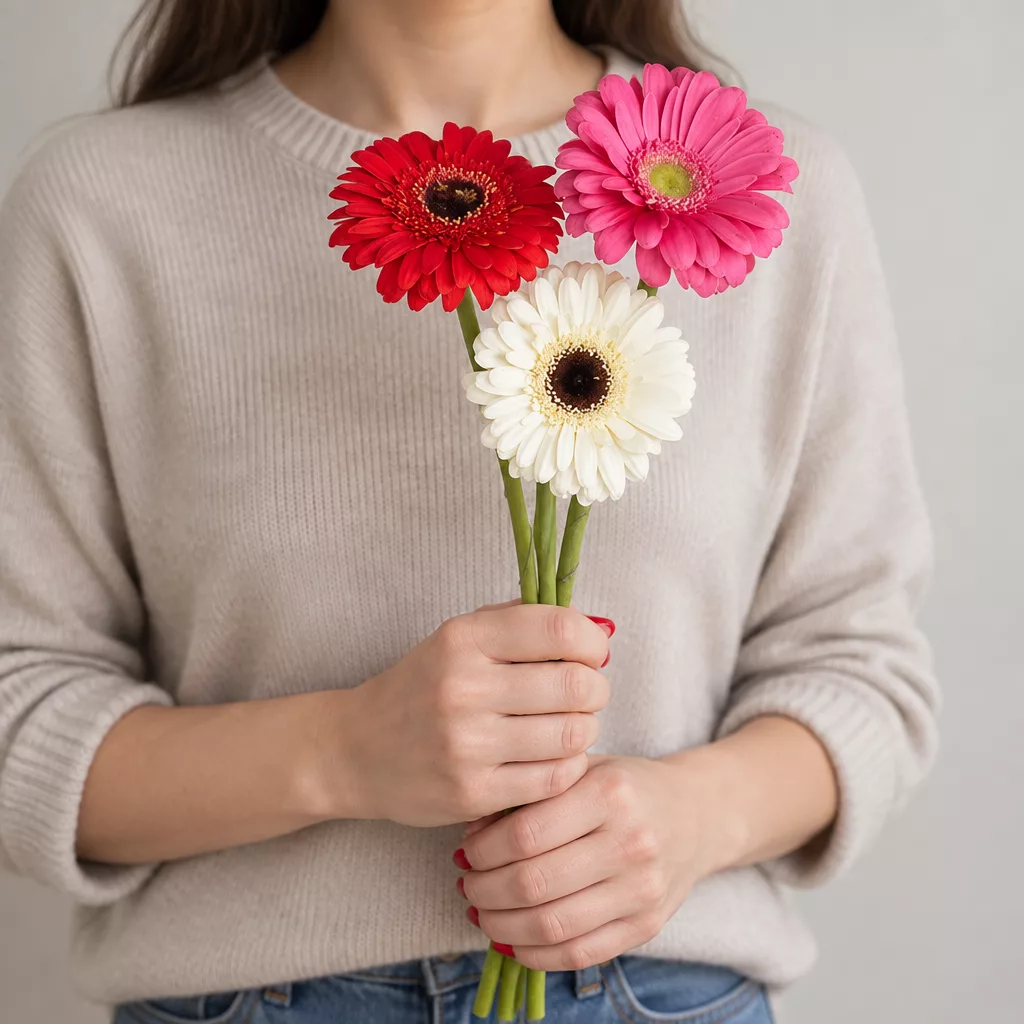
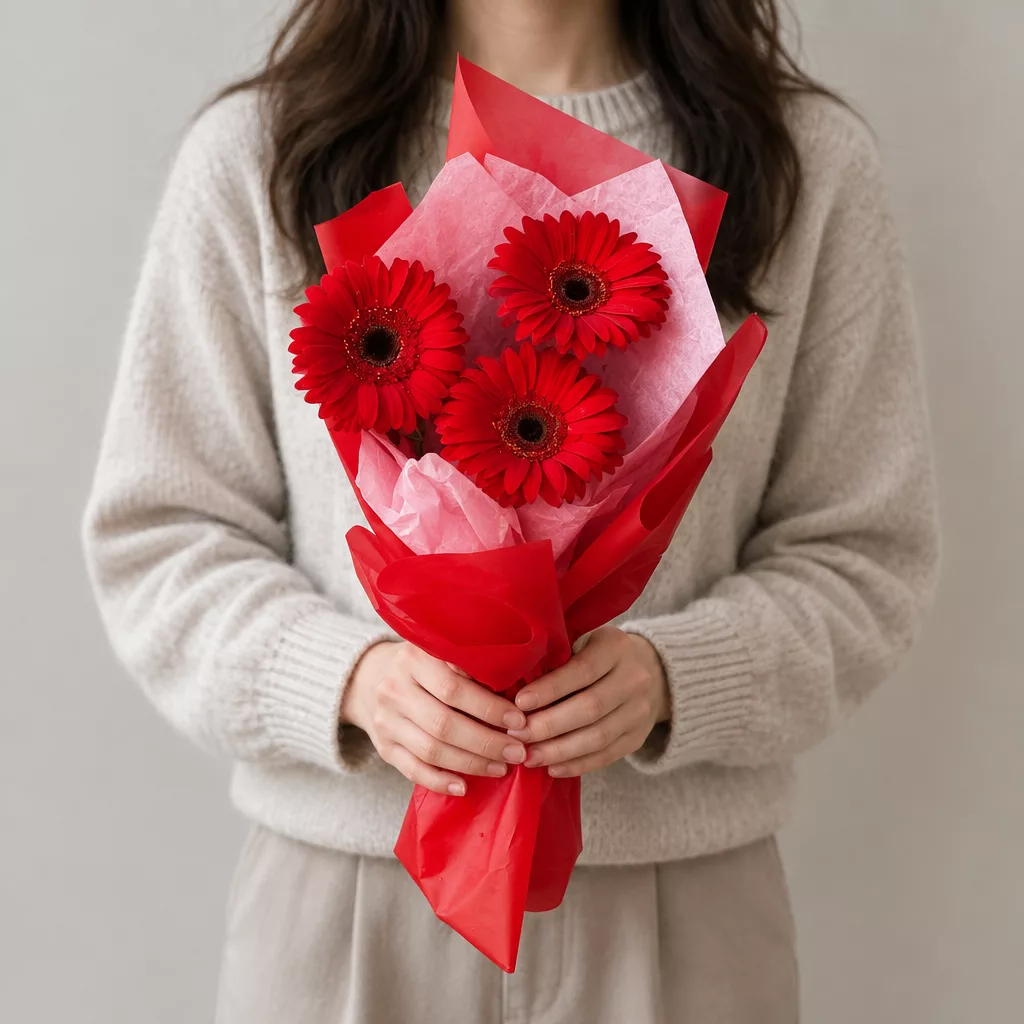
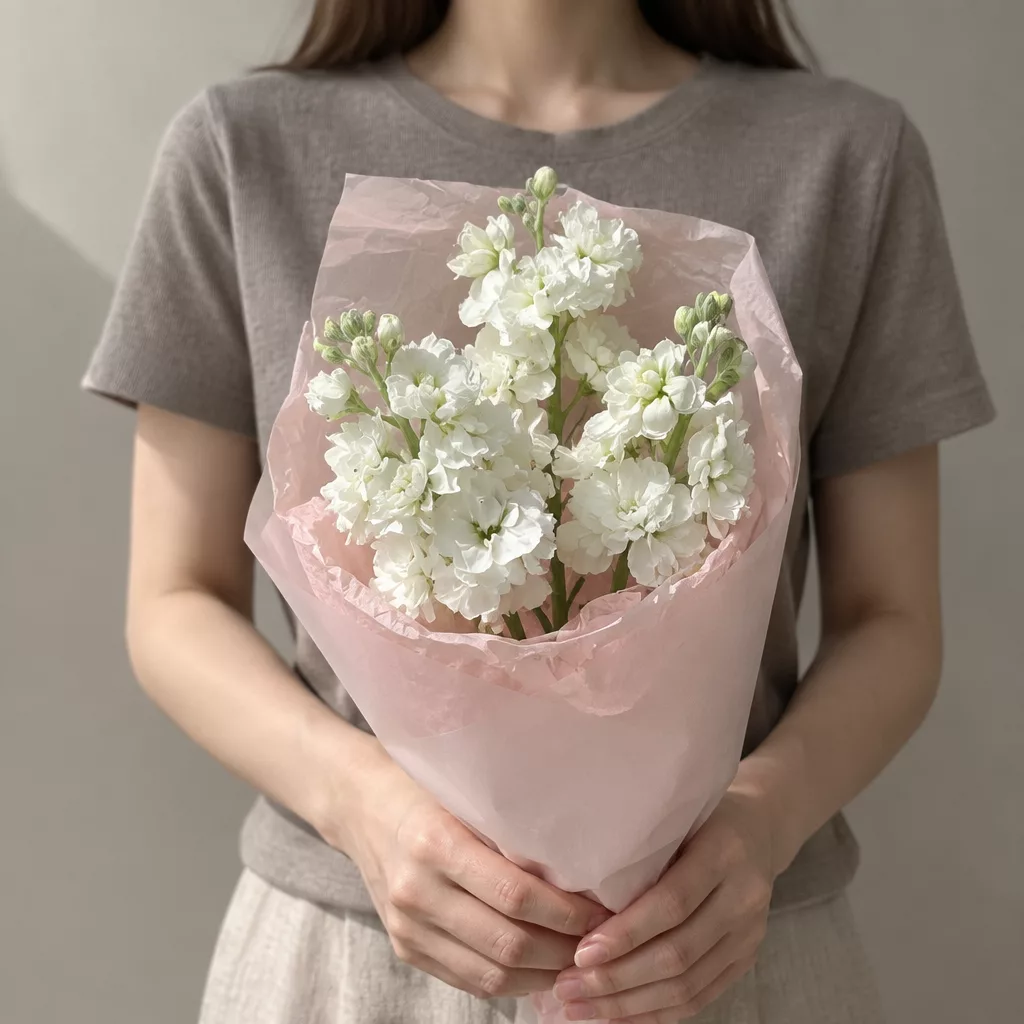
The One Rule Every Visitor Must Know: Count Your Stems
The most important rule in Russian flower-giving is also the simplest: even numbers of flowers are for mourning. If you hand your host family a bouquet of ten roses or eight gerberas, you are sending a signal associated with grief and funerals, not celebration. This is not a subtle cultural preference — it is a widely held convention that most Russians over thirty will notice immediately.
Always choose an odd number: five, seven, nine, eleven, or thirteen stems are all perfectly appropriate depending on the size of bouquet you want. Three stems can feel a little sparse for a home visit unless the flowers are large and dramatic, like sunflowers or peonies. Seven is the most versatile number — it feels generous without being overwhelming, and it works across almost any flower type.
When you order online or by phone, specify the stem count explicitly rather than simply choosing a size category. Small, medium, and large bouquets can all contain even numbers depending on how a florist assembles them. A good florist will always confirm the count with you, but it is worth asking directly: seven stems, nine stems, eleven stems. This one piece of knowledge will save you from the most common mistake that visitors make, and your host family will likely never mention it — but they will absolutely notice that you got it right. It is the kind of detail that separates a thoughtful guest from an uninformed one.
Choosing the Right Flowers for a Home Visit
For a dinner or home-stay visit, you want flowers that feel warm and domestic rather than grand or formal. Roses are always safe, but consider the variety carefully. Garden-style roses with soft, layered petals — varieties like David Austin types — feel more personal than tight hybrid tea roses, which can read as corporate or impersonal. Spray roses in soft peach, cream, or blush tones are particularly well-suited to a home setting.
Peonies are deeply beloved in Russia when they are in season, roughly May through July. A bouquet of seven pale pink or white peonies is one of the most universally appreciated gifts you can bring to a host family. They fill a room with fragrance and they photograph beautifully, which matters in an era when people share moments on their phones.
Eustoma, sometimes called lisianthus, is another excellent choice — it has a ruffled, romantic appearance and a long vase life of ten to fourteen days, which means your host family will enjoy it long after your visit. Chrysanthemums are popular in Russia but carry stronger associations with autumn and memorial occasions in some regions, so they are worth avoiding unless you know the family well. Tulips are joyful and appropriate in spring. Alstroemeria works well as a filler or accent flower but feels thin as a standalone gift. Whatever you choose, ask for the bouquet to be wrapped in kraft paper rather than cellophane — it looks more considered and photographs better on a Russian dining table.
Bouquet Size: Matching the Occasion to the Gesture
A host family welcoming you for a weekend stay deserves something more substantial than a single-occasion dinner guest might bring, but you do not need to arrive with an armful that overwhelms a small apartment. Russian apartments are often compact, and a very large bouquet can create a practical problem: the family may not own a vase tall enough to hold it, or the flowers may crowd a small kitchen table.
For a first dinner visit, seven to nine stems is the right range. It is generous without being theatrical. For a longer stay of several days, nine to eleven stems feels appropriate, or you might consider a second, smaller bouquet on departure as a thank-you — this is a lovely gesture that very few foreign visitors think to make.
If you are visiting a family with children, consider adding a small bunch of bright sunflowers or cheerful gerberas alongside a more composed bouquet for the adults. Children respond to colour and size, and including them in the gesture makes the whole family feel seen. Gerberas in orange, yellow, or red are robust, last well in a vase, and cost far less than roses, so they are an easy addition.
Avoid enormous arrangements with structural foam or elaborate floral installations — these are for events, not home visits. The ideal host-family bouquet is something that one person can hold comfortably in one hand, that fits in a standard tall vase, and that looks as though it was chosen with care rather than purchased by weight.
Colour and Presentation: What Reads as Thoughtful in Russia
Russians tend to appreciate rich, saturated colours — deep red, warm yellow, vivid coral, bright white — but soft pastel combinations have become increasingly popular in cities like Saint Petersburg and Moscow, particularly among younger families. If you know nothing about the family's aesthetic, a mixed bouquet in warm tones of peach, cream, and soft orange is almost universally flattering and feels neither too bold nor too timid.
All-white bouquets are elegant but carry a slight association with formality and, in some contexts, remembrance — so they are better avoided for a casual home visit unless you are pairing white blooms with green foliage and warm accent flowers. All-yellow flowers are cheerful and appropriate. Red roses given to a woman of the household carry a romantic connotation, so if you are bringing red roses to a family rather than a specific person, mix them with other colours or choose a different flower entirely.
Presentation matters enormously in Russian flower culture. A bouquet wrapped in textured kraft paper with a simple ribbon looks considered and intentional. Avoid transparent cellophane wrapping, which looks like a petrol station purchase even when the flowers inside are excellent. Ask for the stems to be trimmed at an angle before wrapping — this extends vase life and is a mark of a florist who knows their craft.
If you are ordering for delivery rather than carrying the flowers yourself, request that the bouquet arrive in a box or with protective paper that keeps the heads safe during transport. Flowers that arrive with crushed petals undermine the gesture regardless of how beautiful the variety.
Timing Your Delivery or Arrival with Flowers
If you are carrying flowers yourself, pick them up as close to your arrival time as possible. Most cut flowers hold well for several hours at room temperature, but roses and peonies in particular will begin to open quickly in a warm apartment or on a heated metro carriage. In winter, this is less of a concern — Russian winters are cold enough that flowers stay fresh for hours outdoors — but in summer, a bouquet left in a hot car or bag for two hours can arrive looking tired.
If you are sending flowers ahead of your visit — perhaps as a thank-you after a stay, or to arrive before you do — same-day delivery within one to two hours is the most reliable option. Flowers ordered the evening before and delivered the next morning have often spent a night in a refrigerated van, which is fine for hardy varieties like alstroemeria or chrysanthemum but harder on delicate blooms like garden roses or ranunculus.
For summer deliveries in cities like Saint Petersburg, where temperatures can reach thirty degrees Celsius in July and August, request that the bouquet be kept cool until the last possible moment before dispatch. A good florist will store the flowers at between two and eight degrees Celsius and only bring them to room temperature for wrapping and dispatch. This detail makes the difference between a bouquet that arrives with firm, upright petals and one that has already begun to droop.
If your host family is not home when the flowers arrive, make sure someone is available to receive them — leaving fresh flowers outside a door in summer heat for even an hour can significantly reduce their vase life.
After the Bouquet: Vase Life and Care Tips to Pass Along
One of the most considerate things you can do is give your host family a brief word on how to care for the flowers — not in a lecturing way, but as a small extra gift of knowledge. Most Russian households know the basics, but a few specific tips will help your bouquet last longer and make a better impression over time.
The stems should be recut at an angle under running water before being placed in a clean vase. This sounds obvious, but many people skip it, and it makes a measurable difference — a fresh diagonal cut exposes more surface area and allows the stem to drink more efficiently. Change the water every two days and add a small pinch of sugar if no flower food sachet was included with the bouquet.
Keep the vase away from direct sunlight and from sources of heat, including radiators and kitchen appliances. This is particularly important in Russian apartments in autumn and winter, when central heating runs very hot. A cool hallway or a north-facing windowsill will extend vase life considerably compared to a sunny kitchen counter.
Typical vase life by variety: roses last seven to ten days with good care; eustoma ten to fourteen days; spray roses seven to nine days; peonies five to seven days; gerberas five to eight days. Peonies have the shortest life of the popular gift flowers, but they open so beautifully and smell so good that most people consider the trade-off worthwhile. Passing along this information shows that you chose the flowers with genuine attention, not just convenience.
Bringing flowers to a Russian host family is one of the most direct ways to show that you have paid attention to where you are and who you are with. The rules are not complicated once you know them: odd numbers, warm colours, a well-wrapped bouquet in the right size for the occasion. Get those details right and the flowers will do the rest — they will sit on the family's table for a week, and every time your hosts look at them, they will remember that their guest was genuinely thoughtful. That is exactly what a good bouquet is supposed to do. We deliver bouquets across Russia in 1–2 hours.
Frequently asked questions
Is it rude to bring flowers to a Russian host family unannounced?
Not at all — arriving with flowers is a sign of respect in Russian culture, not an imposition. You do not need to warn the family in advance. Simply hand the bouquet to the host or hostess when you arrive at the door. The gesture is entirely normal and will be warmly received regardless of whether it was expected.
Can I bring potted plants instead of a cut bouquet?
Potted plants are acceptable but carry a slightly different meaning in Russia. They are often given as longer-term gifts and can feel more formal or practical than a bouquet. For a first home visit, a fresh cut bouquet is warmer and more personal. If you know the family enjoys gardening or has a lot of houseplants, a potted plant on a return visit is a thoughtful choice.
What if I am visiting a family with no women — is a flower gift still appropriate?
Yes. Flowers in Russia are given to households, not exclusively to women. Handing a bouquet to a male host is perfectly normal and will not cause awkwardness. Choose something robust and unfussy — sunflowers, tulips, or a simple mixed bouquet in warm tones work well. The gesture signals respect for the home rather than romantic interest.
How far in advance should I order flowers for delivery to a host family?
For same-day delivery, placing your order two to three hours before the desired arrival time is usually sufficient. If you want the flowers to arrive at a specific moment — say, just before you get there yourself — order four hours ahead to allow for any delays. Turboflora delivers across Russia within one to two hours, so last-minute orders are genuinely workable.
Are there flowers I should definitely avoid bringing to a Russian home?
Avoid even numbers of stems, as these are associated with mourning. All-white bouquets without green or warm accents can feel funerary in some contexts. Chrysanthemums, while popular in Russia, carry memorial associations in certain regions and are safer to avoid for a casual home visit. When in doubt, roses, eustoma, or peonies in warm tones are reliably appropriate.
Ready to send flowers?
Pick the city, choose the bouquet, and a local florist takes it from there.
Choose a city →