Received a Bouquet? Here Is How to Tell the Flowers Are Truly Fresh
The moment a bouquet lands in your hands, you have about thirty seconds of instinct before the excitement of the occasion takes over. That instinct is worth trusting — and sharpening. Whether you ordered roses for an anniversary, ranunculus for a birthday, or a mixed seasonal arrangement just because, a genuinely fresh delivery should pass a quick, almost automatic checklist. This is that checklist, written by people who condition and pack flowers every single day.
Start With the Stems — They Tell You Everything First
Pick up the bouquet and feel the stems before you even look at the blooms. A fresh stem is firm along its entire length, not just at the base. Roses, chrysanthemums, and lisianthus should feel almost rigid when you hold them horizontally — if the stem bends limply under the weight of its own head, the flower has already lost significant water pressure inside its cells, and no amount of re-cutting will fully reverse that. Run your fingers from the cut end upward. The lower portion should feel cool and slightly damp from the conditioning water used during packing. A slimy or soft section partway up the stem is a sign of bacterial damage, which typically begins within twelve to eighteen hours when flowers are kept without fresh water or in warm conditions above eighteen degrees Celsius. Tulip stems deserve a separate mention. They are naturally softer than woody-stemmed flowers, so a slight flex is normal. What you are checking for is the absence of mushiness and the presence of that characteristic cool, green freshness when you press gently. Eucalyptus and other foliage stems should snap cleanly if bent sharply — a clean snap means the cellular structure is intact. A stem that simply folds without resistance has been weakened by heat or age. Take ten seconds on this step. It is the single most reliable indicator of how long your arrangement will last on the table.
Bouquets we can deliver


Look at the Petals — Colour and Edge Condition Matter Most
Open the wrapping fully and hold the bouquet in good light — natural daylight near a window is ideal. The first thing to assess is colour saturation. Fresh peonies are deeply pigmented from bud to outer petal; fresh garden roses have an almost luminous quality to their colour that fades to a flatter, slightly translucent tone as the days pass. If the outer petals of a rose or peony look noticeably paler or more papery than the inner petals, those outer guard petals have aged. A few bruised outer petals on roses are actually normal and are often left on intentionally to protect the inner petals during transit — professional florists call them guard petals, and they peel away cleanly to reveal perfect colour underneath. What is not normal is browning that extends more than one or two layers in, or petals that feel dry and thin like tissue paper rather than cool and slightly waxy. Gerbera daisies are an honest flower in this regard — their petals show stress quickly, curling inward at the tips within hours of dehydration. Alstroemeria, on the other hand, is naturally resilient and should look almost perfect on arrival even after a two-hour delivery. Check the very edges of petals on delicate varieties like sweet peas and anemones. A translucent, water-soaked edge that feels fragile is a sign of cold damage from being pressed against ice packs without protective wrapping — a packaging error, not a freshness issue per se, but worth noting. Firm, velvety, cool petals with consistent colour from base to tip are exactly what you want to see.
Check the Water in the Packaging — Clarity Is a Quality Signal
Many bouquets arrive with a small water capsule or a damp pad at the base of the stems, and the condition of that water is a quiet but reliable quality signal. Fresh, clean conditioning water is either clear or very faintly tinted if a flower food sachet has been used — the kind that contains citric acid and a small amount of sugar to feed the blooms. Cloudy, milky, or visibly discoloured water at the base of the stems tells you that bacterial activity has already been underway for some time. Bacteria multiply rapidly in warm, stagnant water and produce enzymes that block the vascular system inside the stem, which is precisely why flowers wilt even when water is available — they simply cannot draw it up. A faint green tint to the water is usually harmless and comes from foliage sitting in the liquid. A grey or brown cloudiness is the warning sign. You may also notice a mild, clean, green scent from the water — that is normal. A sour or fermenting smell is not. If the packaging water smells off, re-cut the stems by about two centimetres at a forty-five-degree angle immediately, place them in a clean vase with fresh water and a flower food sachet, and the bouquet will often recover well if the flowers themselves are still firm and colourful. The water condition is fixable; the stem and petal condition is the true measure of freshness. Think of the water as the receipt — it shows you how the flowers have been treated since they left the cooler.
Assess the Bud Stage — Open Too Far or Too Tight Both Signal Problems
A well-prepared bouquet arrives with flowers at the right stage of openness for the occasion and the variety. This is a detail that separates a thoughtfully assembled arrangement from one that has been sitting in a warm van too long or, conversely, one that was cut too early and will never open properly in a home environment. Roses for a romantic gift are typically delivered at what florists call the half-open stage — the outer petals have separated from the bud but the centre is still cupped and closed. At room temperature around twenty degrees Celsius, they will reach full, glorious bloom within two to three days. If your roses arrive already fully open with petals spreading wide and stamens visible, they are at the end of their display life, not the beginning. Spray roses and garden roses open faster than hybrid tea roses, so expect them to be slightly more advanced. Tulips are a special case that confuses many recipients, especially those not familiar with how they behave indoors. They arrive tightly closed and will open dramatically within twenty-four hours in a warm room — this is completely normal and not a sign of immaturity. Lilies should arrive with at least one bud showing colour but not yet open, with the remaining buds still green and firm. Each bud opens sequentially over five to seven days, which is part of what makes them such good value. Gerberas and chrysanthemums should arrive nearly fully open, as they do not continue to develop significantly after cutting.
Smell the Bouquet — Scent Is a Living Indicator
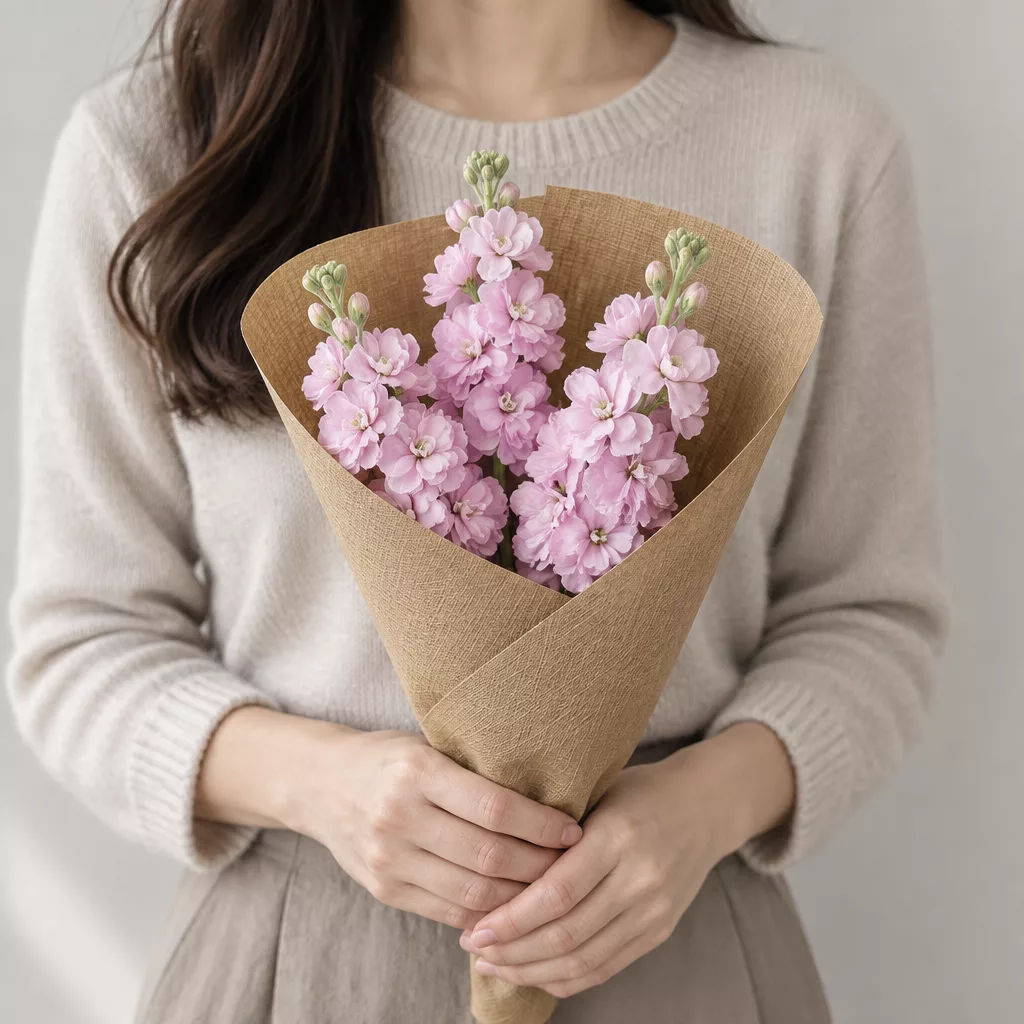
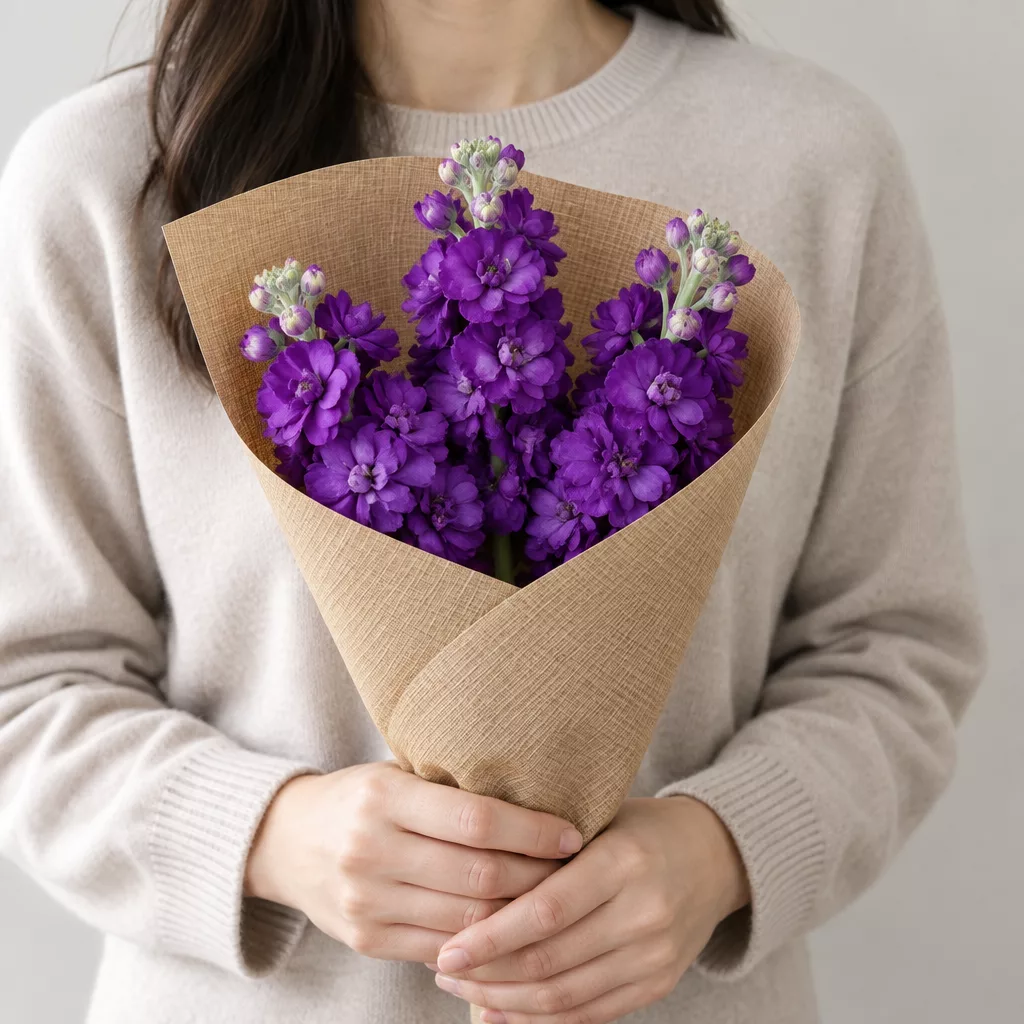
Scent is one of the most immediate and honest assessments you can make, and it is one that most recipients forget to use because they are focused on the visual. Bring the bouquet close and inhale. A fresh rose — particularly varieties like David Austin-style garden roses rather than standard commercial hybrid teas — will have a noticeable fragrance even through packaging. Freesia is one of the most reliably fragrant cut flowers and should smell sweetly and clearly from the moment you unwrap it. Stocks, also called Matthiola, have a warm, clove-like scent that is unmistakable when fresh. If these naturally fragrant varieties have no detectable scent whatsoever, it can indicate that they have been stored too cold for too long — extreme cold suppresses fragrance compounds temporarily, and the scent may return once the flowers warm to room temperature, but it is worth noting. A sour, fermented, or faintly rotting smell from the bouquet itself — not from the water — is a more serious signal and suggests that some flowers have begun to deteriorate. Foliage, particularly large tropical leaves, can begin to smell unpleasant before the flowers do. Eucalyptus has a strong, clean, medicinal scent that should be pleasant and sharp — if it smells flat or musty, the foliage has been held too long. Use scent as a secondary check rather than your primary indicator, since many modern cut flower varieties have been bred for visual impact over fragrance. But when fragrance is present and vibrant, it is a genuinely reassuring sign of vitality.
Examine the Foliage — Leaves Reveal What Petals Sometimes Hide
Florists pay close attention to foliage because it degrades more visibly and more quickly than many flower varieties. The leaves on your bouquet should be a consistent, saturated green — deep and slightly glossy on varieties like ruscus and pittosporum, matte and soft on eucalyptus, bright and almost translucent on fresh Italian ruscus. Yellowing leaves are a sign of age or of the flowers having been stored in ethylene-rich conditions — ethylene is a natural gas produced by ripening fruit and by ageing flowers themselves, and it accelerates the decline of both blooms and foliage. A bouquet that has spent time near fruit in a warm storage space will show yellowing leaves well before the petals show obvious stress. Wilted leaves that hang limply but are still green can often recover with a fresh cut and deep water conditioning for an hour — place the stems in water up to the base of the flower heads in a cool room and many will revive. Leaves that are already brown at the edges or feel papery and dry will not recover. Spotted or mottled leaves can indicate a fungal issue, which is more common in humid transit conditions. This does not necessarily affect the flowers themselves, but it does suggest the bouquet was not kept in ideal conditions. Remove any affected foliage immediately to prevent the spread of botrytis, a grey mould that thrives on dead plant material and can damage petals. Healthy foliage frames the flowers and extends the visual life of the arrangement, so it deserves its own thirty seconds of attention.
What to Do in the First Ten Minutes After Delivery
The ten minutes immediately after a bouquet arrives are the most important for its longevity, and most of the work is straightforward. Unwrap the flowers completely and remove any rubber bands or tight ties from around the stems — constriction at the stem base limits water uptake. Fill a clean vase with fresh, cool water at around fifteen degrees Celsius and dissolve a flower food sachet into it if one was included with the bouquet. Re-cut each stem by one to two centimetres at a forty-five-degree angle using sharp scissors or a knife — a diagonal cut maximises the surface area available for water absorption. Do this under running water or while the stems are submerged if possible, to prevent an air bubble from entering the cut end immediately. Place the bouquet away from direct sunlight, heat sources such as radiators, and fruit bowls. In a Russian apartment, which is typically kept quite warm in winter — often twenty-two to twenty-five degrees — flowers will open faster and need water more frequently than in a cooler European home. Check the water level daily and change it completely every two days, re-cutting the stems each time. Remove any petals or leaves that fall into the water immediately, as they decompose quickly and cloud the water with bacteria. With this routine, roses should last seven to ten days, alstroemeria ten to fourteen days, and chrysanthemums up to three weeks. The difference between a bouquet that lasts four days and one that lasts ten is almost entirely in these first ten minutes of care.
A fresh bouquet is not just a visual experience — it is a tactile, olfactory, and structural one. Firm stems, consistent petal colour, clear packaging water, appropriate bud stage, living scent, and healthy foliage all tell the same story: these flowers were handled well from the moment they were cut. Running through this checklist takes less than two minutes and gives you both confidence in what you have received and a clear starting point for caring for the arrangement. When every detail checks out, you can put the bouquet in its vase and simply enjoy it — which is exactly the point. We deliver bouquets across Russia in 1–2 hours.
Frequently asked questions
How long should a fresh rose bouquet last after delivery?
A properly conditioned rose bouquet delivered fresh should last seven to ten days with daily water checks and a full water change every two days. Re-cutting stems each time you change the water makes a significant difference. Warmer rooms — common in Russian apartments during winter — will shorten vase life slightly, so keep flowers away from radiators.
Is it normal for roses to arrive with some brown outer petals?
Yes, entirely normal. Those outer petals are called guard petals and are left on deliberately to protect the inner bloom during packing and transit. Peel them away gently and you will find the petals underneath are fresh and fully coloured. If browning continues deeper than two or three layers, that is worth flagging with the sender.
My tulips arrived tightly closed — are they fresh or too young to open?
Tightly closed tulips are a good sign, not a problem. Tulips are cut before full opening and will bloom dramatically within twelve to twenty-four hours at room temperature. Place them in cool water in a bright room and watch them transform. Tulips delivered already wide open have much less display time remaining.
What does cloudy water in the packaging mean, and should I be worried?
Cloudy packaging water indicates bacterial activity, which can begin blocking the stems' ability to absorb water. It does not automatically mean the flowers are ruined — re-cut the stems immediately, use a clean vase with fresh water, and add flower food. If the stems and petals still feel firm and look vibrant, the bouquet will likely recover well.
Why do my flowers wilt quickly even though I put them straight in water?
The most common reason is an air bubble sealed inside the stem at the cut end, which blocks water uptake. Always re-cut stems at a diagonal angle before placing them in the vase, ideally under running water. A dirty vase, water that is too warm, or placement near a heat source or fruit bowl are also frequent causes of premature wilting.
Ready to send flowers?
Pick the city, choose the bouquet, and a local florist takes it from there.
Choose a city →