Statice Plant: How to Grow It and Enjoy Its Flowers
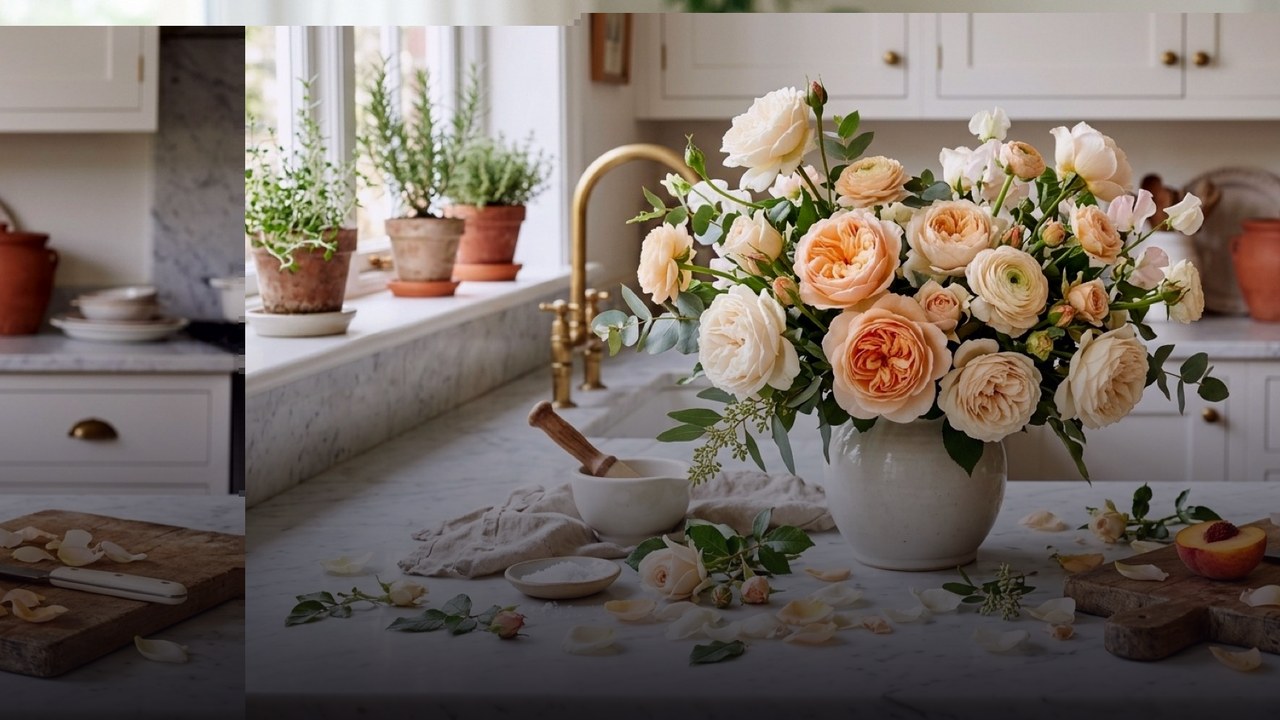
The statice plant most often grown for bouquets is Limonium sinuatum, a sun-loving flowering plant with branching stems and clusters of papery colour. It is commonly grown as an annual, and its flowers work well both freshly cut and dried. Give it plenty of sun, freely draining soil and careful watering rather than constantly wet roots.
If you have seen statice in a bouquet, its dry texture can be misleading: the coloured parts are naturally papery even on a living plant. Growing it requires a different approach from caring for a cut stem, so start by deciding whether you want a garden plant, a container display or flowers to preserve. Each use has a few practical details that make a noticeable difference.
What a statice plant looks like
Limonium sinuatum forms a low rosette of lobed leaves, with upright, branching flower stems rising above it. Those stems have distinctive winged edges. The familiar purple, pink, white or yellow clusters get much of their lasting colour from a papery calyx surrounding the small true flower. This structure explains why statice keeps its shape so well after drying.
Names can cause confusion when you buy seeds or plants. Statice and sea lavender are common names used for several Limonium species, whose habits and growing needs can differ. Look for the botanical name on the label; advice for annual bedding statice should not automatically be applied to every perennial sea lavender. Despite the common name, it is not culinary lavender.
In a bouquet, a fresh statice stem may feel crisp rather than soft, so texture alone does not tell you whether it has been dried. Look at the whole stem and any remaining foliage, and ask how the material should be cared for if you are unsure. Our guide to the statice flower explains its use in arrangements and care after cutting.
How to grow statice from seed
Choose an open, sunny position before you sow. Statice generally flowers best with plenty of direct light and soil that allows excess water to drain away. A low patch that stays wet after rain is a poor choice. In a container, use a pot with drainage holes and a suitable, freely draining potting mix; decorative outer pots must not trap water around the roots.
For Limonium sinuatum grown as an annual, you can start seeds indoors ahead of the outdoor planting season. Use seed compost, follow the packet instructions for sowing depth and keep it evenly moist without saturating it. Give seedlings strong light as they emerge. Timing varies with your climate, so use local frost dates and the seed supplier's guidance rather than a fixed calendar month.
Gradually acclimatise young plants to outdoor conditions before planting them out once the risk of frost has passed. Follow the spacing on the variety's label so mature plants have room for their branching stems and air can move between them. Water after planting to settle the soil around the roots, then check the soil before watering again instead of maintaining the wet conditions used for germination.
Bouquets we can deliver




Everyday care in beds and containers
Established statice tolerates some dryness, but a newly planted seedling still needs attention while its roots develop. Check below the soil surface with your finger and water when the root area is beginning to dry. Apply water to the soil rather than repeatedly soaking the flowers. Persistent wetness is a reason to inspect drainage, not to add another feed or watering.
A container dries differently from a garden bed, especially in sun and wind. Check pots regularly and water thoroughly when needed, allowing excess water to escape. Empty any saucer that remains full afterwards. If a plant wilts while the compost is already wet, do not assume it is thirsty: check for poor drainage and root problems before adding more water.
Use fertiliser according to the potting mix and product instructions; extra feeding is not a shortcut to more flowers. Remove damaged growth and inspect leaf undersides and new shoots for pests such as aphids. Cut usable flower stems regularly and remove spent stems to keep the plant tidy. Support tall varieties if wind makes the stems lean or rub against one another.
When to cut statice and how to dry it
For cutting, choose stems whose coloured clusters have developed well and opened broadly, rather than stems with mostly immature buds. Cut with clean, sharp tools, preferably during a cool part of the day, and place stems intended for fresh arrangements into clean water promptly. Leave enough healthy foliage on the plant to support continued growth rather than stripping it bare.
For a vase, remove any leaves that would sit below the waterline and use a clean vessel. Recut the stem ends before arranging, refresh the water regularly and follow the directions if you use cut-flower food. Keep the bouquet away from direct sun and heating. If statice is mixed with softer flowers, care for the whole arrangement and remove individual stems as they deteriorate.
To dry statice, gather small bunches and hang them upside down in a dry, shaded place with good airflow. Avoid crowding the clusters together, which slows drying and can encourage mould. Wait until the stems and flower clusters are fully dry before storing or arranging them. Keep dried stems away from moisture and strong sunlight; do not return them to vase water.
Meaning, bouquet choices and gift etiquette
Statice is commonly associated with remembrance and lasting affection because its colour and form persist after drying. These are traditional associations, not a universal message that every recipient will read in the same way. If you want to express gratitude, encouragement or sympathy, a short personal card communicates your intention more clearly than relying on flower symbolism alone.
Its branching clusters add colour and space between larger blooms, making statice useful alongside roses, lisianthus or other focal flowers. A few stems can give an arrangement a light, textured outline, while a larger proportion creates a more informal, papery look. Describe the effect you want and the recipient's preferred colours, and ask which options are available rather than assuming a particular combination can be supplied.
For a gift in Russia, an odd number of countable main flowers is the usual convention for celebratory bouquets; even numbers are traditionally associated with mourning. Branching filler stems can make counting less obvious, so explain the occasion when discussing an arrangement. If the recipient dislikes dried flowers, mention that too: fresh statice still has a naturally dry appearance that may affect their preference.
Sending flowers to someone in Russia
Turboflora delivers flowers across Russia. Start with the bouquets catalogue, and if statice is important to your choice, ask a manager to confirm the options. On WhatsApp, you can get help choosing a bouquet, agree the address, timing and card text, and request a photo of the bouquet before delivery. For a living statice plant, ask about availability before making plans.
City delivery costs 500 RUB; the operator confirms the delivery price for remote districts and suburbs when confirming the order. In large cities, express delivery is available 1–2 hours after order confirmation. You can also arrange an exact time within a ±30-minute allowance, choose a 09–12, 12–15, 15–18 or 18–21 window, or pre-order 1–30 days ahead. Choose timing that suits the recipient's likely availability.
Delivery is anonymous by default: the courier does not name the sender, and a card with your text is free. The courier calls the recipient about 15 minutes before arrival. If the recipient is absent, we agree a second delivery that day or, with the sender's consent, hand the flowers to a neighbour or concierge. Online checkout uses CloudPayments; check the payment options displayed there, as acceptance of every foreign card is not guaranteed. See delivery and payment for the relevant ordering information.
Frequently asked questions
Is the statice plant annual or perennial?
Limonium sinuatum is commonly grown as an annual, although it is a tender perennial. Other Limonium species include perennials, so check the botanical name before choosing a plant for long-term garden planting.
Can you grow statice in a pot?
Yes, provided the container has drainage holes, enough room for the mature plant and a sunny position. Check moisture regularly because a pot can dry faster than a garden bed, but never leave the roots standing in water.
Why does fresh statice look like a dried flower?
The coloured calyces are naturally papery, even while the plant is growing. That texture is normal and is one reason statice preserves well when dried.
Will statice keep its colour after drying?
Statice often retains much of its colour when dried carefully, though some fading can occur. Dry it out of direct sunlight and display it away from damp conditions and strong light.
Can I order a bouquet with statice for delivery in Russia?
Ask a Turboflora manager on WhatsApp to confirm the available bouquet options and agree the delivery details. Mention statice explicitly if its colour or texture is central to the gift.
Ready to send flowers?
Pick the city, choose the bouquet, and a local florist takes it from there.
Choose a city →