Video origin: what the word means and how to find a clip’s source
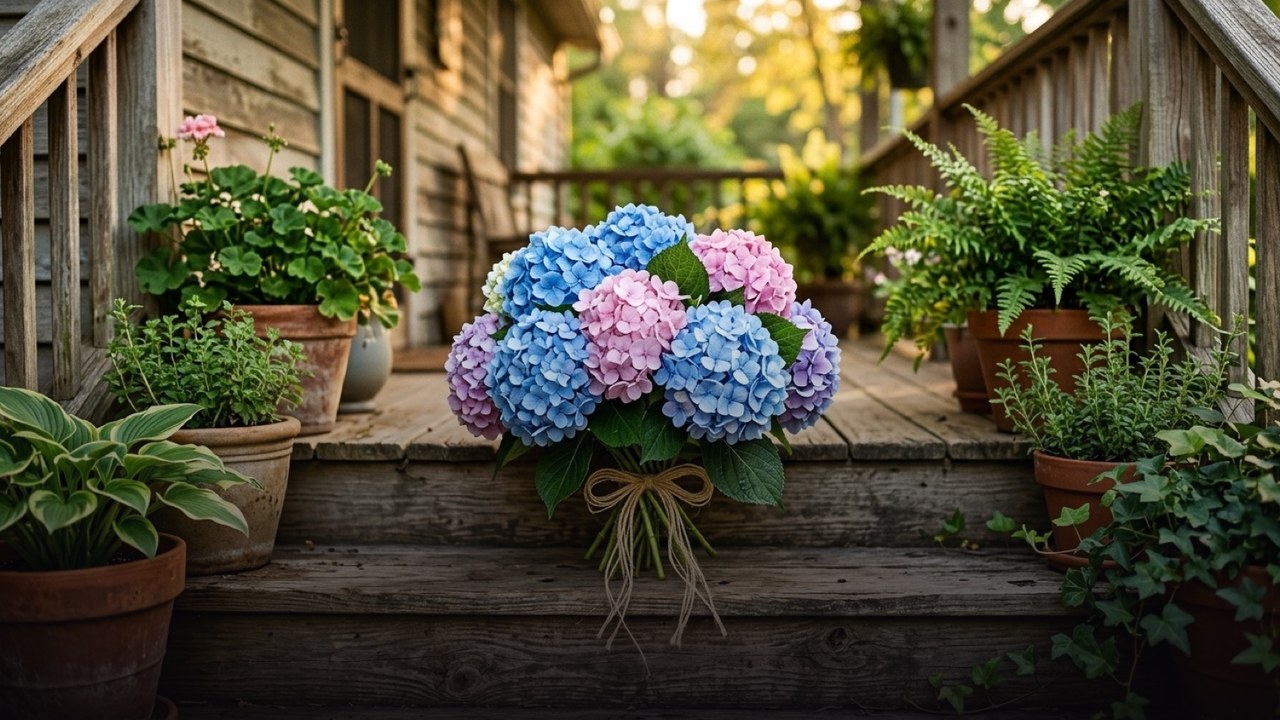
“Video origin” can mean the history of the word or the original source of a particular clip. The word comes from the Latin video, meaning “I see”; finding where a clip originated requires checking its creator, publication history and visual clues. If a flower video brought you here, its source and the bouquet it shows are two separate things you can investigate.
A short clip can give you a useful starting point for choosing flowers, but it leaves questions unanswered: which stems are present, how large the arrangement is and whether the colours look the same away from studio lighting. Here is how to trace that inspiration, read the flowers more carefully and turn what you like into clear instructions for a gift to someone in Russia.
Where the word video comes from
The Latin verb videre means “to see”, and video is its first-person singular present form: “I see”. In modern English, video refers to recorded or transmitted moving images, and often to an individual recording. That linguistic origin explains the word; it does not identify the person who filmed a particular bouquet, garden or flower-arranging demonstration.
For a specific recording, narrow your search with something distinctive. Try the visible account name, a phrase spoken in the clip, an exact caption or text printed on the wrapping. Searching only for “video origin” gives a search engine very little to distinguish your clip from millions of unrelated recordings.
Flower origins are another question again. A video of tulips does not establish where those particular stems were grown, even if its caption mentions a country. If you are exploring the history or meaning of flowers rather than a recording, our guide to flower origins and meaning is a more relevant starting point.
How to look for the original flower video
Start with the version you have and record the account name, caption and visible watermark. Open the profile and look for a longer version, earlier related posts or a sequence showing the arrangement being made. Consistent surroundings and hands appearing across several demonstrations can support a connection, although they are clues rather than proof of authorship.
Pause on a clear frame and take a screenshot for a reverse image search. Choose a frame with distinctive wrapping, a workbench or an unusual arrangement rather than a close-up of one common rose. If the search finds nothing, try another frame; cropped, mirrored or heavily edited copies can be harder to match.
Compare publication dates across matching results and follow any creator credits back to the named account. The earliest upload you find is a useful lead, but an older copy may have been deleted or published elsewhere. If you want to reuse the footage, ask the apparent creator about permission; finding a publicly viewable clip does not itself establish reuse rights.
Bouquets we can deliver




Read a bouquet on screen before choosing one
Watch the whole clip before deciding what you love about it. Is it the rounded shape, the loose movement of the stems, the pale palette or the contrast between flowers and foliage? Naming two or three of these features gives you a clearer brief than “make this exact bouquet”, especially when the video never shows every side.
Treat screen colour cautiously. Warm lighting can make cream petals appear peach, while filters can change pinks and greens. A close camera angle can also make a modest arrangement seem much larger. Look for a wider view with someone holding the bouquet, but use it only as a rough guide to proportion, not as a reliable measurement.
Separate identifiable flowers from guesses. Roses may be easy to recognise, while a small blurred bloom could belong to several different plants. Save one full-bouquet image and one useful close-up, then describe your priorities in words. You can explore the bouquets catalogue with those priorities in mind and ask about an option before placing your order.
Choose flowers for the person and the occasion
The recipient’s preferences are usually more useful than a rigid flower dictionary. Red roses often suggest romance, but the same bouquet can mean something different within a family or a long friendship. For a colleague or a thank-you gift, think about their preferred colours and the message you want to convey rather than assuming one flower has a universal meaning.
For a recipient in Russia, an odd number of countable flower stems is the customary choice for a celebratory gift; even numbers are traditionally associated with mourning. This distinction is easiest to notice in a simple bouquet where the stems are readily counted. If the arrangement in your reference video raises a question, have the count clarified before ordering.
A short card helps the recipient understand the occasion without having to interpret the bouquet. Write the words you would actually say: “Thinking of you on your birthday” is clearer than an elaborate message copied from elsewhere. Our delivery is anonymous by default, so the courier does not name you; include your name in the free card text if you want the recipient to know who sent it.
Turn your video reference into an order to Russia
We deliver flowers across Russia. To discuss your reference, contact a manager on WhatsApp and explain the features you want, the recipient’s city and address, your preferred delivery time and the card text. The manager can help you choose a bouquet, agree the details and arrange a photo of the bouquet before delivery.
City delivery costs 500 RUB; for remote districts and suburbs, the operator confirms the price when confirming the order. Express delivery in large cities takes 1–2 hours after order confirmation. Other timing options are an exact time with a tolerance of plus or minus 30 minutes, the windows 09–12, 12–15, 15–18 or 18–21, or pre-ordering 1–30 days ahead.
If you are ordering from abroad, state the intended delivery date and time in the recipient’s city to avoid a time-zone misunderstanding. Online checkout uses CloudPayments; check the payment options displayed there rather than assuming your foreign card will be accepted. Keep the delivery and payment information handy while choosing the timing that fits the occasion.
The courier calls the recipient about 15 minutes before arrival, so plan a surprise around that practical contact. If the recipient is absent, we agree a second delivery the same day or, with your consent, hand the flowers to a neighbour or concierge. For a workplace gift, provide the address details needed to reach the recipient and choose a time when they expect to be there.
Use flower-care videos with a little judgement
An attractive flower-care clip is not enough to establish that every step suits your bouquet. For most cut flowers, a clean vase, fresh water and removal of foliage below the waterline are sound starting points. Recut the stem ends with a clean, sharp tool before arranging them, and follow any care instructions supplied with the flowers.
Check the water daily and refresh it regularly, washing the vase when you do. If flower food is supplied, use it according to its directions rather than estimating a stronger dose. Avoid copying recipes involving sugar, bleach or other household ingredients from an unverified video: the proportions and suitability matter, and a casual demonstration may omit both.
Place the bouquet away from direct sun, heaters and ripening fruit. Remove fading flowers and fallen leaves as they appear, and check that the remaining stems still reach the water. An arrangement held in floral foam needs a different approach from loose stems in a vase: keep its water-holding material moist without dismantling it simply to copy a trimming demonstration.
These habits support the flowers after arrival, but a clip cannot establish how long your particular bouquet will last. Different flowers age differently, and room conditions affect them. If you are sending flowers as a gift, pass on a few relevant care steps with your personal message separately, so the recipient can enjoy the arrangement without needing to watch a tutorial.
Frequently asked questions
What is the origin of the word video?
Video comes from Latin video, meaning “I see”, a form of the verb videre, “to see”. In English, it is used for moving-image recordings and the technology used to record or transmit them.
How can I find the original source of a flower video?
Check the watermark, account name and caption, then reverse-search a few distinctive screenshots. Compare matching uploads and follow creator credits, remembering that the earliest result you find may still be a repost.
Can I use a video as inspiration when ordering flowers?
Use clear frames to explain the colours, shape and flowers you like, then ask a manager to help choose a bouquet. A video alone cannot establish exact size, colour or the identity of every stem.
Can I order flowers to Russia while I am abroad?
We deliver flowers across Russia, and you can agree the address, timing and card text with a manager on WhatsApp. Checkout uses CloudPayments; check the displayed options because acceptance of every foreign card is not guaranteed.
Will the recipient be told who sent the flowers?
Delivery is anonymous by default, and the courier does not name the sender. A card with your text is free, so add your name there if you want to identify yourself.
Ready to send flowers?
Pick the city, choose the bouquet, and a local florist takes it from there.
Choose a city →