Setting Up a Weekly Flower Subscription for Your Russian Office
A reception desk without flowers is just a desk. The moment a fresh arrangement lands on the counter on Monday morning, something shifts — clients notice, staff notice, and the whole space feels more considered. If you manage an office in Russia and want that effect every single week without placing a new order each time, a recurring flower subscription is the most practical way to get there. This article walks you through every decision you will need to make, from choosing the right stems for a heated Russian office to setting a billing cycle that suits your accounts department.
Why Russian Offices Treat Flowers Differently Than You Might Expect
In Russia, flowers carry real social weight. Bringing blooms to a meeting, placing them in a lobby, or decorating a conference table before a client visit is read as a sign of seriousness and care — not decoration for its own sake. This means your subscription is not simply an aesthetic choice; it is a statement about how your company presents itself to visitors and to its own team.
Russian office culture also places significance on certain colours and numbers. An even number of stems is traditionally associated with mourning, so any professional arrangement should always contain an odd number of flowers — three, five, seven, or more. Red roses are romantic rather than corporate, so they work better in small accents than as the main event. White, cream, soft pink, and lilac tones read as polished and universally appropriate across most business settings.
Seasonality matters here too. Russia has four very distinct seasons, and what looks fresh and right in June feels jarring in January. A good subscription adapts: ranunculus and tulips in spring, lisianthus and hydrangea through summer, chrysanthemums and dahlias in autumn, and robust carnations or alstroemeria in winter when delicate stems struggle with cold transit. Understanding this rhythm before you set your preferences will save you from arrangements that feel out of place or wilt faster than expected.
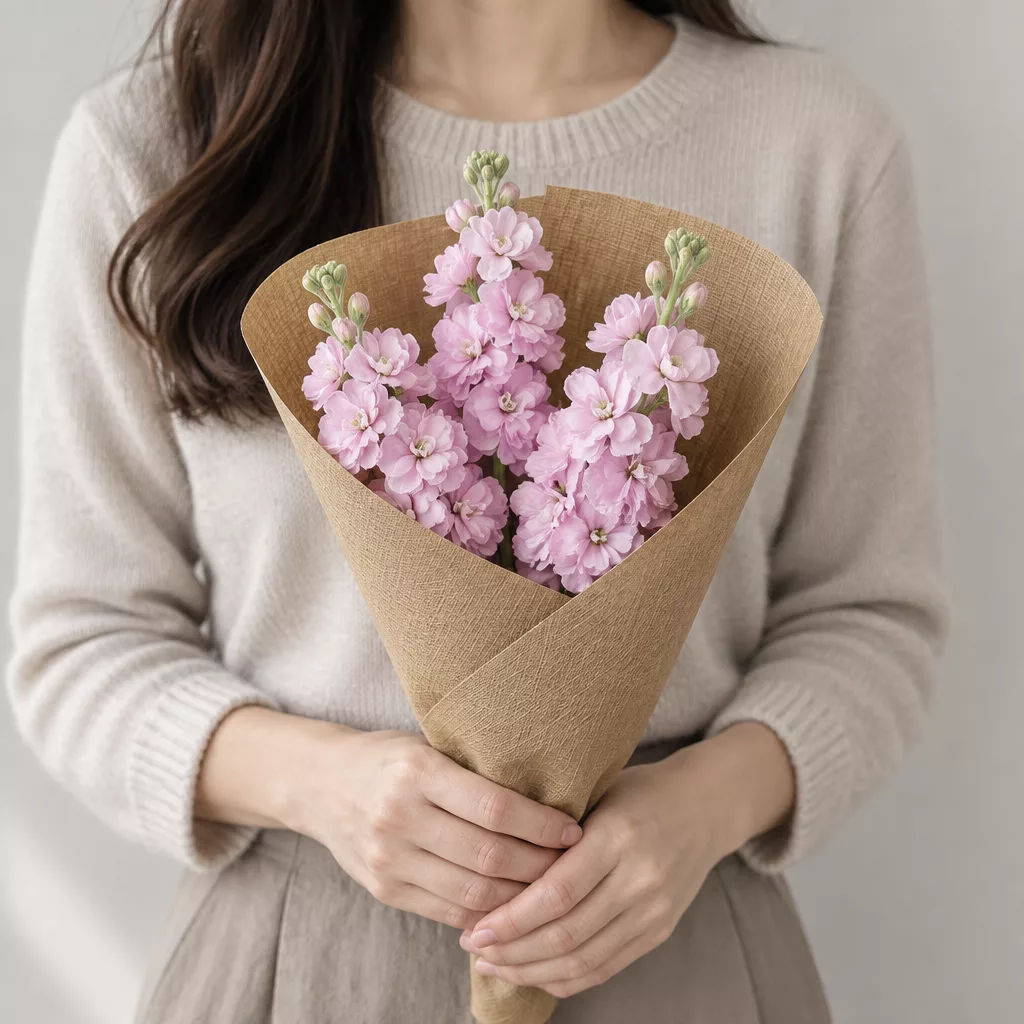
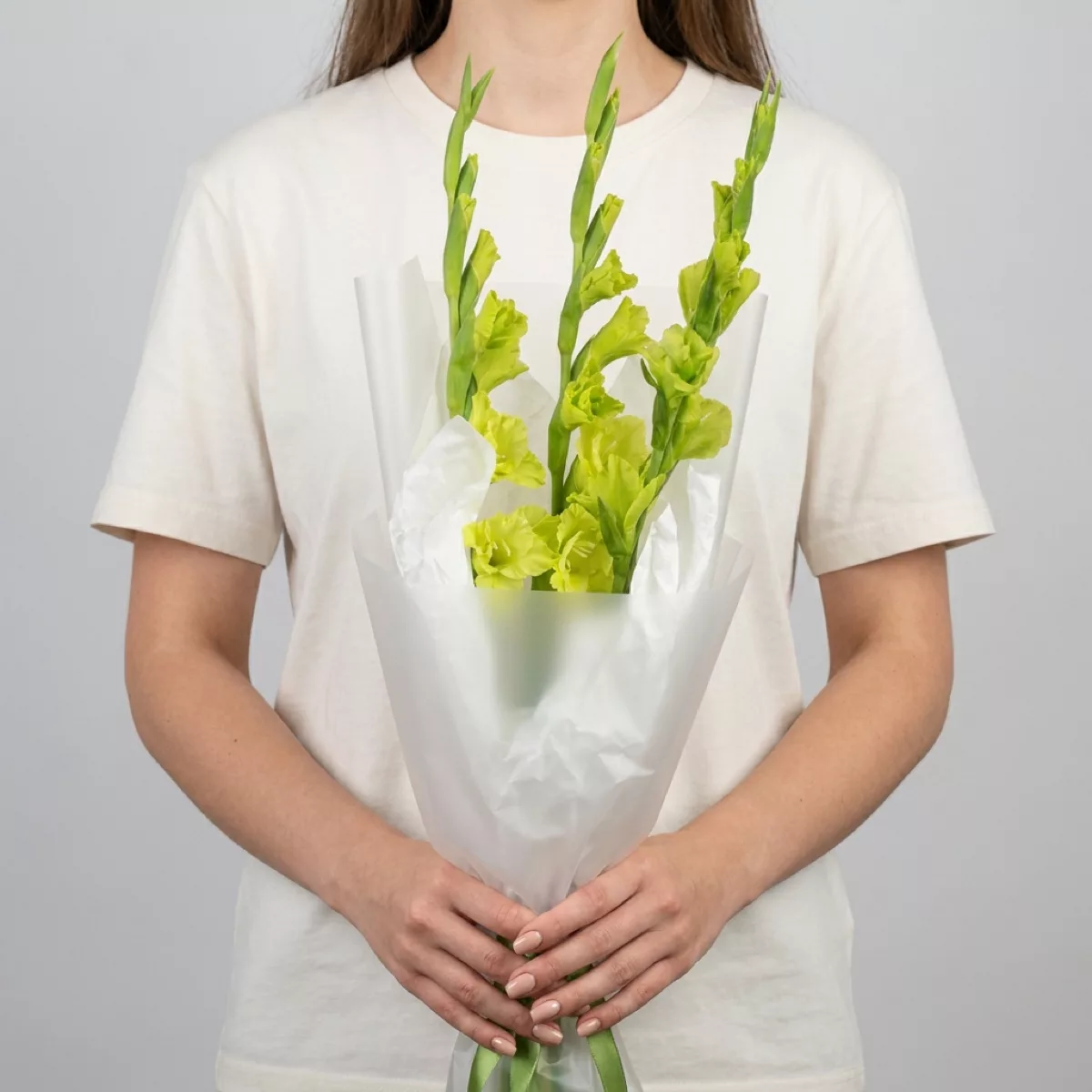
Bouquets we can deliver


Choosing the Right Delivery Frequency for Your Office Rhythm
The first real decision is how often flowers should arrive. Weekly delivery is the most popular choice for offices with daily foot traffic — a reception area, a client-facing showroom, or a co-working space. Flowers placed on Monday are typically at their best through Wednesday and acceptable through Friday, which makes a seven-day cycle work cleanly with the business week.
Bi-weekly delivery suits smaller offices or spaces where the arrangement sits in a quieter corner — a boardroom used twice a week, a private office, or a corridor display. In this case you want stems with a longer natural vase life: chrysanthemums, alstroemeria, and lisianthus regularly last ten to fourteen days when properly conditioned, making them the sensible backbone of any two-week arrangement.
One timing detail that surprises many clients new to Russian logistics: plan your delivery for Tuesday or Wednesday rather than Monday if your office is in a city other than Saint Petersburg or Moscow. Monday courier volumes are high across Russia, and a Tuesday arrival often means the flowers have had one extra day in a professional cold room rather than sitting in transit over a busy weekend. Turboflora delivers within one to two hours across Saint Petersburg, but for offices in other cities served by refrigerated courier, a mid-week slot keeps quality consistent.
Also consider whether you need a single drop point or multiple locations — a large office might want one arrangement for reception, one for the main meeting room, and one for the director's office, all arriving in the same delivery window.
Setting Your Stem Count and Arrangement Size
Sizing an office arrangement is less about the number of flowers and more about the surface it will occupy and the distance from which it will be seen. A reception desk viewed from across a lobby needs height and volume — a tall vase with focal flowers like spray roses or lisianthus surrounded by textural greenery such as eucalyptus or ruscus. A meeting room table needs something lower so people can see each other across it; a compact dome of garden roses, waxflower, and seasonal filler works perfectly.
As a practical starting point, a medium office arrangement for a reception desk typically contains between nine and fifteen stems of mixed flowers plus foliage. A table centrepiece for a six-to-eight person meeting room works well with seven to eleven stems kept under thirty centimetres in height. These are not rigid rules, but they give your florist a clear brief to work from.
When setting quantities in your subscription, think about how many distinct spots you want to fill. It is almost always better to have two well-proportioned arrangements than one oversized one that overwhelms its surface. If budget is a consideration, a single generous arrangement at the reception point makes the strongest impression because that is where every visitor forms their first opinion of your space.
Remember that Russian offices are often heated to twenty-two or twenty-three degrees Celsius in winter, which is warm for cut flowers. Smaller, well-watered arrangements will outlast a single large mass of stems sitting in a hot lobby without regular attention.
Selecting Preferred Blooms and Building a Rotation
When you set up a subscription, you can either choose a fixed palette that repeats each week or request a seasonal rotation that changes with availability. Both approaches work, but they suit different office personalities.
A fixed palette gives consistency — useful if your office has a strict brand colour scheme or if the person receiving the flowers has specific preferences. Good fixed-palette combinations for corporate settings include white lisianthus with silver brunia and eucalyptus for a minimal look; soft pink spray roses with waxflower and pittosporum for a warmer feel; or white and purple eustoma with veronica spicata for something more structured and modern.
A seasonal rotation lets the florist bring in what is freshest and most beautiful at any given time, which usually means longer vase life and better value. In practice, you brief the florist on your colour range — say, all whites and greens, or warm tones only — and the specific varieties change week to week within that range. This approach works especially well for offices that want to signal creativity and attention to detail.
Certain varieties hold up particularly well in office conditions and are worth requesting by name: alstroemeria, spray chrysanthemums, carnations, and statice are all genuinely robust. Avoid sweet peas and anemones in heated offices — they are beautiful but short-lived above twenty degrees. Gerberas are cheerful but need very clean water changed every two days, which is a realistic ask only if someone in the office is willing to manage it.
Packaging, Vases, and What Arrives at the Door
One question that comes up in almost every corporate subscription conversation is whether to provide your own vases or have them included. Both are valid, but they involve different logistics.
If your office provides its own vases, the florist delivers stems wrapped and conditioned, ready to arrange. This gives you full control over the vessel and the look — a tall glass cylinder, a low ceramic bowl, a branded container. The drawback is that someone on your team needs to re-cut stems, fill water, and arrange the flowers on arrival. This takes about ten minutes per arrangement if the stems are well-prepared, which they should be from a professional delivery.
If vases are included in the subscription, the florist delivers a completed arrangement in its container. This is the lower-effort option for busy offices. The arrangement arrives ready to place. Turboflora wraps deliveries in protective packaging suited to Russian winter and summer temperatures — insulated in cold months, ventilated in warm ones — so the flowers arrive in the same condition they left the cold room.
One thing to brief your reception team on: cut flowers should never be placed near air conditioning vents, heating radiators, or directly in a south-facing window. A spot with bright but indirect light and stable temperature is ideal. In Russian offices, this often means a position near an interior wall rather than against the window, particularly in winter when glass surfaces create cold drafts that damage petals quickly.
Managing Billing, Pauses, and Changes to Your Subscription
A recurring subscription should fit your accounts process, not fight it. Before confirming your setup, clarify three things with your florist: the billing cycle, the invoice format, and the process for pausing or adjusting deliveries.
Most Russian companies prefer monthly invoicing for subscriptions rather than paying per delivery, because it simplifies bookkeeping and fits the standard monthly close cycle used by most Russian accounting departments. Ask whether the florist can issue a single monthly invoice covering all deliveries in that period, with a breakdown by date and arrangement. This is standard practice and makes expense reporting straightforward.
Pauses are inevitable — public holidays, office relocations, renovation periods. Russia has several extended public holiday periods: the New Year break typically runs from January 1 to January 8, and there are clusters of days off in early May. A well-structured subscription should allow you to pause with at least five to seven business days notice without penalty, resuming automatically on the agreed date.
Changes to preferred varieties or quantities should also be easy to make. If you hire more staff and need a larger arrangement, or if a client visit means you want something more impressive than usual that week, a good subscription service accommodates this as a one-time adjustment rather than requiring you to restart the whole agreement.
Keep one person in your office as the named contact for the subscription — someone who can receive the delivery, flag any quality concerns promptly, and communicate changes. Flowers are perishable, and fast feedback on any issue means it can be resolved on the same day.
Making the Subscription Work Long-Term: Practical Maintenance Tips
A subscription delivers consistent beauty only if the flowers are looked after between deliveries. This does not require a dedicated person or specialist knowledge — it requires a few reliable habits that anyone in the office can manage in under five minutes.
Change the water every two to three days. Bacteria build up in vase water quickly, especially in warm offices, and this is the single biggest reason flowers fail early. Use clean, room-temperature water — cold water from the tap in winter can shock tropical stems like gerbera or anthurium. Add a small sachet of flower food if one is included with the delivery; it genuinely extends vase life by several days.
Remove any stem that is visibly wilting before it affects the others. Decomposing plant matter releases ethylene gas, which accelerates ageing in surrounding flowers. Pulling one fading stem on day four can keep the rest of the arrangement looking good for another three days.
Re-cut stems at an angle when you change the water, removing about one centimetre from the base. This reopens the water uptake channel and makes a noticeable difference to how long flowers stay upright. A sharp kitchen knife or scissors work fine — the angle matters more than the tool.
Finally, keep a simple log of which varieties your office prefers and which ones underperformed in your specific conditions. Share this with your florist after the first month. A subscription that has been refined over eight to ten deliveries will look dramatically better than one running on the original brief, because the florist will know exactly what thrives in your space.
A weekly flower subscription is one of the quietest and most effective things an office can do for the way it feels to work in and visit. It removes the weekly decision, keeps the space looking intentional all year, and gives your team something genuinely pleasant to walk past every morning. The setup takes one honest conversation about your space, your preferences, and your billing needs — and from there, the flowers simply arrive. We deliver bouquets across Russia in 1–2 hours.
Frequently asked questions
Can we request specific flower colours to match our office branding?
Yes, and this is one of the most common requests from corporate clients. You can specify a colour palette — for example, white and green only, or warm tones without red — and the florist selects varieties within that range each week. This keeps the look consistent with your brand without locking you into a single repeated arrangement.
What happens to our subscription during Russian public holidays?
Russian public holidays, including the extended New Year break in early January and the May holiday cluster, can affect delivery scheduling. You can pause your subscription around these periods with advance notice, or request a delivery on the last working day before a break so the office has flowers going into the holiday week.
How many offices or locations can one subscription cover?
A single subscription can cover multiple drop points within the same delivery area, all arriving in one coordinated window. Each location can have its own size and variety preferences noted on the account. This is common for companies with a reception, a boardroom, and executive offices that all need fresh flowers on the same day.
Is bi-weekly delivery really enough to keep flowers looking fresh?
With the right varieties, yes. Alstroemeria, lisianthus, spray chrysanthemums, and carnations reliably last ten to fourteen days in a well-maintained vase. A bi-weekly subscription built around these stems, with proper water changes every two to three days, will look presentable through the full two-week cycle in most office environments.
What is the minimum commitment to start a subscription?
Most office subscriptions are set up on a monthly basis, which covers four weekly deliveries or two bi-weekly ones. This gives you enough time to refine the variety selection and arrangement size based on real experience in your space, without locking you into a long contract before you know what works best.
Ready to send flowers?
Pick the city, choose the bouquet, and a local florist takes it from there.
Choose a city →