What Are Flowers Used For? A Practical Guide
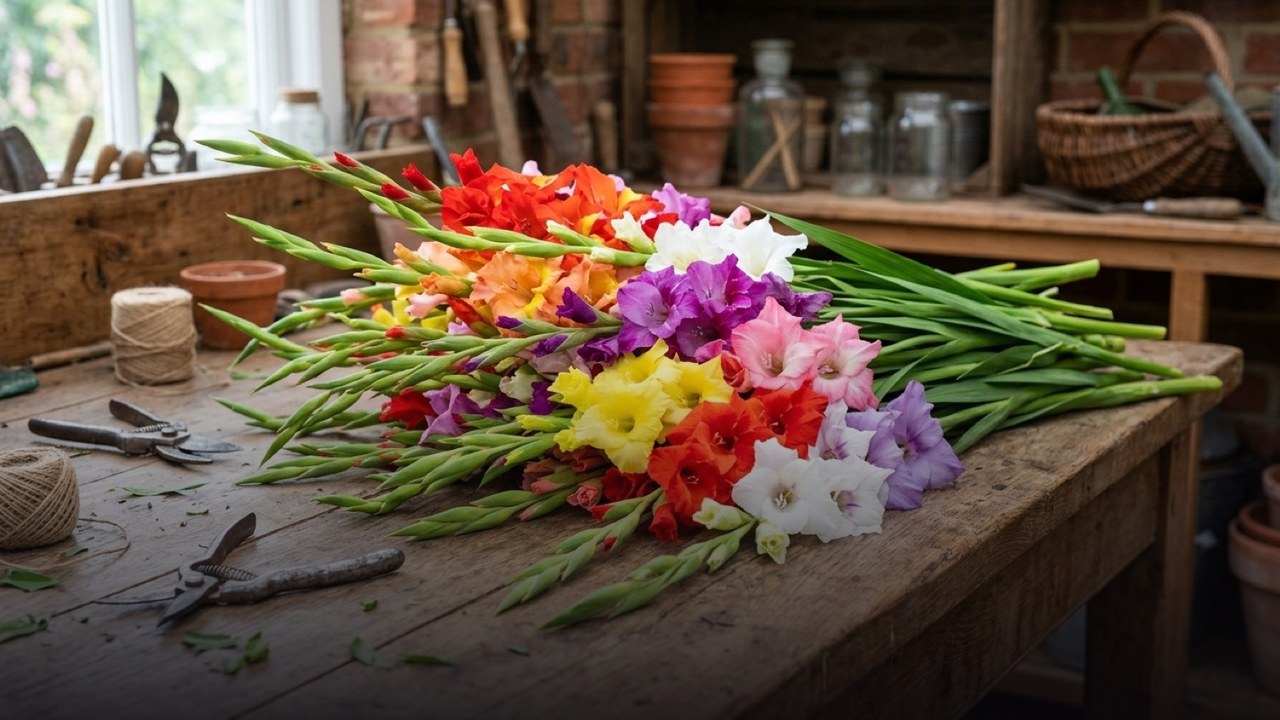
Flowers are used to express affection, mark important occasions, offer sympathy and decorate homes or event spaces. In nature, flowers are the reproductive structures of flowering plants; in a bouquet, their purpose is usually personal: to help you say something or make a space feel welcoming.
If you are choosing flowers for someone in Russia, start with the reason for sending them and the recipient’s preferences. A birthday gift, a romantic gesture and a condolence bouquet call for different choices. This guide focuses on cut flowers: how to use them thoughtfully, understand common customs, keep them fresh and arrange delivery when you are abroad.
Flowers as gifts: choose for the person and the occasion
For a birthday, flowers can be the main gift or accompany something you have already chosen. Think about what the recipient enjoys seeing at home: soft colours, a vivid mixture or a simple arrangement of one flower type. Their known preferences are a stronger guide than a list claiming that every flower has one fixed meaning.
For a romantic gift, consider the stage and tone of your relationship. Red roses are widely associated with romantic love, but they are not a requirement. A bouquet in the recipient’s favourite colours can feel more personal. For a colleague or professional thank-you, a restrained message and a bouquet that is easy to carry often suit the occasion.
Flowers can also acknowledge an achievement, welcome someone home or thank a person who has helped you. Match the scale of the gesture to the situation: a very large bouquet may be awkward on public transport or in a small workspace. Browse the bouquets catalogue with the recipient’s setting in mind, as well as the photograph.
Flower meanings and Russian gift etiquette
Flower symbolism is a useful starting point, but it is not a universal language. White flowers may suggest simplicity or formality, while bright colours can give a bouquet a lively character. Interpretations vary between people and occasions. If your message matters, put it into words instead of expecting the recipient to decode the stems.
In Russia, an odd number of flowers is customary for celebratory gifts, while even numbers are traditionally associated with mourning. This is especially relevant when a bouquet has an obvious, countable number of stems. If you are unfamiliar with the custom, ask the manager to help you choose an appropriate arrangement and explain the occasion clearly.
Avoid treating a colour rule as more important than someone’s taste. Yellow flowers, for example, can carry different associations, so they need not be excluded when you know the recipient likes them. For a delicate situation, such as an apology, keep the card specific and respectful; flowers should accompany your words without placing pressure on the other person.
Bouquets we can deliver




Using flowers for celebrations, sympathy and decoration
At a celebration, flowers can mark a focal point: a dining table, an entrance or a place where photographs will be taken. Choose their position before choosing their size. A table arrangement should allow people to see one another, and flowers near food should leave enough room for plates and serving dishes. Strong fragrance may be distracting during a meal.
For weddings, consider how flowers will be used rather than selecting every piece by appearance alone. A bouquet held for photographs has different practical demands from flowers standing in a vase. Colour, weight, scent and ease of handling all matter. If you are attending as a guest, check the couple’s wishes before bringing a bouquet they may need to carry or store.
For condolences, follow the family’s stated wishes and any guidance about the ceremony. A short, sincere message is usually more helpful than elaborate wording. At home, flowers can serve a quieter purpose: bringing colour to a desk or marking a weekly ritual. Choose a stable vase and a position where the arrangement will not obstruct everyday tasks.
How to care for cut flowers once they arrive
Start with a clean vase and fresh water. For a hand-tied bouquet intended for a vase, remove any packaging that prevents the stems from reaching the water, then trim the stem ends with clean, sharp scissors or secateurs. Remove leaves that would sit below the waterline, where they can decay. Keep a supporting tie in place if it holds the bouquet’s shape.
If flower food is supplied, follow the packet instructions and use the stated amount of water. Check the water level daily, because a full vase can become depleted faster than you expect. Refresh the water regularly and clean the vase if it becomes cloudy or develops residue. Remove fading stems so you can maintain the rest of the arrangement more easily.
Place the vase away from radiators, direct sunlight and ripening fruit, and avoid a spot where it can be knocked over. Keep flowers away from pets that might chew them; lilies are especially dangerous to cats. Different flowers have different needs, so ask for care guidance if you are unsure. No single routine can guarantee a fixed vase life for every bouquet.
When to send flowers and what to write on the card
Choose a delivery time around the recipient’s actual plans. For a birthday at home, a convenient window may matter more than being first in the morning. For an office delivery, consider meetings and the journey home. If you are ordering from another country, work from the recipient’s local date and time, especially when your own calendar day is different.
Turboflora offers express delivery in large cities within 1–2 hours after the order is confirmed. You can also arrange an exact time with a tolerance of plus or minus 30 minutes, choose a window of 09–12, 12–15, 15–18 or 18–21, or pre-order 1–30 days ahead. Choose the timing that gives the recipient a practical opportunity to receive the flowers.
A useful card names the occasion and says what you mean in a few clear lines: “Happy birthday, Mum. Thinking of you and sending love from afar.” A card with your text is free. Delivery is anonymous by default, and the courier does not name the sender, so include your name in the card if you want the recipient to know who sent it.
How to order flowers to Russia from abroad
We deliver flowers across Russia. Before ordering, prepare the recipient’s name, contact number, full delivery address, preferred local date and time, and your card text. Contact a manager on WhatsApp for help choosing a bouquet, agreeing the address and timing, and arranging a photo of the bouquet before delivery.
City delivery costs 500 RUB. For remote districts and suburbs, the operator confirms the delivery price when confirming the order. Online checkout uses CloudPayments; check the payment options displayed there rather than assuming your particular foreign card will be accepted. You can find the relevant ordering information on the delivery and payment page.
The courier calls the recipient about 15 minutes before arrival, so allow for that contact when planning a surprise. If the recipient is absent, we agree a second delivery that day or, with the sender’s consent, handing the flowers to a neighbour or concierge. Use WhatsApp to agree details in advance, particularly if the address is difficult to find or the recipient has limited availability.
Frequently asked questions
What are flowers mainly used for?
Flowers are commonly used as gifts, decorations and expressions of affection, gratitude or sympathy. In nature, their biological role is reproduction in flowering plants.
How many flowers should I give someone in Russia?
An odd number is customary for a celebratory gift, while even numbers are traditionally associated with mourning. Explain the occasion when choosing a bouquet, particularly if the stems will be easy to count.
Can I send flowers anonymously?
Yes. Delivery is anonymous by default, and the courier does not name the sender; leave your name out of the card if you want it to remain undisclosed.
Can I order flowers to Russia using a foreign card?
Online checkout uses CloudPayments. Check the options displayed at checkout, because acceptance of every foreign card is not guaranteed.
How quickly can flowers be delivered?
Express delivery in large cities takes 1–2 hours after the order is confirmed. You can also arrange an exact time with a tolerance of plus or minus 30 minutes, select an available delivery window, or pre-order 1–30 days ahead.
Ready to send flowers?
Pick the city, choose the bouquet, and a local florist takes it from there.
Choose a city →